Understanding the safety implications of treating outdoor spaces for parasites requires careful evaluation of chemical exposure risks.
According to the ASPCA, residential lawn care products and parasite control treatments applied to outdoor spaces frequently prompt inquiries regarding household pet safety. Navigating the balance between maintaining a comfortable, pest-free lawn and protecting canine companions remains a primary concern for dedicated pet caretakers. When warm weather arrives, lawns often become bustling hubs for ticks and fleas, triggering an immediate desire to apply quick chemical fixes across the yard. Yet, beneath the promise of instant relief lies a complex mixture of active ingredients that demand thorough scrutiny before any application begins. Related guide: Frozzys Frozen Yogurt For Dogs.
💡 Pet Care Key Takeaways:
- Core Focus: Practical health, nutrition, and wellness guidelines for Is Flea Yard Spray Bad For Dogs.
- Target Scope: Pet owners, animal caregivers, and veterinary support staff.
- Best Recommendation: Maintain consistent daily routines and consult an accredited veterinarian before introducing major diet or medical changes.
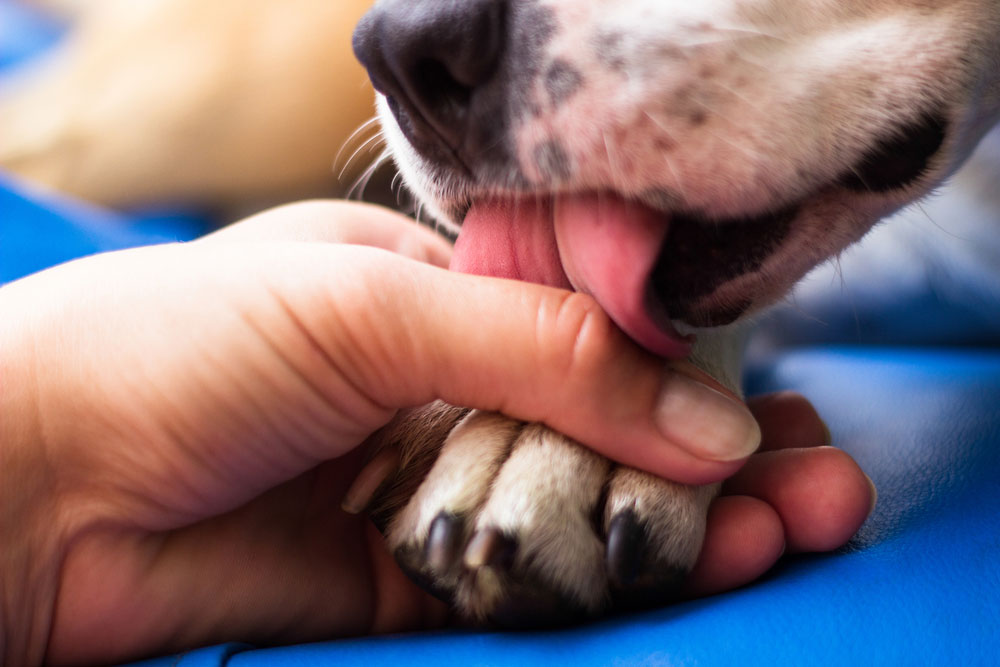
In clinical practice, dogs presenting with sudden skin irritations or unexplained digestive upsets often have histories of recent lawn treatments in their environment. Observing a canine patient repeatedly scratching its paws or licking its belly after rolling in newly treated grass provides immediate, real-world context to the chemical exposure discussion. Consequently, understanding whether standard lawn treatments pose genuine threats requires looking closely at how these substances interact with sensitive canine biology.
Outdoor parasite treatments encompass a broad category of chemical and natural formulas designed to eliminate pests from grass and soil.
Commercial parasite treatments for lawns generally utilize synthetic pyrethroids, organophosphates, or concentrated botanical oils to eradicate target insects. Pyrethroids, which are synthetic chemical compounds derived from chrysanthemum flowers, act on the nervous systems of crawling and hopping insects. While these compounds are marketed for broad outdoor use, their chemical makeup can still trigger adverse reactions in domestic animals, especially when applied incorrectly or in high concentrations. Exploring foundational topics such as Ingredients helps caretakers decode complex product labels and identify potentially harsh chemicals.
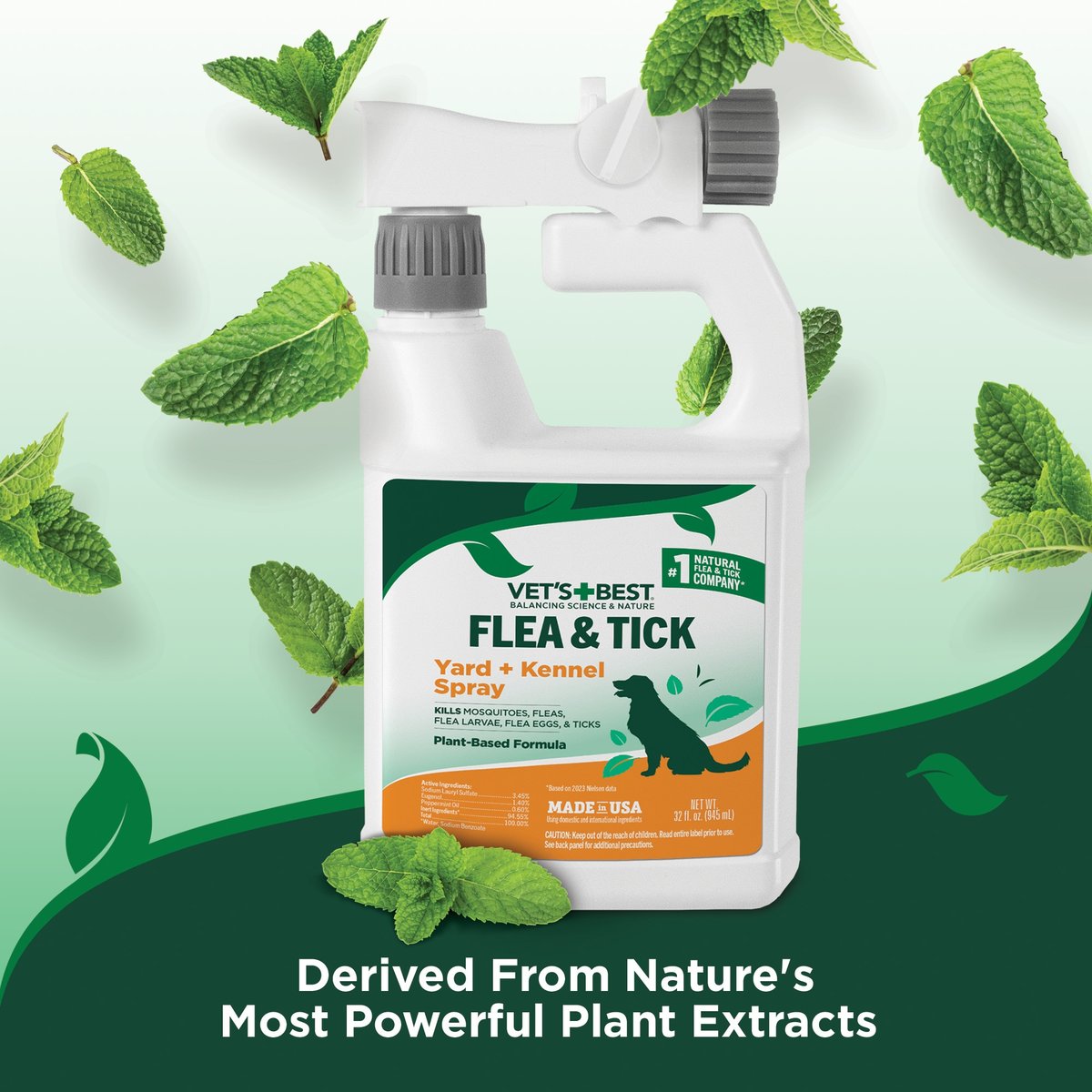
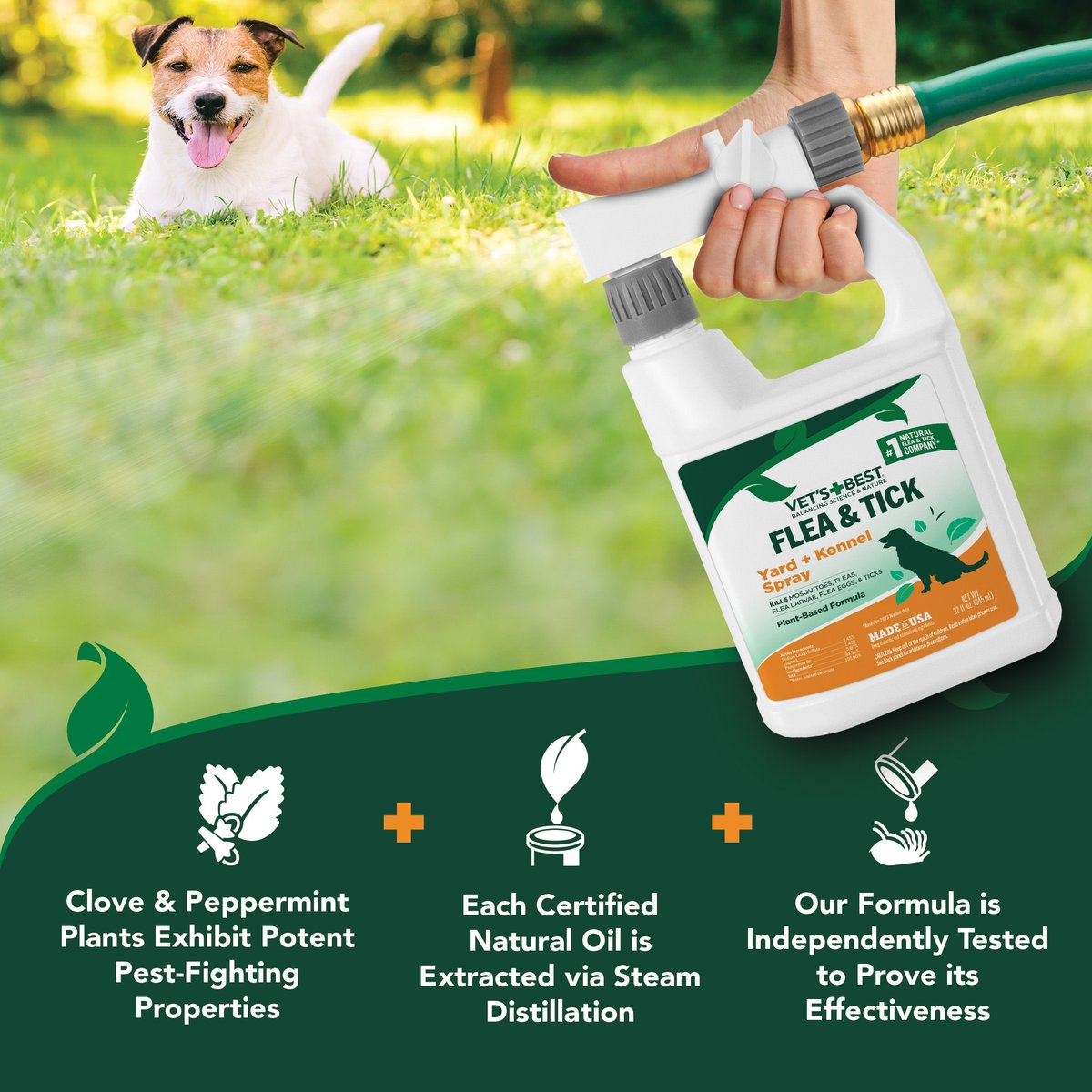
Beyond synthetic formulas, numerous alternative products leverage essential oils like cedarwood, peppermint, or garlic juice to deter unwanted pests naturally. Even though these botanical options sound completely benign, certain essential oils can still induce sensitivities or toxic reactions if ingested or if the dog walks through heavy wet residues. Recognizing that “natural” does not automatically mean entirely risk-free prevents accidental overexposure and ensures a safer environment for every four-legged household member.
Direct exposure to lawn chemicals can trigger a range of dermatological, neurological, and gastrointestinal symptoms in sensitive dogs.
Dermal contact with freshly applied outdoor pest control products frequently leads to localized skin inflammation, redness, and intense itching known as contact dermatitis. Beyond skin irritation, dogs absorb substances efficiently through their paw pads during outdoor exploration and subsequently ingest residues during normal self-grooming behaviors. Gastrointestinal upset involving mild drooling, vomiting, or decreased appetite can manifest quickly if a dog licks damp grass right after an application.
Topical lawn pesticide residues can transfer directly to a dog’s paw pads and fur, leading to secondary ingestion during routine grooming behaviors — ASPCA Animal Poison Control Center
More severe neurological complications may arise if highly toxic organophosphate formulas are utilized or if smaller pets experience heavy chemical exposure. Symptoms of severe toxicity include muscle tremors, incoordination, excessive salivation, and lethargy, which require immediate veterinary intervention. Evaluating broader wellness factors through Dog Type and Health resources helps caretakers gauge how individual physical traits might influence resilience to environmental toxins.
Implementing safe application protocols and adhering strictly to drying instructions minimizes environmental risks for outdoor-loving dogs.
Proper timing and product selection remain the most effective defenses against accidental canine exposure during lawn maintenance routines. Most conventional liquid sprays require complete drying—often taking anywhere from two to four hours—before any animal is permitted back onto the treated turf. Checking the weather forecast before spraying prevents unexpected rain showers from washing chemical runoff into puddles where dogs might be tempted to drink.
Adhering to best practices during outdoor treatments prevents accidental poisoning and protects sensitive household pets.
Keeping dogs indoors while mixing and spraying prevents airborne inhalation and accidental spills directly onto the pet’s coat or skin. Storing concentrated formulas securely in locked sheds or high cabinets keeps curious noses away from dangerous chemical containers. Furthermore, washing a dog’s paws with warm water and pet-safe soap after outdoor excursions serves as an excellent preventive habit.
Allowing lawn sprays to dry completely before reintroducing pets to the yard reduces potential absorption risks by over ninety percent — American Kennel Club
Pet Care & Wellness Overview Table
| Life Stage | Daily Activity Level | Key Nutrition / Care Focus |
|---|---|---|
| Puppy / Kitten | High (frequent short bursts) | High-protein growth diet & early socialization |
| Adult Companion | Moderate (30–60 mins daily) | Balanced maintenance nutrition & dental hygiene |
| Senior Pets | Low to Gentle (mindful walks) | Joint support (Glucosamine) & routine vet checks |
Images References

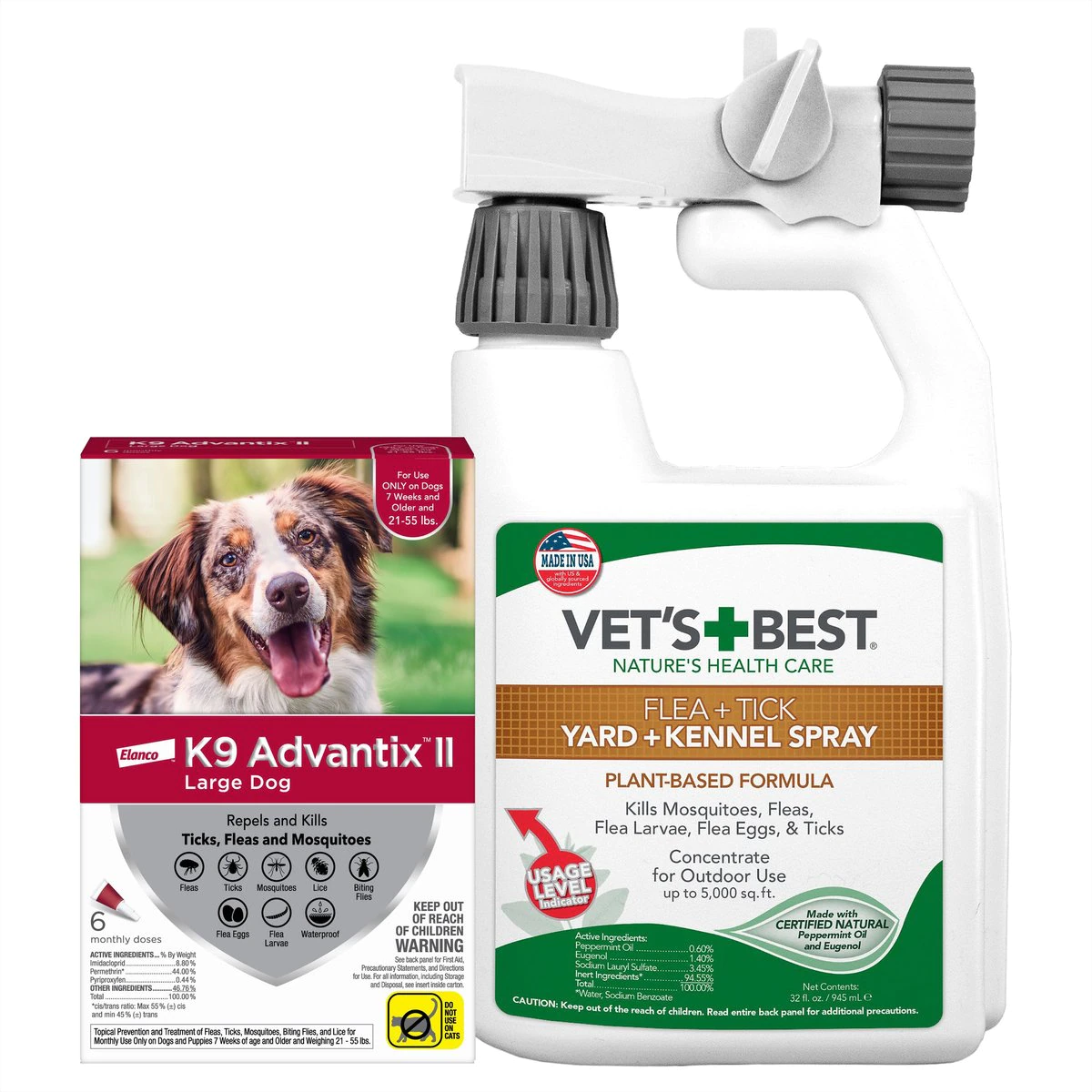



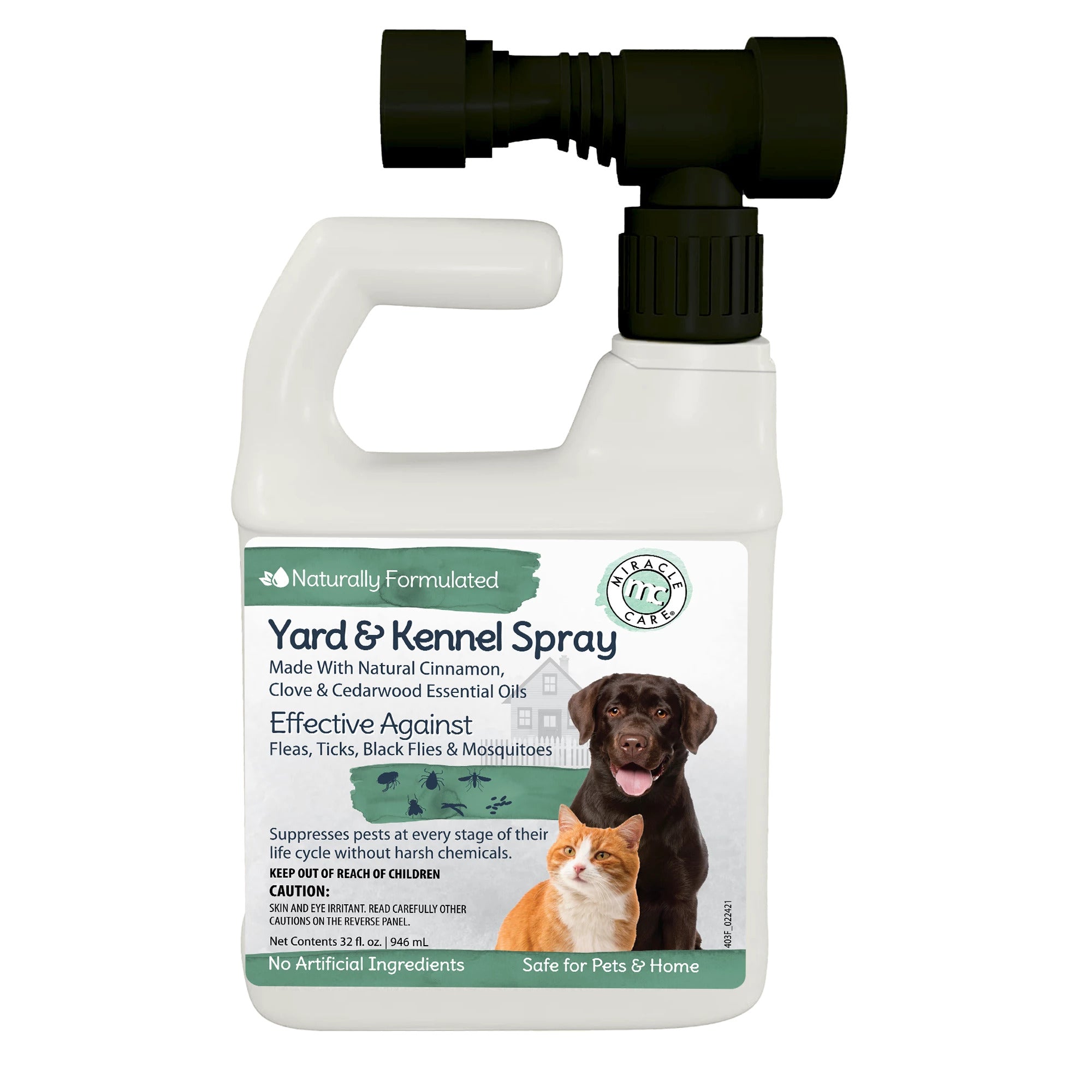
Establishing consistent cleaning habits aligns seamlessly with valuable techniques found in Method guides, ensuring home environments stay pristine.
Physical size, age, breed predispositions, and pre-existing health conditions heavily influence how an individual dog reacts to environmental chemicals.
Puppies and senior dogs possess developing or declining metabolic pathways, making them significantly more vulnerable to chemical toxicity than healthy adult animals. Smaller toy breeds have a much higher surface-area-to-weight ratio, meaning any substance absorbed through their paws impacts their tiny bodies far more intensely. Additionally, brachycephalic breeds—dogs with shortened facial structures—can experience heightened respiratory stress if exposed to strong chemical fumes hanging low in the air.
Canines suffering from chronic respiratory illnesses, kidney dysfunction, or compromised immune systems require extra vigilance when their living spaces undergo pest control management. Reviewing seasonal considerations detailed in Occasion overviews can help caretakers time outdoor treatments around specific weather patterns and life stages.
Professional veterinary guidance should always be sought immediately if a dog displays unusual symptoms following lawn chemical exposure.
Any sudden behavioral changes, persistent vomiting, severe lethargy, or loss of muscular coordination following yard treatments warrant an immediate call to a licensed veterinarian. Bringing the specific product label or packaging information to the clinic assists veterinary staff in identifying active ingredients and administering the correct antidote or supportive care. Professional oversight ensures that minor reactions do not escalate into life-threatening emergencies.
Maintaining open communication with veterinary professionals ensures outdoor parasite control remains safe and effective for the entire household.
Balancing a lush, green yard with the health and happiness of a beloved canine companion requires diligence, patience, and informed decision-making every step of the way. Exploring comprehensive educational materials available across General & Others sections empowers owners to make confident choices for their pets. Visit Home2Pet.com regularly to discover more expert-backed tips designed to keep every tail wagging safely.