Nourishing the Mighty Guard Dog Through Tailored Nutrition
According to the American Kennel Club, large and giant breed dogs require carefully balanced nutritional profiles during their developmental years to support robust skeletal growth and joint integrity. Providing home-prepared meals allows caregivers to monitor every single ingredient entering the bowl. Across decades of veterinary clinical practice, witnessing the transformative effect of whole-food diets on large-breed vitality remains a daily highlight. Transitioning toward handmade canine cuisine demands an understanding of macronutrients, micronutrients, and specific breed requirements. Culinary dedication in the kitchen translates directly into lifelong wellness for powerful companions.
💡 Pet Care Key Takeaways:
- Core Focus: Practical health, nutrition, and wellness guidelines for Cooking Fresh For Rottweiler.
- Target Scope: Pet owners, animal caregivers, and veterinary support staff.
- Best Recommendation: Maintain consistent daily routines and consult an accredited veterinarian before introducing major diet or medical changes.
Preparing wholesome meals at home offers absolute transparency regarding food quality and sourcing. Commercial kibble undergoes high-heat extrusion that can degrade certain natural vitamins, whereas gently cooked whole foods retain vital moisture and cellular integrity. Experience in clinical settings shows that dogs transitioning to fresh diets frequently exhibit improved coat sheen and smaller, firmer stool volumes. Furthermore, tailoring recipes to individual metabolic needs prevents the dullness often associated with mass-produced dry foods. Careful meal planning ensures that powerful working dogs receive the dense fuel necessary for daily activity. Related guide: Molasses In Dog Treats.
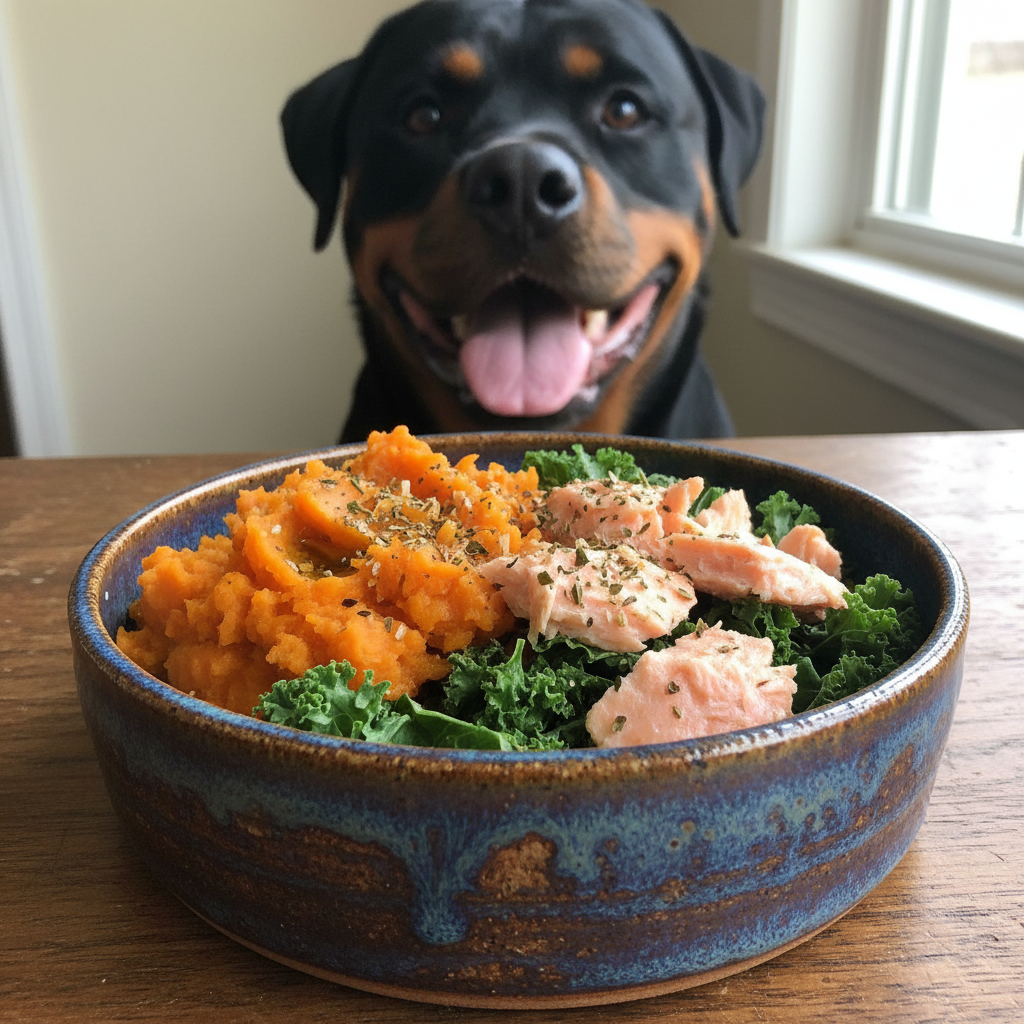
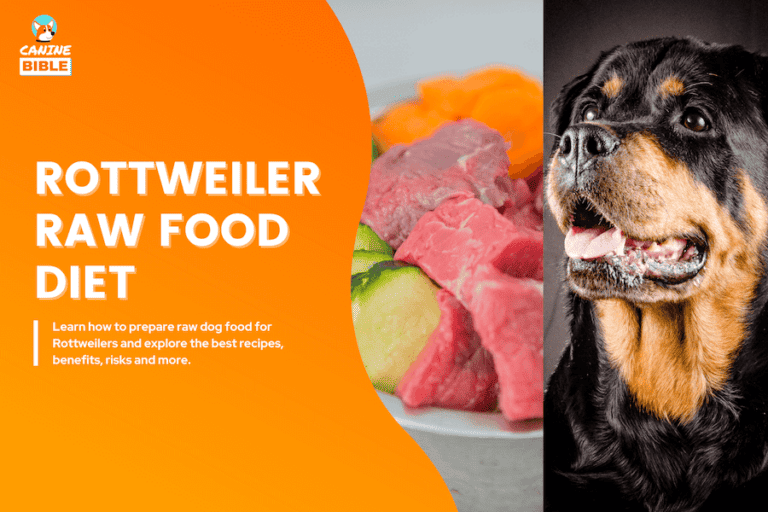
Cooking fresh for rottweiler involves formulating balanced, species-appropriate meals using whole food ingredients tailored to heavy skeletal frames and muscular builds.
Rottweilers are a powerful, large-boned working breed possessing deep chests and substantial muscle mass, requiring precise dietary management to prevent excessive strain on joints. Cooking fresh for rottweiler involves formulating balanced, species-appropriate meals using whole food ingredients tailored to heavy skeletal frames and muscular builds. This practice moves beyond simple table scraps, requiring calculated ratios of lean proteins, complex carbohydrates, and essential fatty acids. Understanding how these dietary components interact helps maintain optimal body condition scores throughout the lifespan of the dog. Proper preparation respects the biological realities of carnivorous-leaning omnivores.
Every successful homemade meal plan relies on specific foundational food groups selected for bioavailability and digestibility. High-quality animal proteins such as skinless poultry, lean beef, and organ meats supply the amino acids necessary for muscle repair and maintenance. Meanwhile, wholesome carbohydrates like sweet potatoes, brown rice, and quinoa supply sustained energy without causing sudden blood sugar spikes. Healthy fats derived from sources like salmon oil or flaxseed provide crucial support for cognitive function and skin barrier health. Balancing these elements guarantees that the animal thrives rather than merely survives on homemade provisions.
Nutritional adequacy in homemade canine diets requires strict adherence to established nutritional guidelines to prevent severe deficiencies or toxic excesses.
Nutritional adequacy in homemade canine diets requires strict adherence to established nutritional guidelines to prevent severe deficiencies or toxic excesses. Feeding meat alone leads rapidly to calcium depletion and severe skeletal deformities, a critical risk during the rapid growth phase of large puppies. Integrating calcium carbonate or sterilized eggshell powder becomes mandatory when utilizing unground meat and bone recipes. Additionally, precise quantities of trace minerals and fat-soluble vitamins must be supplemented based on the exact weight and energy expenditure of the animal. Monitoring laboratory blood panels periodically helps verify that the chosen regimen maintains ideal internal balance.
The Association of American Feed Control Officials establishes strict nutrient profiles that homemade diets must meet to ensure long-term canine health and prevent deficiency-related pathologies. — AAFCO
Beyond macronutrients, working with fresh components requires attention to hydration and enzymatic activity within the digestive tract. Raw or lightly steamed vegetables provide essential dietary fiber that promotes healthy peristalsis and stable microbial populations within the gut. In addition, incorporating dog-safe botanicals and antioxidant-rich berries helps combat oxidative stress induced by daily physical exertion. Caregivers must remain vigilant about portion control, as calorie-dense whole foods can easily contribute to unwanted weight gain if activity levels drop. Weighing food portions digitally guarantees consistency across daily feedings.
Implementing fresh meal preparation requires organized batch cooking, safe food handling practices, and proper storage protocols.
Implementing fresh meal preparation requires organized batch cooking, safe food handling practices, and proper storage protocols to eliminate harmful bacterial contamination. Establishing a weekly routine saves significant time while ensuring that meals remain fresh and palatable for the animal. Proteins should be cooked thoroughly to destroy pathogens like Salmonella, while vegetables require proper dicing or pureeing to maximize nutrient absorption. Dividing prepared food into daily or weekly portions allows for effortless thawing and serving. Maintaining a clean kitchen environment protects both human and animal family members from foodborne illnesses.
Transitioning any dog to a new diet requires a gradual approach to prevent acute gastrointestinal upset such as vomiting or diarrhea. Mixing small amounts of the fresh diet into the legacy food over a period of seven to ten days lets the microbiome adapt smoothly. Furthermore, observers in veterinary practice note that dogs with sensitive stomachs benefit greatly from the addition of soothing fibers like plain canned pumpkin during transition phases. Careful observation of stool consistency and overall energy levels guides the speed of the dietary switch. Patience during this initial phase prevents unnecessary digestive distress.
Avoiding common nutritional pitfalls safeguards against long-term health complications and ensures optimal vitality.
Common kitchen ingredients such as onions, garlic, grapes, raisins, and macadamia nuts are notoriously toxic to dogs and must be strictly excluded from all canine recipes. Beyond acute toxicities, uncalculated home-cooked diets frequently lead to calcium-to-phosphorus imbalances, which pose a severe threat to large breeds prone to hip and elbow dysplasia. Relying on generic internet recipes without professional formulation often results in hidden deficiencies that manifest only after months or years of feeding. Utilizing specialized software or consulting certified veterinary nutritionists eliminates these dangerous guesswork errors.
Ingestion of allium species like onions and garlic can cause oxidative damage to canine red blood cells, leading to Heinz body hemolytic anemia. — ASPCA
Pet Care & Wellness Overview Table
| Life Stage | Daily Activity Level | Key Nutrition / Care Focus |
|---|---|---|
| Puppy / Kitten | High (frequent short bursts) | High-protein growth diet & early socialization |
| Adult Companion | Moderate (30–60 mins daily) | Balanced maintenance nutrition & dental hygiene |
| Senior Pets | Low to Gentle (mindful walks) | Joint support (Glucosamine) & routine vet checks |
Images References







Proper vitamin supplementation remains a non-negotiable component of any long-term fresh food strategy for large guard dogs. Essential vitamins such as Vitamin E, B-complex vitamins, and minerals like zinc are difficult to supply in adequate amounts through standard grocery store meats and vegetables alone. Commercial or veterinary-formulated nutrient balancers bridge this nutritional gap safely and accurately. Caregivers should never assume that a varied diet automatically covers every micronutrient requirement. Precision measurement tools ensure that supplements are distributed evenly throughout daily rations.
Life stage transitions demand continuous dietary adjustments to accommodate changing metabolic rates and physical activity levels.
Dietary requirements shift dramatically from the high-energy growth phase of puppyhood through the steady maintenance of adulthood and into the slower pace of senior years. Senior dogs often require fewer calories to prevent obesity, yet their need for high-quality, easily digestible protein increases to preserve lean muscle mass. Joint-supporting compounds like glucosamine and chondroitin sulfate become increasingly valuable as dogs age and experience natural cartilage wear. Regular body condition scoring helps caregivers spot subtle weight fluctuations long before they impact overall health. Adjusting portion sizes seasonally prevents weight gain during periods of reduced outdoor activity.
Environmental factors and working demands also influence daily caloric and nutritional requirements for powerful canine companions. Dogs exposed to cold weather burn additional calories simply maintaining core body temperature, necessitating slight increases in healthy dietary fats. Conversely, indoor companion dogs living sedentary lifestyles require strict portion management to avoid the dangers of canine obesity. Understanding these nuanced variables empowers owners to customize meal plans dynamically. Flexibility within a structured framework ensures lifelong nutritional excellence.
Consulting a veterinary professional guarantees that custom meal plans meet exact physiological standards before initiating significant dietary changes.
Professional veterinary guidance is indispensable when crafting homemade diets to ensure they meet the rigorous standards established for canine health. Veterinarians can review home recipes for nutritional completeness, recommending precise adjustments based on blood work and physical examinations. Any dog displaying chronic health conditions such as kidney disease, pancreatitis, or severe food allergies requires specialized veterinary oversight before starting a fresh food regimen. Collaborative care between pet owners and veterinary teams prevents nutritional deficiencies and optimizes health outcomes. Expert supervision provides ultimate peace of mind.
Establishing an open dialogue with a trusted veterinarian ensures that any health anomalies are addressed swiftly and effectively throughout the dietary journey. Routine wellness exams offer ideal opportunities to evaluate weight, coat condition, and muscle tone under professional scrutiny. When making decisions about canine nutrition, exploring reliable educational resources helps caregivers stay informed about best practices. To expand your knowledge further, explore our guides on Dog Type and Health, safe Ingredients, and proven preparation Method strategies. Welcome home a healthier, happier companion through the power of mindful nutrition at Home2Pet.com, where dedicated care meets expert guidance for Occasion planning and General & Others pet care tips.