Managing youthful exuberance in a growing hound remains a priority for every household welcoming a high-energy guardian breed.
According to the American Kennel Club, early socialization and consistent positive reinforcement are fundamental pillars for shaping a well-adjusted canine companion. Bringing home an enthusiastic puppy often brings immediate joy, yet that same enthusiasm quickly translates into unwanted physical contact. Dobermann Pinschers possess exceptional intelligence coupled with an athletic build, meaning tiny puppy habits scale up into powerful adult behaviors rapidly. Veterinary technicians frequently observe that guardians struggle most during the peak teething and adolescent growth phases. Addressing these physical outbursts requires patience, clear boundaries, and an understanding of normal canine development. Establishing proper etiquette early protects both family members and the developing dog from accidental injury during play. Related guide: How To Get Puppy To Stop Biting Furniture.
💡 Pet Care Key Takeaways:
- Core Focus: Practical health, nutrition, and wellness guidelines for How Do I Stop My Dobermann Pup From Jumping And Play Biting.
- Target Scope: Pet owners, animal caregivers, and veterinary support staff.
- Best Recommendation: Maintain consistent daily routines and consult an accredited veterinarian before introducing major diet or medical changes.
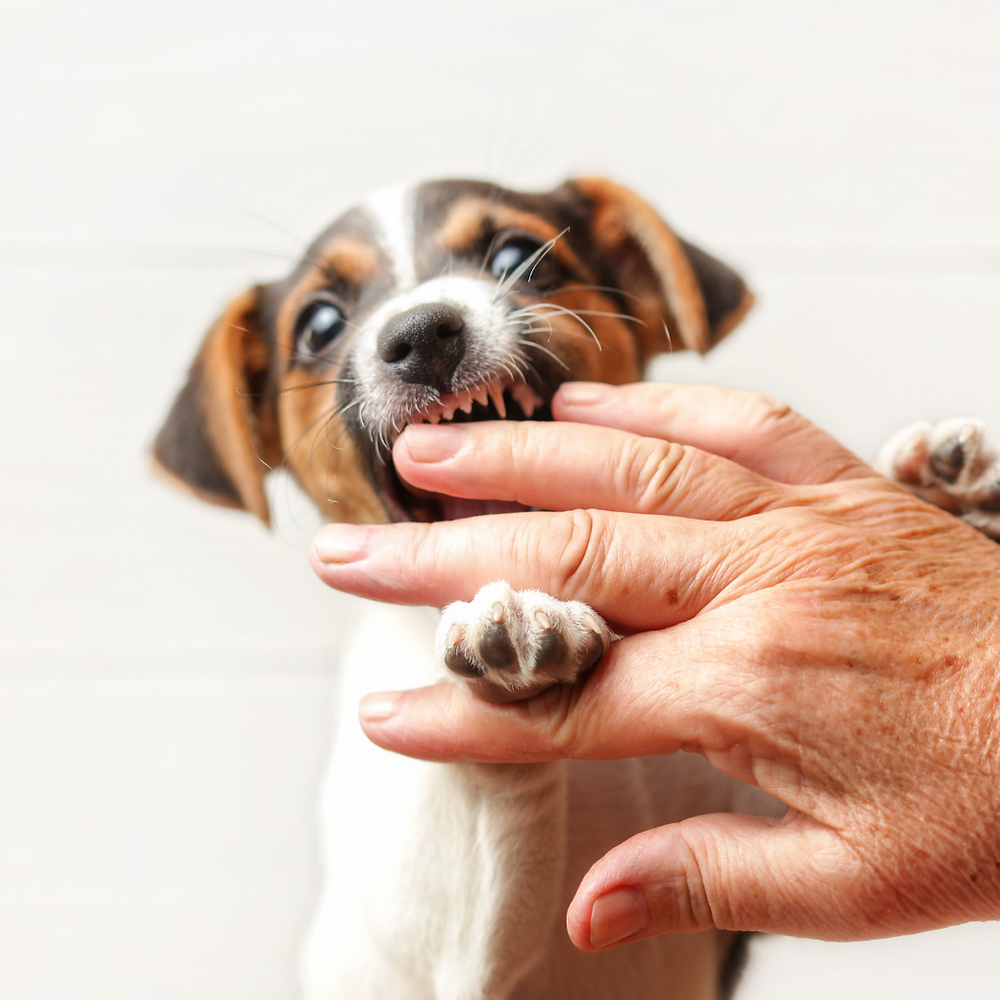
Play biting and vertical leaping are normal exploratory behaviors rooted in littermate communication and physical testing. In canine terms, mouthing serves as a primary method for exploring textures and interacting with littermates, while jumping stems from a desire to reach facial level for greeting. When humans respond with high-pitched squeals or flailing arms, the puppy often perceives this reaction as an exciting game of chase. Consequently, understanding how do i stop my dobermann pup from jumping and play biting requires shifting human reactions from accidental encouragement to calm, predictable non-engagement. Consistent redirection teaches the adolescent dog that gentle manners yield attention, whereas boisterous actions cause the fun to instantly stop.
Unchecked mouthing and leaping habits create significant behavioral and physical safety concerns within the household environment.
Allowing sharp puppy teeth to contact human skin normalizes inappropriate boundaries that become dangerous as the animal matures into a large, muscular adult. Beyond physical scratches and bruises, failing to address these impulses can strain the human-canine bond, sometimes leading to unnecessary surrender of young dogs. Furthermore, exuberant leaping places undue stress on the developing joints of a large-breed puppy, potentially impacting long-term musculoskeletal health. Veterinary professionals consistently advise addressing these physical habits through structured outlets, proper nutrition, and mental enrichment tailored to the Dog Type and Health needs of athletic breeds.
Puppy socialization windows close around twelve to sixteen weeks of age, making early behavior guidance critical for preventing long-term reactivity. — American Kennel Club
Implementing effective daily management strategies transforms chaotic puppy energy into focused, polite responses.
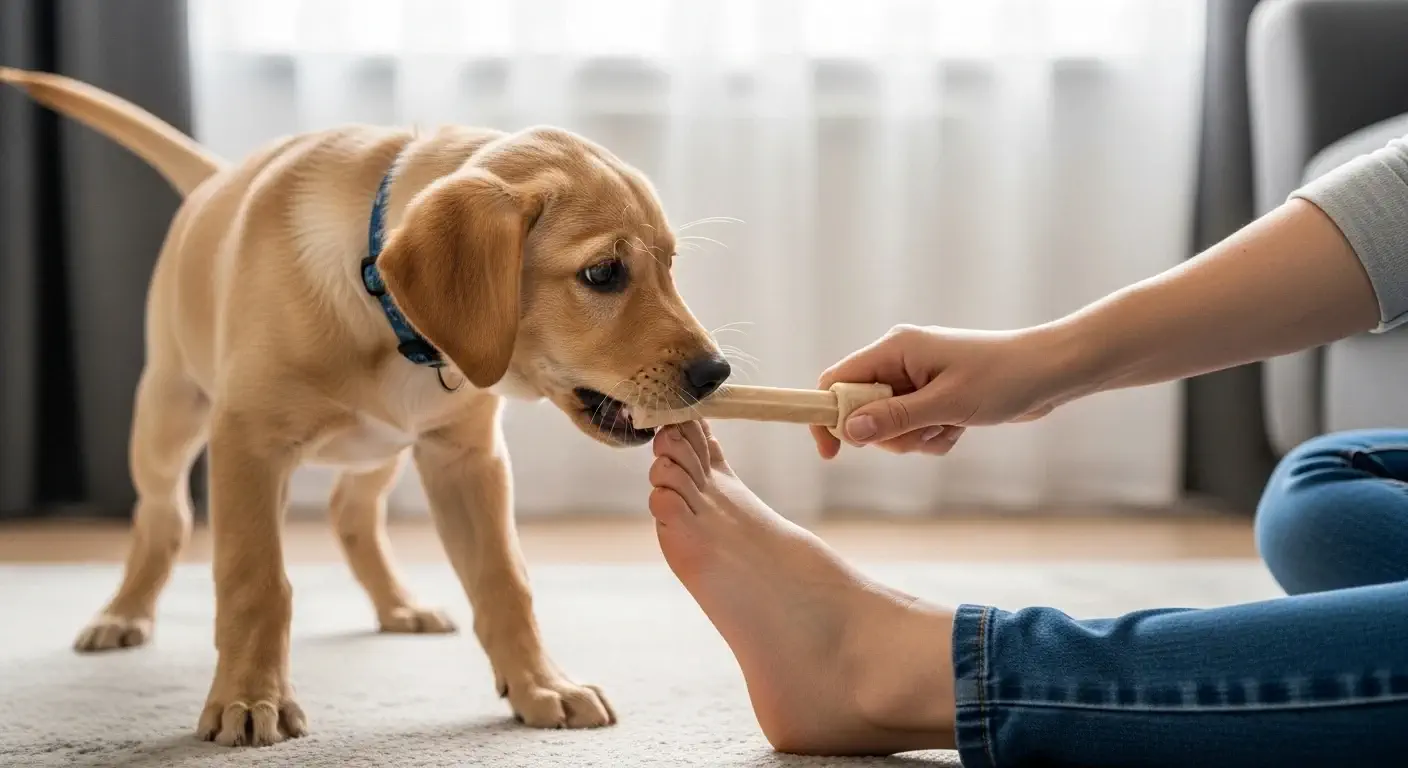
Successfully curbing these physical outbursts relies on teaching an incompatible alternative behavior, such as sitting quietly to receive attention. Whenever the canine approaches with paws raised or teeth bared, turning the shoulders away and remaining completely silent removes the desired reward of interaction. Once all four paws touch the floor and calmness prevails, gentle praise or a healthy treat reinforces the correct choice. Incorporating balanced Ingredients into training treats ensures that rewards support overall vitality without compromising daily caloric balance. Additionally, channeling natural chewing urges toward appropriate chew toys satisfies biological needs safely away from human clothing and hands.
Consistent execution and environmental management prevent regression during high-arousal training sessions.
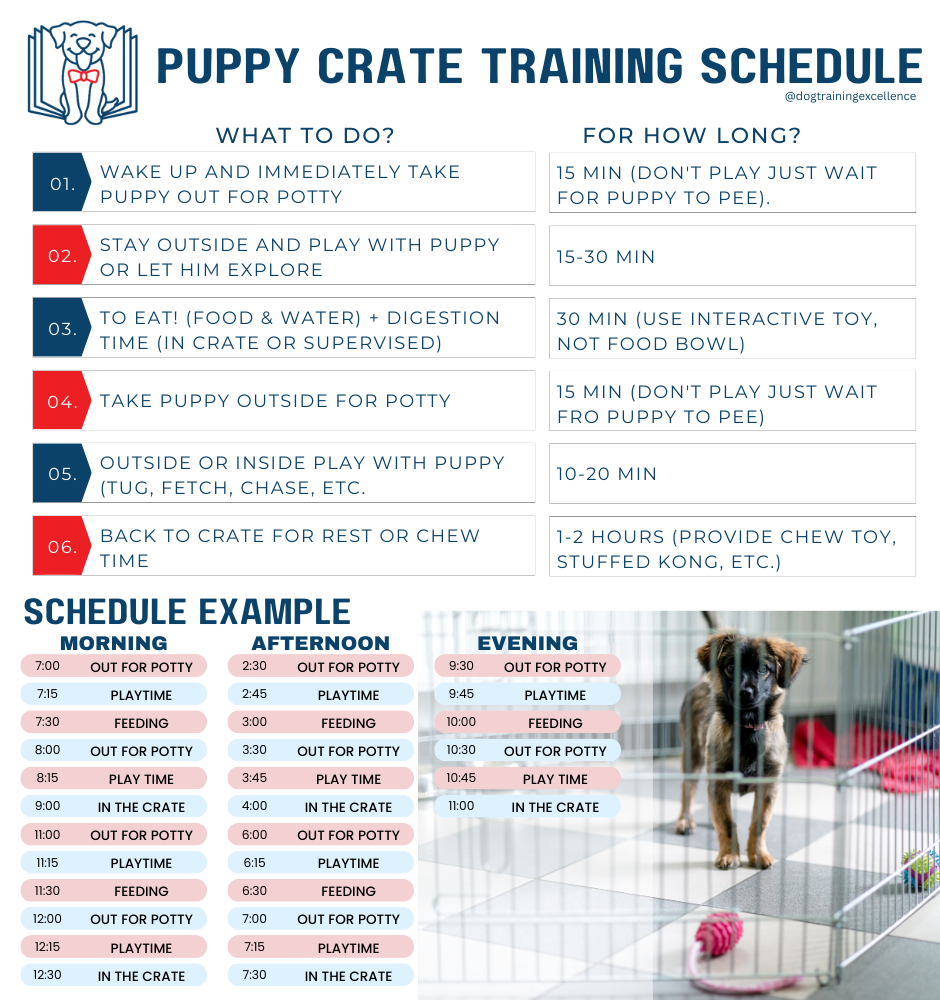
Consistency among all household members remains the single most important factor when extinguishing unwanted jumping and mouthing habits. If one person allows the puppy to jump up during greetings while another strictly discourages it, the animal becomes confused and persistence actually increases. Moreover, utilizing baby gates or designated exercise pens helps manage high-arousal moments when the puppy experiences overtired zoomies. Exploring structured Method guides provides additional frameworks for teaching impulse control through positive reinforcement techniques. Establishing a predictable daily routine also reduces the anxious pacing that often triggers sudden bouts of leaping and biting.
Canine cognitive development thrives on short, frequent training sessions rather than prolonged, fatiguing drills. — American Veterinary Medical Association
Pet Care & Wellness Overview Table
| Life Stage | Daily Activity Level | Key Nutrition / Care Focus |
|---|---|---|
| Puppy / Kitten | High (frequent short bursts) | High-protein growth diet & early socialization |
| Adult Companion | Moderate (30–60 mins daily) | Balanced maintenance nutrition & dental hygiene |
| Senior Pets | Low to Gentle (mindful walks) | Joint support (Glucosamine) & routine vet checks |
Images References


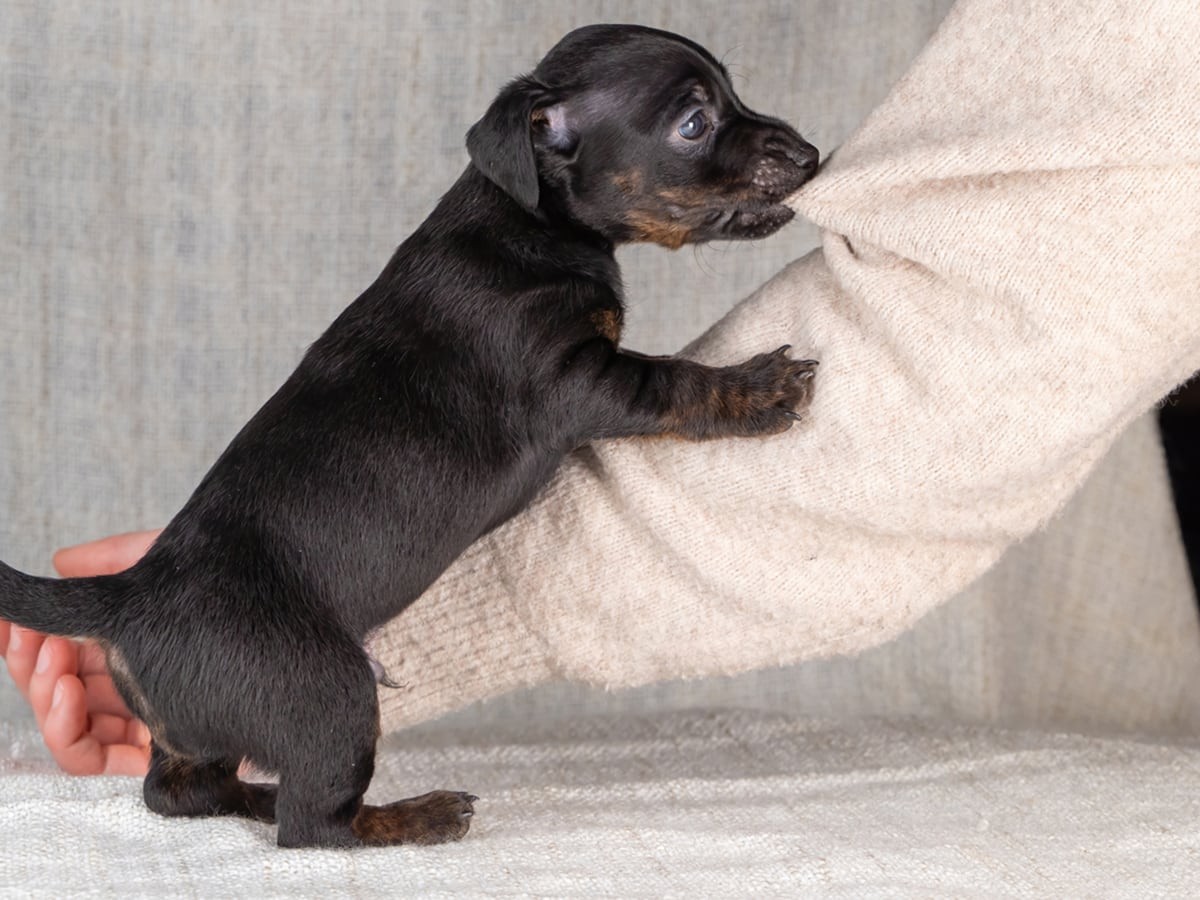

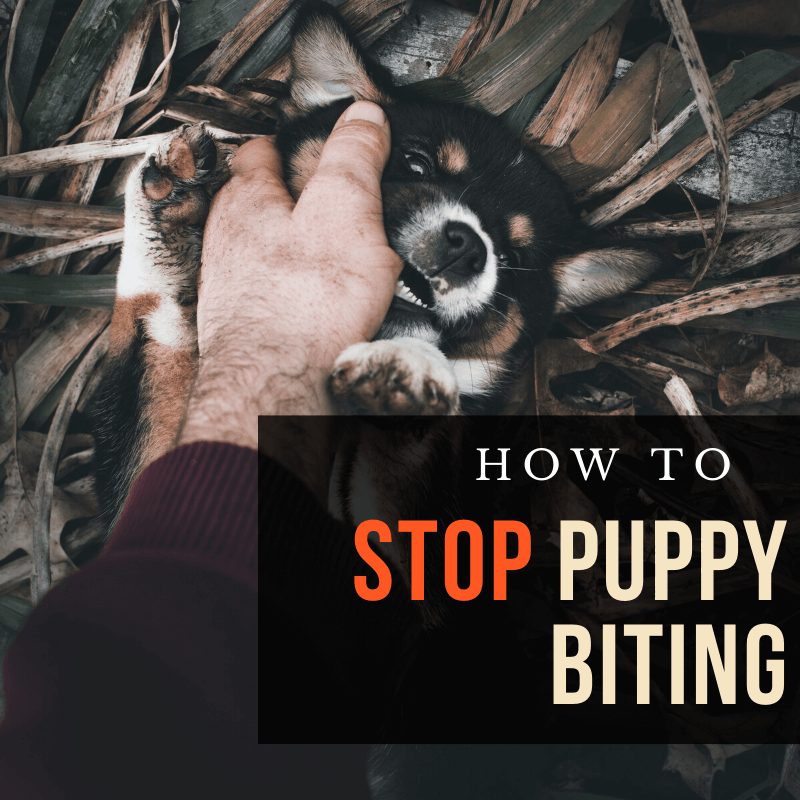


Breed-specific traits and rapid growth phases require customized approaches tailored to the unique physical profile of Dobermann Pinschers.
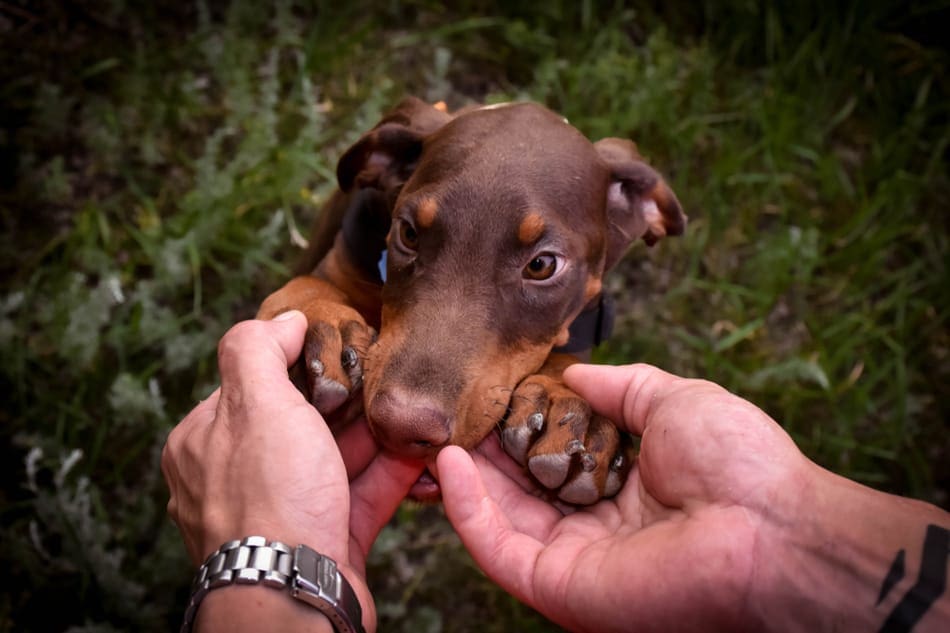
Dobermann Pinschers are sensitive, high-drive working dogs that require both physical exertion and substantial mental stimulation to remain balanced. Their sleek frames and deep chests undergo rapid structural development during the first year of life, making joint protection a primary priority during play. Harsh punishments or physical corrections can damage trust and potentially trigger defensive reactions in this intelligent breed. Instead, rewarding calm focus builds a confident companion who respects household rules naturally. For special milestones or bonding moments, incorporating enrichment activities found within Occasion planning keeps training engaging and fun for the growing adolescent.
Professional veterinary guidance becomes essential when behavioral interventions fail to yield noticeable improvement over time.
Persistent aggression, unrelenting skin-breaking bites, or extreme panic responses during redirection warrant a thorough veterinary evaluation to rule out underlying medical discomfort. Pain from growing joints or hidden dental issues can easily manifest as sudden behavioral changes and intense mouthing. Veterinarians can assess overall health, recommend specialized professional trainers, and ensure that physical limitations are respected during exercise. For broader wellness tips, reviewing resources on General & Others helps maintain a comprehensive approach to canine care.
Building a harmonious relationship with a young guardian breed requires ongoing dedication and positive reinforcement strategies.
Guidance through the puppy stage lays the foundation for a lifetime of companionship, mutual respect, and shared adventures. By replacing chaotic physical outbursts with calm, rewarded behaviors, households foster secure and reliable adult dogs. Continued exploration of expert advice available across Home2Pet.com ensures every pet owner remains equipped for each developmental milestone.