Nutritional Foundations Matter for Growing Canines
According to the American Kennel Club, large-breed puppies require precise nutritional ratios to support their rapid skeletal development without triggering orthopedic growth disorders. During clinical examinations, veterinary technicians frequently notice that young dogs fed uncalibrated home-prepped diets develop subtle joint sensitivities long before clinical lameness appears. Preparing homemade meals demands rigorous attention to detail, especially for powerful breeds like the Rottweiler. Providing the right balance of proteins, fats, and calcium helps shape a resilient structural foundation during the critical first year of life. Related guide: Frozzys Frozen Yogurt For Dogs.
💡 Pet Care Key Takeaways:
- Core Focus: Practical health, nutrition, and wellness guidelines for Recipies For He Cooked Food For Rotweiller Puppies.
- Target Scope: Pet owners, animal caregivers, and veterinary support staff.
- Best Recommendation: Maintain consistent daily routines and consult an accredited veterinarian before introducing major diet or medical changes.
Recipes for he cooked food for rotweiller puppies are formulated whole-food meals designed to support massive structural growth.
Formulating meals specifically tailored for giant-breed growth involves blending lean animal proteins with easily digestible carbohydrates and essential micronutrients. Unlike standard adult canine diets, recipes for he cooked food for rotweiller puppies” must account for slow, steady bone lengthening rather than accelerated weight gain. Clinical practice shows that puppies introduced to thoughtfully prepared meals often display exceptional coat condition and steady energy levels. Balancing these meals prevents nutrient deficiencies that commonly plague rapidly maturing large dogs.
Controlled mineral ratios prevent developmental orthopedic issues during rapid maturation phases.
Managing calcium-to-phosphorus ratios remains the single most critical factor when preparing fresh meals for large-breed juveniles. When these crucial minerals fall out of alignment, growing bones risk structural malformations such as hip or elbow dysplasia. Furthermore, incorporating lean muscle meats alongside safe organ cuts supplies necessary amino acids without overloading the developing digestive tract. Careful observation in clinical settings reveals that puppies receiving properly balanced cooked meals maintain better muscle tone during growth spurts.
Large-breed puppies require strictly controlled calcium and phosphorus ratios to prevent severe developmental orthopedic diseases during their first twelve months of life. — American Kennel Club
Preparing safe and nutritious home-cooked meals requires precise measurement and vitamin supplementation.
Executing these meal protocols successfully depends on combining thoroughly cooked meats with safe carbohydrate sources and veterinarian-approved mineral supplements. Standard muscle meats alone lack sufficient calcium, meaning a dedicated source of calcium carbonate or bone meal powder must be added according to professional guidelines. In addition, transitioning through the Method category helps caretakers master gentle cooking techniques that preserve vital nutrients. Kitchen scales are indispensable tools here, because measuring by volume rather than weight introduces dangerous nutritional inconsistencies.
Avoiding common kitchen pitfalls ensures long-term vitality and robust health.
Novice cooks often make the mistake of adding toxic kitchen staples like onions, garlic, grapes, or excessive salt to canine meals. Onions and garlic contain disulfides that destroy red blood cells, leading to severe hemolytic anemia in vulnerable canines. Additionally, exploring the Ingredients section provides deeper insight into which pantry items remain strictly off-limits. Dog owners must also resist the urge to substitute ingredients arbitrarily, as minor swaps can drastically alter the caloric and mineral density of the final bowl.
Garlic, onions, and certain artificial sweeteners pose severe toxicity risks to dogs and must be strictly avoided in all homemade meal preparations. — American Society for the Prevention of Cruelty to Animals
Pet Care & Wellness Overview Table
| Life Stage | Daily Activity Level | Key Nutrition / Care Focus |
|---|---|---|
| Puppy / Kitten | High (frequent short bursts) | High-protein growth diet & early socialization |
| Adult Companion | Moderate (30–60 mins daily) | Balanced maintenance nutrition & dental hygiene |
| Senior Pets | Low to Gentle (mindful walks) | Joint support (Glucosamine) & routine vet checks |
Images References





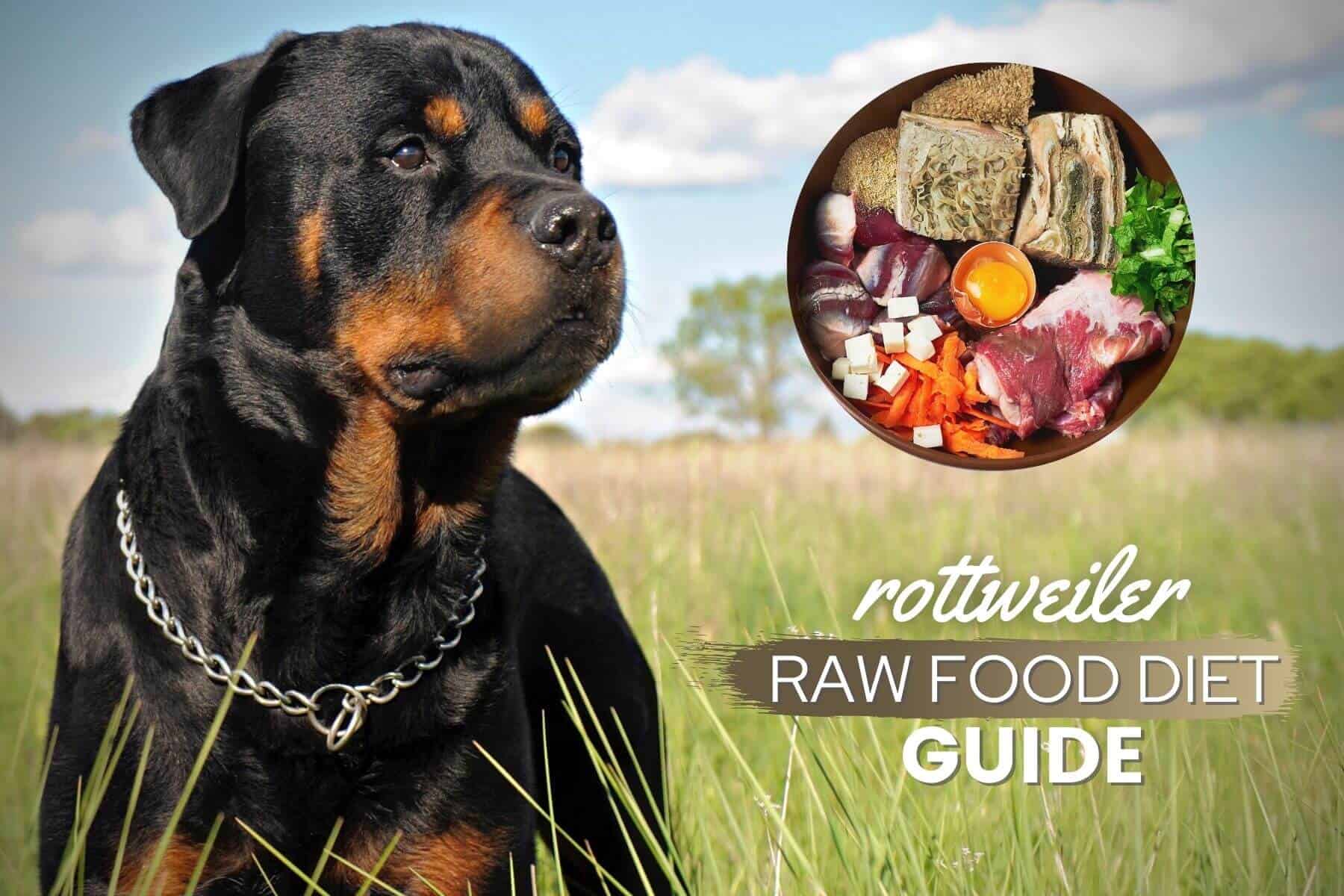

Breed-specific growth trajectories demand customized caloric density throughout puppyhood.
Rottweilers experience immense weight gains between the ages of three and nine months, requiring adjustments to their daily caloric intake. Because every puppy metabolizes nutrients differently, monitoring body condition scores matters far more than relying solely on kitchen scales. Exploring resources within Dog Type and Health helps owners understand how distinct physical milestones dictate dietary shifts. Maintaining a lean, muscular frame reduces unnecessary mechanical stress on developing joints during heavy physical activity.
Veterinary guidance remains essential before implementing any long-term home-cooked feeding regimen.
Professional oversight ensures that customized canine diets meet the rigorous nutritional adequacy standards established by the Association of American Feed Control Officials. Veterinarians or veterinary nutritionists can evaluate laboratory blood panels and growth charts to catch subtle deficiencies before they manifest as clinical illnesses. Moreover, browsing the Occasion and General & Others archives provides helpful perspective on adapting feeding strategies for special life stages. Never alter a puppy’s diet radically without first confirming safety parameters with a qualified animal healthcare professional.
Customized canine nutrition empowers owners to cultivate lifelong wellness and vitality.
Crafting wholesome meals for a rapidly growing companion is a deeply rewarding journey that strengthens the bond between human and animal. By combining careful kitchen preparation with expert veterinary oversight, caretakers lay the groundwork for years of vibrant health. Discover more evidence-based feeding insights and expert tips by visiting Home2Pet.com today.