Understanding the Roots of Canine Mouthing and Vocalization
According to the American Society for the Prevention of Cruelty to Animals (ASPCA), normal canine development involves extensive exploratory biting and vocalization during the first year of life. Welcoming a young dog into a household brings immense joy, yet sharp teeth and sudden growls can quickly turn excitement into stress. Navigating these early hurdles requires recognizing that aggressive-sounding behaviors are frequently normal developmental milestones rather than genuine malice. Canine youngsters explore their environment primarily through their mouths, testing textures, boundaries, and social reactions. When owners decode the underlying triggers behind these actions, transforming chaos into calm becomes an achievable goal rooted in patience and consistency.
💡 Pet Care Key Takeaways:
- Core Focus: Practical health, nutrition, and wellness guidelines for How To Stop Puppy Growling And Biting.
- Target Scope: Pet owners, animal caregivers, and veterinary support staff.
- Best Recommendation: Maintain consistent daily routines and consult an accredited veterinarian before introducing major diet or medical changes.
Defining How to Stop Puppy Growling and Biting Safely
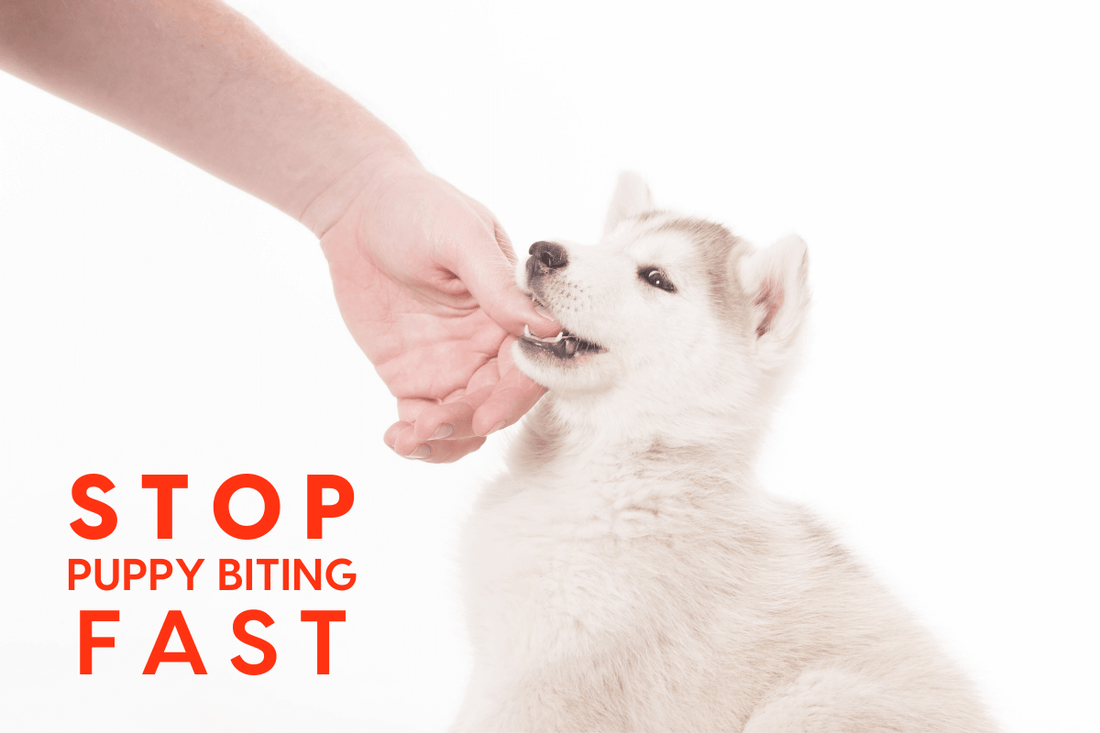
Addressing how to stop puppy growling and biting involves implementing structured behavioral redirection, positive reinforcement, and clear communication boundaries. Canine teething typically peaks between twelve and sixteen weeks of age, prompting intense chewing urges that can easily be misconstrued as aggression. Establishing predictable routines helps channel this natural energy away from human hands and ankles toward appropriate outlets like durable chew toys. Furthermore, teaching bite inhibition—the ability of a dog to control the force of its jaw—ensures the animal learns that human skin is exceptionally sensitive. Through steady guidance, young canines quickly discover which behaviors yield attention and which ones cause interactions to stop immediately. Related guide: How To Get Your Puppy Not To Bite You.
The Behavioral, Nutritional, and Physiological Impacts
Physical discomfort, poor nutrition, and chronic overtiredness significantly exacerbate canine vocalization and mouthing habits. When young dogs experience pain from emerging adult teeth, biting objects or growling when touched around the muzzle serves as a protective coping mechanism. Similarly, nutritional imbalances or erratic feeding schedules can elevate irritability, making calm behavioral modification considerably more difficult to achieve. Supporting overall wellness through balanced nutrition and adequate rest lays the biological foundation necessary for emotional regulation and successful training outcomes.
Proper socialization and structured redirection during the first four months of life dramatically reduce the incidence of problem biting in adult dogs. — American Kennel Club (AKC)
Practical Methods for Managing Mouthing and Vocalizations
Implementing effective daily management strategies requires absolute consistency from every member of the household. Whenever teeth make contact with human skin, immediately freezing and emitting a sharp, high-pitched yelp mimics the feedback a puppy would receive from littermates. Following this reaction, withdrawing attention for a brief period teaches the animal that rough behavior terminates playtime instantly. Providing appropriate chew items coated with safe, approved substances can also soothe inflamed gums, provided owners consult a veterinarian regarding specific product selections and quantities suitable for the animal’s exact weight and age.
Essential Best Practices and Common Mistakes to Avoid
Avoiding physical reprimands or rough play is paramount, as harsh corrections frequently escalate fear, defensive growling, and biting. Many households mistakenly use wrestling games involving bare hands, which inadvertently teaches the animal that human limbs are acceptable chew toys. Instead, always keep a designated toy nearby to insert between teeth and hands whenever excitement peaks. Establishing clear rules regarding personal space ensures the young dog understands boundaries without experiencing undue stress or confusion.
Physical punishment during behavioral training increases the likelihood of defensive aggression and long-term anxiety in domestic dogs. — American Veterinary Medical Association (AVMA)
Pet Care & Wellness Overview Table
| Life Stage | Daily Activity Level | Key Nutrition / Care Focus |
|---|---|---|
| Puppy / Kitten | High (frequent short bursts) | High-protein growth diet & early socialization |
| Adult Companion | Moderate (30–60 mins daily) | Balanced maintenance nutrition & dental hygiene |
| Senior Pets | Low to Gentle (mindful walks) | Joint support (Glucosamine) & routine vet checks |
Images References



Breed, Size, Age, and Developmental Considerations
Individual temperament, developmental stage, and physical maturity heavily influence how rapidly a canine responds to behavioral guidance. Herding breeds, for instance, possess a genetically wired instinct to nip at moving ankles and feet, requiring dedicated redirection toward designated herding balls or fetch games. Miniature breeds often have smaller jaws and sharper deciduous teeth, making early bite inhibition training just as crucial as it is for larger working dogs. Acknowledging these innate biological drives prevents unrealistic expectations and allows owners to tailor their approach to suit the specific animal in their care.
When to Consult a Veterinarian for Professional Guidance
Professional veterinary advice becomes necessary whenever growling and biting appear unprovoked, escalate in intensity, or accompany signs of physical illness. Pain from underlying medical conditions, such as ear infections or joint discomfort, frequently triggers defensive vocalizations and snapping when the animal is touched. A licensed veterinarian can perform a comprehensive physical examination to rule out medical contributors and, if necessary, refer the family to a certified veterinary behaviorist. Seeking expert input early prevents minor behavioral quirks from developing into deeply entrenched aggression patterns.
Supporting Lifelong Canine Wellness and Harmony
Fostering a well-adjusted companion requires continuous dedication, proper nutrition, and empathetic guidance through every developmental stage. Exploring comprehensive resources available on Home2Pet.com helps families stay informed about optimal care practices tailored to their unique animal companions. For further insights on maintaining optimal vitality, consult specialized guides on Dog Type and Health, safe dietary additions found within Ingredients, proven training strategies detailed in Method, helpful tips for special milestones under Occasion, and general wellness advice located in General & Others. Read now.