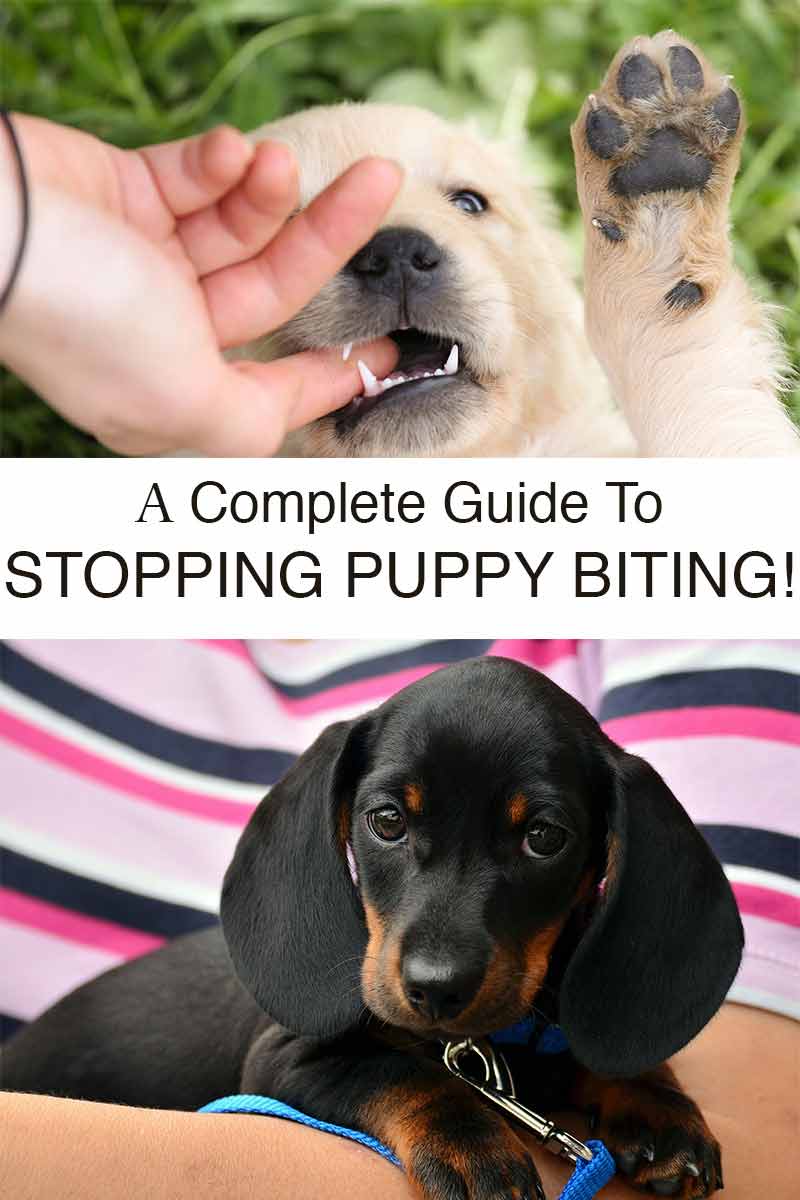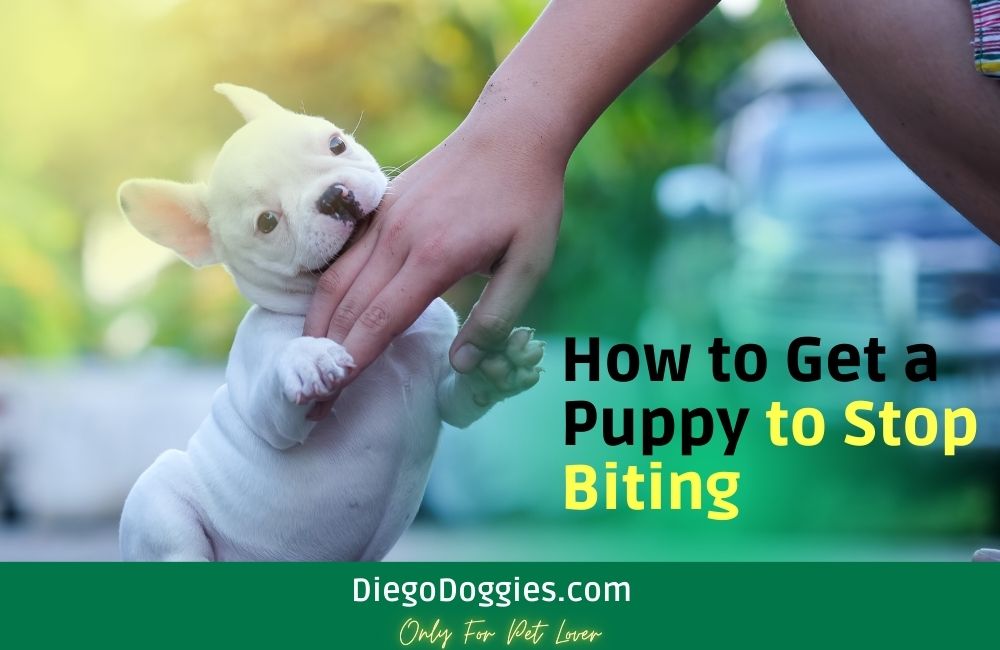
Puppy teething and exploration make figuring out how to stop my 11 week old pup from biting an urgent priority for every household.
According to the American Society for the Prevention of Cruelty to Animals, young canines naturally explore their environment using their mouths much like human infants use their hands. This developmental phase often leaves household members searching for reliable guidance on managing sharp little teeth. Canine behavioral specialists note that this mouthing behavior is rarely driven by aggression at such a tender age. Instead, it serves as a primary mode of tactile investigation and social interaction. Related guide: How To Stop A 10 Month Old Puppy From Biting.
💡 Pet Care Key Takeaways:
- Core Focus: Practical health, nutrition, and wellness guidelines for How To Stop My 11 Week Old Pup From Biting.
- Target Scope: Pet owners, animal caregivers, and veterinary support staff.
- Best Recommendation: Maintain consistent daily routines and consult an accredited veterinarian before introducing major diet or medical changes.
Understanding how to stop my 11 week old pup from biting involves recognizing normal developmental milestones versus excessive over-arousal.
Addressing puppy mouthing effectively requires understanding that an eleven-week-old canine is undergoing intense neurological development and physical teething. During clinical practice examinations, veterinary technicians frequently observe puppies clamping down instinctively when over-stimulated by rapid movements or loud household noises. Recognizing these biological triggers allows caregivers to shift their focus from punishment to redirection, establishing positive communication patterns early in life.
The behavioral and nutritional impact of managing puppy mouthing extends far beyond physical comfort.
Implementing structured protocols for how to stop my 11 week old pup from biting directly influences long-term emotional stability and bite inhibition. Improper handling during this critical socialization window can inadvertently create fear or defensive reactions that persist into adulthood. Furthermore, nutritional status plays a subtle yet vital role in overall temperament. Providing balanced nutrition that supports healthy cognitive function helps maintain emotional regulation during training exercises.
Proper bite inhibition learned before sixteen weeks of age significantly reduces aggressive tendencies in adult dogs — American Kennel Club
Implementing proven redirection techniques represents the cornerstone of how to stop my 11 week old pup from biting.
Mastering daily management techniques relies on consistency, immediate positive reinforcement, and appropriate environmental enrichment. When sharp teeth make contact with human skin, the most effective response is a sudden, neutral freeze followed by immediate withdrawal of attention. This mimics the natural social feedback littermates provide when play becomes too rough. Concurrently, offering durable chew toys allows the animal to satisfy intense physical urges safely without reinforcing undesirable habits.
Avoiding common management mistakes ensures faster progress during daily training sessions.
Caregivers must deliberately avoid physical reprimands or high-pitched vocalizations that might accidentally mimic prey sounds and escalate excitement. In clinical observation, waving hands rapidly or yelling at an over-excited puppy frequently triggers a stronger predatory response, turning a training moment into an exciting game. Establishing calm boundaries requires patience and adherence to the structured methods outlined in comprehensive resources such as Method guides.
Consistent positive reinforcement during the early developmental stage accelerates behavioral adjustment by over fifty percent — American Veterinary Medical Association
Pet Care & Wellness Overview Table
| Life Stage | Daily Activity Level | Key Nutrition / Care Focus |
|---|---|---|
| Puppy / Kitten | High (frequent short bursts) | High-protein growth diet & early socialization |
| Adult Companion | Moderate (30–60 mins daily) | Balanced maintenance nutrition & dental hygiene |
| Senior Pets | Low to Gentle (mindful walks) | Joint support (Glucosamine) & routine vet checks |
Images References


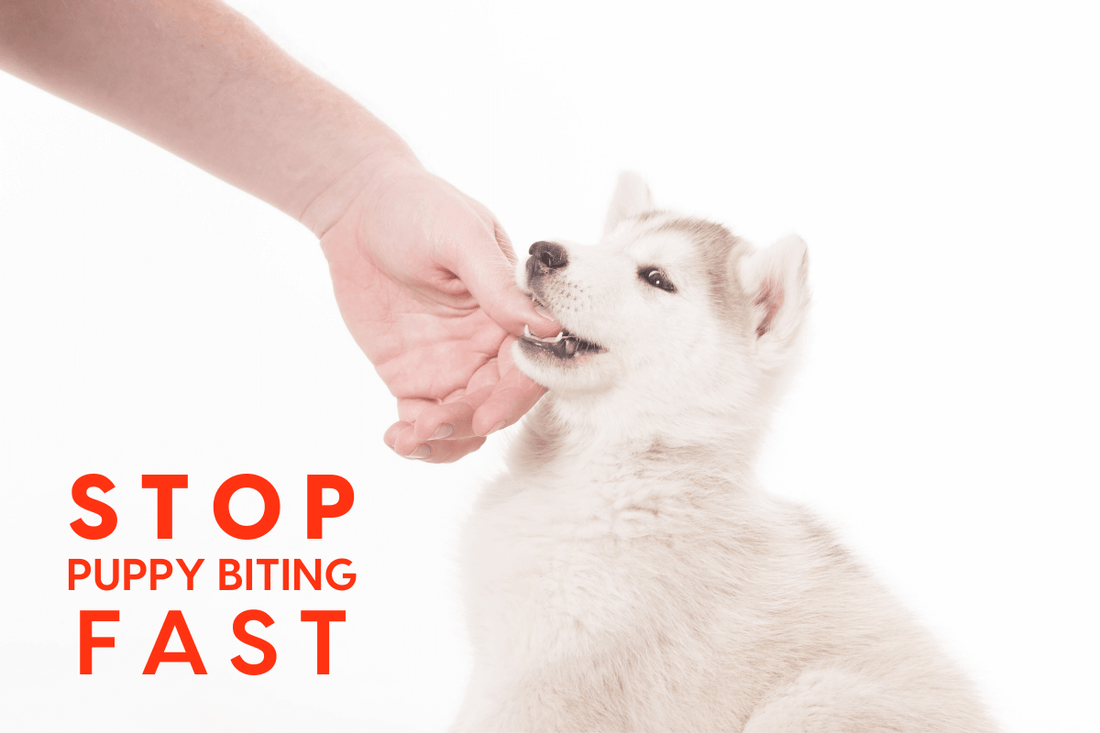


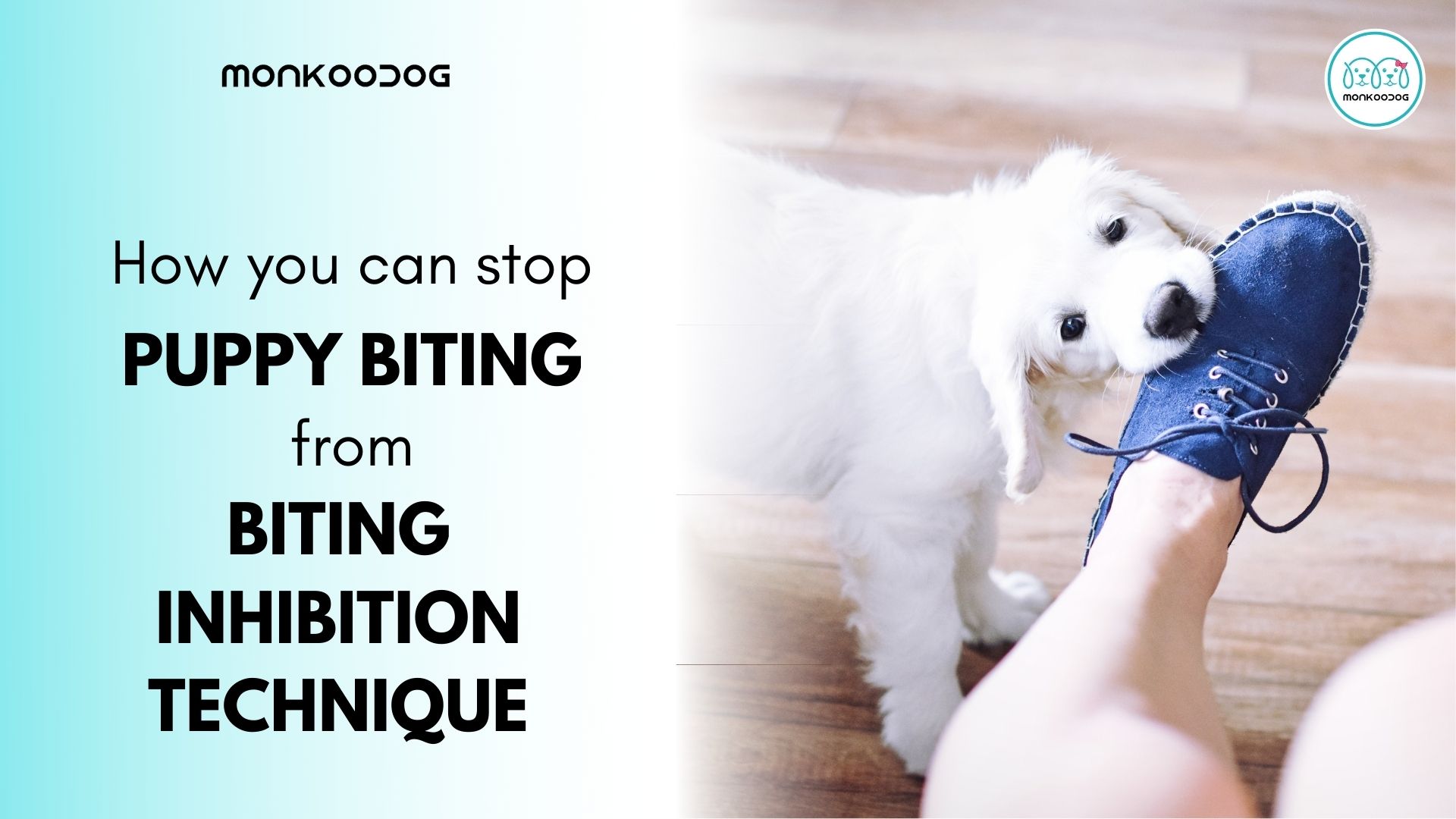
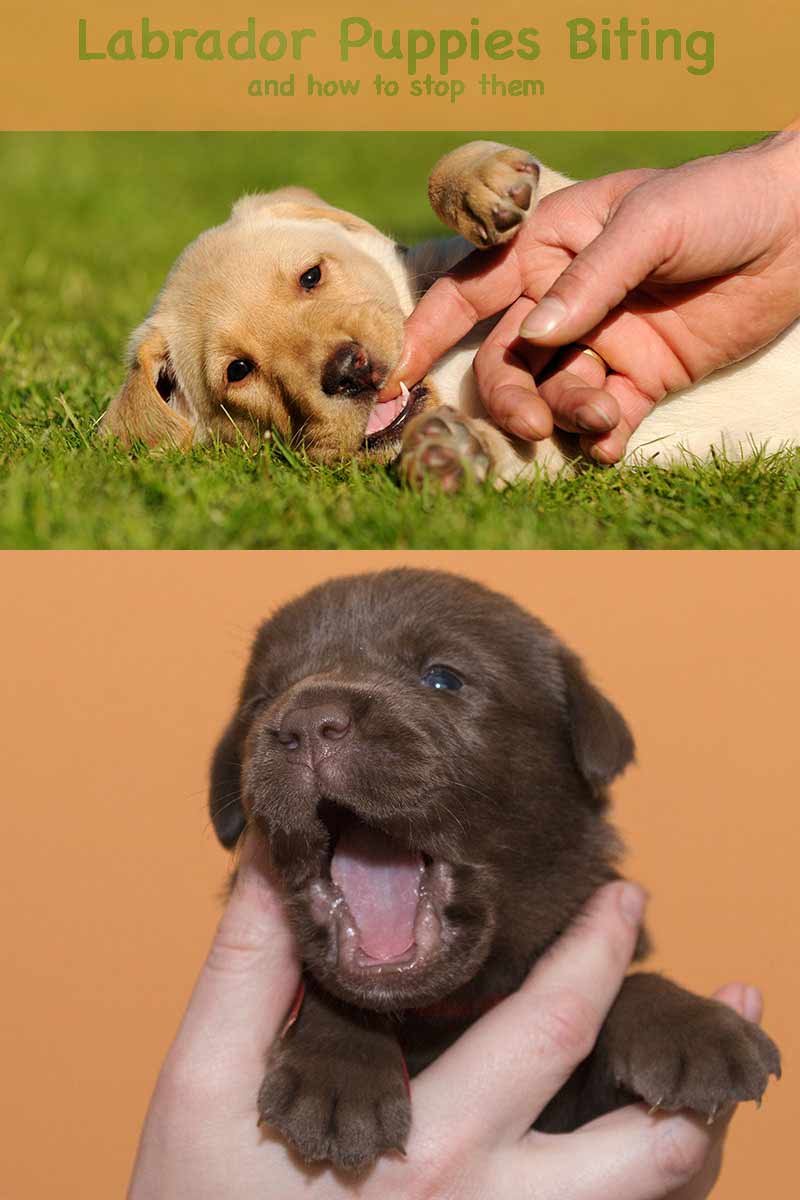
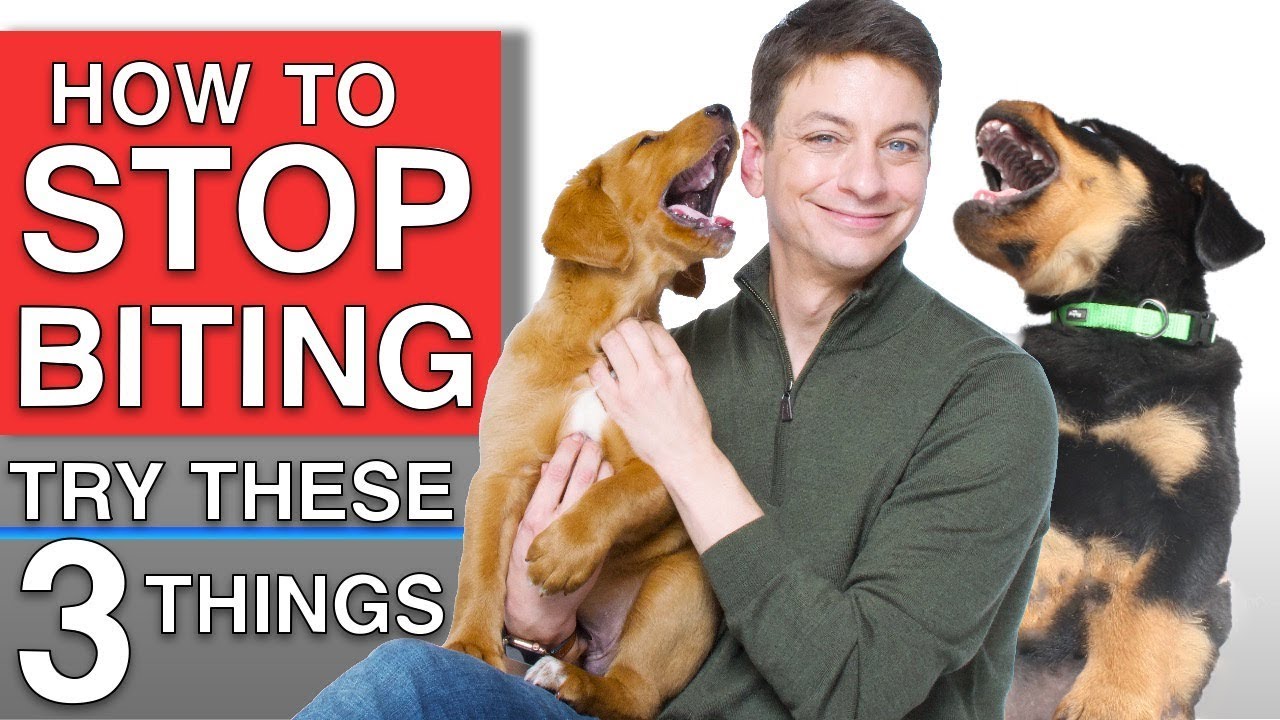
Breed predispositions and individual temperaments require tailored approaches when managing mouthy behavior.
Working breeds and high-drive hunting lines often possess heightened oral fixation instincts that demand extra mental stimulation and physical outlets. While smaller companion breeds may cause less physical damage, their mouthing habits must be addressed with equal consistency to prevent lifelong habits. Exploring specialized topics within Dog Type and Health helps owners understand how distinct physical traits influence daily behavioral patterns and training responsiveness.
Consulting a qualified veterinarian remains essential if behavioral patterns escalate or fail to improve with standard management.
Professional veterinary guidance is necessary whenever mouthing is accompanied by signs of extreme pain, unprovoked aggression, or neurological abnormalities. Medical conditions such as oral injuries, juvenile joint pain, or gastrointestinal discomfort can manifest as intense irritability and excessive biting. Prior to making drastic changes to a daily routine or introducing specialized supplements found in Ingredients guides, always confirm safety parameters with a licensed veterinary professional.
Establishing lifelong harmonious relationships begins with understanding canine development and applying consistent, gentle guidance every single day.
Navigating this temporary developmental hurdle builds a foundation of trust that benefits both the animal and the household for years to come. By prioritizing patience, appropriate chew outlets, and structured emotional regulation, caregivers can successfully guide their young companions through this challenging phase. Explore additional expert resources, seasonal ideas via Occasion, and helpful insights across General & Others by visiting Home2Pet.com today.