
Ankle-biting behavior during daily walks is one of the most frustrating challenges faced by households raising a young canine companion.
According to the American Society for Prevention of Cruelty to Animals, normal developmental play in young dogs frequently includes mouthing, nipping, and chasing moving targets like human feet. Navigating the daily routine with a juvenile pet who treats moving ankles like chew toys turns a relaxing neighborhood stroll into an endurance test. Walking through the hallway becomes an exercise in defensive maneuvering rather than bonding time. Canine behavior professionals recognize this instinctual urge as an expression of normal predatory sequence rehearsal, yet living through it requires robust, positive management strategies. Addressing this dynamic early on safeguards household harmony and establishes clear communication between the human guardian and the growing animal. Related guide: How To Get Puppy To Stop Biting Furniture.
💡 Pet Care Key Takeaways:
- Core Focus: Practical health, nutrition, and wellness guidelines for How To Stop Puppy Biting Your Legs When You Walk.
- Target Scope: Pet owners, animal caregivers, and veterinary support staff.
- Best Recommendation: Maintain consistent daily routines and consult an accredited veterinarian before introducing major diet or medical changes.
Understanding why young dogs attack ankles reveals a mix of predatory drive, overarousal, and environmental reinforcement.
Predatory drift and movement activation are the primary physiological triggers behind a puppy biting your legs when you walk. When shoes shuffle along the carpet or pant legs flutter in the breeze, the visual stimulus mimics scurrying prey. In veterinary behavioral clinics, practitioners frequently observe that herding breeds—such as Border Collies and Australian Shepherds—exhibit this behavior with heightened intensity due to centuries of selective breeding designed to control moving livestock by nipping at heels. Furthermore, young dogs possess limited impulse control. When a person reacts by running away, shouting, or swinging limbs, the animal perceives this reaction as an invitation to a high-value game of chase, thereby reinforcing the undesirable biting cycle.
Failing to address mouthing habits promptly can lead to ingrained aggression, accidental skin punctures, and chronic leash reactivity.
Uncorrected leash mouthing often escalates into severe barrier frustration and defensive handling if physical punishments are mistakenly applied. Veterinary technicians routinely treat scratches and bruises caused by unchecked juvenile teeth, reminding owners that sharp milk teeth can break human skin and introduce unwanted bacteria. Moreover, restricting outdoor access due to fear of the behavior stunts the socialization window, which closes around sixteen weeks of age according to major veterinary behavioral guidelines. Providing proper outlets for mental stimulation remains vital during this sensitive developmental phase. For comprehensive advice on canine wellness, consulting resources via Dog Type and Health helps maintain balanced physical care.
Behavioral studies indicate that consistent positive reinforcement during developmental play reduces unwanted nipping by over seventy percent within four weeks. — American Kennel Club
Implementing structured redirection and stationary freeze protocols successfully diffuses ankle attacks during movement.
Stopping the motion of the feet immediately removes the primary reward for the puppy biting your legs when you walk. When teeth make contact with trousers, the correct response involves freezing like a statue, folding the arms, and avoiding eye contact until the animal disengages. Once all four paws touch the floor and calm behavior resumes, praise the puppy softly or offer a high-value treat low to the ground to establish a new reinforcement pattern. Carrying a designated toy or wooden spoon smeared with an approved dog-safe spreadable substance, such as plain Greek yogurt without xylitol, provides an alternate target that keeps little jaws safely occupied during heel work.
Avoiding common mistakes like running, screaming, or using harsh physical corrections ensures consistent training progress.
Reacting with high-pitched vocalizations or fast movements inadvertently turns the human into a squeaky toy, escalating the animal’s predatory arousal. Physical reprimands, such as holding the muzzle or tapping the nose, often trigger defensive aggression or fear-based biting in sensitive juveniles. Instead, practice patience and utilize management tools like indoor leashes or baby gates to limit chaotic motion in hallways. Reviewing structured techniques found in Method offers additional blueprints for shaping polite leash manners without causing stress.
Juvenile dogs require up to eighteen hours of daily rest; chronic overtiredness is a primary catalyst for hyperactive ankle-biting during walks. — Veterinary Medical Association
Pet Care & Wellness Overview Table
| Life Stage | Daily Activity Level | Key Nutrition / Care Focus |
|---|---|---|
| Puppy / Kitten | High (frequent short bursts) | High-protein growth diet & early socialization |
| Adult Companion | Moderate (30–60 mins daily) | Balanced maintenance nutrition & dental hygiene |
| Senior Pets | Low to Gentle (mindful walks) | Joint support (Glucosamine) & routine vet checks |
Images References
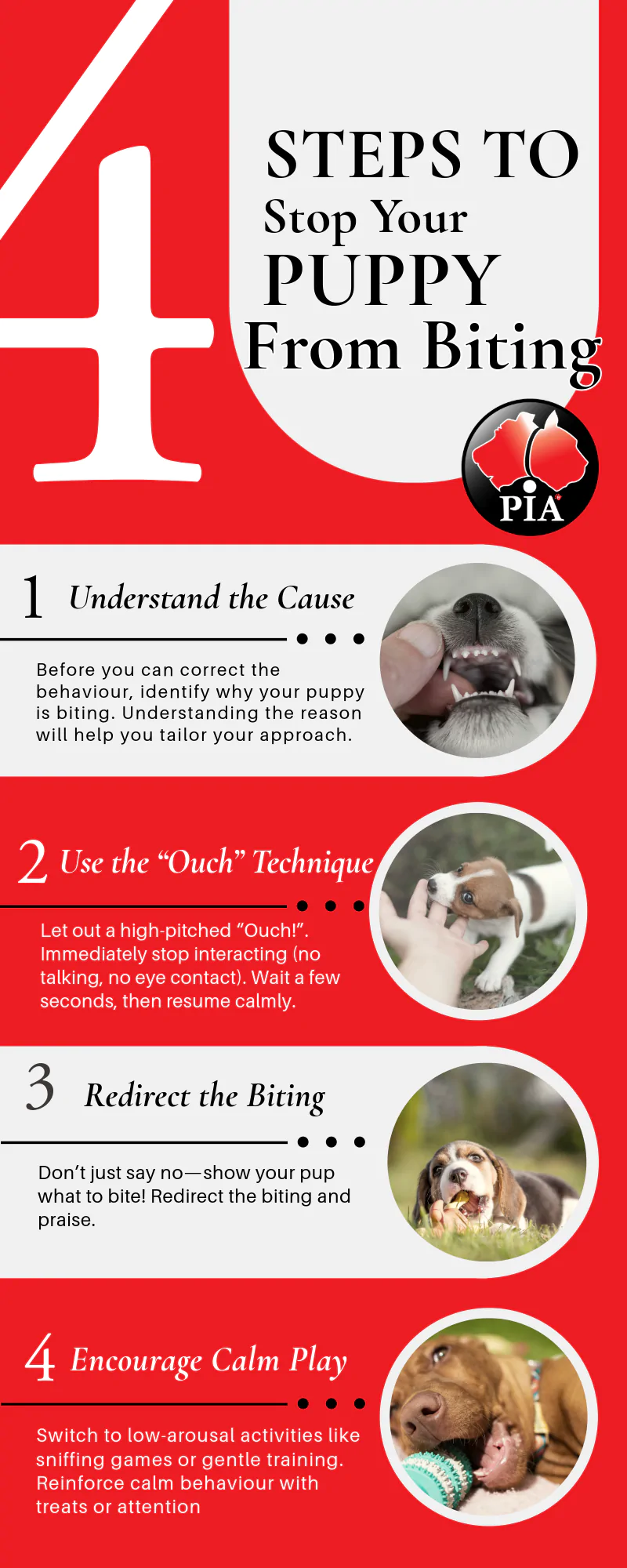



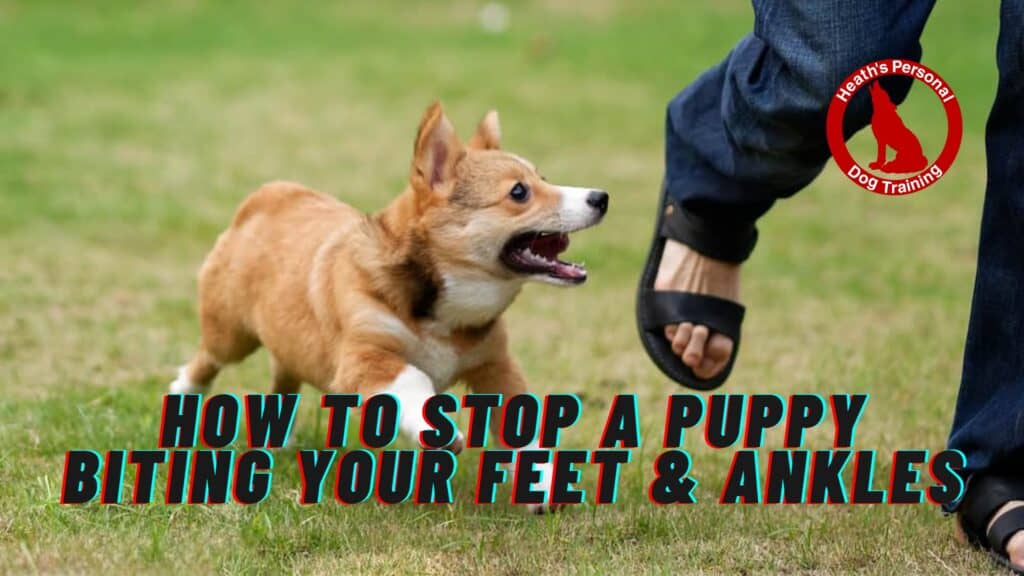



Breed predispositions, physical maturity stages, and underlying health factors significantly influence how intensely a dog engages in leg-biting.
Working and herding groups naturally display higher rates of heel-nipping due to innate genetic wiring. Giant breeds present different safety concerns compared to toy breeds simply due to jaw strength and body weight, requiring durable footwear and sturdy outdoor gear during the teething phase, which typically peaks between four and six months of age. Teething discomfort drives juveniles to seek friction against sensitive gums, making appropriate chew toys an absolute necessity. Dietary sensitivities or nutritional imbalances can also manifest as restless, destructive behaviors; exploring guidance via Ingredients ensures optimal nutritional support for growing bodies.
Professional veterinary guidance becomes essential if biting persists past teething age or stems from genuine fear and aggression.
Consulting a licensed veterinarian or a board-certified veterinary behaviorist is crucial if the nipping fails to diminish with positive management or escalates into growling, stiffening, or snapping. Underlying medical conditions, such as juvenile joint pain, ear infections, or gastrointestinal discomfort, frequently manifest as sudden behavioral changes and reactivity during daily movement. A professional evaluation rules out organic medical causes and ensures safe, customized intervention strategies tailored specifically to the individual animal’s unique health profile.
Establishing a calm, predictable walking routine builds lifelong manners and strengthens the bond between human and animal.
Overcoming the hurdle of juvenile ankle nipping demands consistency, patience, and an understanding of canine developmental psychology. By replacing chaos with structured stationary exercises and appropriate rewards, households can transform stressful neighborhood outings into peaceful daily strolls. Discover more expert guidance and lifestyle tips by visiting Home2Pet.com alongside resources categorized under General & Others and Occasion to support every stage of canine development.


