
Addressing the puzzling habit of a young canine chewing on another dog’s ears requires patience and proper training techniques.
According to the American Society for the Prevention of Cruelty to Animals (ASPCA), behavioral issues in young canines often stem from normal developmental phases like teething, exploratory mouthing, and social bonding. Witnessing a juvenile hound latch onto the ear flaps of a household companion can cause immediate concern for owners. Canine ear tissue is exceptionally delicate, highly vascularized, and prone to rapid injury. Working in clinical veterinary practices reveals that this unusual fixation frequently catches pet parents completely off guard, as they watch their energetic youngster target sensitive body parts. Understanding why this behavior occurs is the first vital step toward establishing peace in a multi-dog household or during puppy socialization sessions. Related guide: How To Get Puppy To Stop Biting Furniture.
💡 Pet Care Key Takeaways:
- Core Focus: Practical health, nutrition, and wellness guidelines for Ifeas Tp Help My Puppy Stop Eating Ears Of Dogs.
- Target Scope: Pet owners, animal caregivers, and veterinary support staff.
- Best Recommendation: Maintain consistent daily routines and consult an accredited veterinarian before introducing major diet or medical changes.
Understanding ifeas tp help my puppy stop eating ears of dogs involves recognizing behavioral redirection and management strategies.
Implementing effective techniques to curb ear-mouthing behaviors means utilizing proven positive reinforcement and environmental management methods. When a young dog fixates on another animal’s pinnae—the external flap of the ear—the underlying motivation is rarely aggression. Instead, this action often reflects hyper-fixation, over-arousal during play, or an unmet need for tactile stimulation. Clinical experience demonstrates that simply yelling or punishing the youngster usually backfires, inadvertently rewarding the behavior through attention. Successfully addressing these actions requires replacing the undesirable target with an appropriate chew toy while actively teaching the juvenile to disengage on cue.
Physical risks and behavioral impacts make addressing ear-chewing essential for canine safety.
Persistent ear-chewing can lead to painful lacerations, localized skin infections, and a chronic condition known as an aural hematoma, which occurs when blood vessels within the ear flap rupture due to trauma. Beyond the physical damage, the recipient dog may eventually reach a breaking point and retaliate, resulting in sudden household aggression. Young canines undergoing rapid skeletal and dental development need safe outlets for their chewing instincts to protect both their own health and the well-being of their peers. Exploring resources related to Dog Type and Health helps owners tailor their management approaches to specific life stages and physical vulnerabilities.
Ear tissues possess an abundance of delicate blood vessels and nerve endings, making them exceptionally vulnerable to trauma, lacerations, and painful hematomas from repeated mouthing. — American Veterinary Medical Association
Implementing structured redirection methods provides a reliable way to curb unwanted ear-mouthing habits.
Establishing consistent household routines helps redirect a puppy’s intense chewing energy away from sensitive canine companions toward durable, safe alternatives. Owners should keep high-value chew items readily available in every room to intercept the behavior before it starts. Practicing basic obedience commands, such as “leave it” or “drop it,” builds impulse control in high-arousal scenarios. Incorporating principles found in Method guidance ensures that training remains positive, structured, and entirely stress-free for all animals involved in the living space.
Preventing common pitfalls during training requires vigilance, consistency, and appropriate environmental controls.
Avoiding accidental reinforcement of unwanted chewing behaviors is critical for long-term behavioral modification success. A frequent mistake involves running after the youngster or using high-pitched vocalizations that the canine interprets as an invitation to play a game of chase. Supervision should be absolute and uninterrupted during early socialization periods, utilizing baby gates or designated exercise pens whenever close monitoring is impossible. Investigating specialized Ingredients in calming treats or long-lasting chews can also help satisfy oral fixations safely.
Consistent positive reinforcement training significantly accelerates behavioral modification in juvenile canines compared to traditional punitive methods. — American Kennel Club
Pet Care & Wellness Overview Table
| Life Stage | Daily Activity Level | Key Nutrition / Care Focus |
|---|---|---|
| Puppy / Kitten | High (frequent short bursts) | High-protein growth diet & early socialization |
| Adult Companion | Moderate (30–60 mins daily) | Balanced maintenance nutrition & dental hygiene |
| Senior Pets | Low to Gentle (mindful walks) | Joint support (Glucosamine) & routine vet checks |
Images References


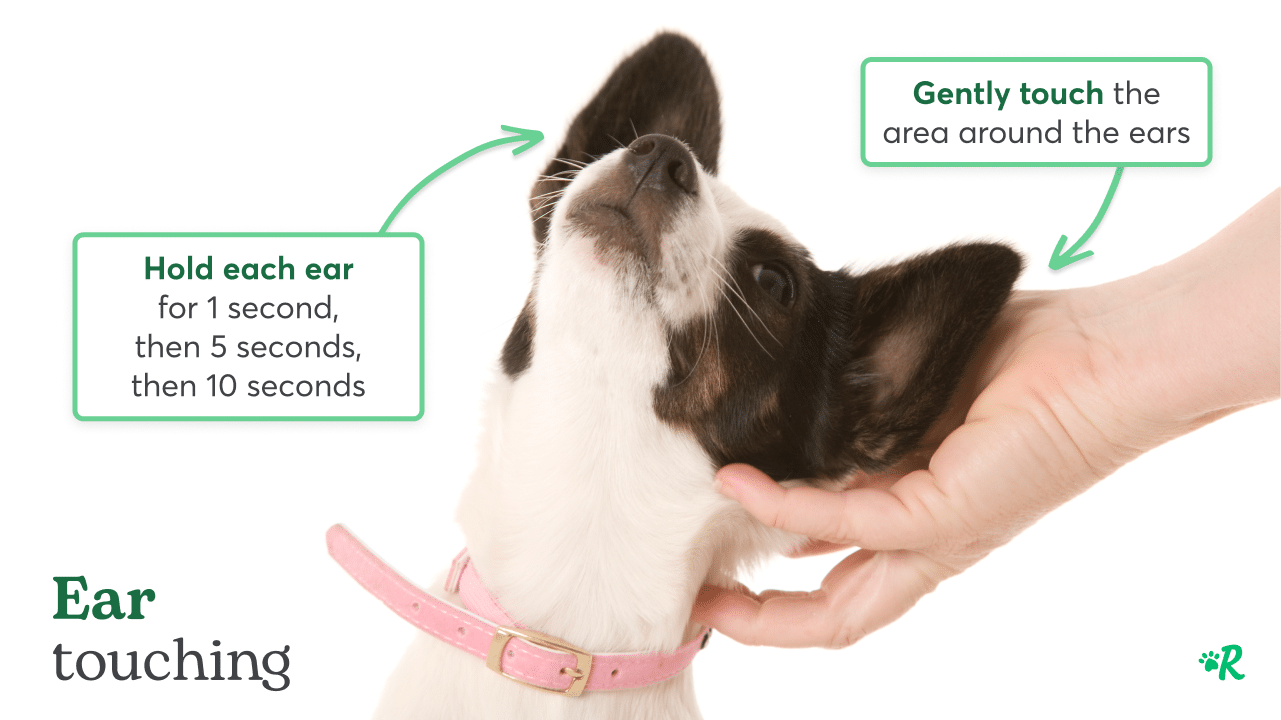


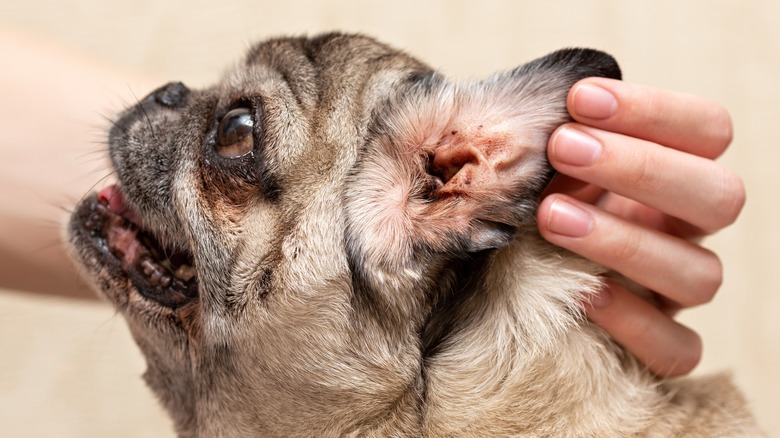


Breed characteristics, individual size differences, and overall health status heavily influence juvenile chewing behaviors.
Working-group breeds and sporting dogs often possess high energy levels and intense oral fixations that manifest as persistent mouthing and nipping during their first year of life. Smaller toy breeds targeted by larger youngsters face heightened risks of injury due to significant disparities in body mass and bite strength. Furthermore, an underlying medical issue, such as dental pain or nutritional deficiencies, can occasionally trigger obsessive chewing tendencies. Reviewing lifestyle factors through Occasion insights allows caretakers to adjust physical and mental enrichment routines to match daily energy fluctuations.
Professional veterinary evaluation becomes necessary if the ear-chewing behavior persists despite consistent household intervention.
Consulting a qualified veterinarian or a certified applied animal behaviorist ensures that any underlying medical conditions or severe behavioral compulsions are properly diagnosed and treated. Professional guidance is especially crucial if the recipient dog shows signs of skin damage, chronic ear infections, or escalating stress responses. Veterinarians can perform thorough physical examinations, recommend safe topical barriers or deterrent sprays tailored to individual health profiles, and develop customized behavior modification plans. Maintaining open communication with healthcare teams safeguards the harmonious coexistence of all pets in the home.
Building a balanced, harmonious environment relies on continuous education and dedicated multi-pet management.
Fostering a peaceful home where young canines and adult dogs thrive together demands ongoing commitment, environmental awareness, and positive reinforcement strategies. Exploring comprehensive advice across General & Others sections supports pet parents in navigating everyday domestic challenges with confidence. Visiting Home2Pet.com regularly connects dedicated animal lovers with trusted, expert-backed resources designed to enhance the health, safety, and happiness of every four-legged family member.


