
Understanding the roots of canine protective aggression in the domestic environment requires a calm and balanced approach.
According to the American Veterinary Medical Association, canine behavioral issues remain a primary concern for pet owners seeking harmonious multi-species households. When a beloved companion begins displaying defensive behaviors toward visitors, household members, or other animals, the situation can quickly escalate from stressful to dangerous. Observing dogs in clinical and shelter environments reveals that excessive guarding rarely stems from pure malice. Instead, these reactions are usually fueled by insecurity, fear, or a misguided sense of duty. Exploring balanced training principles, such as those popularized by renowned behaviorist Cesar Millan, helps caregivers understand how to stop dog doing protective biting by addressing the underlying psychological triggers rather than merely suppressing the outward symptoms. Establishing a foundation of clear communication ensures that the animal feels secure enough to relinquish the role of self-appointed security guard.
💡 Pet Care Key Takeaways:
- Core Focus: Practical health, nutrition, and wellness guidelines for Cesar Milan How To Stop Dog Doing Protective Biting.
- Target Scope: Pet owners, animal caregivers, and veterinary support staff.
- Best Recommendation: Maintain consistent daily routines and consult an accredited veterinarian before introducing major diet or medical changes.
Recognizing protective biting involves identifying the specific emotional triggers that cause a dog to act out defensively.
Defensive biting is a reactive behavior where a canine attempts to create distance from a perceived threat to territory, food, toys, or human companions. Unlike predatory aggression, which is silent and focused, protective aggression is typically accompanied by vocalizations like growling, stiff body language, and hard stares. During hands-on behavioral assessments, clinicians frequently notice that reactive canines often lack clear boundaries and reliable leadership within the household structure. When an animal believes it is responsible for managing the environment, every knock on the door or approaching stranger becomes an immediate crisis to manage. Mastering cesar milan how to stop dog doing protective biting means teaching the animal to surrender control back to the human handler, thereby alleviating the heavy psychological burden of guarding.
Underlying stress and chronic anxiety play a massive role in shaping aggressive canine responses.
Unchecked behavioral issues can severely impact an animal’s overall physiological well-being by keeping stress hormones like cortisol and adrenaline perpetually elevated. This constant state of physiological arousal not only triggers digestive upsets and weakened immunity but also makes the nervous system hyper-sensitive to minor environmental changes. Examining nutritional profiles alongside behavioral interventions is crucial, as balanced diets and natural supplements can sometimes help soothe an overactive nervous system. Guidance regarding specific dietary adjustments or calming aids should always be confirmed with a qualified veterinarian to ensure suitability for the individual animal’s age, breed, and health status. Furthermore, managing the home environment correctly prevents the rehearsal of unwanted habits, protecting both the animal and the public.
Chronic stress and elevated cortisol from unmanaged behavioral issues can significantly impact canine immune health and longevity — American Veterinary Medical Association
Implementing structured leadership techniques helps modify aggressive defensive responses safely and effectively.
Calm, assertive energy combined with predictable routines creates the structural framework needed to rehabilitate a reactive animal. Initiating changes starts with mastering proper leash handling, utilizing safe muzzle training during desensitization sessions, and establishing designated place commands that keep the animal physically and mentally grounded. Rather than reacting with frustration or physical punishment, which tends to validate the dog’s fear that a threat is indeed present, handlers must project steady confidence. Introducing structured socialization through the Method section resources allows owners to practice controlled exposures without overwhelming the animal’s coping mechanisms. Consistency in enforcing these boundaries every single day transforms the animal’s perception of authority within the family dynamic.
Avoiding common pitfalls requires patience, emotional regulation, and strict adherence to safety protocols.
Many well-meaning owners inadvertently reinforce defensive biting by comforting or coddling the animal during an outburst, which the dog interprets as praise for the aggressive display. Another frequent mistake is rushing introductions or exposing the reactive canine to high-stress triggers before foundational obedience commands are thoroughly reliable. Practicing patience is vital because behavioral modification is a marathon rather than a sprint; setbacks will happen, requiring the handler to reset and proceed more slowly. Keeping interactions low-energy and utilizing positive reinforcement alongside boundary-setting prevents confusion and builds mutual trust. Exploring broader insights via General & Others can further assist caregivers in maintaining a balanced household environment.
Proper behavioral rehabilitation and structured socialization significantly reduce the incidence of severe bite incidents in domestic dogs — American Kennel Club
Pet Care & Wellness Overview Table
| Life Stage | Daily Activity Level | Key Nutrition / Care Focus |
|---|---|---|
| Puppy / Kitten | High (frequent short bursts) | High-protein growth diet & early socialization |
| Adult Companion | Moderate (30–60 mins daily) | Balanced maintenance nutrition & dental hygiene |
| Senior Pets | Low to Gentle (mindful walks) | Joint support (Glucosamine) & routine vet checks |
Images References
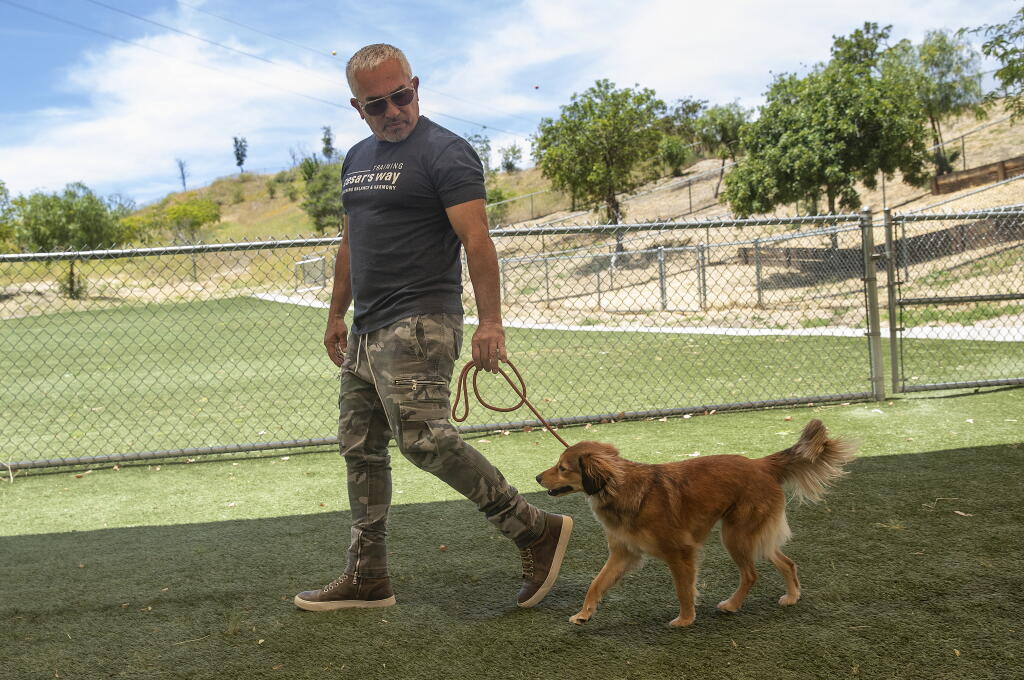
Breed predispositions and individual life stages heavily influence how protective behaviors manifest in the home.
Certain guardian and working breeds possess a genetically hardwired instinct to protect their property and pack, making early intervention doubly important for these types of dogs. Guarding tendencies often emerge or intensify during adolescence, a critical developmental window when canines test boundaries and experience hormonal shifts. Senior animals may also exhibit sudden protective or defensive biting due to age-related cognitive decline, failing eyesight, or painful medical conditions like arthritis. Tailoring the approach to suit the specific physical and psychological profile of the animal ensures a much higher rate of success. For further guidance on matching training approaches to specific physiological needs, consult the Dog Type and Health archives.
Consulting a veterinary professional is essential whenever sudden or severe aggression appears in a pet.
Professional veterinary guidance is paramount because physical pain, neurological disorders, and underlying illnesses are frequent instigators of sudden behavioral changes in domestic animals. A comprehensive physical examination rules out hidden medical issues before any specialized training regimen is initiated. In severe cases of protective aggression, partnering with a certified veterinary behaviorist ensures that any medication plans, if deemed appropriate by the clinician, are administered safely. Never attempt to handle extreme aggression without professional supervision, as human safety must always remain the top priority. Reviewing safe ingredient options for calming treats in the Ingredients section can also provide helpful context for supporting nervous pets under veterinary supervision.
Establishing long-term harmony relies on consistent leadership, safe management, and ongoing environmental enrichment.
Overcoming defensive behaviors requires dedication, emotional stability, and a willingness to learn how to communicate effectively with a canine companion. By combining calm assertive leadership with structured routines, caregivers can successfully neutralize triggers and create a peaceful living space for everyone involved. Exploring additional educational tools and resources on Home2Pet.com empowers pet owners to provide the highest standard of care throughout every stage of their animal’s life. Embrace the journey of understanding canine psychology, celebrate small victories along the way, and always prioritize safety and mutual respect in daily interactions.


