
Natural Pest Control Starts With Safe Grooming Choices
According to the American Veterinary Medical Association, seasonal pest management remains one of the most common reasons pet owners seek guidance on topical care. Finding gentle ways to manage external parasites without harsh chemicals often leads many caregivers toward natural alternatives. Dogs frequently pick up unwanted hitchhikers during routine outdoor explorations, making effective bath time routines a cornerstone of proactive wellness. Working closely with rescue dogs over the years has shown that many canines experience skin irritation from commercial insecticides, which makes botanical washes an appealing option. Crafting a soothing cleanser at home allows owners to maintain complete control over every ingredient that touches their canine companion’s skin. Transitioning to a botanical washing routine requires careful attention to skin sensitivity, coat texture, and the specific types of crawling insects found in the yard. Ultimately, understanding how to cleanse the coat safely helps protect both the physical barrier of the skin and the overall comfort of the animal.
💡 Pet Care Key Takeaways:
- Core Focus: Practical health, nutrition, and wellness guidelines for Homemade Dog Shampoo For Fleas Andvticks.
- Target Scope: Pet owners, animal caregivers, and veterinary support staff.
- Best Recommendation: Maintain consistent daily routines and consult an accredited veterinarian before introducing major diet or medical changes.
Homemade dog shampoo for fleas andvticks refers to DIY botanical washes formulated with natural deterrents
Homemade dog shampoo for fleas andvticks refers to DIY botanical washes formulated with natural deterrents like castile soap, diluted apple cider vinegar, and specific organic essential oils. These washes rely on strong aromatic profiles to repel common ectoparasites—organisms that live on the outer surface of a host—rather than relying on synthetic neurotoxins to kill them. Castile soap, derived from vegetable oils, serves as a gentle surfactant that lifts dirt and debris without stripping the natural lipid barrier of the canine epidermis. Vinegar helps restore the acidic mantle of the skin, creating an unfavorable environment for biting insects while adding a glossy sheen to the fur. Through hands-on grooming practice, it becomes clear that while these mixtures effectively cleanse and temporarily repel pests, they function primarily as a physical barrier rather than a permanent systemic preventative. Consequently, recognizing the limitations of DIY solutions ensures that pet owners maintain realistic expectations regarding parasite elimination.
Botanical washes impact canine skin health and comfort by avoiding synthetic chemical irritants
Botanical washes impact canine skin health and comfort by avoiding synthetic chemical irritants that frequently trigger allergic dermatitis in sensitive breeds. Many commercial pest treatments contain concentrated pesticides that can accumulate in the lipid layers of the skin, occasionally causing localized redness, itching, or even systemic distress. By utilizing plant-based ingredients, caregivers support the skin microbiome while maintaining the protective oils necessary for a resilient coat. Nevertheless, caution is paramount when introducing botanical elements, as natural substances can still provoke adverse reactions if misused. For instance, certain aromatic extracts can be toxic if absorbed through broken skin or ingested during grooming sessions. Careful formulation ensures that the pH balance of the canine skin, which ranges from roughly 6.2 to 7.5, remains undisturbed throughout the washing process.
Topical essential oils must be heavily diluted to prevent chemical burns, dermal irritation, and systemic toxicity in domestic canines. — American Kennel Club
Preparing and applying homemade dog shampoo for fleas andvticks requires careful dilution and thorough rinsing
Preparing and applying homemade dog shampoo for fleas andvticks requires careful dilution and thorough rinsing to ensure maximum efficacy and safety. A standard base typically combines mild liquid castile soap with warm water and skin-safe herbal infusions, such as diluted rosemary or lavender water. When mixing these components, precise measurements must be observed to avoid creating an overly concentrated solution that could strip the coat. During the bath, the mixture should be massaged gently into the fur, starting from the neck and working backward toward the tail while avoiding the sensitive eye and ear areas. Allowing the lather to sit for a brief interval before rinsing gives the botanical extracts time to exert their natural repellent properties. Furthermore, thorough rinsing is non-negotiable, as residual soap or plant matter left on the skin can trap dirt and attract more pests or cause severe itching.
Avoiding common formulation mistakes ensures a safe and effective grooming experience
Avoiding common formulation mistakes ensures a safe and effective grooming experience without compromising the health of the animal. One frequent error involves using human shampoos, which possess a much higher acidity level that disrupts the delicate canine skin barrier and invites bacterial growth. Another critical pitfall is the inclusion of unapproved essential oils like pennyroyal, tea tree, or wintergreen, which are known toxins that can cause severe hepatic stress in dogs. When exploring different cleansing methods, always cross-reference recipes with trusted veterinary resources found on Method to guarantee proper safety standards. Additionally, skipping the patch test is a dangerous shortcut; always test a small, hidden area of skin at least twenty-four hours before a full-body bath. Paying attention to these foundational rules prevents accidental poisonings and guarantees a soothing experience for the animal.
Tea tree oil and pennyroyal are highly toxic to domestic dogs, capable of causing severe neurological and hepatic damage if applied topically or ingested. — ASPCA Animal Poison Control Center
Pet Care & Wellness Overview Table
| Life Stage | Daily Activity Level | Key Nutrition / Care Focus |
|---|---|---|
| Puppy / Kitten | High (frequent short bursts) | High-protein growth diet & early socialization |
| Adult Companion | Moderate (30–60 mins daily) | Balanced maintenance nutrition & dental hygiene |
| Senior Pets | Low to Gentle (mindful walks) | Joint support (Glucosamine) & routine vet checks |
Images References
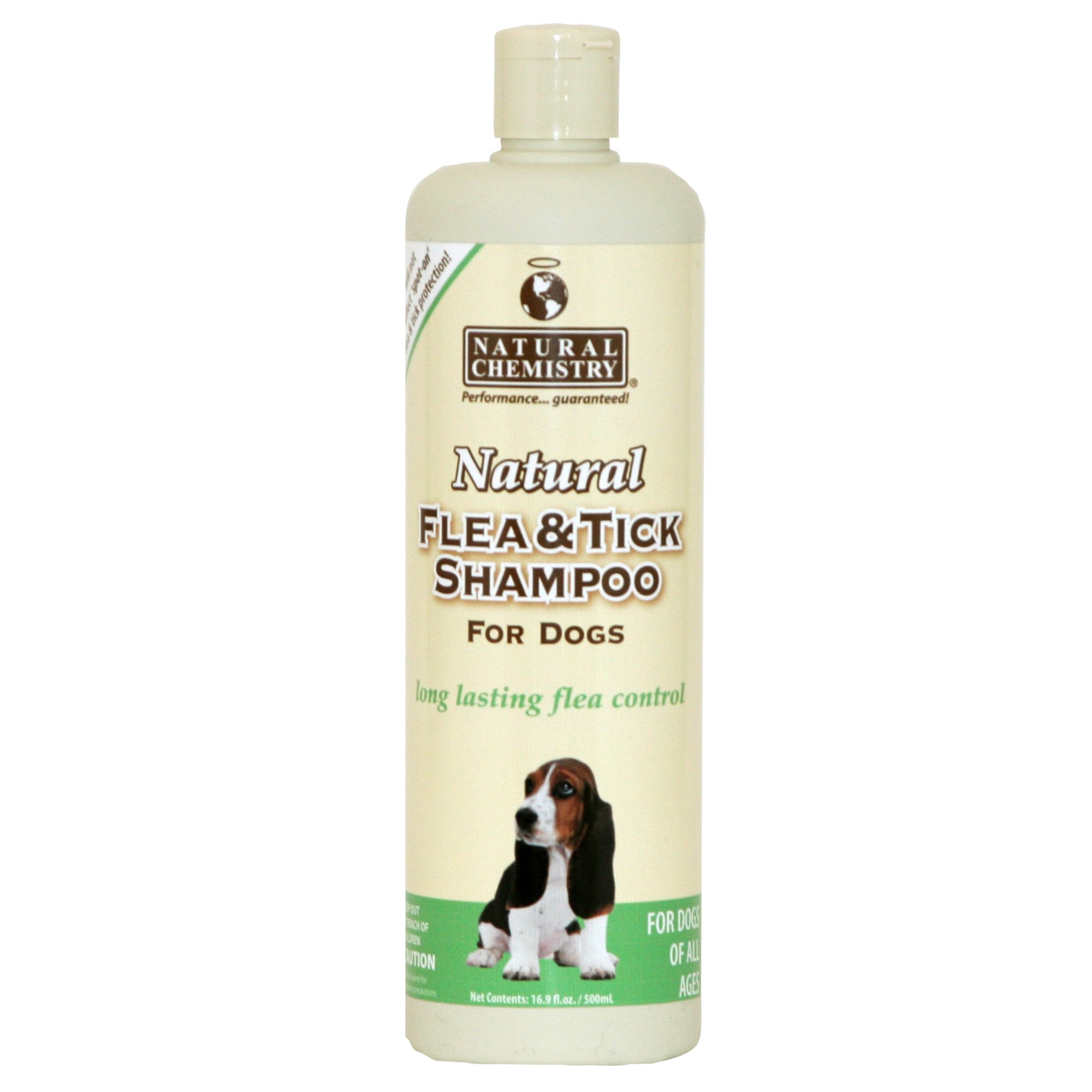
Breed, size, age, and health condition considerations dictate the safety of DIY grooming products
Breed, size, age, and health condition considerations dictate the safety of DIY grooming products, as smaller or younger animals absorb topical substances much more rapidly than robust adults. Toy breeds, puppies, and geriatric dogs possess thinner skin barriers, making them exceptionally vulnerable to the systemic absorption of potent botanical compounds. Breeds with pre-existing skin conditions, such as atopic dermatitis or chronic yeast infections, require specialized veterinary shampoos rather than general homemade formulations. For guidance tailored to specific physical traits and wellness levels, consulting Dog Type and Health helps clarify which cleansing approaches suit unique canine profiles. Moreover, pregnant or nursing females should never be washed with strong aromatic pest deterrents, as the scents can disrupt maternal recognition or harm developing puppies. Tailoring every grooming decision to the individual animal’s life stage prevents unforeseen complications.
When to consult a vet — always include this
When to consult a vet — always include this: professional medical advice must be sought immediately if a dog exhibits signs of a severe flea infestation, tick-borne illness, or an adverse reaction to a topical wash. DIY solutions are not medical treatments and cannot replace veterinary prescription preventatives in areas with high tick populations or heavy parasite loads. If a dog displays persistent scratching, hair loss, lethargy, or swollen lymph nodes after a bath, discontinue the homemade shampoo and schedule a veterinary evaluation right away. Safe ingredient selection is deeply tied to the broader principles outlined in Ingredients, where quality and purity take precedence. Veterinarians can accurately diagnose underlying skin pathogens and recommend safe, targeted interventions that complement home care routines.
Closing — link to Home2Pet resources
Maintaining a healthy, comfortable coat requires a balanced approach that combines thoughtful grooming practices with expert guidance. Exploring the extensive resources available on Home2Pet.com empowers owners to make informed choices for every Occasion and daily care need. For additional tips on overall wellness and safe household maintenance, visit General & Others to support a thriving companion animal lifestyle.


