
Flea Tick and Mosquito Repellent for Dogs
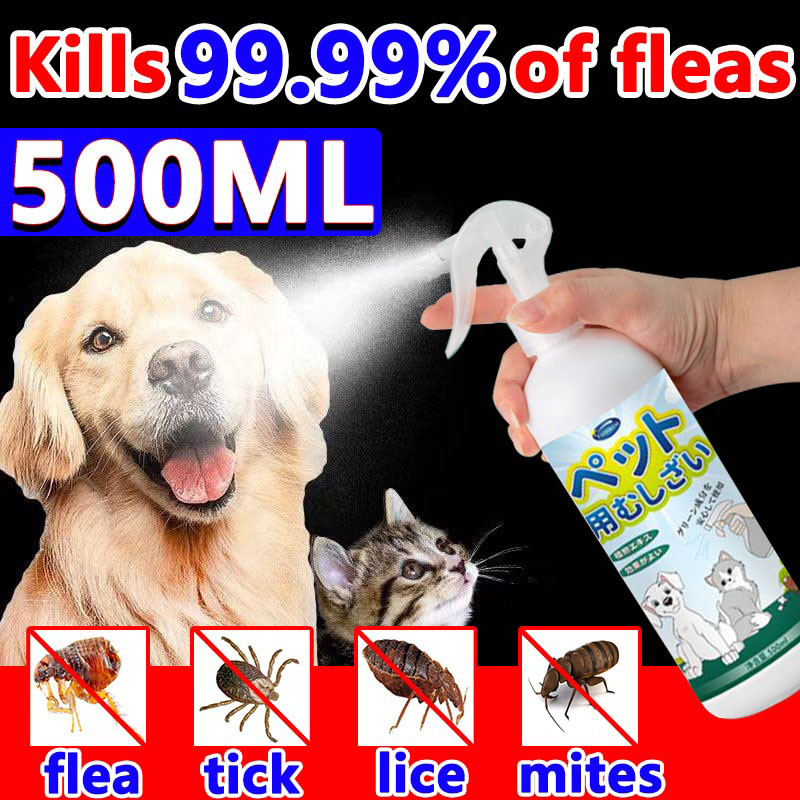
Protecting our canine companions from pesky parasites like fleas, ticks, and mosquitoes is paramount for their health and well-being. These tiny creatures are more than just an annoyance; they can transmit diseases, cause skin irritation, and even lead to serious health complications. Fleas can cause allergic dermatitis and transmit tapeworms, while ticks are notorious for spreading Lyme disease, Ehrlichiosis, and Rocky Mountain Spotted Fever. Mosquitoes, though primarily known for being a nuisance, can transmit heartworm, a potentially fatal condition for dogs. Therefore, using an effective flea tick and mosquito repellent for dogs is crucial for responsible pet ownership. Its not just about comfort; its about safeguarding your dog’s long-term health and happiness. Ignoring preventative measures can lead to costly vet bills and, more importantly, unnecessary suffering for your beloved furry friend. Choosing the right repellent can make all the difference in ensuring your dog enjoys a happy, healthy, and parasite-free life.
💡 Pet Care Key Takeaways:
- Core Focus: Practical health, nutrition, and wellness guidelines for Flea Tick And Mosquito Repellent For Dogs.
- Target Scope: Pet owners, animal caregivers, and veterinary support staff.
- Best Recommendation: Maintain consistent daily routines and consult an accredited veterinarian before introducing major diet or medical changes.
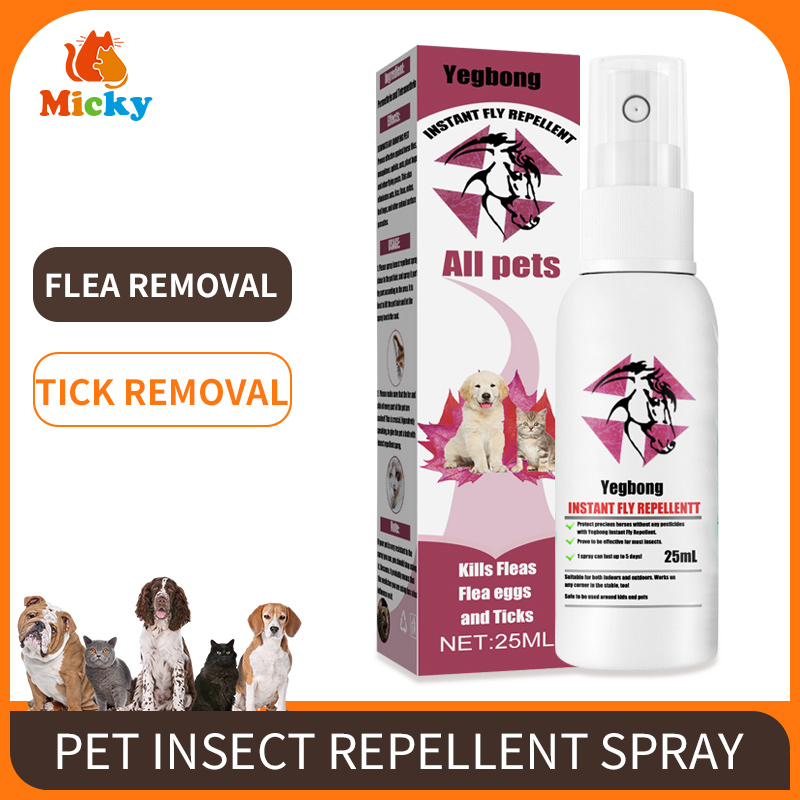
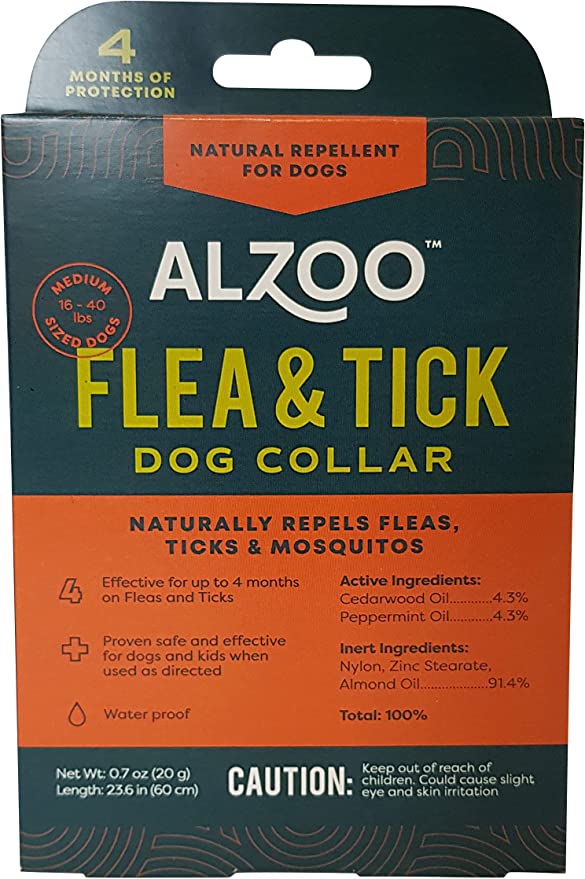
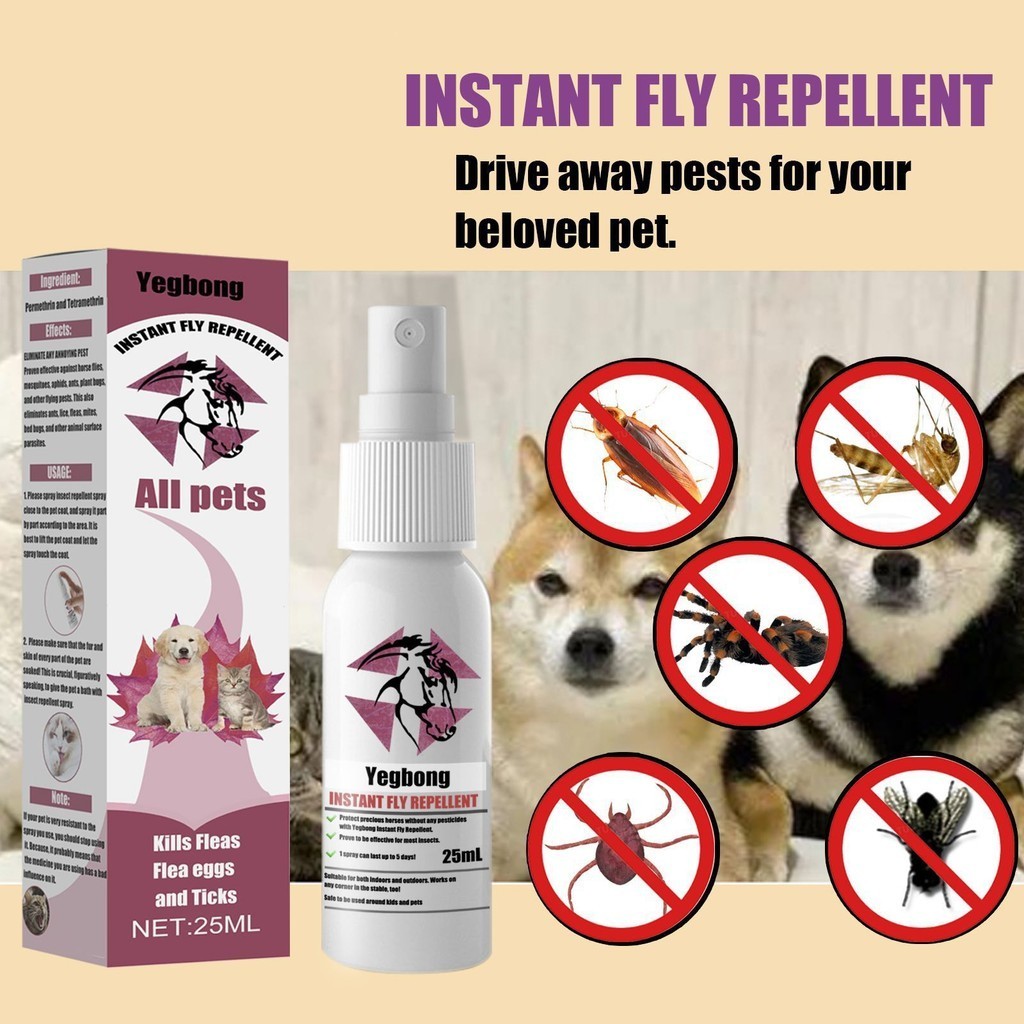
The health benefits of using a reliable flea tick and mosquito repellent for dogs extend far beyond simply preventing itchy bites. A good repellent will significantly reduce the risk of your dog contracting debilitating diseases carried by these parasites. By repelling these pests, you’re protecting your dog from conditions like Lyme disease, heartworm, and various bacterial infections. Key considerations when choosing a repellent include its active ingredients. Some repellents utilize chemicals like pyrethrins or permethrin, while others opt for natural ingredients like essential oils. Its essential to research and understand the potential side effects and choose a product appropriate for your dog’s age, breed, and health status. Furthermore, consider the application method. Options range from topical treatments and collars to oral medications and sprays. Each method has its pros and cons, so consider your lifestyle and your dogs tolerance. Always consult with your veterinarian before starting any new preventative treatment to ensure it is safe and effective for your individual dog. They can help you navigate the different options and recommend the best course of action. Related guide: How To Train An Aggressive Puppy Not To Bite.
For dog owners, applying flea tick and mosquito repellent for dogs correctly is just as important as choosing the right product. Always follow the manufacturers instructions carefully, paying close attention to dosage and application frequency. When using topical treatments, be sure to apply the product to areas where your dog cannot easily lick it off, such as between the shoulder blades. Regularly check your dog for any signs of irritation or allergic reaction after applying the repellent. Additionally, remember that no repellent is 100% effective. Regularly inspect your dog’s coat for ticks, especially after spending time outdoors. Use a tick removal tool to safely remove any ticks you find, and clean the area thoroughly. Maintaining a clean environment, both indoors and outdoors, can also help reduce the risk of infestation. Regularly vacuum your home and mow your lawn to minimize breeding grounds for these pests. By combining effective repellent use with diligent monitoring and environmental control, you can provide your dog with optimal protection.
Pet Care & Wellness Overview Table
| Life Stage | Daily Activity Level | Key Nutrition / Care Focus |
|---|---|---|
| Puppy / Kitten | High (frequent short bursts) | High-protein growth diet & early socialization |
| Adult Companion | Moderate (30–60 mins daily) | Balanced maintenance nutrition & dental hygiene |
| Senior Pets | Low to Gentle (mindful walks) | Joint support (Glucosamine) & routine vet checks |
Images References




For more expert pet care tips and advice, check out our dedicated Dog Type and Health guides to keep your companions healthy and happy.


