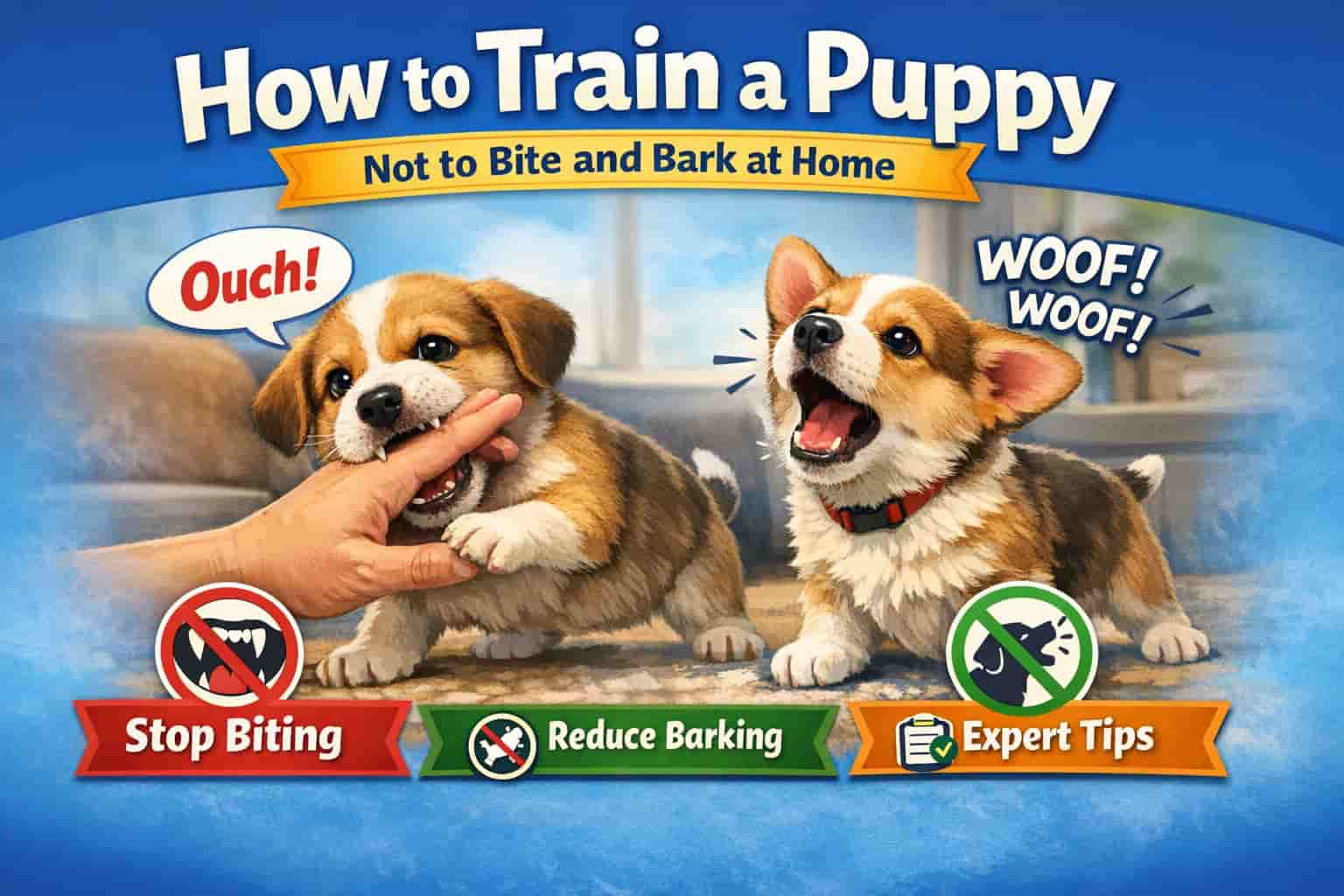
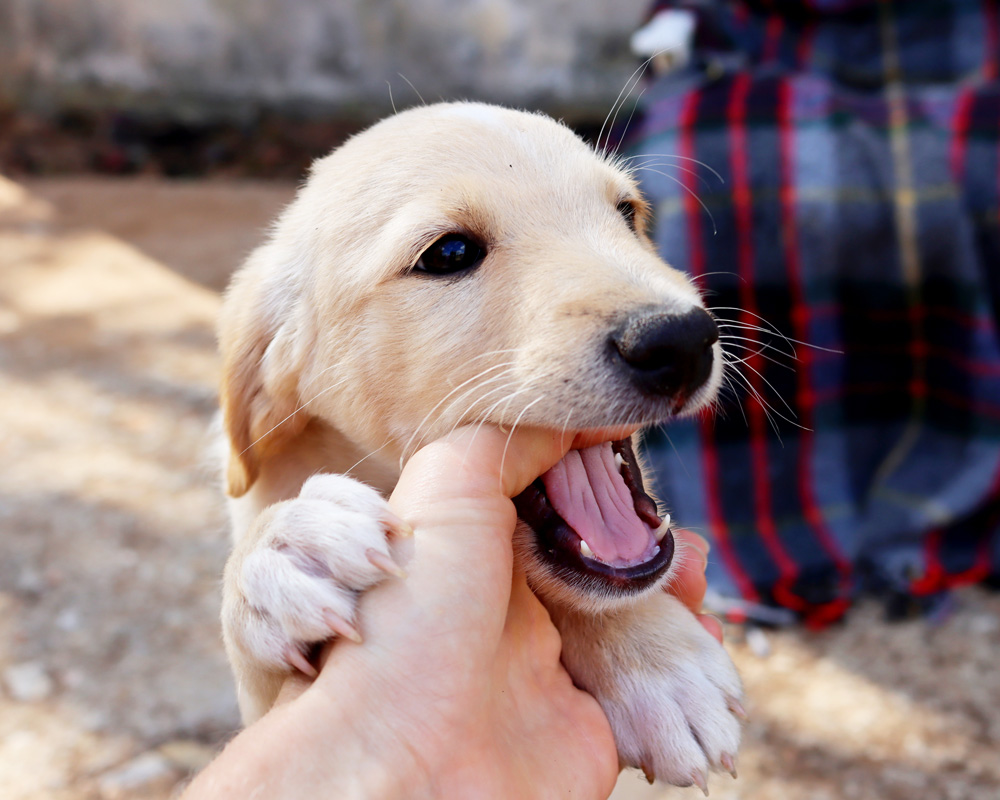
Understanding why puppy’s bite on house things is essential for maintaining household harmony and ensuring proper canine development.
According to the American Veterinary Medical Association, early behavioral guidance significantly reduces destructive chewing habits in juvenile canines. Canines explore their surrounding environments primarily through oral investigation. When sharp little teeth sink into furniture legs or favorite shoes, it often sparks frustration among household members. Recognizing the biological drives behind this common behavior transforms annoyance into proactive management. Years of clinical observation reveal that young dogs left entirely unsupervised will inevitably target household items due to simple accessibility and sensory curiosity. Implementing structured daily routines helps redirect this intense oral fixation toward appropriate outlets before permanent damage occurs. Related guide: Dog Birthday Cake Recipe No Eggs.
💡 Pet Care Key Takeaways:
- Core Focus: Practical health, nutrition, and wellness guidelines for Why Puppy’S Bite On House Things.
- Target Scope: Pet owners, animal caregivers, and veterinary support staff.
- Best Recommendation: Maintain consistent daily routines and consult an accredited veterinarian before introducing major diet or medical changes.
Exploring why puppy’s bite on house things reveals a natural developmental phase rooted in teething and sensory exploration.
Teething discomfort is the primary trigger behind why puppy’s bite on house things during the first several months of life. Between twelve weeks and six months of age, deciduous milk teeth fall out to make way for permanent adult teeth. Applying pressure to cool surfaces or sturdy materials temporarily numbs inflamed gums, offering physical relief from the pain of incoming teeth. Beyond dental development, juvenile dogs lack hands, meaning the mouth serves as the ultimate tool for grasping, tasting, and understanding texturing. Practical experience in veterinary clinics demonstrates that soft wooden baseboards and textured rugs frequently become prime targets simply because they provide immediate tactile feedback to aching jaws.
Addressing why puppy’s bite on house things prevents dangerous gastrointestinal blockages and nutritional imbalances.
Destructive chewing poses severe health risks when foreign objects like drywall, plastic fragments, or carpet fibers are accidentally swallowed. Ingesting toxic household substances or abrasive materials can lead to severe gastrointestinal obstructions requiring emergency surgical intervention. Furthermore, owners must monitor what young canines consume, keeping harmful items far out of reach to protect internal organ health. Proper nutritional support, guided by standards set by the Association of American Feed Control Officials, ensures that growing canines receive balanced minerals for proper bone and dental development.
Veterinary studies indicate that juvenile dogs spend up to three hours daily engaged in exploratory chewing behavior. — American Kennel Club
Applying positive redirection techniques stops why puppy’s bite on house things from becoming a lifelong habit.
Providing durable rubber chew toys filled with safe, approved ingredients satisfies the biological urge to gnaw without endangering household furnishings. When an animal approaches a forbidden chair leg, a calm verbal correction followed by an immediate substitution of an authorized toy teaches acceptable boundaries. Consistent scheduling for mental stimulation and physical exercise tires out active minds, greatly reducing the boredom that fuels random destruction. Careful attention to Method training guides owners through establishing reliable impulse control exercises.
Avoiding common mistakes when managing why puppy’s bite on house things ensures gentle and effective behavioral shaping.
Punishing a canine long after a chewing incident occurs creates confusion rather than understanding, as animals cannot connect the penalty to past actions. Instead of harsh discipline, proactive environmental management such as closing doors and utilizing secure exercise pens prevents unwanted access altogether. Additionally, selecting chew toys that match the specific jaw strength of the individual animal prevents broken teeth or choking hazards. Exploring resources within Ingredients helps owners choose safe treats and long-lasting chew options.
Over sixty percent of juvenile behavioral consultations stem from unmanaged environmental chewing and lack of structured outlets. — American Veterinary Medical Association
Pet Care & Wellness Overview Table
| Life Stage | Daily Activity Level | Key Nutrition / Care Focus |
|---|---|---|
| Puppy / Kitten | High (frequent short bursts) | High-protein growth diet & early socialization |
| Adult Companion | Moderate (30–60 mins daily) | Balanced maintenance nutrition & dental hygiene |
| Senior Pets | Low to Gentle (mindful walks) | Joint support (Glucosamine) & routine vet checks |
Images References
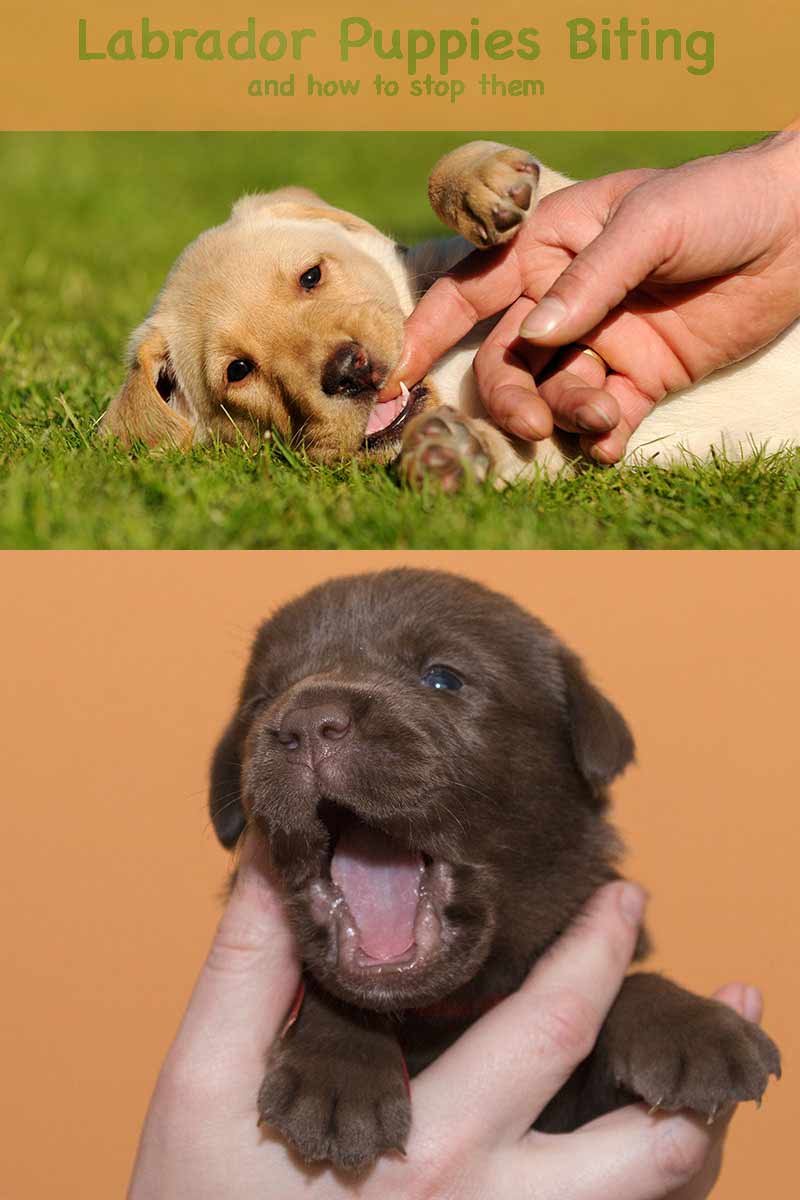


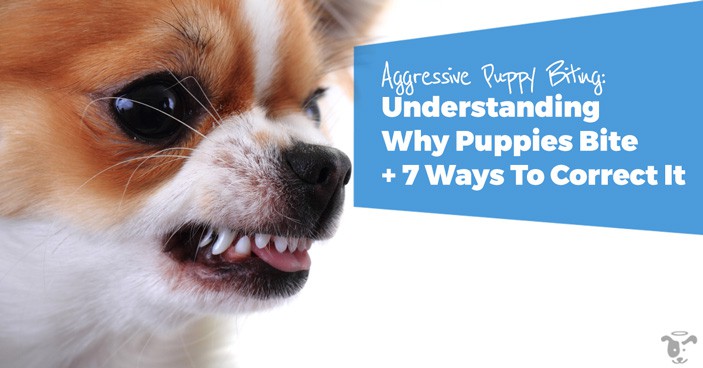
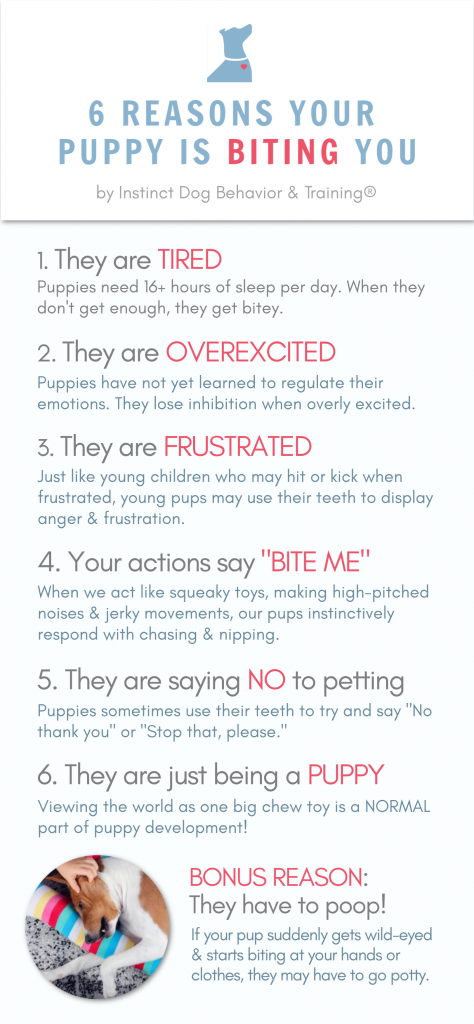

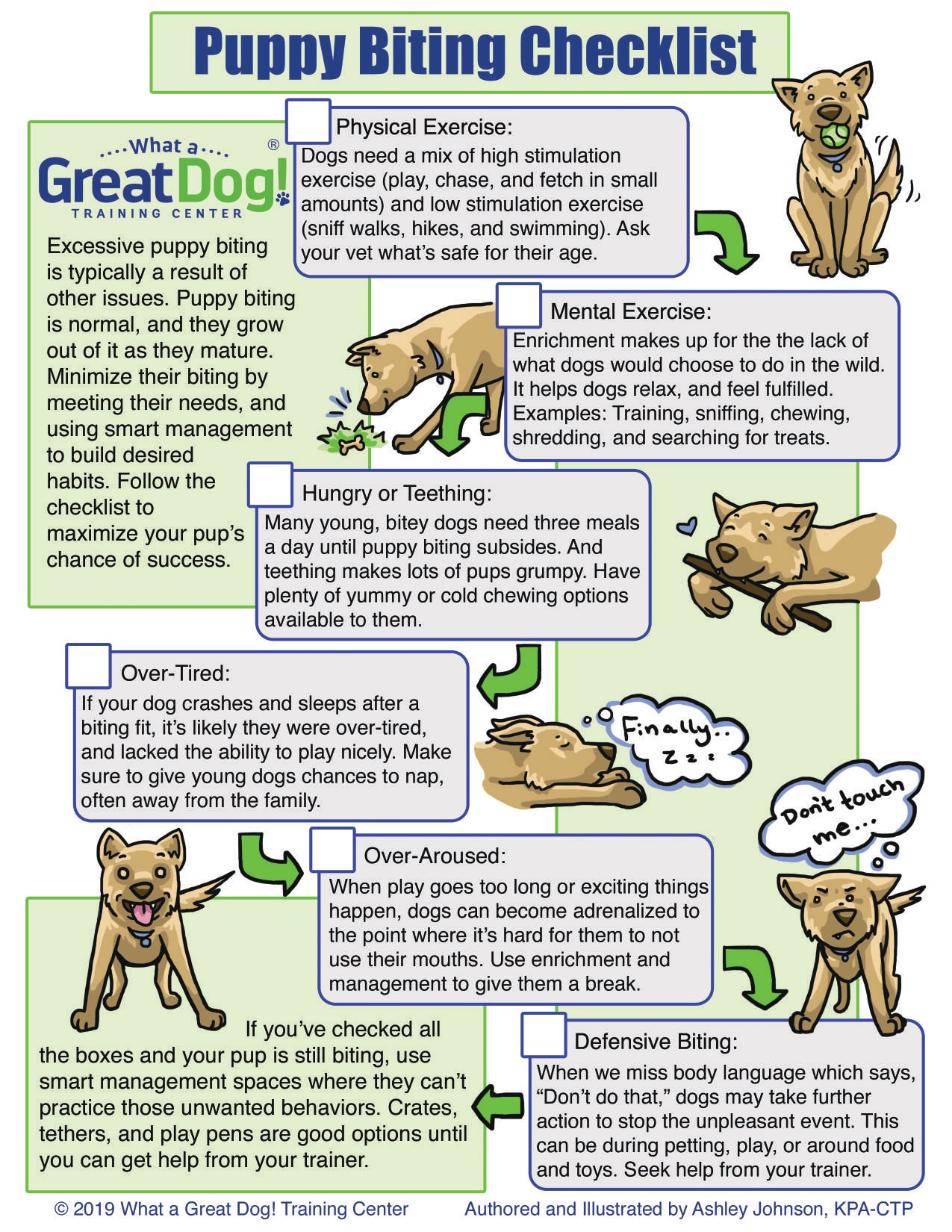


Breed, size, and developmental stage heavily influence why puppy’s bite on house things in growing domestic canines.
Larger sporting breeds often possess stronger jaws and higher energy reserves, requiring heavy-duty rubber toys to satisfy intense chewing needs. Conversely, smaller toy breeds experience rapid dental eruption schedules that can cause concentrated periods of intense gum discomfort. Age-specific management strategies must adapt as milk teeth transition into adult dentition around six months of age. Investigating categories like Dog Type and Health provides tailored insights for specific physical traits and growth rates.
Consulting a qualified veterinarian ensures that excessive chewing is not linked to underlying medical conditions or nutritional deficiencies.
Persistent, compulsive destruction that resists standard training methods warrants a thorough physical examination by a licensed veterinary professional. Medical issues such as severe gum disease, mineral absorption disorders, or chronic oral pain can drive frantic chewing behavior. Any sudden increase in destructive habits should be evaluated to rule out underlying systemic illnesses or nutritional imbalances. Establishing a partnership with a veterinary clinic guarantees personalized care tailored to the specific health status of the animal.
Supporting lifelong behavioral health requires ongoing education and reliable guidance from trusted veterinary resources available today.
Navigating the challenges of juvenile development becomes much simpler when relying on expert advice and consistent household management practices. Explore additional guidance across Occasion and General & Others to support every stage of canine growth. Visit Home2Pet.com today for more comprehensive articles designed to keep household companions healthy, happy, and well-behaved.