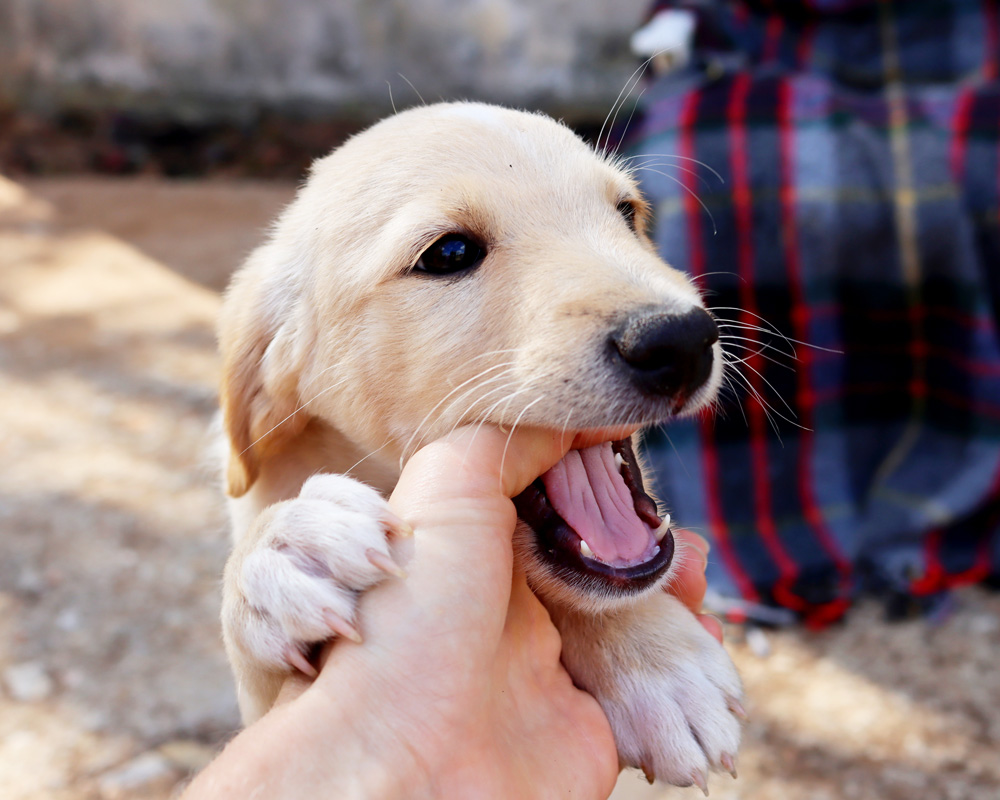
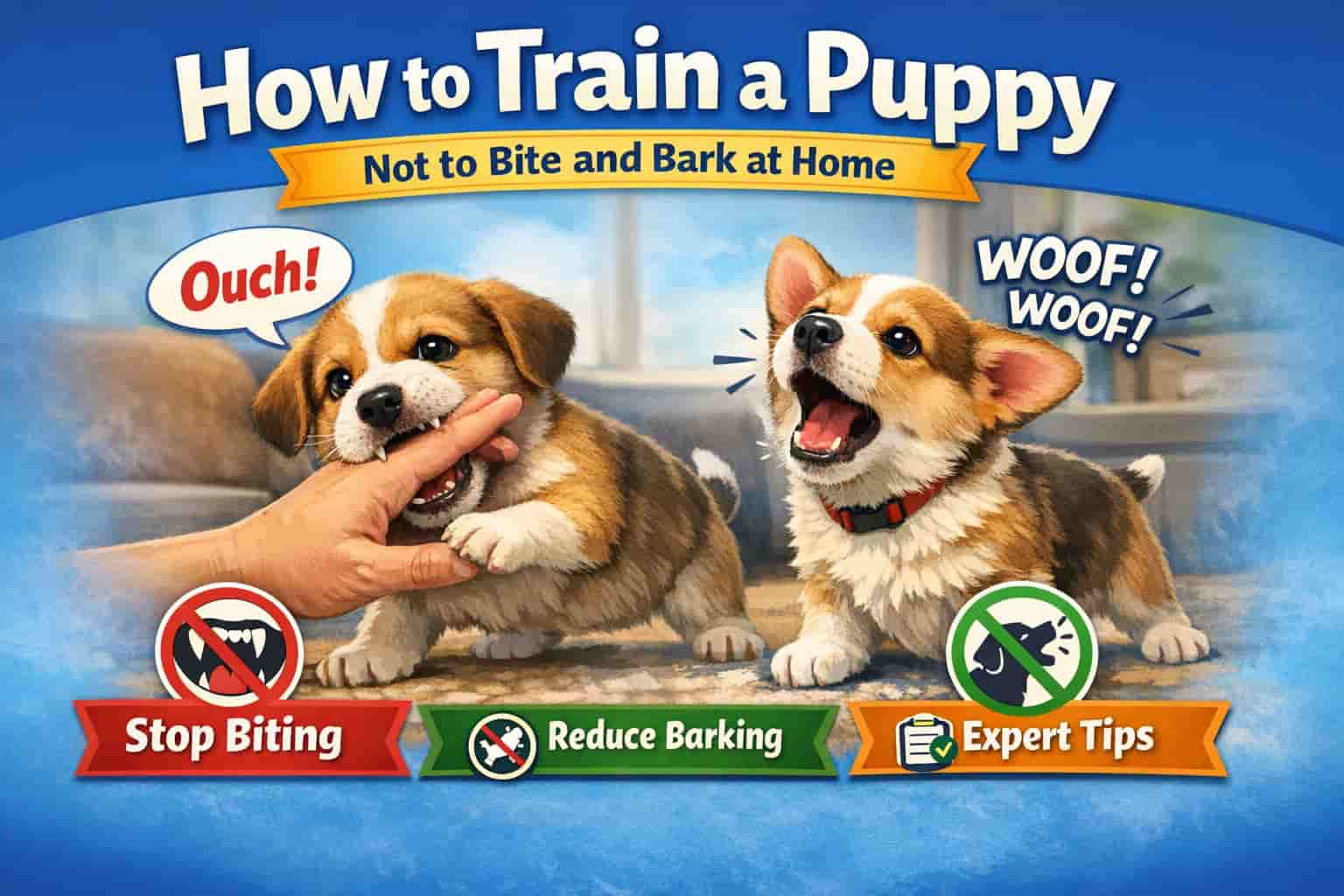
Decoding the constant nipping and chewing stage in large mixed breed puppies.
According to the American Kennel Club, puppy biting is a completely normal developmental behavior driven by exploration, teething, and social communication. Household items, furniture legs, and human hands frequently become targets for exploration during this rapid growth phase. Navigating these early months requires a balanced understanding of canine anatomy, instinctual drivers, and appropriate redirection techniques. Working daily with large-breed dogs in clinical environments reveals that owners often misinterpret this mouthing as aggression, when it is typically a standard developmental milestone. Recognizing the root causes transforms a frustrating household challenge into a constructive training opportunity. Related guide: Frozzys Frozen Yogurt For Dogs.
💡 Pet Care Key Takeaways:
- Core Focus: Practical health, nutrition, and wellness guidelines for Why Does My 11 Week Old Cane Corso Boxer Puppy Bite Everything.
- Target Scope: Pet owners, animal caregivers, and veterinary support staff.
- Best Recommendation: Maintain consistent daily routines and consult an accredited veterinarian before introducing major diet or medical changes.
Teething pain and sensory exploration explain why does my 11 week old cane corso boxer puppy bite everything.
Teething and tactile mapping are the primary biological drivers behind this incessant chewing behavior. At this tender age, deciduous milk teeth begin loosening to make way for permanent adult dentition, causing considerable gum discomfort. A Cane Corso Boxer puppy combines the powerful jaw structure of a mastiff-type guard breed with the high-energy athleticism of a working boxer, amplifying their need to grip objects. Furthermore, canines lack hands, leaving the mouth as the principal tool for investigating texture, temperature, and shape. Observing young large-breed puppies on the clinic floor shows they often seek out cool surfaces or dense materials to soothe inflamed gums during this exact developmental window.
Nutritional and structural impacts of unchecked chewing habits.
Unchecked chewing can lead to dental fractures, gastrointestinal blockages from ingested household items, and behavioral reinforcement of inappropriate biting habits. When growing dogs constantly chew on abrasive or hard materials, their developing tooth enamel risks premature wear or breakage. Additionally, swallowing non-food debris creates severe medical emergencies that require surgical intervention. Ensuring proper mineral balance through appropriate commercial diets helps support healthy skeletal growth without increasing destructive urges. Guidance on balanced nutrition can be found within resources dedicated to Ingredients and canine physiology.
Puppies explore their environment primarily through oral contact, utilizing mouthing and biting to test textures and social boundaries during early development. — American Kennel Club
Implementing structured redirection and environmental management protocols.
Proactive environmental management paired with immediate redirection effectively curbs destructive oral behaviors in large puppies. Restricting free-roaming access in unpuppy-proofed areas prevents unauthorized chewing before it starts. When inappropriate mouthing occurs, quietly substituting a durable, approved chew toy teaches the puppy where safe pressure can be applied. Consistent execution of these Method training principles establishes clear boundaries without damaging the developing bond between human and animal. Incorporating interactive puzzle feeders also channels cognitive energy away from household furnishings and onto appropriate outlets.
Essential safety practices and common training pitfalls to avoid.
Avoiding physical punishment or shouting is crucial, as these reactions can accidentally escalate arousal or induce fear-based defensive biting. Hand-wrestling games should be strictly minimized to prevent confusing the puppy about whether human skin is an acceptable toy. Providing a variety of textures, from frozen rubber toys to fibrous cotton ropes, satisfies different gum-soothing preferences safely. Owners must also remain vigilant regarding toxic materials, ensuring household plants, chemical cleaners, and dangerous human foods are completely out of reach. Comprehensive insights on safeguarding multi-breed households are available through Dog Type and Health guides.
Ingesting foreign objects such as textiles, plastics, and wood is a leading cause of costly emergency gastrointestinal surgeries in young dogs under six months of age. — American Veterinary Medical Association
Pet Care & Wellness Overview Table
| Life Stage | Daily Activity Level | Key Nutrition / Care Focus |
|---|---|---|
| Puppy / Kitten | High (frequent short bursts) | High-protein growth diet & early socialization |
| Adult Companion | Moderate (30–60 mins daily) | Balanced maintenance nutrition & dental hygiene |
| Senior Pets | Low to Gentle (mindful walks) | Joint support (Glucosamine) & routine vet checks |
Images References







Special considerations for high-drive guard and working breed mixes.
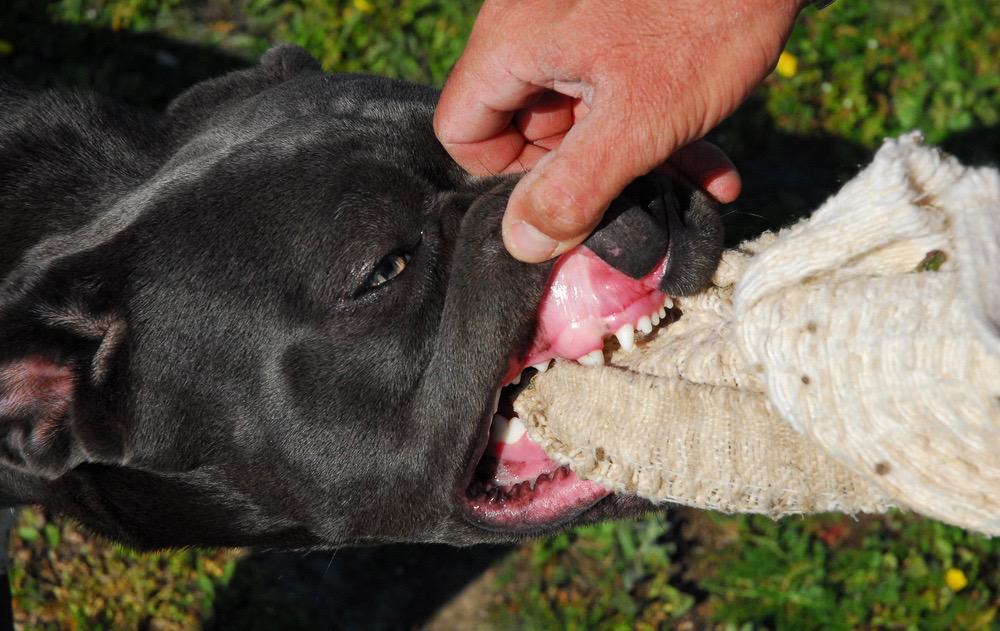
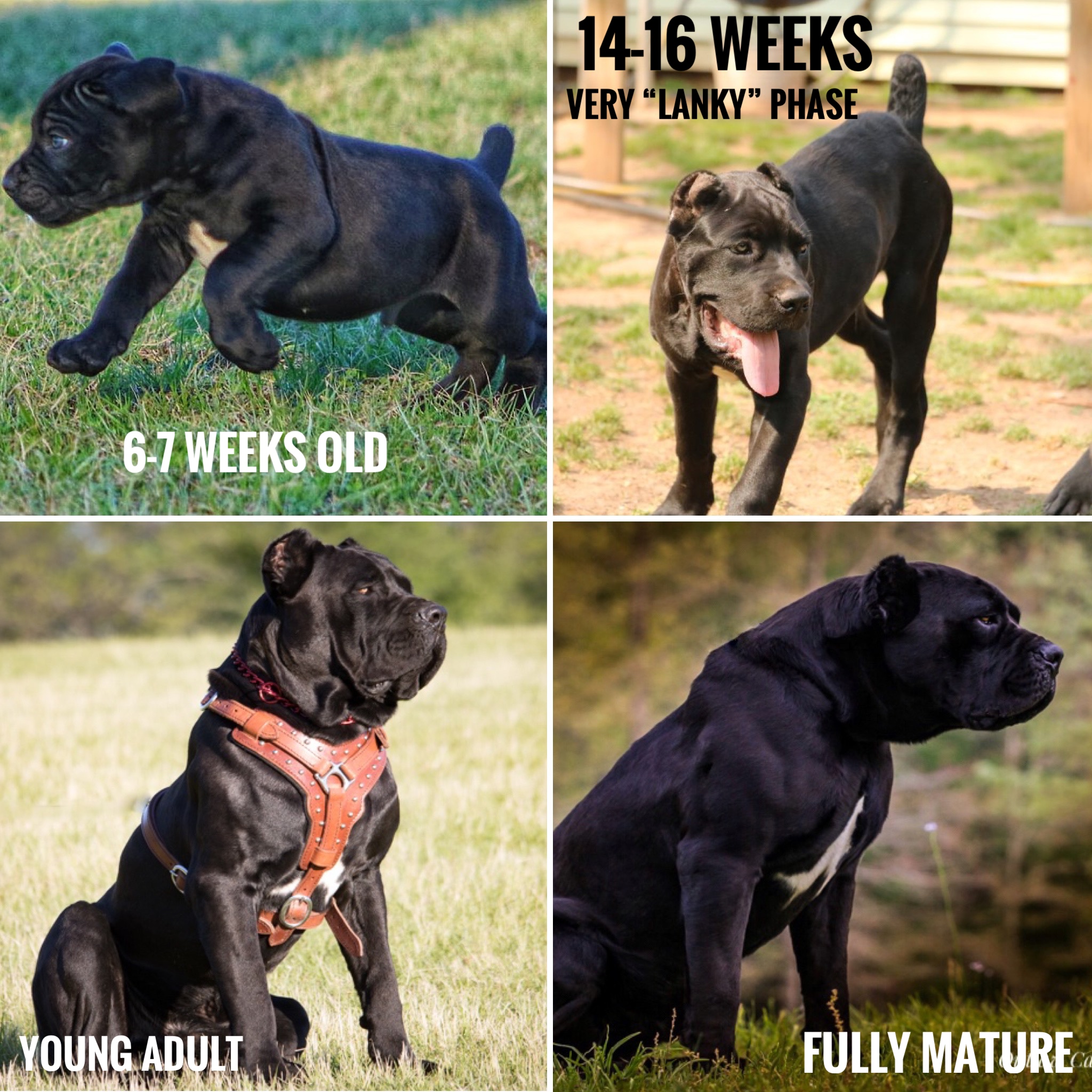
Cane Corso and Boxer lineages introduce robust physical strength, high prey drive, and intense mental engagement needs that standard toy breeds lack. These crossbreeds mature into large, powerful adults requiring early socialization and structured impulse-control exercises. Because their jaws develop rapidly, even accidental play-nipping can cause painful bruising for family members. Channeling their natural working instincts into structured obedience games satisfies their need for mental labor. Celebrating small training milestones during festive gatherings or special occasions helps reinforce good manners, as outlined in seasonal Occasion planning resources.
When persistent mouthing habits require professional veterinary evaluation.
Consulting a veterinarian or certified animal behaviorist becomes necessary if biting escalates into sustained, hard aggression accompanied by stiff body posture or growling. Persistent oral fixation can occasionally signal underlying medical discomfort, such as severe malocclusions, oral pain, or nutritional imbalances. A professional examination ensures that physical health issues are ruled out before addressing behavioral modifications. Exploring general wellness tips through General & Others sections provides additional context for monitoring early canine milestones.
Supporting lifelong behavioral health through structured guidance and care.
Managing a high-energy, teething large-breed puppy demands patience, consistency, and a thorough understanding of normal canine development. By addressing gum discomfort, providing durable outlets, and maintaining clear boundaries, households can successfully navigate this intense developmental phase. Exploring further educational materials across Home2Pet.com ensures owners remain well-equipped for every stage of their dog’s growth.