
Managing a household with a young canine companion brings countless joys alongside a few notable challenges. According to the American Kennel Club, oral exploration is a completely normal part of early canine development that peaks during the teething phase. Watchful observers often notice how quickly a peaceful afternoon transforms into a tug-of-war session involving shirt hems, socks, and trailing bathrobe ties. This behavior can test the patience of even the most dedicated animal lovers. Understanding the underlying motivations behind these actions helps transform frustration into effective guidance. Related guide: Yeast Dog Shampoo Diy.
💡 Pet Care Key Takeaways:
- Core Focus: Practical health, nutrition, and wellness guidelines for Puppies Biting Clothrs.
- Target Scope: Pet owners, animal caregivers, and veterinary support staff.
- Best Recommendation: Maintain consistent daily routines and consult an accredited veterinarian before introducing major diet or medical changes.
Puppies biting clothrs represents a natural developmental stage driven by teething, sensory exploration, and the instinctual desire to grab moving objects with the mouth.
Young dogs discover their environment primarily through their mouths, much like human infants interact with tactile toys. As deciduous teeth—commonly known as milk teeth—push through tender gums, mild inflammation creates an intense urge to chew on various textures. Fabric items often hang loosely around ankles, making them exceptionally appealing targets for playful pounces. Furthermore, the swinging motion of a skirt or pant leg triggers deep-seated predatory chase instincts. Recognizing this impulse as a normal milestone rather than outright defiance sets the stage for constructive behavioral management.
Unmanaged fabric chewing habits can lead to accidental ingestion of threads, gastrointestinal obstruction, and reinforced nuisance behaviors that persist into adulthood.
Swallowing loose fibers, buttons, or synthetic stuffing poses significant health risks to a growing digestive tract. Veterinary clinics frequently treat intestinal blockages caused by foreign material ingestion, which may require surgical intervention depending on the severity. Beyond physical safety hazards, allowing a pet to tug repeatedly on clothing establishes a hard-to-break habit that damages favorite garments and encourages excessive jumping. Behavioral consistency remains vital during this critical window to ensure young animals learn appropriate boundaries.
Gastrointestinal foreign body obstructions resulting from swallowed fabric fibers require immediate veterinary assessment and can necessitate emergency surgery. — American Veterinary Medical Association
Redirecting attention toward appropriate chew toys, providing adequate mental stimulation, and utilizing positive reinforcement effectively curb puppies biting clothrs.
Successful deterrence relies on immediate redirection rather than harsh punishment, which often causes confusion or fear. Keeping durable rubber chew toys or textured fabric ropes in every room ensures an acceptable alternative is always within arm’s reach. When an energetic pup latches onto a pant leg, calmly freezing in place removes the rewarding movement, while offering a proper toy instantly shifts focus. Rewarding calm behavior with praise or a small, veterinarian-approved snack helps reinforce desired choices over time. Exploring structured routines found in the Method section can further streamline daily training efforts.
Avoiding accidental encouragement requires standing completely still, refraining from high-pitched scolding, and ensuring all household members maintain consistent boundary rules.
Many owners inadvertently turn clothing tugging into a high-energy game by pulling away quickly or shouting commands that sound like enthusiastic squeaky toys. Canine companions interpret rapid movement and loud vocalizations as an invitation to engage in an exciting chase. Instead, turning one’s back and ignoring the behavior teaches the animal that mouthing fabric brings an immediate end to social interaction. Integrating nutritional balance through wholesome choices detailed in Ingredients supports overall wellness, as nutritional deficiencies can occasionally exacerbate restless chewing habits.
Puppies experience intensive deciduous tooth eruption between the ages of twelve and twenty-four weeks, heightening their physiological need to chew. — American Kennel Club
Pet Care & Wellness Overview Table
| Life Stage | Daily Activity Level | Key Nutrition / Care Focus |
|---|---|---|
| Puppy / Kitten | High (frequent short bursts) | High-protein growth diet & early socialization |
| Adult Companion | Moderate (30–60 mins daily) | Balanced maintenance nutrition & dental hygiene |
| Senior Pets | Low to Gentle (mindful walks) | Joint support (Glucosamine) & routine vet checks |
Images References

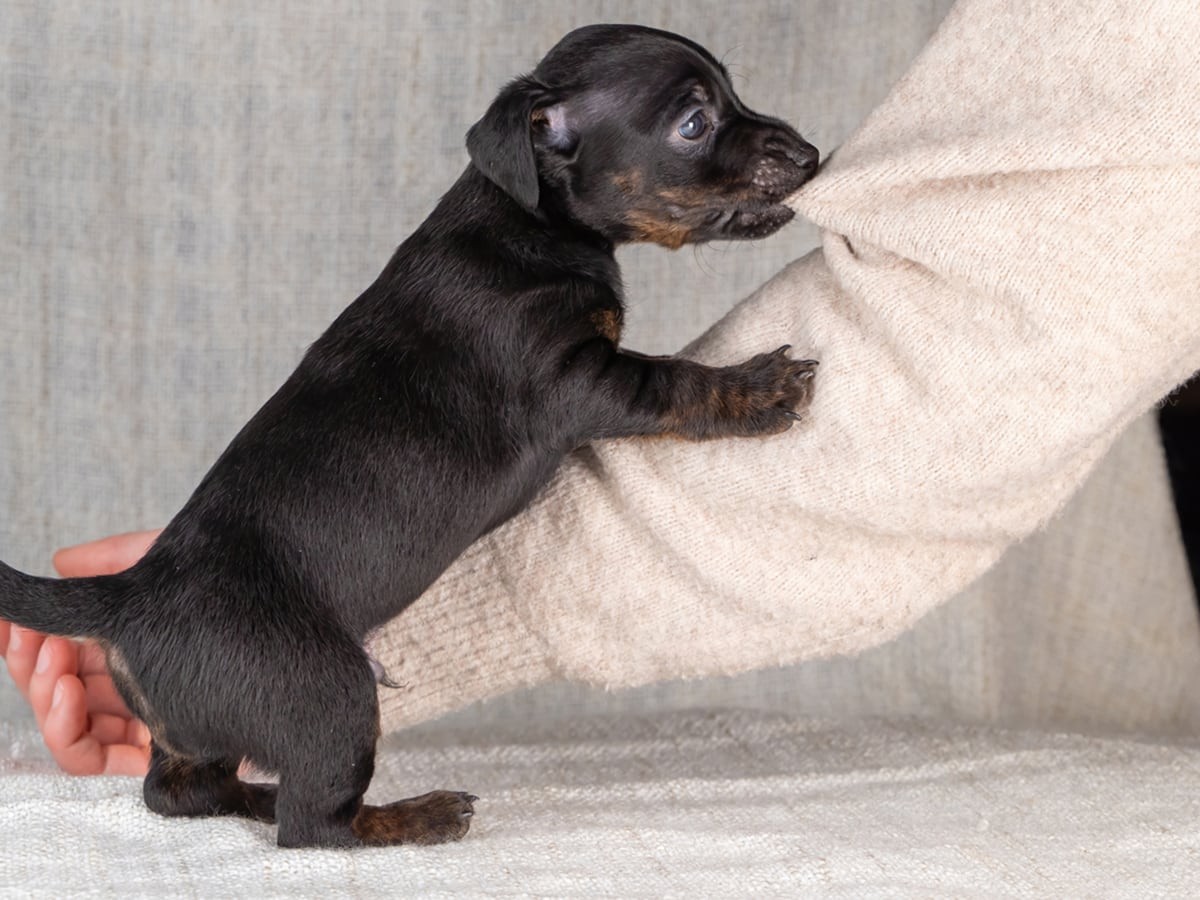


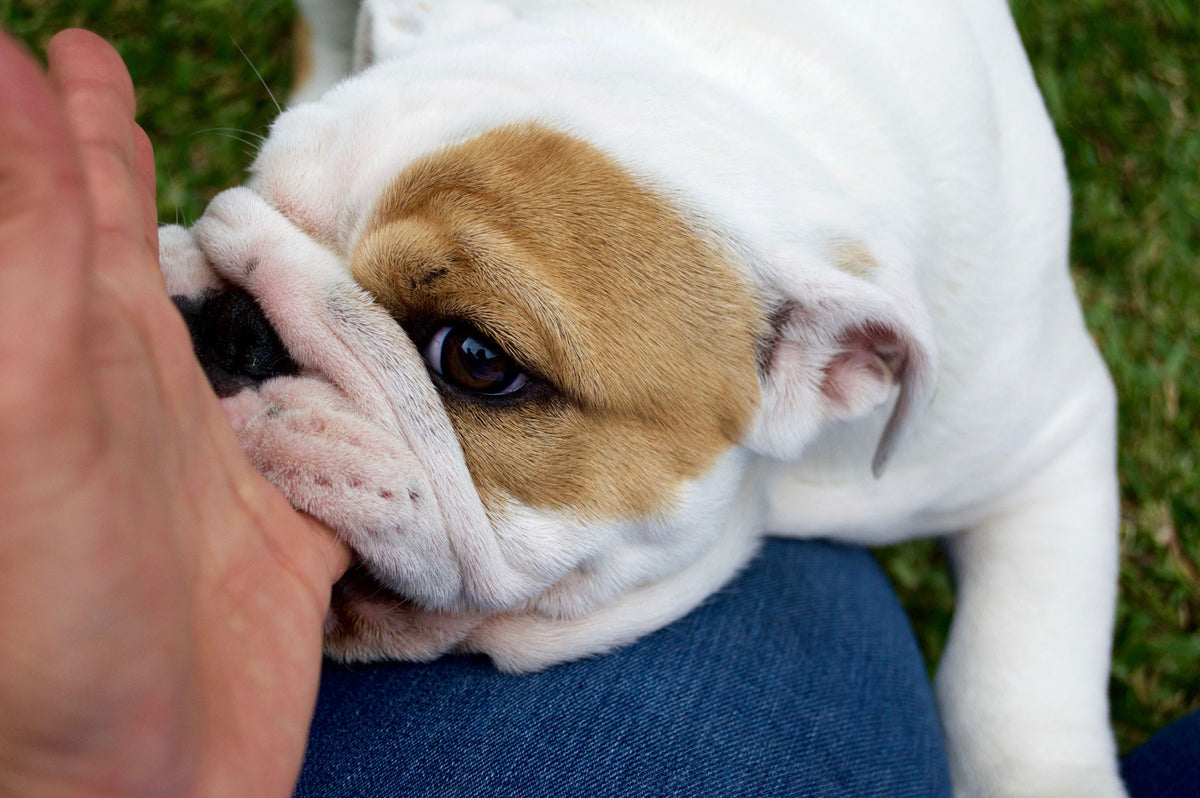
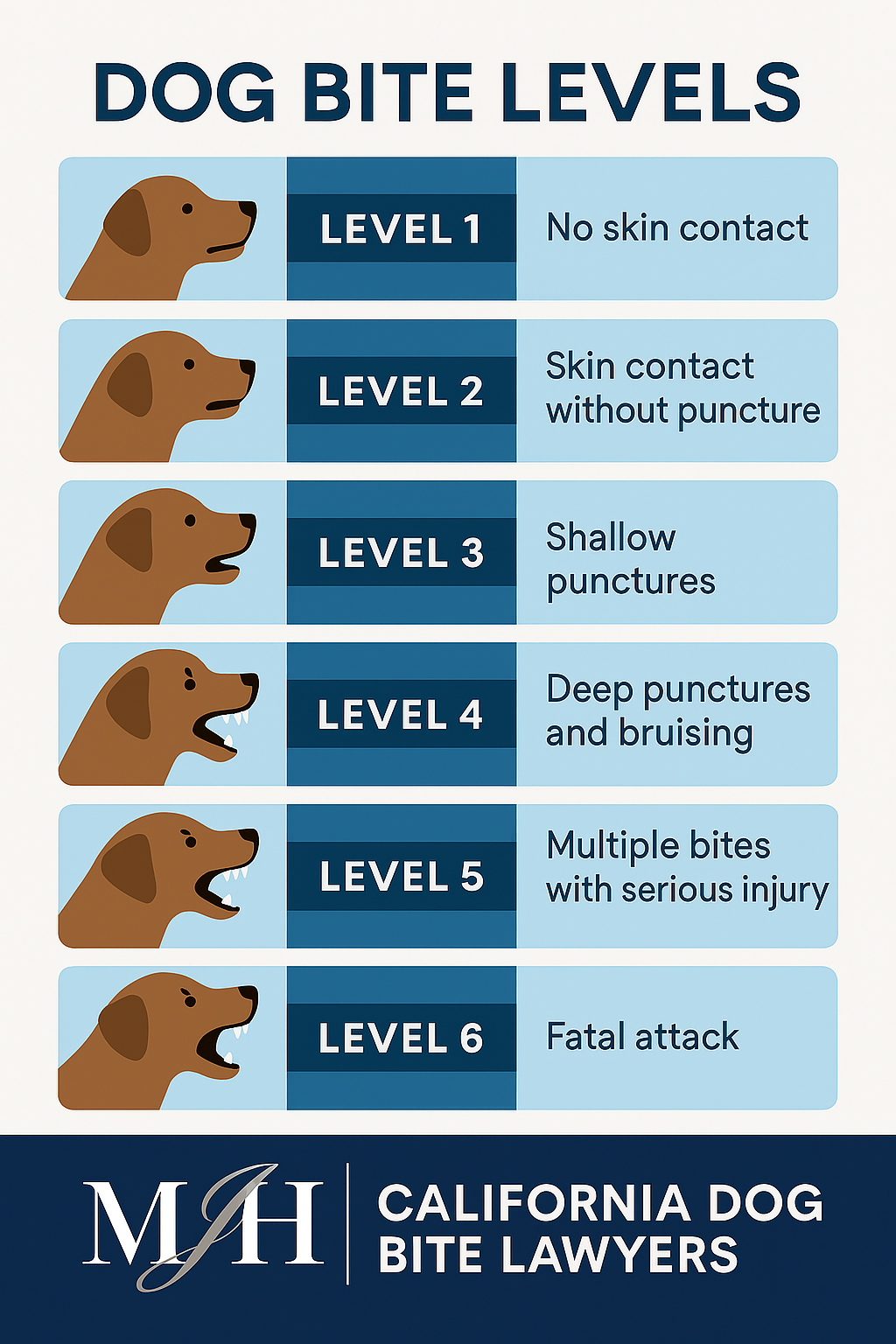


Breed temperament, individual energy levels, and physical size dictate how intensely a young dog engages in fabric mouthing behaviors.
Herding breeds, such as Border Collies and Australian Shepherds, possess a strong genetic predisposition to nip at moving ankles and fluttering hems due to their historical working roles. Conversely, smaller companion breeds may focus more on soft textures due to smaller jaws and unique teething timelines. Tailoring redirection strategies to match specific breed characteristics ensures training remains effective and respectful of the animal’s natural inclinations. Browsing insights within Dog Type and Health helps owners better understand unique physical traits across different developmental stages.
Consulting a qualified veterinarian or professional animal behaviorist becomes essential if aggressive guarding accompanies mouthing or if destructive habits persist past the teething phase.
While normal teething behavior typically subsides once permanent adult teeth fully emerge around six to eight months of age, persistent issues warrant professional evaluation. A licensed veterinarian can rule out underlying medical discomfort, dental pain, or nutritional imbalances that might drive compulsive chewing. Seeking timely expert guidance prevents minor behavioral quirks from escalating into entrenched reactivity, ensuring a safe and harmonious household environment for everyone involved.
Embracing patience, consistency, and positive reinforcement builds a trusting bond while guiding a growing companion through everyday developmental milestones.
Navigating the chewing phase requires dedication, but steady persistence yields a well-adjusted, confident adult dog. Discover more expert guidance and practical tips across various topics by visiting Home2Pet.com. For additional ideas suited for special milestones, explore the Occasion section, or check out General & Others for broader care advice.


