According to the American Kennel Club, digestive health issues remain among the top reasons for veterinary clinic visits in adult canines. When a cherished pet receives a diagnosis of pancreatic inflammation, the entire household routine shifts dramatically. Commercial snacks packed with hidden fats immediately vanish from the pantry, leaving families searching for safe alternatives. Preparing wholesome goodies at home restores a sense of normalcy and joy to treat time without compromising internal organ health.
💡 Pet Care Key Takeaways:
- Core Focus: Practical health, nutrition, and wellness guidelines for Homemade Baked Dog Treat Recipe For Pancreatitis.
- Target Scope: Pet owners, animal caregivers, and veterinary support staff.
- Best Recommendation: Maintain consistent daily routines and consult an accredited veterinarian before introducing major diet or medical changes.
A homemade baked dog treat recipe for pancreatitis” utilizes ultra-low-fat ingredients to protect a vulnerable digestive system.
Inflammation of the pancreas occurs when digestive enzymes activate prematurely inside the organ, causing severe abdominal discomfort, lethargy, and vomiting. To prevent flare-ups, veterinary nutritionists recommend an extremely strict low-fat diet, typically keeping crude fat levels under ten percent on a dry matter basis. Traditional baking often relies heavily on butter, oil, or whole eggs, all of which pose significant risks. Crafting specialized snacks at home means every single component undergoes careful scrutiny before mixing. Related guide: How To Train A Red Heeler Puppy Not To Bite.
Choosing low-fat components safeguards delicate digestive tracts and minimizes painful clinical episodes.
Clinical practice frequently reveals that even a tiny morsel of cheese or bacon grease can trigger an acute pancreatic attack within hours of consumption. Lean proteins such as skinless chicken breast, white fish, and non-fat plain yogurt serve as safe foundational blocks for custom treats. Complex carbohydrates like pumpkin puree, sweet potato, and rolled oats provide texture and binding power without introducing dangerous lipid loads. Furthermore, maintaining strict portion control ensures that these edible rewards remain a safe supplement to a prescribed veterinary diet.
Dietary fat is the primary dietary trigger for pancreatic inflammation in canines — American Veterinary Medical Association
Baking low-fat snacks at home involves combining wholesome flours, lean purees, and gentle binders.
Mixing up a batch of low-fat canine biscuits begins with selecting a digestible base like oat flour or brown rice flour instead of heavy wheat derivatives. Pureed pumpkin acts as an exceptional binder, offering soluble fiber that supports normal gastrointestinal motility without adding unnecessary calories. Operators in clinical settings frequently observe that dogs with sensitive stomachs respond remarkably well to single-ingredient binders. Combining these elements into a stiff dough, rolling them flat, and cutting festive shapes creates an engaging kitchen project with a rewarding outcome.
Mastering temperature control and ingredient safety prevents accidental dietary indiscretion.
Baking at low temperatures for extended periods dehydrates the mixture thoroughly, creating a crunchy texture that stores well without chemical preservatives. Bakers must strictly avoid toxic additives such as xylitol, an artificial sweetener that causes rapid hypoglycemia and liver failure in dogs. Additionally, garlic and onions must never enter the mixing bowl, as these kitchen staples destroy red blood cells. Ensuring a completely fat-free workspace prevents cross-contamination from regular household cooking oils that linger on baking sheets.
Xylitol toxicity leads to severe liver necrosis and life-threatening hypoglycemia in domestic dogs — ASPCA Animal Poison Control Center
Pet Care & Wellness Overview Table
| Life Stage | Daily Activity Level | Key Nutrition / Care Focus |
|---|---|---|
| Puppy / Kitten | High (frequent short bursts) | High-protein growth diet & early socialization |
| Adult Companion | Moderate (30–60 mins daily) | Balanced maintenance nutrition & dental hygiene |
| Senior Pets | Low to Gentle (mindful walks) | Joint support (Glucosamine) & routine vet checks |
Images References

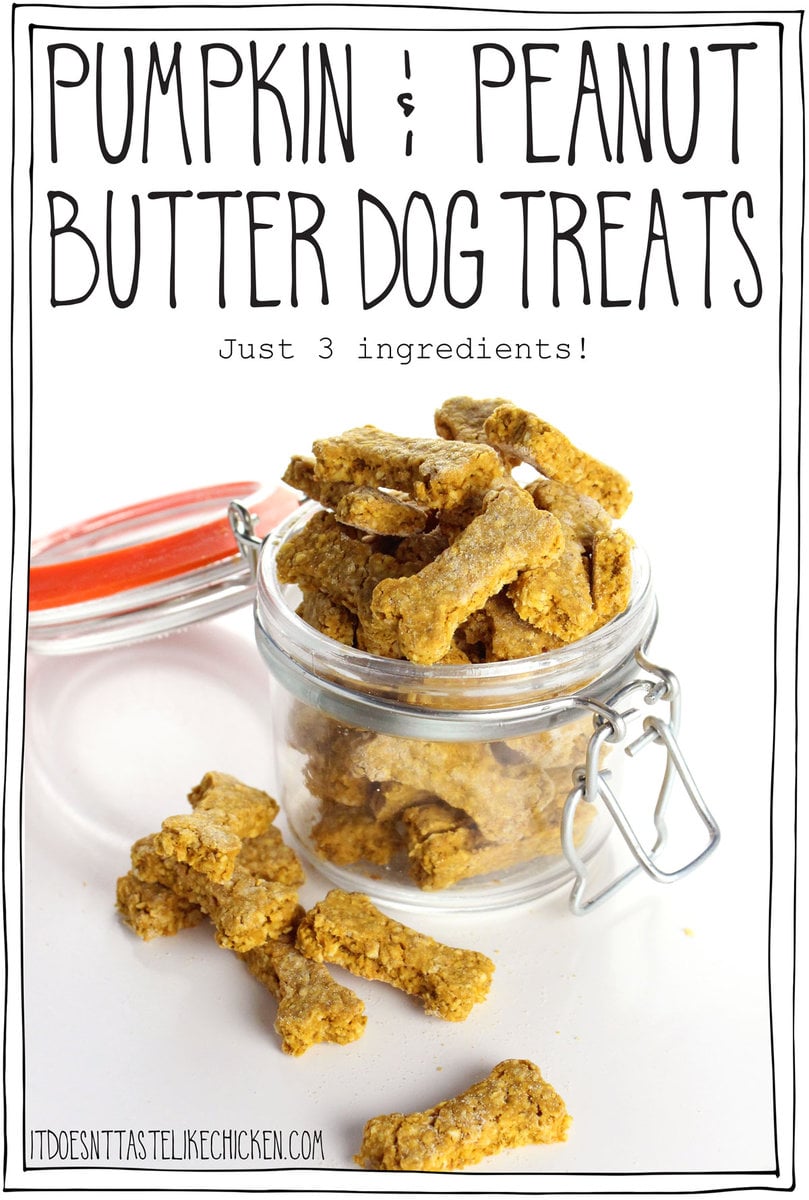

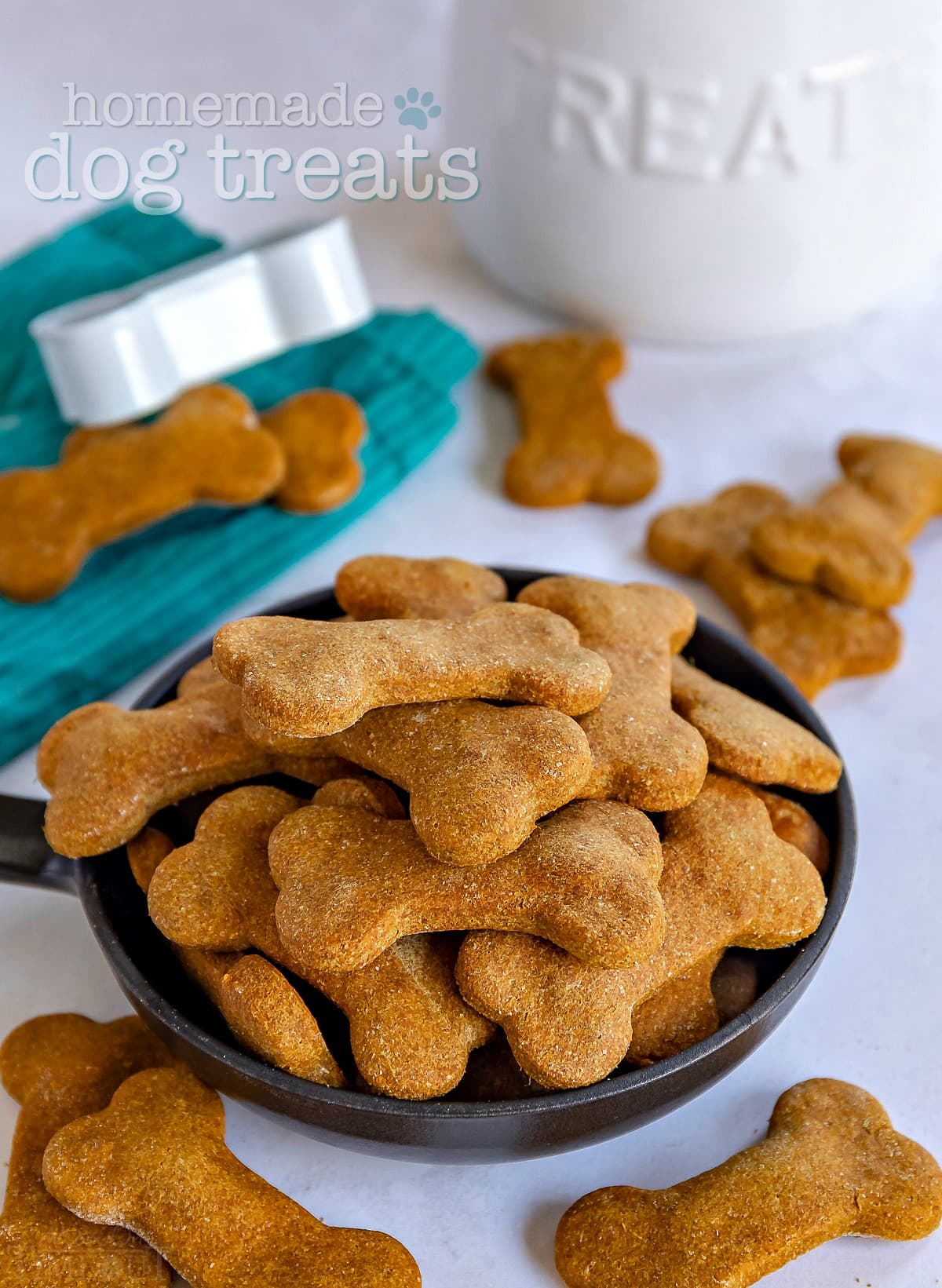


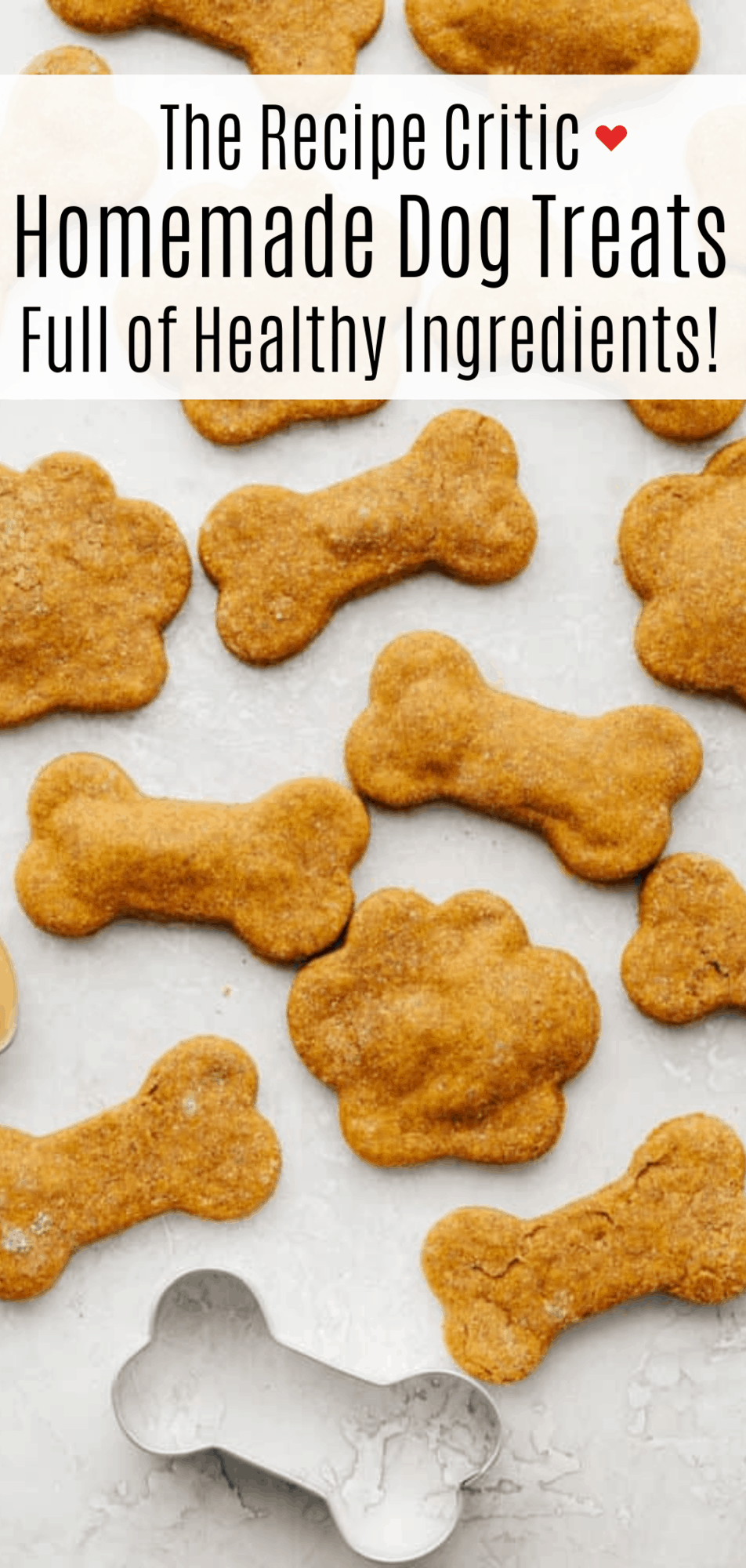

Individual health profiles and body condition scores dictate exact portion limits for sensitive pets.
Miniature breeds, giant breeds, puppies, and senior animals process nutrients differently, meaning that snack allocations must scale appropriately. A tiny terrier requires microscopic nibbles, whereas a large retriever can handle a standard biscuit without exceeding daily caloric boundaries. Moreover, concurrent conditions like chronic kidney disease or diabetes mellitus demand specialized adjustments that standard recipes cannot accommodate. Consulting a veterinary professional ensures that homemade snacks align harmoniously with underlying medical protocols.
Professional veterinary guidance remains essential before introducing any new food item to a recovering animal.
Establishing a collaborative relationship with a primary veterinarian or a board-certified veterinary nutritionist guarantees optimal health outcomes during recovery. Blood panels, lipase enzyme monitoring, and weight tracking help determine whether a specific food item agrees with the animal’s internal system. Sudden dietary shifts can destabilize a fragile recovery phase, making professional oversight mandatory for long-term wellness. Always confirm ingredient safety and acceptable daily ranges with a licensed practitioner before serving.
Supporting lifelong canine wellness starts with informed choices and reliable resources.
Managing complex health conditions requires dedication, patience, and access to accurate educational materials for every stage of life. Exploring trusted categories across the platform helps pet guardians discover reliable guidance on Ingredients, safe cooking Method techniques, and specialized Dog Type and Health considerations. Celebrating special milestones with safe celebrations becomes effortless when utilizing curated advice tailored for unique dietary needs. Visit Home2Pet.com today to find further insights, including guidance for every Occasion and helpful tips under General & Others.