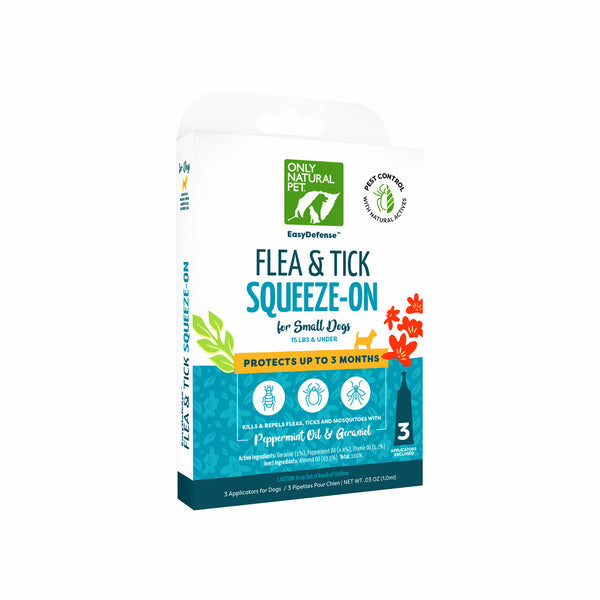
Tick and Flea Natural Treatment for Dogs
Protecting our canine companions from the relentless onslaught of ticks and fleas is a constant concern for responsible dog owners. Chemical-laden treatments have long been the norm, but a growing awareness of their potential side effects has fueled a surge in interest in natural alternatives. The appeal of a tick and flea natural treatment for dogs lies in its ability to safeguard our furry friends without exposing them to harsh chemicals that could compromise their health. These natural remedies often leverage the power of plant-based ingredients and essential oils, offering a gentler approach to pest control. This article explores the world of tick and flea natural treatment for dogs, delving into their efficacy, safety, and how to effectively incorporate them into your dog’s wellness routine. Discovering these alternative methods provides a path to a happier, healthier, and pest-free life for your beloved pet, ensuring they can enjoy the great outdoors without the constant threat of itchy bites and potential disease transmission. It’s a commitment to their well-being and a step towards a more holistic approach to pet care.
💡 Pet Care Key Takeaways:
- Core Focus: Practical health, nutrition, and wellness guidelines for Tick And Flea Natural Treatment For Dogs.
- Target Scope: Pet owners, animal caregivers, and veterinary support staff.
- Best Recommendation: Maintain consistent daily routines and consult an accredited veterinarian before introducing major diet or medical changes.
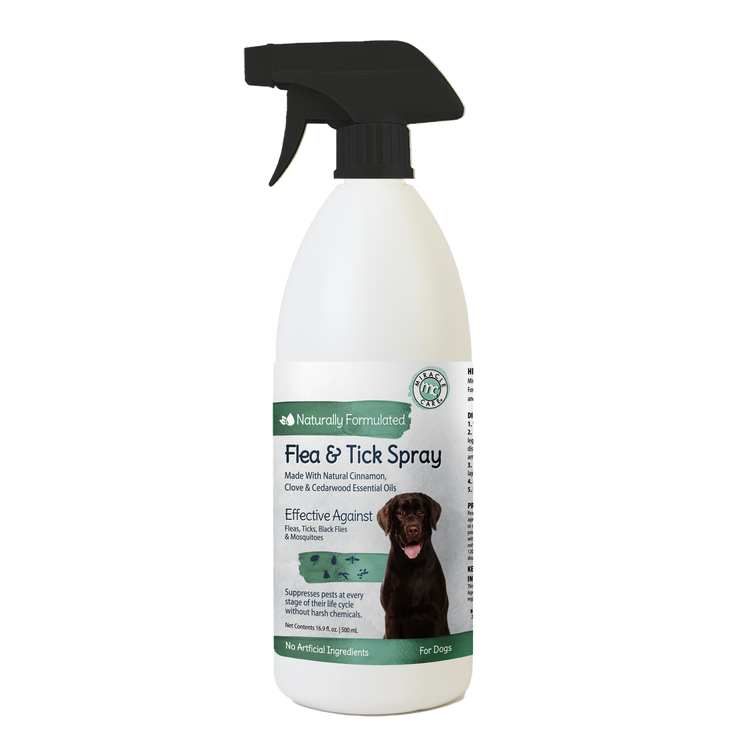
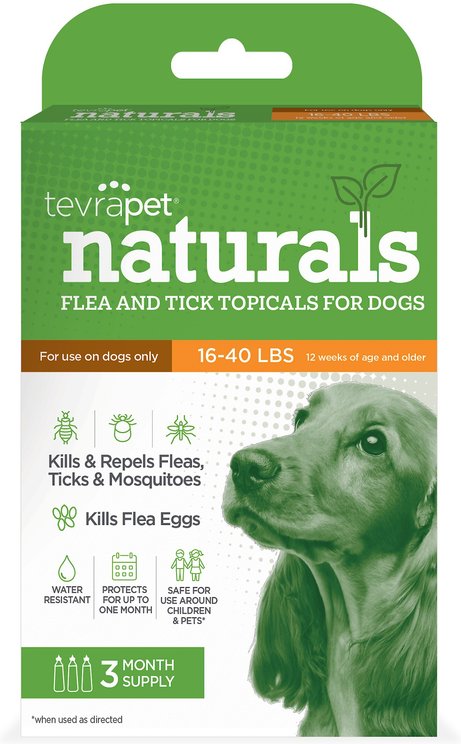
When considering a tick and flea natural treatment for dogs, several health benefits and key considerations come into play. Many natural treatments utilize essential oils like lavender, cedarwood, and peppermint, which are known for their insect-repellent properties. These oils, when diluted properly and applied correctly, can create a barrier against pests without the harshness of synthetic chemicals. Another popular option is diatomaceous earth (DE), a naturally occurring powder made from fossilized algae. DE works by dehydrating insects, effectively killing them without posing a significant risk to dogs when used appropriately. However, it’s crucial to use food-grade DE and avoid inhalation. Before embarking on a natural treatment regimen, consult with your veterinarian. They can help you determine the best course of action for your dog’s specific needs and health conditions. Factors such as breed, age, and pre-existing health issues can influence the suitability of certain natural remedies. Always monitor your dog for any adverse reactions, such as skin irritation or allergic responses, and discontinue use if any occur. Integrating natural treatments into a comprehensive pest control strategy, including regular grooming and yard maintenance, will yield the most effective and long-lasting results, keeping your furry friend protected. Related guide: Frozzys Frozen Yogurt For Dogs.
For dog owners seeking a tick and flea natural treatment for dogs, here are some practical tips to get started. First, research reputable brands and products that use high-quality, natural ingredients. Read reviews and look for certifications that validate their safety and efficacy. When applying essential oils, always dilute them with a carrier oil, such as coconut or almond oil, to avoid skin irritation. A general guideline is to use a 1-3% dilution for dogs. Apply the diluted mixture to areas where ticks and fleas are commonly found, such as behind the ears, at the base of the tail, and along the legs. Regular bathing with a natural flea and tick shampoo can also help to keep pests at bay. Choose shampoos that contain ingredients like neem oil or eucalyptus oil. Additionally, maintain a clean and tidy environment, both indoors and outdoors. Vacuum frequently, wash your dog’s bedding regularly, and keep your yard free of debris where ticks and fleas can thrive. By following these tips, you can create a natural and effective pest control strategy that protects your dog and promotes their overall well-being.
Youtube Video:

Pet Care & Wellness Overview Table
| Life Stage | Daily Activity Level | Key Nutrition / Care Focus |
|---|---|---|
| Puppy / Kitten | High (frequent short bursts) | High-protein growth diet & early socialization |
| Adult Companion | Moderate (30–60 mins daily) | Balanced maintenance nutrition & dental hygiene |
| Senior Pets | Low to Gentle (mindful walks) | Joint support (Glucosamine) & routine vet checks |
Images References




For more expert pet care tips and advice, check out our dedicated Dog Type and Health guides to keep your companions healthy and happy.