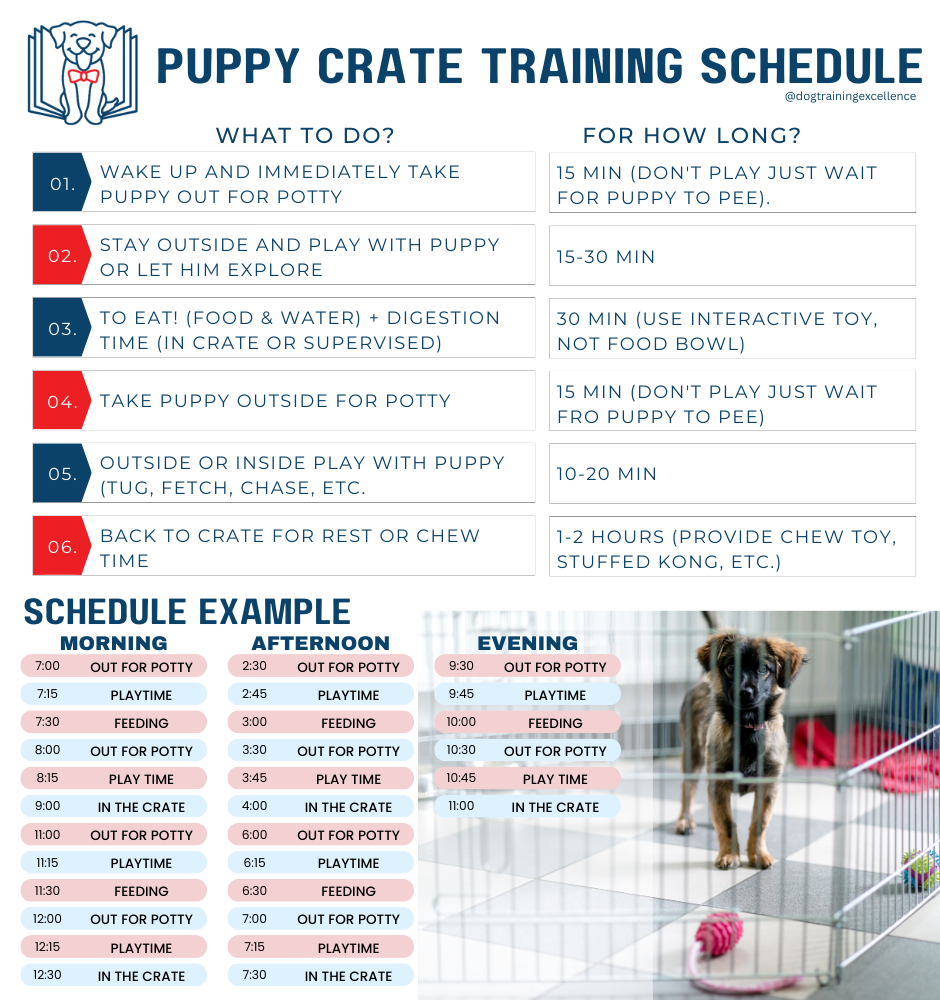
According to the American Society for the Prevention of Cruelty to Animals (ASPCA), normal developmental behavior in young dogs heavily features exploration through the mouth, which frequently translates into challenging mouthing habits for human companions. Bringing a canine adolescent into a household brings immense joy, yet sharp needle teeth can quickly turn daily interactions into an endurance test. Daily routines transform as families try to protect ankles, furniture, and clothing from relentless tiny jaws. Understanding the biological drivers behind this phase helps shift frustration into structured guidance. Establishing consistency during these formative weeks lays the foundation for a gentle, well-mannered adult companion. Managing this behavior effectively requires patience, clear boundaries, and appropriate outlets for natural instincts. Related guide: How To Get Puppy To Stop Biting Furniture.
💡 Pet Care Key Takeaways:
- Core Focus: Practical health, nutrition, and wellness guidelines for Puppy Biting At 4 Months.
- Target Scope: Pet owners, animal caregivers, and veterinary support staff.
- Best Recommendation: Maintain consistent daily routines and consult an accredited veterinarian before introducing major diet or medical changes.
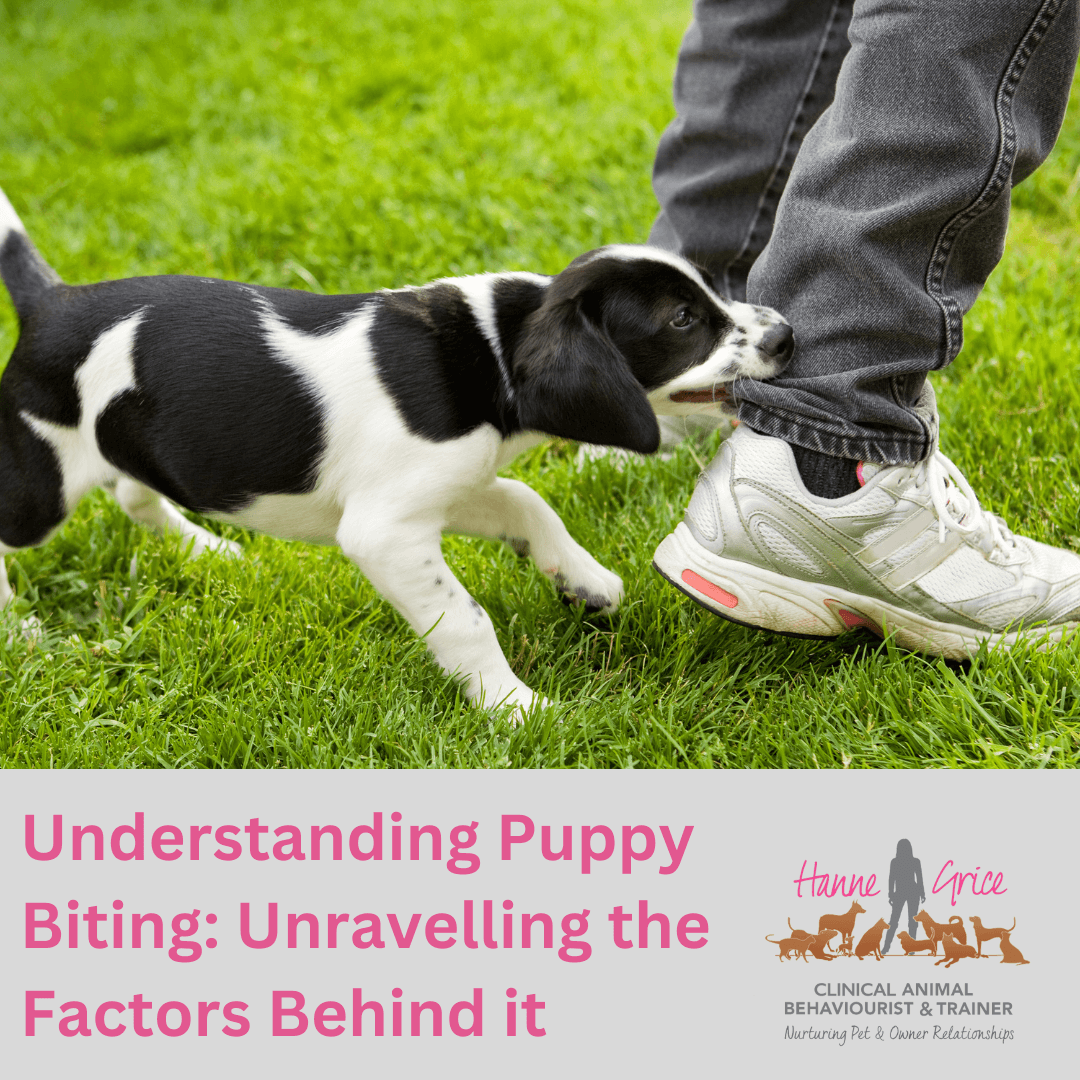
Puppy biting at 4 months represents a peak period of teething and exploration.
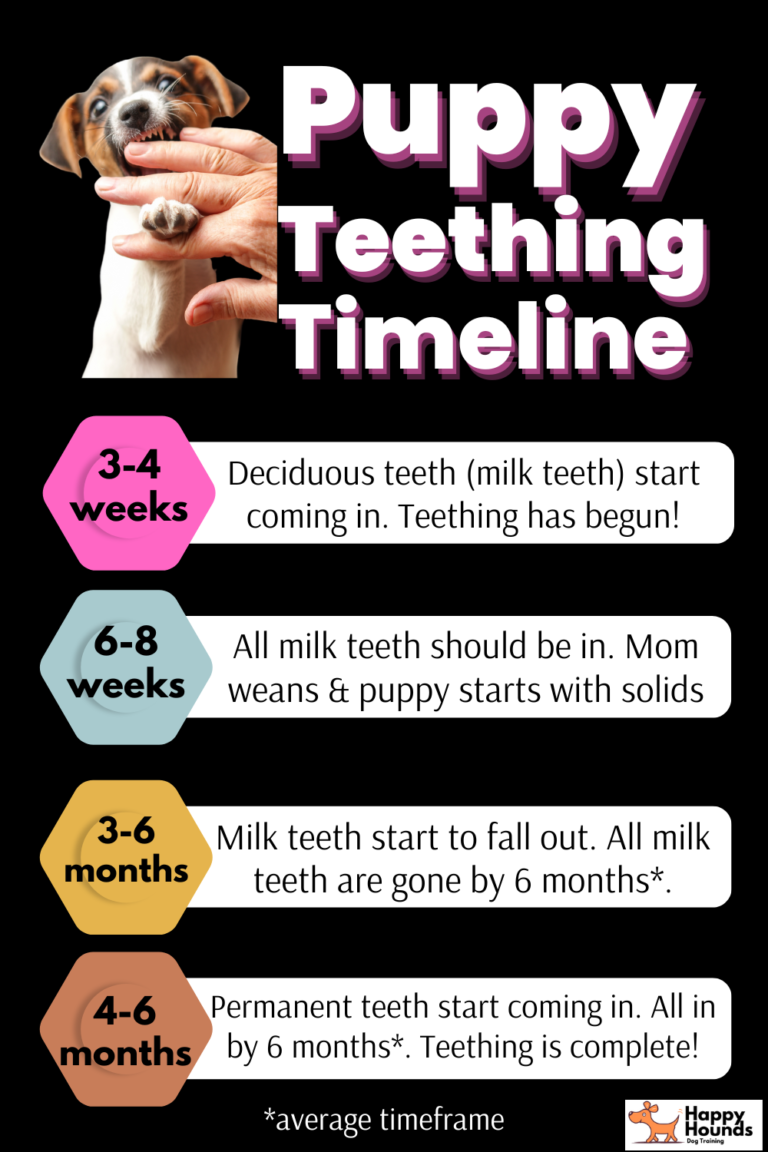
Puppy biting at 4 months refers to the intense developmental stage where canine juveniles lose their deciduous milk teeth and adult teeth begin erupting through inflamed gums. This biological process causes significant oral discomfort, driving youngsters to seek out hard surfaces, toys, and occasionally human skin to relieve the pressure. During clinical examinations in veterinary practice, inflamed and swollen gingival tissue is frequently observed in patients of this exact age group. Alongside teething, 4-month-old canines possess an insatiable curiosity about their environment. They use their mouths the way primates use hands, grasping, pulling, and tasting everything within reach to gather sensory data about the world.
Proper management of dental discomfort directly influences long-term behavioral health.
Unchecked mouthing habits can escalate into aggressive-sounding play styles or property destruction if underlying physical discomfort and behavioral needs remain unaddressed. Providing safe, durable chew items satisfies the biological urge to gnaw while protecting household items and human skin. Furthermore, incorporating mental enrichment strategies through interactive Method guides helps burn cognitive energy that might otherwise fuel chaotic behaviors. Nutrition also plays a subtle role here; ensuring diets meet all developmental requirements supports overall well-being. Guidance on specific dietary needs can be explored further within resources dedicated to Ingredients.
Teething in juvenile canines typically begins around three to four months of age, coinciding with the arrival of permanent teeth. — American Kennel Club (AKC)
Implementing structured redirection techniques curbs unwanted mouthing habits safely.
Redirecting sharp teeth away from human skin toward an acceptable toy requires immediate, calm consistency from every household member. When teeth make contact with hands, freezing motion and emitting a sharp vocalization mimics the feedback a littermate would provide, teaching gentle bite inhibition. Subsequently, presenting a rubber toy or frozen cloth allows the youngster to satisfy the physical need to chew without reinforcing the interaction with human skin. Professional trainers emphasize that consistency across all human family members prevents confusion. Exploring additional insights on behavioral development within General & Others can provide further clarity on canine psychology.
Avoiding common pitfalls ensures steady progress during behavioral training.
A frequent mistake involves using hands to wrestle or play rough games, which inadvertently teaches youngsters that human flesh is an acceptable target. Punishing or yelling at an adolescent canine during a mouthing frenzy often heightens arousal, making the behavior more intense rather than resolving it. Instead, incorporating structured routines tailored for specific milestones, such as celebrating a new Occasion with appropriate play, maintains positive reinforcement. Monitoring physical comfort during these activities remains essential for preventing stress.
Positive reinforcement training methods yield superior behavioral outcomes compared to physical reprimands in growing canines. — American Veterinary Medical Association (AVMA)
Pet Care & Wellness Overview Table
| Life Stage | Daily Activity Level | Key Nutrition / Care Focus |
|---|---|---|
| Puppy / Kitten | High (frequent short bursts) | High-protein growth diet & early socialization |
| Adult Companion | Moderate (30–60 mins daily) | Balanced maintenance nutrition & dental hygiene |
| Senior Pets | Low to Gentle (mindful walks) | Joint support (Glucosamine) & routine vet checks |
Images References





Breed characteristics and individual health factors influence teething intensity.
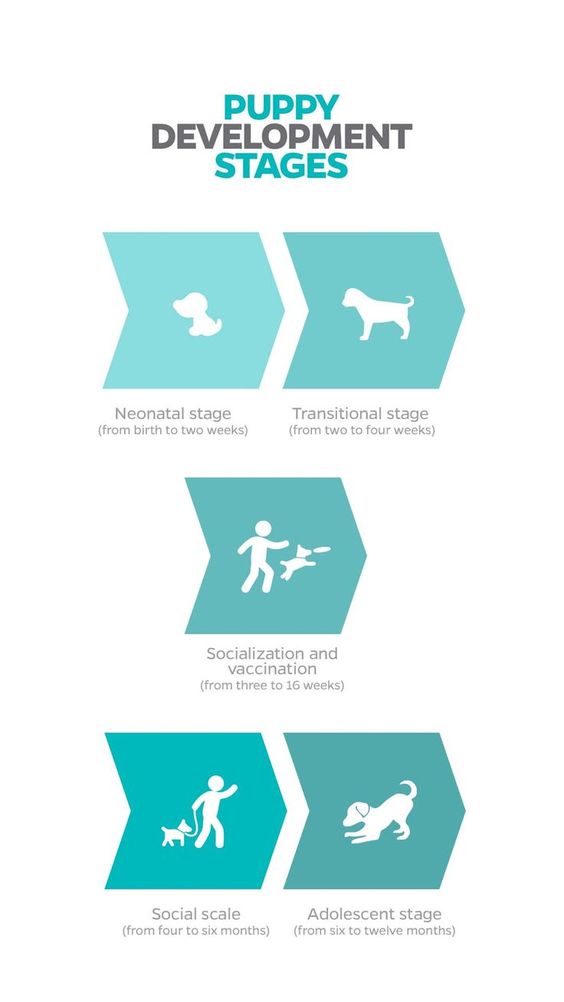
Working or herding breeds often display heightened oral intensity due to their genetic predisposition for gripping and controlling movement. Miniature or toy breeds might experience more prolonged dental retention, where baby teeth fail to fall out properly, requiring veterinary intervention to prevent crowding. Additionally, maintaining optimal physical health is crucial; learning more about specific vulnerabilities can be found in resources covering Dog Type and Health. Every individual develops at its own pace, meaning owners should adjust their expectations based on the specific puppy’s size and physical maturity.
Consulting a veterinarian ensures dental pain or persistent aggression is managed properly.
Professional veterinary guidance becomes necessary if mouthing escalates into genuine aggression, biting accompanied by growling and stiffening body language, or if dental abnormalities are suspected. Persistent drooling, refusal to eat hard food, or visibly broken teeth warrant a prompt physical examination to rule out painful medical conditions. Veterinary professionals can evaluate whether retained deciduous teeth require extraction or if specialized pain management is appropriate for severe teething discomfort. Always consult a qualified veterinarian before implementing any significant changes to a pet’s healthcare or wellness routine.
Building a strong bond through positive guidance creates a balanced adult dog.
Navigating the challenges of canine adolescence requires immense dedication, yet this demanding phase passes quickly with steady, compassionate guidance. Establishing clear boundaries today prevents lifelong habits that could strain the human-animal bond. Exploring additional expert resources on Home2Pet.com provides ongoing support for every stage of development. Embracing these formative months with patience ensures a harmonious relationship for years to come.