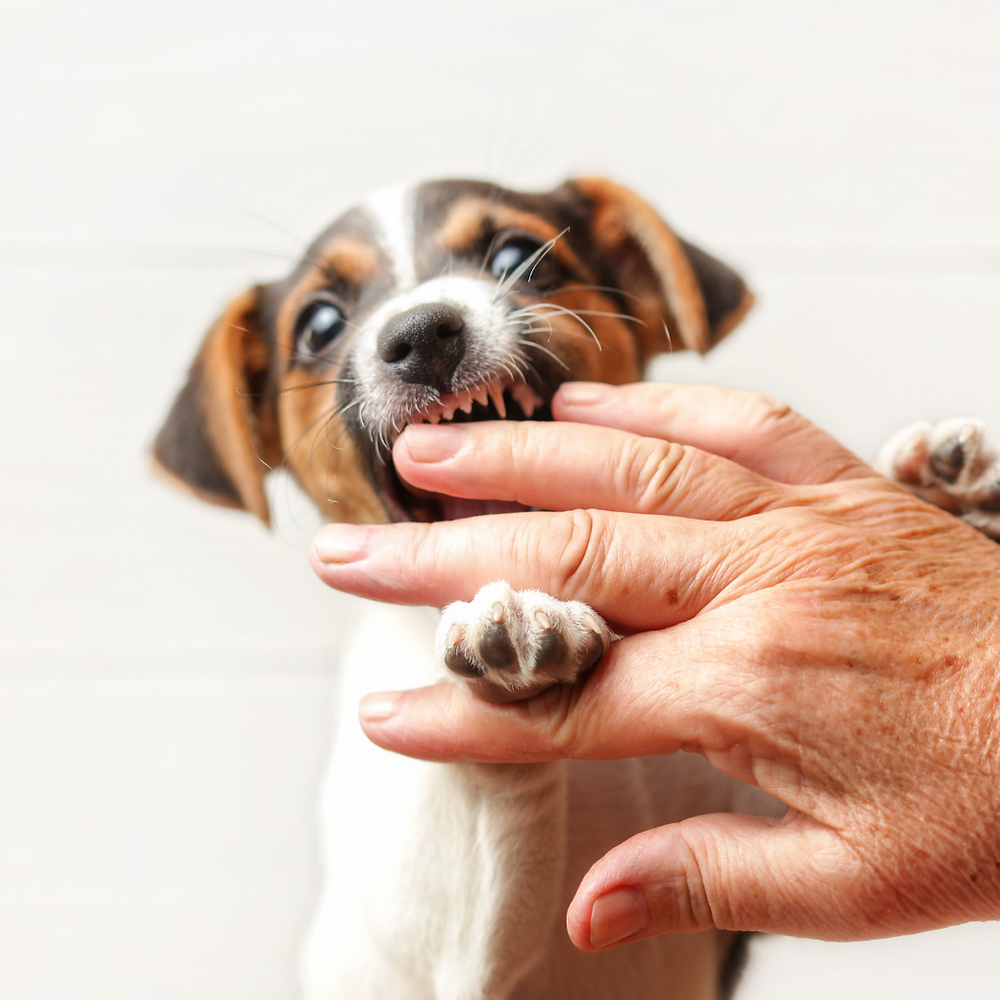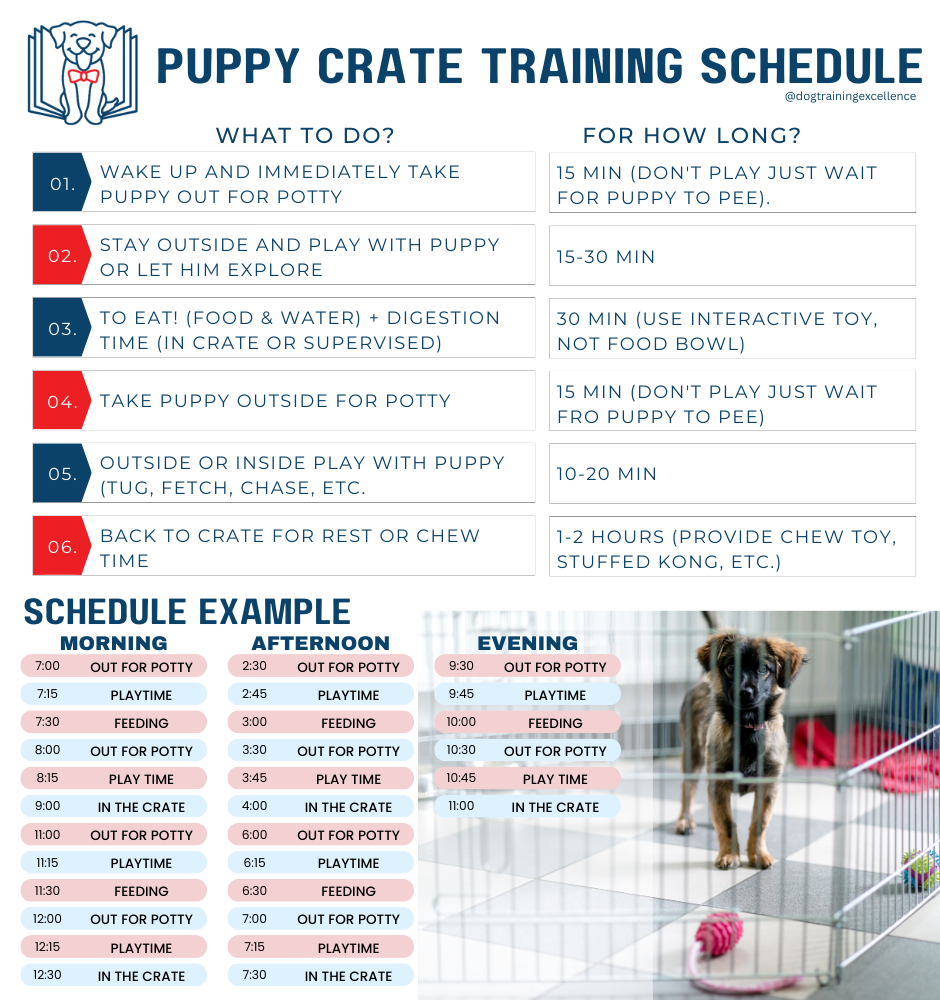
According to the American Kennel Club, adolescent canine behavior shifts significantly around the six-month mark as adult teeth fully settle and hormonal changes begin to unfold in the maturing body. Managing excessive nipping and teeth-to-skin contact during this particular window often frustrates household members who expected calmer habits by this stage. Hands-on clinical observations reveal that half-year-old canines frequently regress in their impulse control, testing boundaries much like human teenagers. Implementing structured training strategies becomes essential to safeguard household harmony and ensure the young animal develops polite manners. Understanding the root causes of these gripping behaviors allows caregivers to address them effectively without damaging the human-animal bond. Related guide: How To Get Puppy To Stop Biting Furniture.
💡 Pet Care Key Takeaways:
- Core Focus: Practical health, nutrition, and wellness guidelines for How To Control A 6 Month Old Puppy Who.Bites.
- Target Scope: Pet owners, animal caregivers, and veterinary support staff.
- Best Recommendation: Maintain consistent daily routines and consult an accredited veterinarian before introducing major diet or medical changes.
Understanding how to control a 6 month old puppy who.bites involves recognizing normal adolescent development.
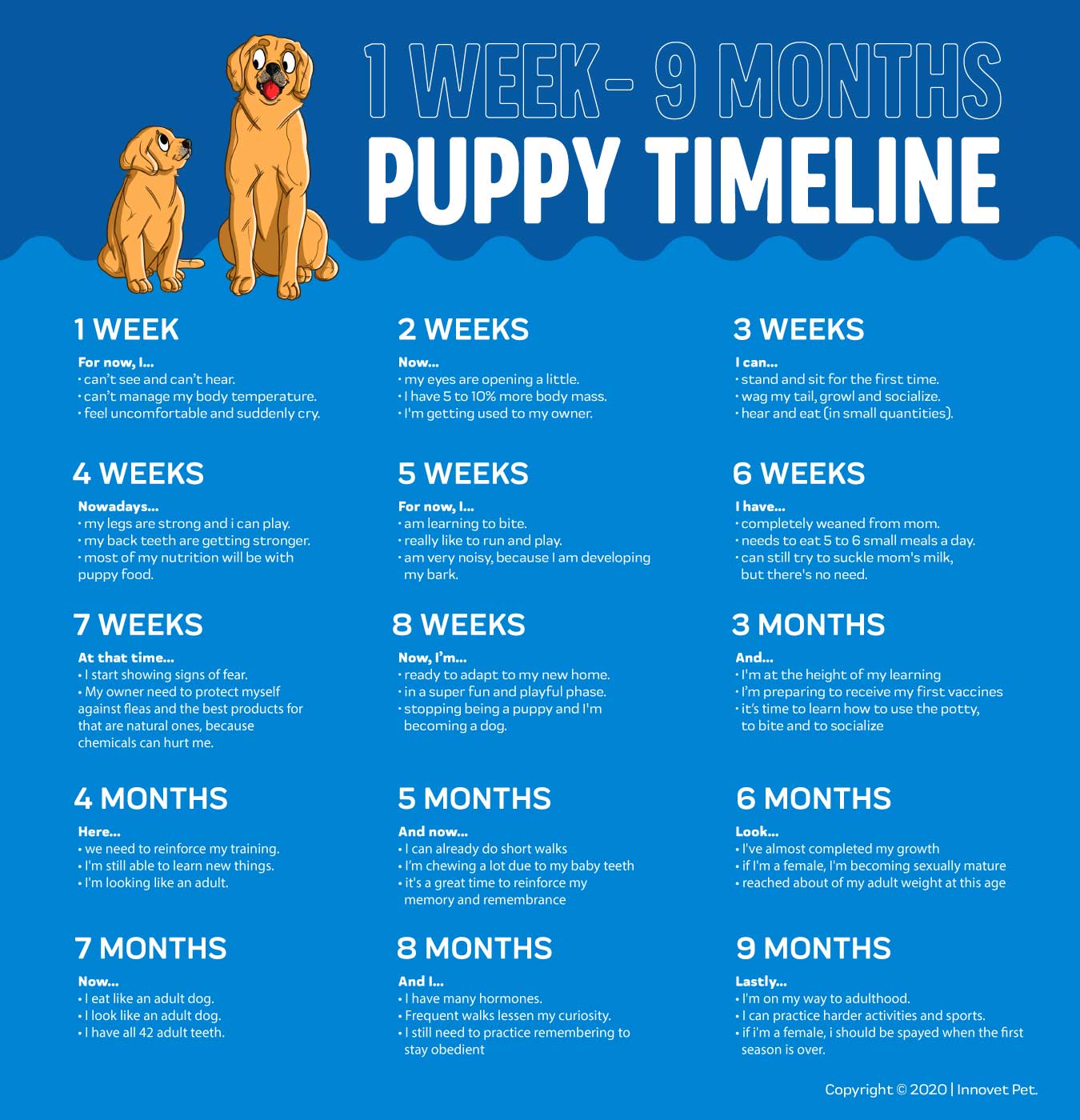
Addressing how to control a 6 month old puppy who.bites means recognizing that adolescent nipping differs significantly from the sharp needle teeth of early infancy. At half a year of age, jaw strength increases dramatically, turning playful nips into painful pinches that bruise skin and tear clothing. Veterinary technicians often explain that this stage combines lingering teething discomfort with surging adolescent energy and exploratory testing. Recognizing this specific behavioral phase helps households apply appropriate Method training techniques rather than relying on ineffective punishments that may trigger fear or aggression. Consistency across all household members remains the cornerstone of reshaping these deeply ingrained habits.
The impact of unmanaged mouthing on behavioral health and physical safety cannot be ignored.
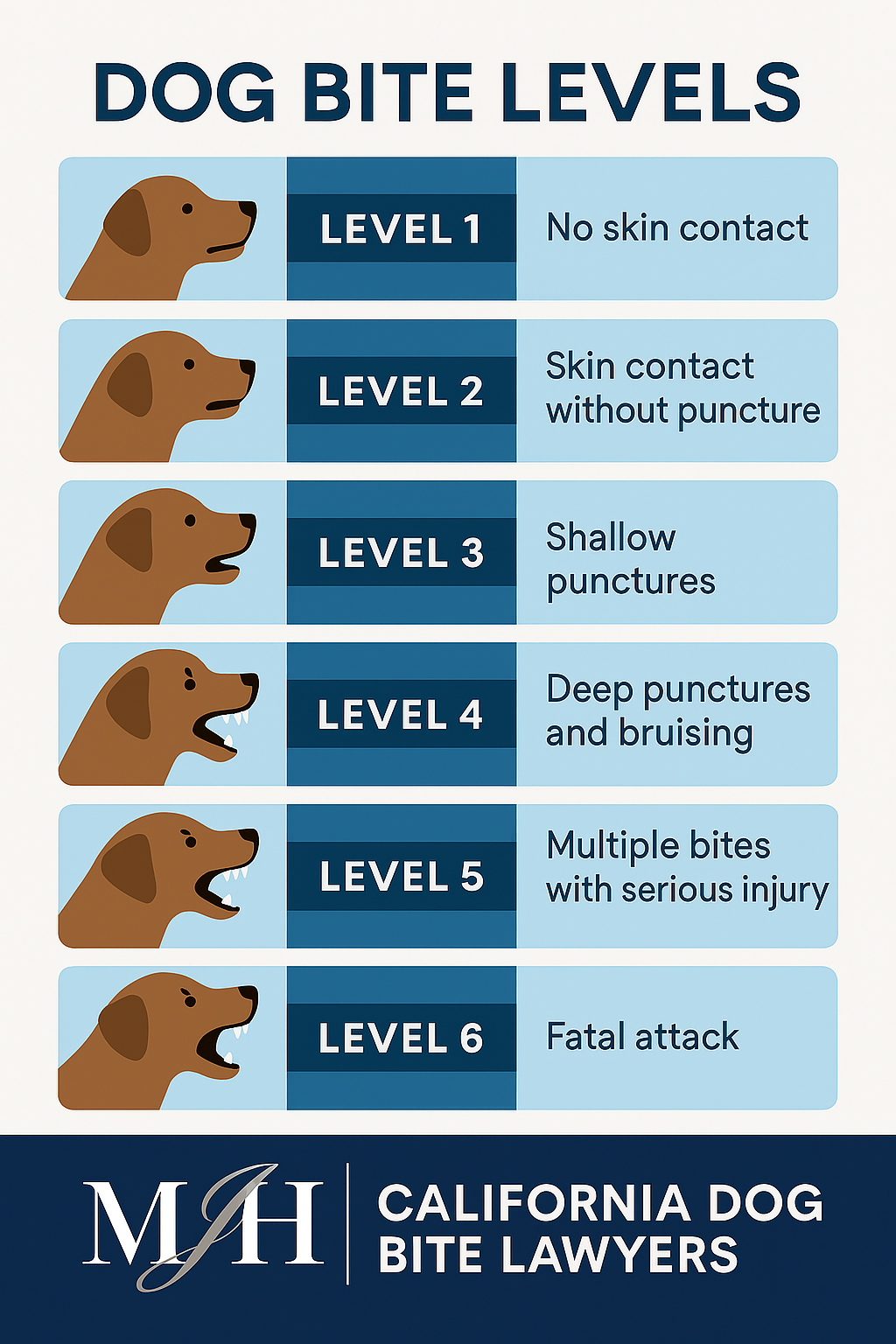
Uncontrolled adolescent mouthing poses significant risks to household safety and long-term canine socialization success. When a maturing dog learns that teeth-on-skin contact successfully earns attention or ends an interaction, the habit reinforces itself neurologically. Veterinary behavioral specialists frequently note that ignoring this phase during adolescence can lead to severe bite inhibition deficits in adulthood. Furthermore, improper handling techniques—such as physical reprimands—often escalate the problem by introducing anxiety into the daily routine. Proper nutritional support, regular physical exercise, and mental enrichment all play vital roles in lowering overall arousal levels, making the animal far less likely to resort to grabbing hands and ankles.
Adolescent dogs require consistent, positive reinforcement protocols to permanently extinguish unwanted nipping habits. — American Veterinary Medical Association
Applying consistent redirection strategies successfully stops unwanted nipping during daily interactions.
Successfully implementing techniques for how to control a 6 month old puppy who.bites relies heavily on immediate redirection to appropriate chew items. When the young canine’s teeth make contact with human skin, caregivers should instantly withdraw attention, freeze in place, and offer an approved rubber toy or rope instead. Practical experience in clinical settings shows that dramatic vocalizations like high-pitched yelps can sometimes hype up an adolescent dog rather than deterring them; therefore, a calm, silent withdrawal proves far more effective. Integrating high-value chews from trusted sources ensures the animal satisfies natural chewing urges safely without directing them toward household items or human limbs.
Avoiding common training pitfalls ensures faster progress and prevents unintended behavioral regression.
Avoiding physical reprimands, such as holding muzzles or tapping noses, prevents the development of fear-based defensive reactions in maturing canines. Another frequent mistake involves rewarding accidental mouthing by laughing, pushing the animal away playfully, or offering treats while teeth are still touching skin. Caregivers should ensure that every person interacting with the animal follows the exact same rules to prevent confusion during this crucial developmental milestone. Exploring safe dietary options, including appropriate Ingredients found in dental chews, can also redirect the chewing urge toward beneficial outlets that support oral health.
Providing designated chew items reduces destructive chewing behaviors by redirecting natural instincts toward appropriate objects. — American Kennel Club
Pet Care & Wellness Overview Table
| Life Stage | Daily Activity Level | Key Nutrition / Care Focus |
|---|---|---|
| Puppy / Kitten | High (frequent short bursts) | High-protein growth diet & early socialization |
| Adult Companion | Moderate (30–60 mins daily) | Balanced maintenance nutrition & dental hygiene |
| Senior Pets | Low to Gentle (mindful walks) | Joint support (Glucosamine) & routine vet checks |
Images References




Breed characteristics, individual size, and health status heavily influence adolescent mouthing intensity.
Larger sporting breeds and high-drive working dogs often display much higher intensity mouthing behaviors at six months of age compared to smaller companion breeds. Understanding specific breed traits helps tailor expectations regarding how quickly a young dog learns bite inhibition. Additionally, underlying medical discomfort, such as retained deciduous teeth or ear infections, can cause sudden spikes in irritable nipping. Caregivers must evaluate the animal’s overall Dog Type and Health profile to ensure that medical issues are not exacerbating behavioral outbursts during this demanding phase of growth.
Knowing when to consult a qualified veterinarian ensures underlying medical causes are promptly addressed.
Consulting a licensed veterinarian or a certified applied animal behaviorist becomes necessary if the nipping escalates into true aggression marked by growling, stiffening, or snapping. General education cannot replace an individualized veterinary evaluation, especially when behavioral changes appear suddenly or are accompanied by physical signs of pain. A professional can rule out neurological issues, painful dental abnormalities, or hidden injuries that might cause the animal to react defensively when touched. Always confirm any behavioral modification plan or supplement addition with your attending veterinarian to ensure it suits your specific dog’s health status.
Empowering your household with expert guidance creates a peaceful, well-behaved canine companion for life.
Mastering adolescent canine behavior takes time, dedication, and a unified approach from every member of the household. By pairing patience with consistent redirection, your young companion will soon mature into a polite and well-adjusted adult dog. Explore more expert advice and helpful resources across Home2Pet.com, including specialized guides in Occasion planning and General & Others care, to support your pet parenting journey every step of the way.