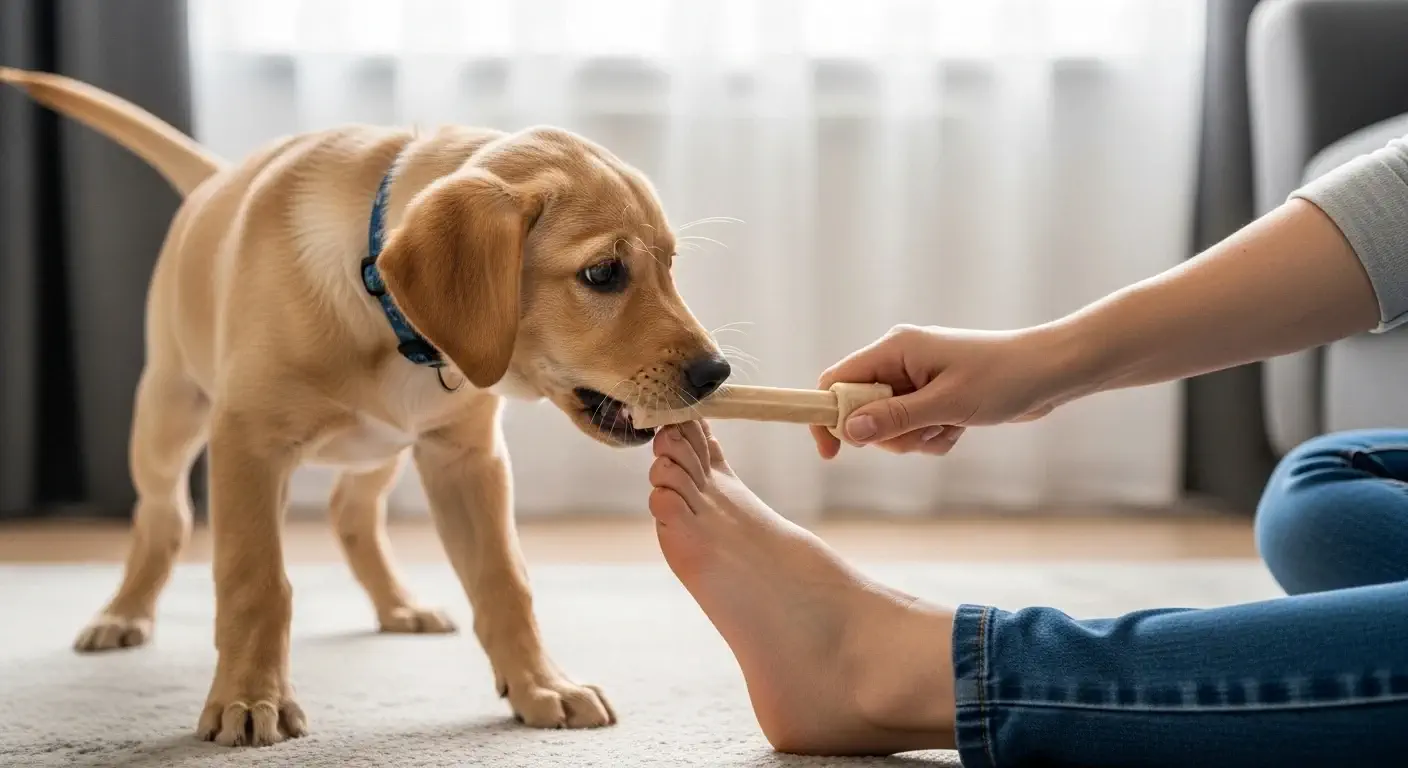
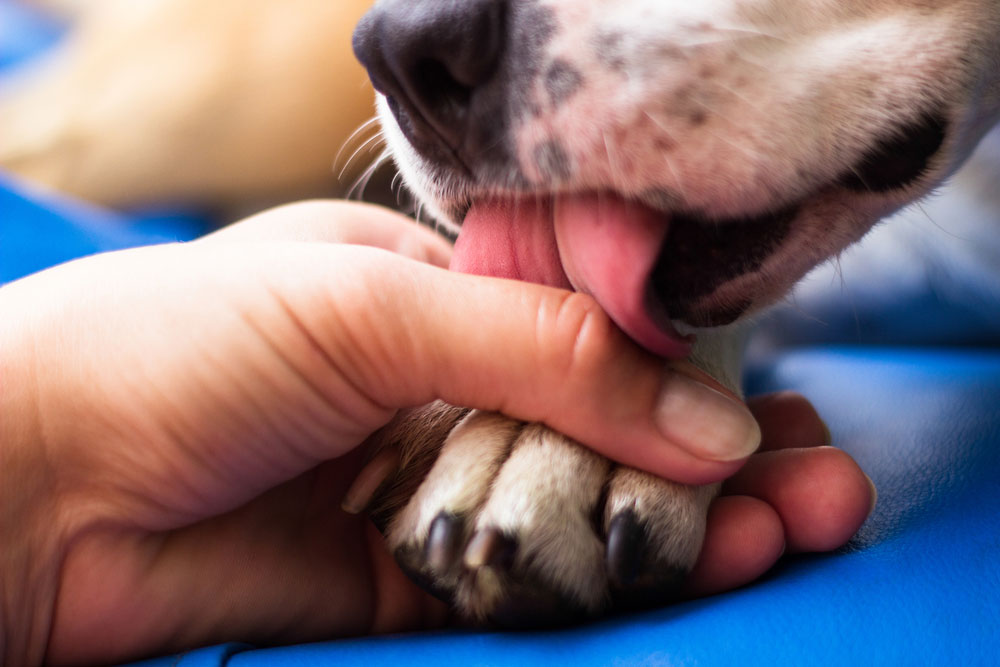
Mastering how to stop toy poodles from biting requires understanding that tiny teeth can cause significant behavioral challenges if left unaddressed.
According to the American Kennel Club, toy breeds frequently exhibit defensive nipping behaviors when their boundaries are crossed due to their diminutive stature and heightened environmental awareness. Miniature companions often feel overwhelmed by bustling households, translating that stress into sharp nips. Addressing this behavior early protects human skin while nurturing a secure bond between animal and guardian. Hands-on clinical observations reveal that toy poodles possess remarkable intelligence, meaning they pick up on inconsistent household rules faster than larger breeds. When humans accidentally reward mouthing with attention, the habit solidifies rapidly. Intervening with clear boundaries transforms a frantic nipper into a calm, well-adjusted household companion. Related guide: Frozzys Frozen Yogurt For Dogs.
💡 Pet Care Key Takeaways:
- Core Focus: Practical health, nutrition, and wellness guidelines for How To Stop Toy Poodles From Biting.
- Target Scope: Pet owners, animal caregivers, and veterinary support staff.
- Best Recommendation: Maintain consistent daily routines and consult an accredited veterinarian before introducing major diet or medical changes.
Understanding how to stop toy poodles from biting involves recognizing that mouthing is a natural canine exploration method that requires redirection rather than harsh punishment.
Puppies and adult dogs alike use their mouths to interact with the world, yet sharp teeth demand structured behavioral modification to ensure domestic harmony. This process relies on teaching impulse control and showing the dog that human skin is intensely fragile. Many handlers mistakenly believe that tiny dogs will simply grow out of puppy mouthing without active intervention. In reality, letting small dogs nip establishes a permanent pattern of disrespectful interaction. Veterinary behaviorists emphasize that positive reinforcement paired with immediate consequence removal yields the highest success rate.
Nutritional deficiencies and underlying physical discomfort directly influence canine mouthing tendencies and aggressive outbursts.
Unbalanced diets lacking essential micronutrients or causing chronic gastrointestinal distress can manifest as irritability and heightened nipping in sensitive companion animals. Furthermore, dental pain from retained deciduous teeth or periodontal disease often drives animals to snap when touched around the face. Ensuring optimal nutrition through high-quality commercial diets or balanced homemade formulations supports stable moods. Exploring comprehensive guidance via Dog Type and Health helps guardians align dietary choices with behavioral stability. In clinical practice, switching a chronically nippy poodle to an easily digestible, nutrient-dense diet frequently reduces sudden reactivity.
Nutritional inadequacies and hidden dental pain are leading contributors to sudden behavioral shifts, including increased nipping and defensive reactivity in small dogs. — American Veterinary Medical Association
Implementing proper training techniques for how to stop toy poodles from biting centers on consistent redirection and time-out protocols.
Successfully curbing canine mouthing relies on absolute consistency from every member of the household during daily interactions. Whenever teeth touch human skin, the interaction must immediately cease, accompanied by a sharp, neutral verbal cue like a low “ah-ah.” Ignoring the dog for thirty seconds teaches that biting makes human playmates disappear instantly. Transitioning to appropriate chew toys provides a healthy outlet for natural canine chewing urges. Exploring structured training approaches through Method resources offers step-by-step frameworks for long-term behavioral success.
Physical reprimands, such as tapping a dog’s nose or holding their mouth shut, frequently backfire by inducing fear-based aggression in delicate companion breeds. Shouting at an excitable dog often mimics high-pitched prey sounds, inadvertently encouraging them to bite harder. Instead, maintaining absolute emotional neutrality during outbursts prevents the dog from viewing discipline as a thrilling game of chase. Selecting appropriate reward treats when teaching alternative behaviors requires careful scrutiny of Ingredients to avoid hidden additives that might trigger hyperactivity. Patience remains the most powerful tool in any behavior modification toolkit.
Physical punishment and harsh vocal corrections increase defensive aggression in toy breeds by escalating their underlying fear and anxiety levels. — American Society for the Prevention of Cruelty to Animals
Pet Care & Wellness Overview Table
| Life Stage | Daily Activity Level | Key Nutrition / Care Focus |
|---|---|---|
| Puppy / Kitten | High (frequent short bursts) | High-protein growth diet & early socialization |
| Adult Companion | Moderate (30–60 mins daily) | Balanced maintenance nutrition & dental hygiene |
| Senior Pets | Low to Gentle (mindful walks) | Joint support (Glucosamine) & routine vet checks |
Images References






Breed-specific sensitivities, senior aging factors, and developmental milestones dictate tailored approaches to behavior modification.
Toy poodles possess high cognitive processing speeds paired with delicate skeletal structures that require gentle handling during training sessions. Teething puppies experience intense gum discomfort, making durable rubber chew toys chilled in the refrigerator an absolute necessity for soothing aching jaws. Senior poodles developing cognitive decline or vision loss may snap defensively when startled from sleep, requiring careful vocal identification before physical contact. Examining seasonal lifestyle adaptations via Occasion insights helps maintain routine consistency during holidays or travel when behavioral regression is most common.
Professional veterinary consultation is essential when behavioral interventions fail to yield improvement or sudden aggression emerges.
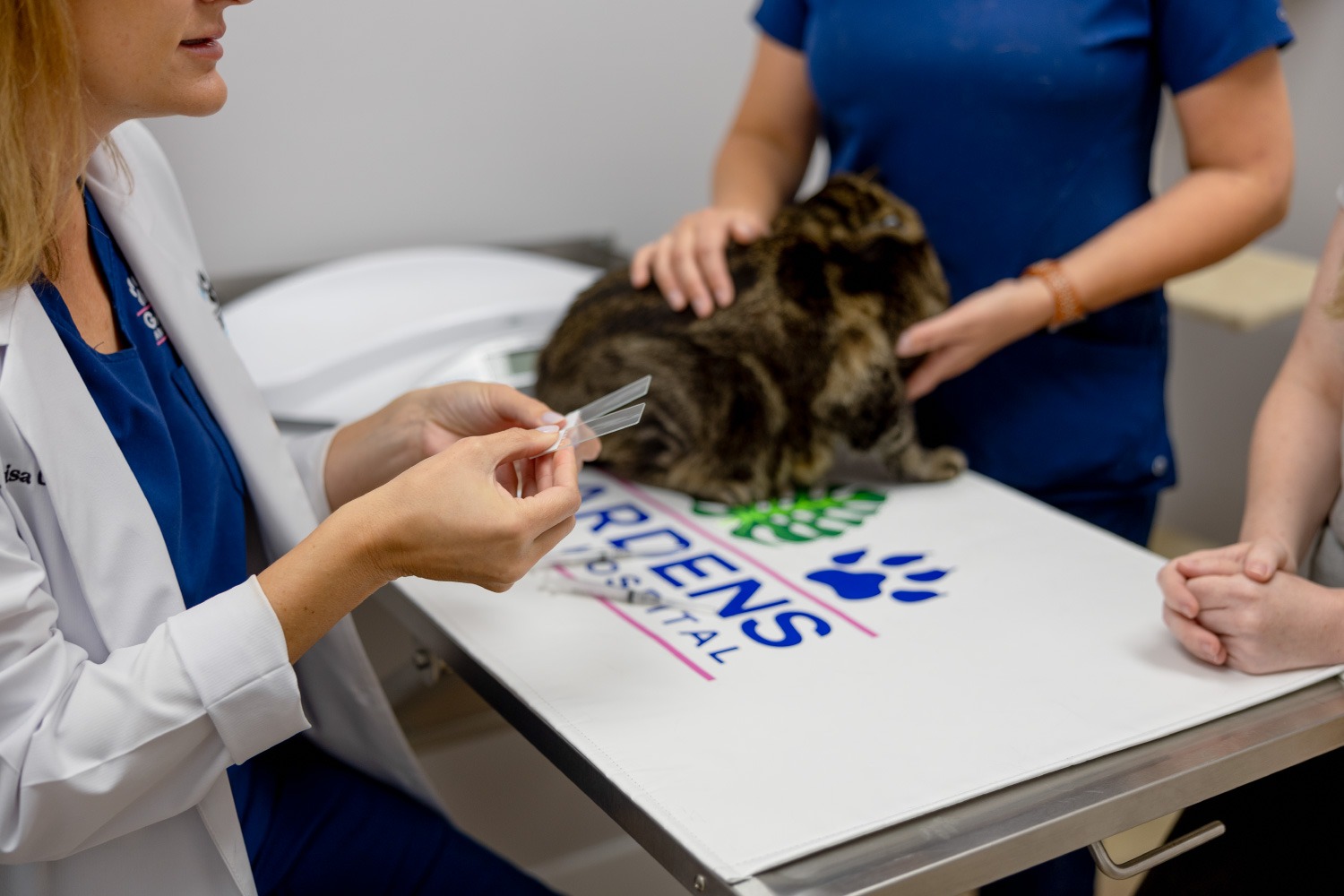
Persistent biting that resists consistent positive reinforcement protocols requires a thorough veterinary physical examination to rule out hidden neurological, endocrine, or orthopedic pain. Veterinarians can assess whether medical interventions or specialized veterinary behaviorist referrals are necessary to restore household peace. Never ignore sudden behavioral changes, as animals frequently use mouthing or snapping as their only voice to signal severe internal distress. Consulting qualified professionals ensures that underlying medical ailments receive prompt diagnosis and appropriate treatment.
Nurturing a harmonious household requires ongoing dedication to positive reinforcement and compassionate canine care practices.
Overcoming mouthing habits transforms a challenging dynamic into a deeply rewarding partnership built on mutual trust and clear communication. Discovering additional wellness resources on General & Others empowers guardians to handle everyday hurdles with confidence. Returning regularly to Home2Pet.com guarantees access to expert-backed advice designed to keep companions thriving through every life stage. Consistency, empathy, and professional guidance remain the cornerstone of a peaceful home.