Understanding Why Young Dogs Chew and Lick Their Paws Constantly
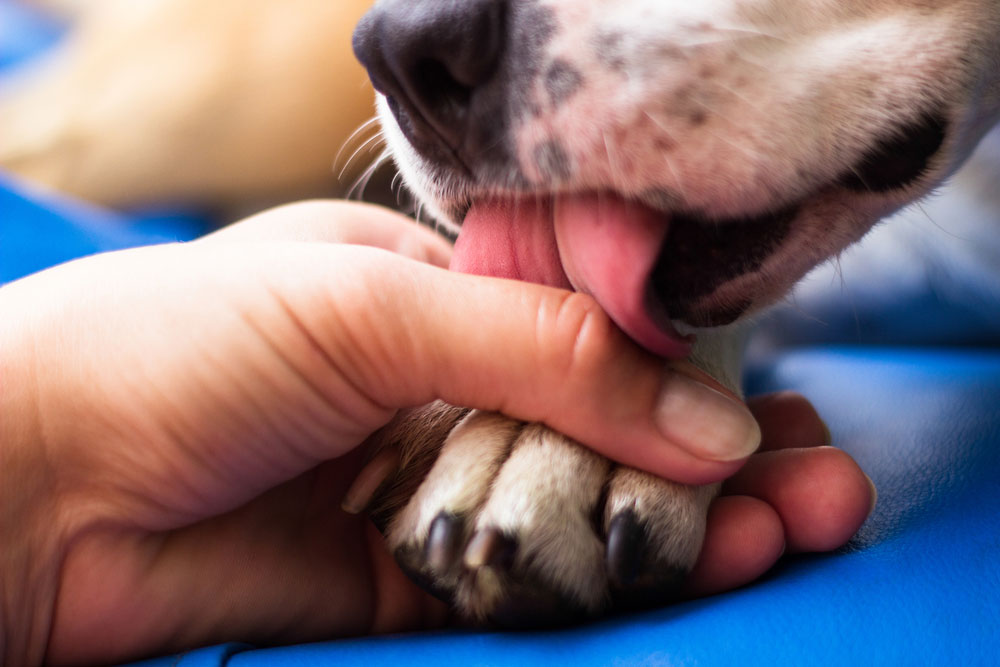
According to the American Kennel Club, obsessive paw licking and nibbling in young canines often signal an underlying physical irritation, environmental allergy, or behavioral stressor rather than simple boredom. Watching a canine companion persistently gnaw at their toes can cause immediate concern for caregivers trying to decode the behavior. In veterinary practice, observing a small puppy obsessively chew its paws usually points toward environmental triggers trapped between the digital pads. Recognizing the root cause requires looking past the surface habit and examining what might be triggering the sensation. Caregivers navigating this issue frequently search for what is good to give your puppy when he’s nibbling on his paws” to find safe, soothing relief for their pets. Related guide: Frozzys Frozen Yogurt For Dogs.
💡 Pet Care Key Takeaways:
- Core Focus: Practical health, nutrition, and wellness guidelines for What Is Good To Give Your Puppy When He’s Nibbling On His Paws.
- Target Scope: Pet owners, animal caregivers, and veterinary support staff.
- Best Recommendation: Maintain consistent daily routines and consult an accredited veterinarian before introducing major diet or medical changes.
Identifying What Safe Relief Means for a Nibbling Canine
Safe relief involves providing veterinary-approved topical balms, hypoallergenic wipes, or appropriate chew distractions that soothe irritated skin without introducing harmful toxins. Many household items and human skincare products contain ingredients that can be toxic to dogs, making careful selection paramount. For instance, zinc oxide and certain essential oils commonly found in human lotions can cause severe gastrointestinal distress or systemic toxicity if ingested during grooming. Consequently, selecting items specifically formulated for canine dermal health ensures that the animal remains safe while receiving comfort. Exploring safe nutritional supplements, such as omega-3 fatty acids found in specialized Ingredients, can also support a healthy skin barrier from the inside out.
The Dermal and Behavioral Impact of Persistent Paw Chewing
Persistent paw chewing compromises the delicate skin barrier, frequently leading to secondary bacterial or yeast infections known as moist dermatitis. When a dog repeatedly licks the interdigital spaces—the webbing between the toes—saliva accumulates and creates a warm, damp environment where pathogens thrive. This continuous cycle of itching and chewing not only damages the tissue but also elevates stress levels in young animals experiencing discomfort. Addressing this multifaceted issue requires a combination of physical soothing and behavioral redirection during daily routines. Proper care methods can significantly reduce inflammation, allowing the sensitive paw pads to heal properly. Learning the right Method for cleaning and drying paws after outdoor excursions helps prevent moisture buildup.
Interdigital dermatitis and secondary skin infections frequently develop when moisture and allergens remain trapped between a dog’s toes for extended periods. — American Kennel Club
Selecting and Applying Safe Comfort Measures for Sore Paws
Choosing natural, fragrance-free paw balms containing ingredients like coconut oil, shea butter, or beeswax provides a protective barrier against harsh pavement and allergens. Before applying any topical substance, caregivers must gently clean the paws using a damp cloth or a mild, vet-approved antiseptic wash to remove embedded dirt and pollen. In clinical settings, wrapping a stubborn chewer temporarily in a lightweight cotton sock can prevent further trauma while a soothing balm absorbs into the skin. Furthermore, offering durable rubber chew toys filled with safe, frozen pure pumpkin can effectively redirect the puppy’s oral fixation away from its feet. For specific seasonal flare-ups, exploring specialized care options through Occasion guides can offer targeted seasonal relief strategies.
Best Practices and Common Mistakes to Avoid During Paw Care
A frequent mistake among pet owners is applying human over-the-counter steroid creams or medicated ointments without professional guidance, which can thin the skin or cause harm if licked. Instead, stick strictly to pet-safe formulations and ensure the paws are completely dry before letting the animal walk on treated surfaces. Another pitfall involves ignoring the dietary aspect of skin health, as certain food sensitivities manifest primarily as itchy paws and ears. Incorporating balanced nutritional adjustments tailored to young animals ensures optimal development of the immune system. Reviewing comprehensive resources on Dog Type and Health helps caregivers align their care routines with specific breed predispositions.
Human medications containing hydrocortisone or NSAIDs should never be administered topically or orally to dogs unless explicitly prescribed by a licensed veterinarian due to high toxicity risks. — ASPCA Animal Poison Control Center
Pet Care & Wellness Overview Table
| Life Stage | Daily Activity Level | Key Nutrition / Care Focus |
|---|---|---|
| Puppy / Kitten | High (frequent short bursts) | High-protein growth diet & early socialization |
| Adult Companion | Moderate (30–60 mins daily) | Balanced maintenance nutrition & dental hygiene |
| Senior Pets | Low to Gentle (mindful walks) | Joint support (Glucosamine) & routine vet checks |
Images References


Age, Breed, and Health Considerations for Sensitive Paws
Different canine breeds possess unique predispositions to skin sensitivities, with smaller breeds and short-haired puppies often showing heightened vulnerability to environmental allergens. Environmental factors like freshly fertilized lawns, high pollen counts, and de-icing salts on winter sidewalks can trigger immediate irritation in sensitive paws. Age also plays a critical role, as developing immune systems in young canines are still learning to process environmental exposures without overreacting. Customizing the approach based on the animal’s specific size, coat type, and lifestyle ensures better long-term management of paw-chewing habits. Consulting broader pet care insights found under General & Others assists in establishing a well-rounded wellness routine.
When Professional Veterinary Guidance Becomes Essential
Professional veterinary consultation is necessary whenever paw chewing is accompanied by severe redness, swelling, foul odor, limping, or open sores that do not improve with basic care. A veterinarian can perform skin scrapings or cytology tests to rule out mange, fungal infections, or severe contact dermatitis that require prescription intervention. Delaying professional treatment often allows minor irritations to escalate into painful, chronic conditions that are much harder to resolve. Relying on professional diagnostics guarantees that the underlying cause—whether parasitic, allergic, or orthopedic—receives accurate treatment. Expert medical oversight remains the safest pathway to restoring comfort and health to a suffering pet.
Supporting Canine Wellness Through Knowledge and Care
Addressing a young dog’s persistent paw nibbling requires patience, careful observation, and a commitment to safe, evidence-based practices. By prioritizing veterinary guidance and utilizing appropriate soothing measures, caregivers can protect their pets from secondary infections and chronic discomfort. Exploring the diverse educational resources available at Home2Pet.com empowers dog owners to make informed decisions regarding canine health and nutrition. Every small adjustment in daily hygiene and environmental management contributes to a happier, healthier life for the canine companion.