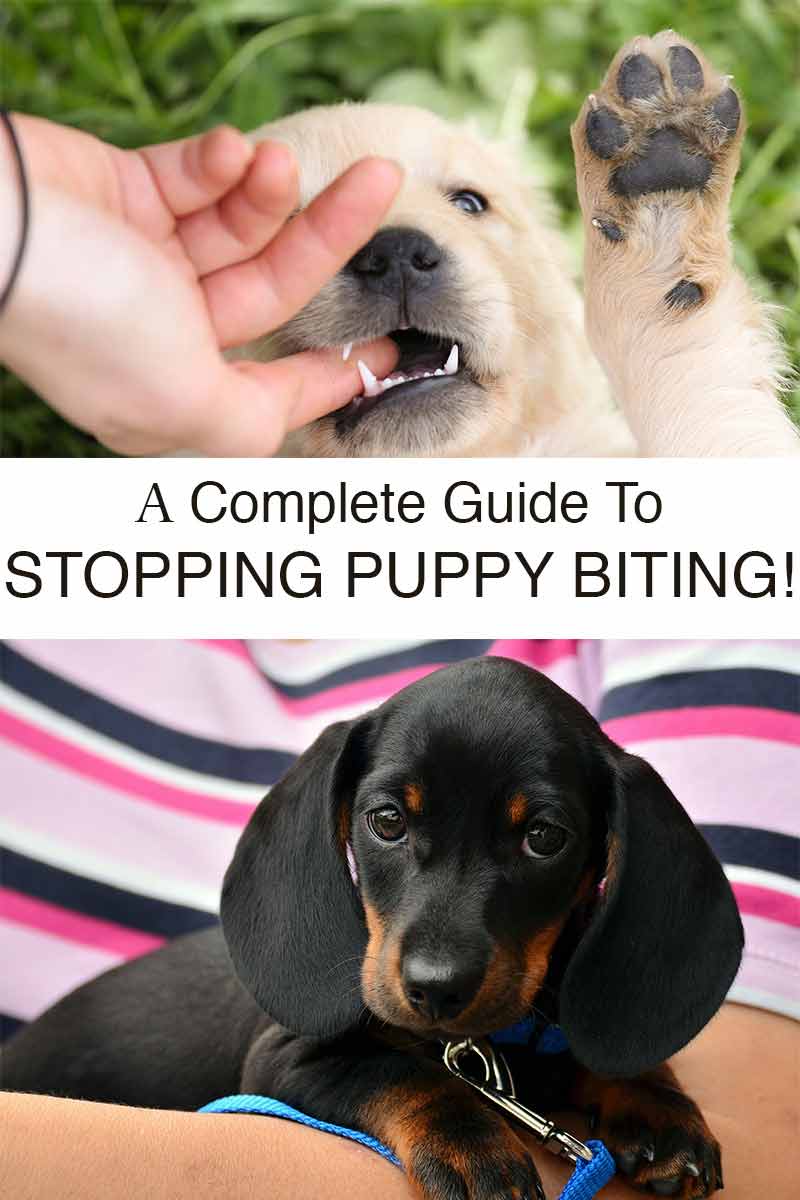
Understanding Why Adolescent Canines Continue Mouthing Behaviors
According to the American Kennel Club, behavioral issues such as persistent mouthing during adolescence represent one of the primary challenges reported by household pet caregivers. Many families experience significant distress when a 6 month old puppy will not stop biting furniture, clothing, and human hands. This stage often catches owners off guard, as they expect these sharp-toothed habits to disappear entirely after the initial teething phase. In veterinary practice, working hands-on with adolescent canines reveals that juvenile nipping is rarely fueled by genuine aggression; rather, it stems from a complex mix of physiological development, environmental overstimulation, and ingrained exploratory instincts. Related guide: How To Stop A Blue Heeler Puppy From Biting.
💡 Pet Care Key Takeaways:
- Core Focus: Practical health, nutrition, and wellness guidelines for 6 Month Old Puppy Will Not Stop Biting.
- Target Scope: Pet owners, animal caregivers, and veterinary support staff.
- Best Recommendation: Maintain consistent daily routines and consult an accredited veterinarian before introducing major diet or medical changes.
Defining the Teenage Chewing and Nipping Phase
A 6 month old puppy will not stop biting typically because the animal is navigating late-stage dental eruption alongside a massive surge of adolescent hormones. During this timeframe, permanent adult teeth are fully settling into the jawbone, which can cause lingering gum tenderness and an intense biological drive to apply pressure. Furthermore, young dogs possess very little self-control at this age, mirroring human teenagers whose neurological impulse-control centers are still forming. Recognizing that this behavior is a normal developmental milestone helps caretakers respond with structured guidance instead of frustration.
The Behavioral and Nutritional Impacts on Growing Canines
Unchecked adolescent mouthing can inadvertently reinforce poor boundaries and lead to chronic household stress for both pets and their human companions. When a growing canine lacks appropriate outlets for jaw pressure, frustration mounts, frequently culminating in destructive chewing on household items or accidental skin contact. Additionally, nutritional imbalances or caloric deficits can sometimes manifest as restless, obsessive chewing behaviors. Ensuring proper dietary management through guidance from veterinary nutritionists helps stabilize juvenile energy levels. Exploring resources on Dog Type and Health offers valuable insights into managing these transitional life stages effectively.
Adolescent dogs require consistent management and appropriate chew outlets to satisfy their biological drive to use their jaws safely. — American Kennel Club
Practical Methods for Managing Persistent Juvenile Nipping
Redirecting unwanted mouth contact toward appropriate toys immediately teaches the young dog what is acceptable to bite. Establishing a predictable routine involving physical exercise and mental enrichment prevents the pent-up energy that often triggers frenzied nipping episodes. Whenever sharp teeth touch human skin, pausing all interaction instantly removes the reward of attention, communicating clearly that biting halts playtime. Utilizing structured training techniques found within the Method section can further refine obedience and impulse control.
Essential Best Practices and Common Pitfalls to Avoid
Avoiding high-pitched squealing or frantic arm-waving is crucial, as these physical reactions mimic prey movement and inadvertently encourage the dog to bite harder. Consistency among all household members remains paramount; mixed signals only prolong the confusion during this developmental window. Providing durable, safe rubber chew toys chilled in the refrigerator can wonderfully soothe inflamed gums without risking dental fractures. Caretakers must always monitor chew items closely to prevent accidental ingestion of plastic fragments or hazardous materials.
Behavioral modification plans for adolescent dogs succeed best when every member of the household adheres to identical rules regarding boundary setting. — Association of Professional Dog Trainers
Pet Care & Wellness Overview Table
| Life Stage | Daily Activity Level | Key Nutrition / Care Focus |
|---|---|---|
| Puppy / Kitten | High (frequent short bursts) | High-protein growth diet & early socialization |
| Adult Companion | Moderate (30–60 mins daily) | Balanced maintenance nutrition & dental hygiene |
| Senior Pets | Low to Gentle (mindful walks) | Joint support (Glucosamine) & routine vet checks |
Images References




Breed, Size, and Individual Health Considerations
Larger working breeds often possess much stronger jaw muscles and higher energy reserves, meaning a 6 month old puppy will not stop biting with greater intensity than smaller companion breeds. Conversely, toy breeds might experience prolonged dental retention where baby teeth refuse to fall out, causing acute discomfort and heightened nipping. Health conditions such as juvenile oral pain, ear infections, or neurological sensitivities can also lower a dog’s threshold for tolerance, resulting in reactive mouthing. Tailoring any management strategy to fit the unique physical traits of the specific animal is vital for long-term success.
When to Consult a Veterinary Professional
Professional veterinary guidance becomes necessary if the mouthing escalates into hard, unprovoked snapping, growling, or defensive body posturing that suggests true aggression or fear. Medical evaluations should also be sought if the adolescent dog displays a sudden, drastic change in chewing habits, which could indicate underlying dental disease, gastrointestinal distress, or systemic illness. Always confirm safe management practices and behavior modification plans with a qualified veterinarian before implementing intensive corrective measures.
Fostering a Calm Environment for Your Adolescent Pet
Navigating the adolescent months requires patience, consistency, and a deep understanding of canine development as the young animal matures into a well-adjusted adult. Exploring specialized nutritional insights via Ingredients or discovering thoughtful ways to celebrate milestones through Occasion can enhance the bonding experience. For further guidance on daily care routines, visit Home2Pet.com alongside General & Others to keep every furry family member healthy and happy.


