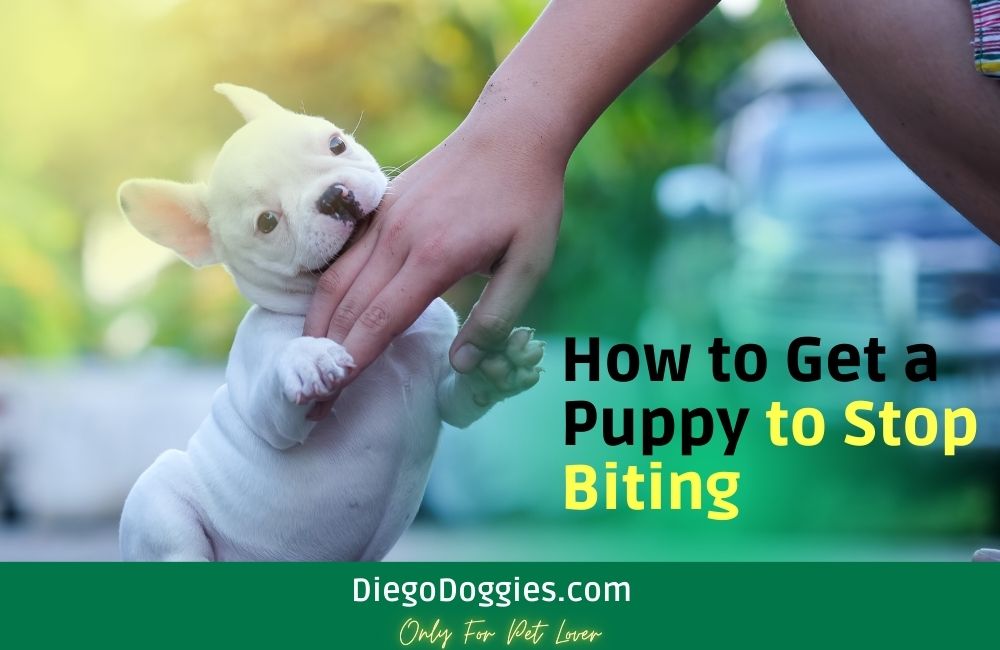
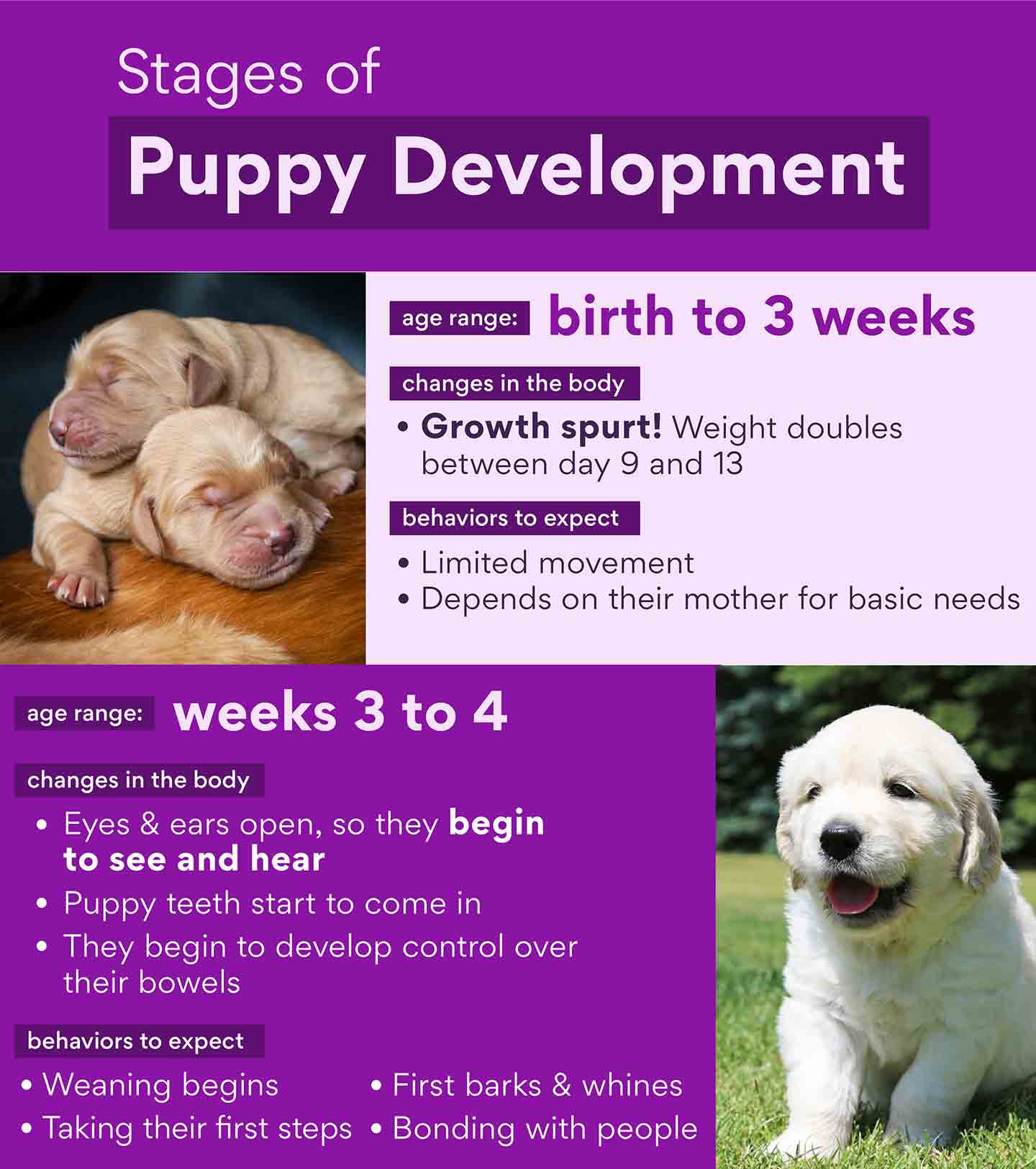
According to the American Kennel Club (AKC), puppies undergo critical developmental milestones during their earliest weeks of life that shape their long-term temperament and physical resilience. Stepping in to support an infant dog requires dedication, patience, and a deep understanding of canine biology. During clinical practice in veterinary medicine, watching a tiny six-week-old canine explore a living room rug for the very first time reveals just how fragile yet intensely curious this age truly is. These miniature explorers rely entirely on human caregivers for warmth, nourishment, and protection as they transition away from maternal care. Related guide: Natural Flea And Tick Shampoo For Dogs.
💡 Pet Care Key Takeaways:
- Core Focus: Practical health, nutrition, and wellness guidelines for How To Care For 6 Week Old Puppy.
- Target Scope: Pet owners, animal caregivers, and veterinary support staff.
- Best Recommendation: Maintain consistent daily routines and consult an accredited veterinarian before introducing major diet or medical changes.
Mastering how to care for 6 week old puppy demands an awareness of rapid physical changes and unique metabolic needs. At this stage, little canines are technically undergoing weaning, a process where they gradually shift from mother’s milk to solid nutrition. However, premature separation from the litter often creates behavioral hurdles, making human intervention vital for proper socialization. Handling these tiny creatures gently sets the foundation for a confident, well-adjusted adult dog.
Defining the Critical Care Requirements for a Six-Week-Old Canine
Properly executing how to care for 6 week old puppy means managing a high-maintenance routine centered around round-the-clock feeding, temperature regulation, and gentle environmental exposure. Unlike older adolescent dogs, six-week-old infants cannot regulate their own body temperature efficiently and lack fully developed immune systems. Veterinary technicians frequently observe that ambient room temperature can make the difference between a thriving litter and a fading puppy, highlighting the absolute necessity of draft-free, warm sleeping quarters.
Furthermore, environmental safety takes precedence at this stage of life. Because curious puppies explore the world entirely through their mouths, toxic household items, exposed electrical cords, and small objects must be completely eliminated from their reach. Navigating General & Others resources can help caregivers establish secure indoor zones tailored to miniature breeds.
Nutritional Demands and Metabolic Support During Early Weaning
Nutritional management for how to care for 6 week old puppy requires high-calorie, easily digestible meals designed specifically to support rapid skeletal and neurological growth. Commercial puppy formulas combined with moistened, high-quality kibble provide the necessary caloric density for these tiny engines. In daily clinical settings, warming up wet puppy food slightly often triggers the natural feeding response in hesitant eaters, ensuring they maintain adequate blood sugar levels.
Puppies at six weeks of age require multiple small, nutrient-dense meals throughout the day due to their limited stomach capacity and high metabolic rate — American Kennel Club
Caregivers must remain vigilant about dietary restrictions. Certain human foods, such as chocolate, grapes, onions, and artificial sweeteners like xylitol, are profoundly toxic to dogs and can cause fatal organ failure even in tiny amounts. Exploring specialized Ingredients guides helps owners select safe, nutrient-rich dietary components.
Implementing Effective Feeding and Socialization Strategies Safely
Executing successful routines for how to care for 6 week old puppy involves establishing consistent feeding schedules and gentle, positive exposure to novel sounds and textures. Establishing structure early helps prevent resource guarding and anxiety later in life. In practice, introducing soft rubber toys rather than hard bones prevents damage to fragile, erupting deciduous teeth.
Best Practices for Daily Management and Common Pitfalls to Avoid
Avoiding abrupt dietary changes prevents severe gastrointestinal distress, which can quickly become life-threatening in animals this young. Caregivers should introduce new textures or food types gradually over the course of several days. Additionally, over-exercising a six-week-old puppy can permanently damage developing growth plates in their joints, making short, gentle play sessions vastly superior to long walks.
Early socialization windows open around three weeks and begin closing by twelve weeks, making gentle, positive exposure during the sixth week vital for preventing fear-based behaviors — Association of Shelter Veterinarians
Pet Care & Wellness Overview Table
| Life Stage | Daily Activity Level | Key Nutrition / Care Focus |
|---|---|---|
| Puppy / Kitten | High (frequent short bursts) | High-protein growth diet & early socialization |
| Adult Companion | Moderate (30–60 mins daily) | Balanced maintenance nutrition & dental hygiene |
| Senior Pets | Low to Gentle (mindful walks) | Joint support (Glucosamine) & routine vet checks |
Images References
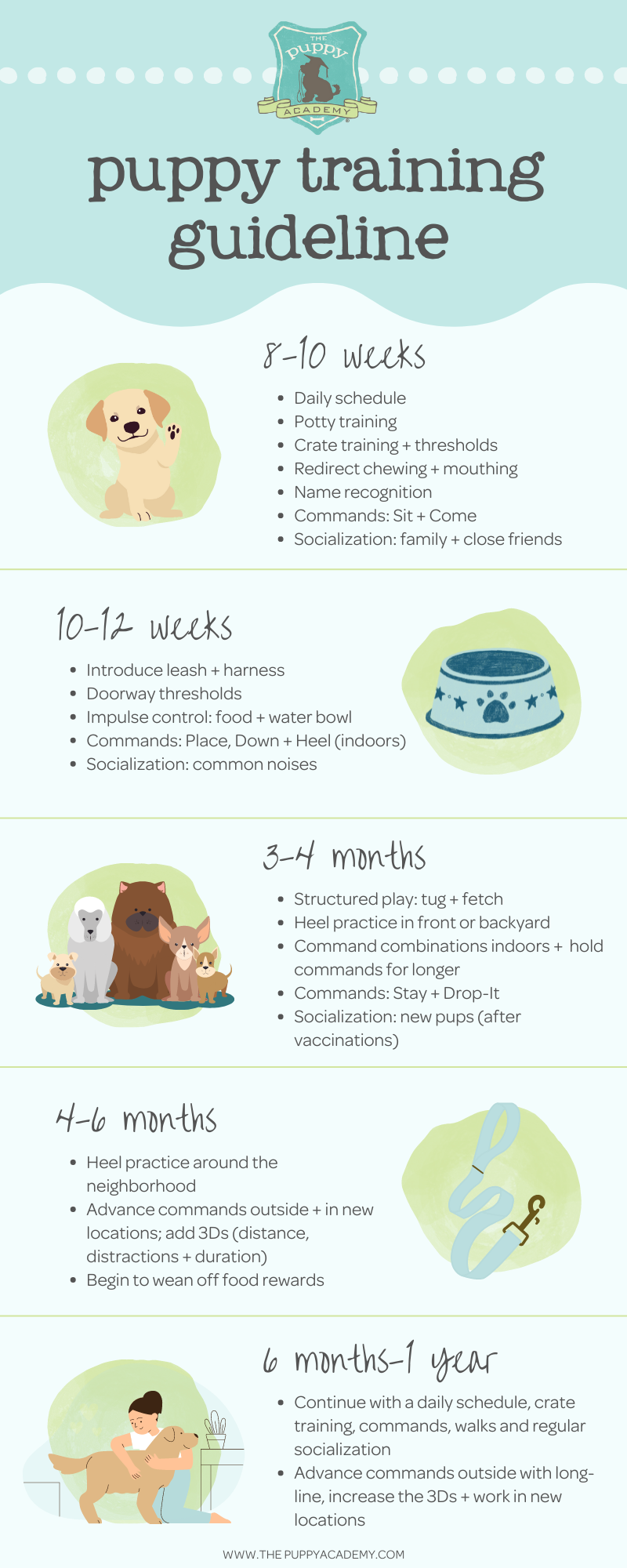



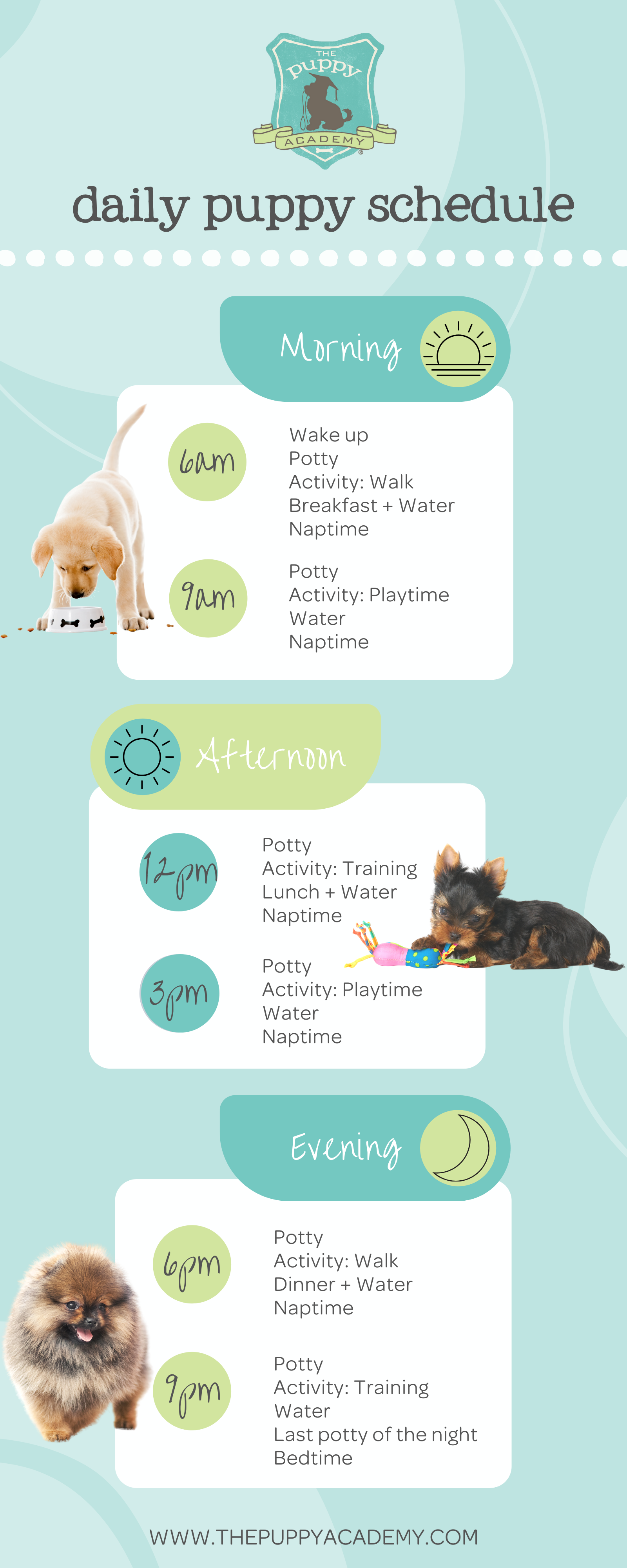
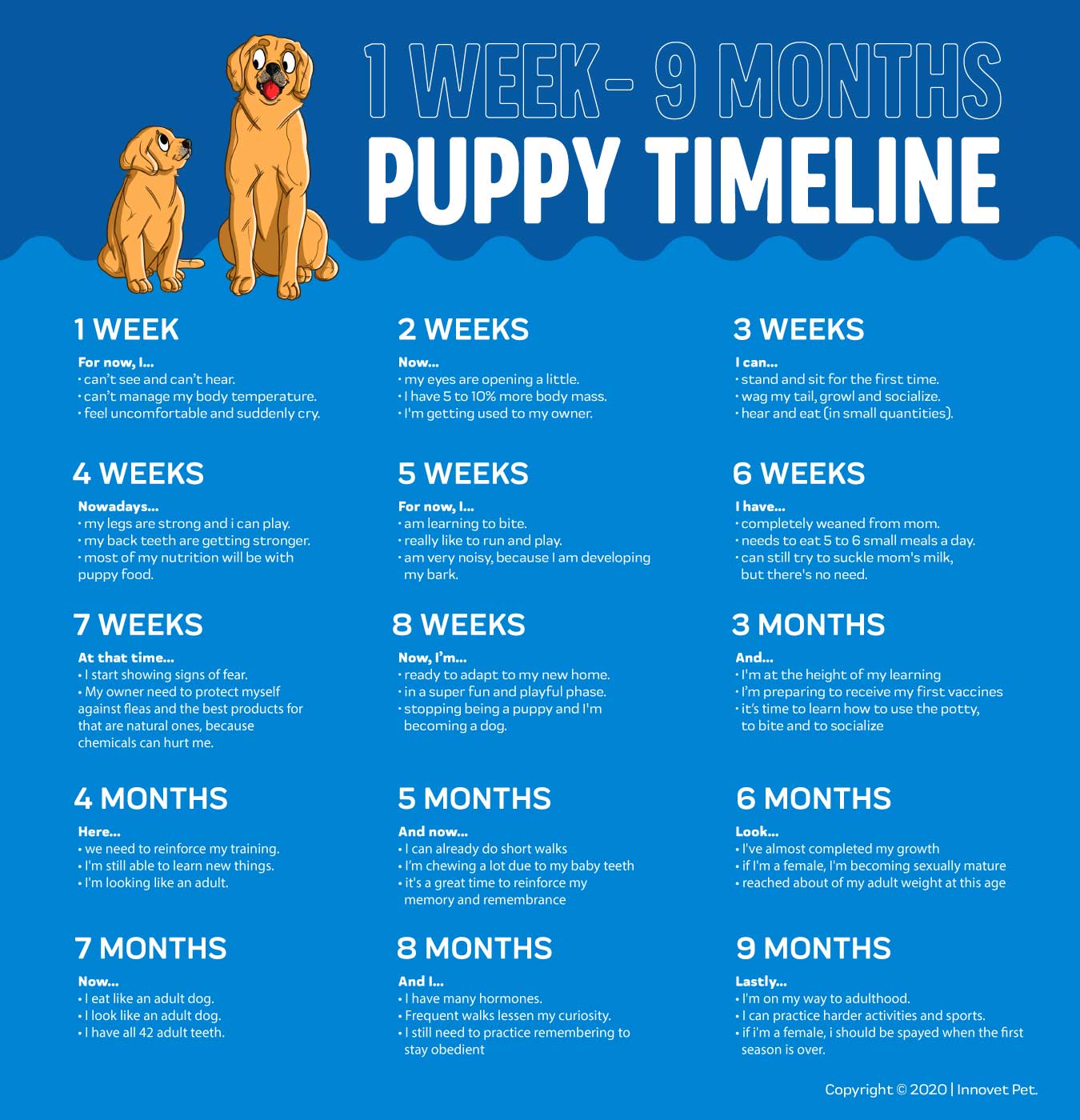
Consulting specialized Method articles provides structured blueprints for safe socialization without overwhelming the animal’s nervous system. Cleanliness is another critical pillar; bedding must be laundered frequently to prevent parasitic infections and bacterial growth.
Tailoring Care Protocols to Specific Breed Sizes and Health Statuses
Adapting how to care for 6 week old puppy requires recognizing that a toy breed like a Chihuahua has vastly different vulnerability levels compared to a large-breed puppy like a Labrador Retriever. Toy breeds face constant danger from hypoglycemia, a dangerous drop in blood sugar, whereas larger breeds focus heavily on controlled bone growth. Professional veterinary oversight becomes essential when managing litters that experienced difficult births or premature weaning.
Reviewing curated Dog Type and Health resources allows owners to customize their care strategies based on genetic predispositions and specific physiological vulnerabilities.
When to Consult a Veterinary Professional Immediately
Professional veterinary guidance is non-negotiable when caring for animals at such a vulnerable stage of development. Symptoms such as persistent lethargy, vomiting, diarrhea, refusal to eat, or labored breathing demand immediate medical intervention rather than a wait-and-see approach. Because infant canine immune systems are immature, illnesses can escalate from mild to critical within a matter of hours.
Fostering a Lifelong Foundation of Health and Happiness
Dedicated oversight during the formative weeks of life paves the way for a resilient, healthy adult companion. By balancing warmth, precise nutrition, and careful socialization, owners set the stage for a remarkable bond. Discover more expert advice across various life stages by visiting Home2Pet.com and browsing specialized Occasion categories to ensure every milestone is met with confidence.