Understanding the Nutritional Needs of Aging Canines
According to the American Veterinary Medical Association, senior dogs experience profound metabolic and dental shifts that require specialized dietary care, making everyday rewards a critical component of their overall wellness plan. As canines transition into their golden years, their digestive systems slow down, and their jaws may lose the robust strength of youth. This physiological decline often frustrates owners who wish to continue positive reinforcement routines without causing dental discomfort. Traditional hard biscuits frequently crumble into sharp fragments or resist chewing entirely, leaving older pets distressed or abandoning the treats altogether. Selecting an appropriate reward requires balancing high palatability with gentle textures, ensuring that motivation remains high during training sessions. Furthermore, geriatric animals often struggle with joint stiffness and decreased mobility, meaning that routine physical activity must be paired with low-impact rewards that do not add unnecessary metabolic stress. Addressing these shifting requirements starts with a thorough understanding of what goes into commercial formulations designed specifically for aging pets. Exploring resources on Dog Type and Health helps caregivers match specific life-stage formulas with individual physical needs. Beyond mere palatability, modern pet nutrition emphasizes functional ingredients that support cognitive function and maintain lean muscle mass during late adulthood. Through careful observation, veterinary technicians frequently notice that older dogs display renewed enthusiasm for learning new cues when the accompanying morsels are soft, aromatic, and easy to consume quickly. Consequently, evaluating specific product lines helps demystify the vast array of options available on store shelves today.
💡 Pet Care Key Takeaways:
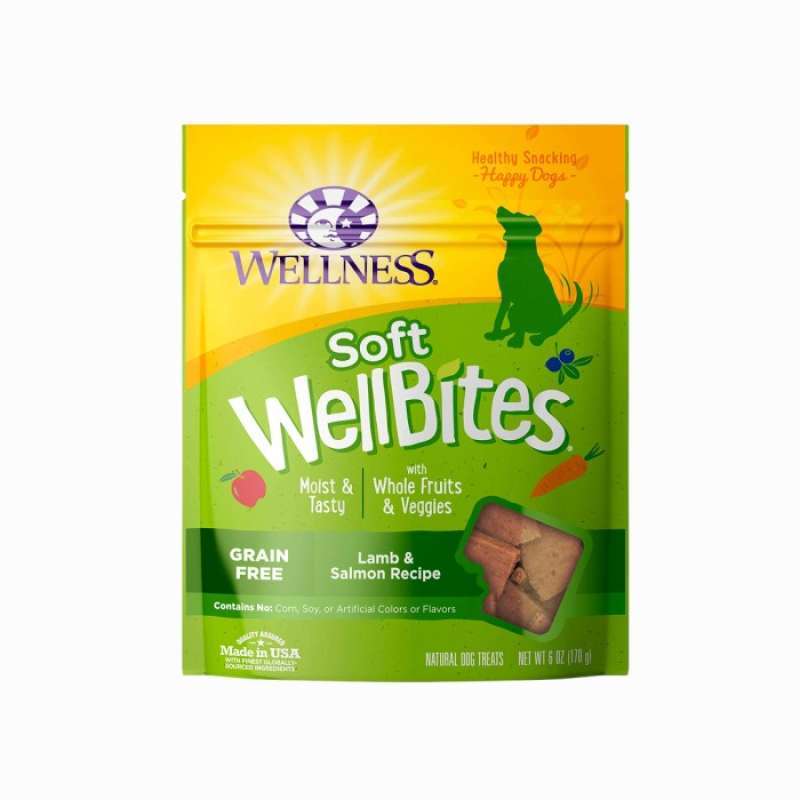
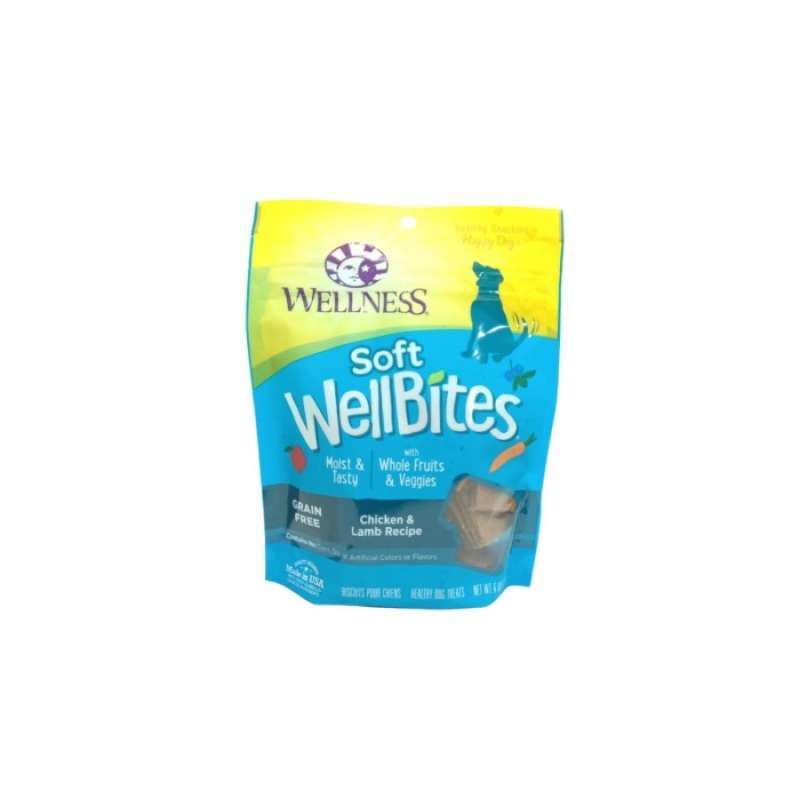
- Core Focus: Practical health, nutrition, and wellness guidelines for Wellness Soft Wellbites Senior Dog Training Treats Review.
- Target Scope: Pet owners, animal caregivers, and veterinary support staff.
- Best Recommendation: Maintain consistent daily routines and consult an accredited veterinarian before introducing major diet or medical changes.
Evaluating the Wellness Soft Wellbites Senior Dog Training Treats Review Specifications
A comprehensive wellness soft wellbites senior dog training treats review” involves analyzing ingredient profiles, texture profiles, and caloric density to ensure suitability for aging animals. These specialized snacks typically feature high-moisture formulas that yield a tender, pliable consistency, allowing dogs with missing teeth or periodontal disease—the inflammation of tissues surrounding the teeth—to chew effortlessly. When conducting a wellness soft wellbites senior dog training treats review”, experts look closely at the primary protein sources, grain-free or wholesome grain inclusions, and the presence of specialized joint-supporting compounds like glucosamine and chondroitin. Unlike standard puppy treats that prioritize sheer caloric density for growth, senior-targeted rewards emphasize lean proteins and targeted antioxidants to combat cellular aging. In practical clinical settings, geriatric dogs frequently reject dry, brittle snacks because the mechanical effort of chewing causes mild oral pain. Transitioning to a tender reward eliminates this barrier, fostering a positive association with obedience exercises or husbandry tasks like nail trimming. Additionally, the small, bite-sized nature of these products prevents overfeeding during frequent repetition, a common pitfall that leads to unwanted weight gain in less active canines. Caregivers must also examine labels for artificial preservatives, synthetic colors, and excessive sodium levels that could burden compromised renal systems. Investigating quality Ingredients ensures that every calorie consumed contributes positively to daily vitality rather than introducing inflammatory agents.
Nutritional Impact and Joint Support in Aging Pets
Functional rewards formulated for older canines actively contribute to joint mobility and sustained cognitive sharpness through targeted nutritional supplementation. As cartilage degrades over time, dogs often exhibit reluctance to jump, climb stairs, or execute basic obedience commands that require physical exertion. Incorporating specific nutraceuticals into daily treats helps mitigate this discomfort, maintaining an active lifestyle well into the twilight years. Handlers frequently observe that older animals respond remarkably well to routines that incorporate supplemental omega fatty acids, which nourish skin and coat while easing inflammatory pathways. However, the caloric contributions of these training aids must be strictly monitored to prevent obesity, a condition that severely exacerbates canine arthritis. Pet owners should calculate the total daily caloric intake, ensuring that rewards do not exceed ten percent of the recommended daily energy requirement. Careful portion management safeguards metabolic health while still permitting effective behavioral reinforcement throughout the day. Selecting the right product requires looking beyond marketing claims to verify that the nutritional profile aligns with Association of American Feed Control Officials standards for maintenance. For optimal results, integrating rewards with a structured Method of positive reinforcement yields the highest behavioral retention rates.
Senior dogs metabolize dietary fats and proteins differently than younger adults, requiring carefully balanced formulations that preserve lean muscle mass without overloading internal organs. — American Kennel Club. Related guide: Frozzys Frozen Yogurt For Dogs.
Selecting and Administering Rewards for Older Dogs
Choosing the correct formulation involves matching the physical capabilities of the animal with a product that offers high value during learning exercises. Because older dogs often experience a dulling of their sense of smell and taste, highly aromatic rewards stimulate interest far more effectively than bland alternatives. When initiating a training session, handlers should break larger pieces into micro-portions to maximize repetition without risking digestive upset. This technique is especially useful during scent work or mental stimulation games designed to keep senior minds sharp and engaged. Transitioning to new snack options should always occur gradually over the course of a week to prevent acute gastrointestinal distress, such as vomiting or soft stool. Furthermore, maintaining consistency in reward delivery strengthens the bond between owner and pet, reinforcing desired behaviors with minimal stress. Exploring different contexts for reward delivery can also be found within resources dedicated to every Occasion, ensuring that celebrations and learning moments remain healthy.
Best Practices and Common Pitfalls to Avoid
Overlooking hidden calorie counts stands out as the single most frequent error made by well-meaning pet parents during daily training routines. Even soft, bite-sized rewards accumulate significant caloric values when dispensed liberally throughout the day, rapidly contributing to weight-related health complications. Another common misstep involves feeding products that contain hidden allergens or excessive sodium, which can tax aging kidneys and trigger dermatological flare-ups. Handlers should consistently prioritize quality control by checking expiration dates and storing tender treats in airtight containers to prevent mold growth and retain moisture. When dogs show disinterest, forcing participation creates negative stress rather than encouraging learning. Pausing the session or switching to a higher-value, moisture-rich alternative usually resolves this reluctance instantly. Veterinary technicians frequently emphasize that patience remains the ultimate tool when working with geriatric animals whose cognitive processing speeds have naturally slowed. Reviewing foundational care concepts through General & Others provides additional safety tips for household pet management.
Periodontal disease affects the vast majority of dogs over the age of three, making tender, easily digestible textures essential for comfortable chewing in older pets. — American Veterinary Medical Association
Pet Care & Wellness Overview Table
| Life Stage | Daily Activity Level | Key Nutrition / Care Focus |
|---|---|---|
| Puppy / Kitten | High (frequent short bursts) | High-protein growth diet & early socialization |
| Adult Companion | Moderate (30–60 mins daily) | Balanced maintenance nutrition & dental hygiene |
| Senior Pets | Low to Gentle (mindful walks) | Joint support (Glucosamine) & routine vet checks |
Images References






Breed, Size, and Health Condition Considerations
Individual physical characteristics heavily dictate how an older dog processes dietary rewards, requiring customized approaches for different breeds and sizes. Miniature and toy breeds, such as Chihuahuas or Poodles, possess minuscule oral cavities and distinct dental vulnerabilities that demand exceptionally tiny, soft morsels to prevent choking. Conversely, large and giant breeds like Labradors or Great Danes require proportional sizing to prevent them from simply swallowing snacks whole without experiencing the intended taste reinforcement. Health conditions such as canine diabetes, pancreatitis, or food sensitivities further narrow the acceptable range of commercial products, demanding strict adherence to veterinary-approved dietary restrictions. For instance, dogs managing kidney disease require strict phosphorus monitoring, making standard protein-heavy snacks entirely unsuitable without professional guidance. Handlers must carefully cross-reference ingredient labels against known medical diagnoses before introducing any new food item into a daily regimen. Tailoring the choice of snack to accommodate specific physical limitations ensures that training remains a safe, joyful activity rather than a source of hidden medical risk.
When to Consult a Veterinary Professional
Professional veterinary guidance is essential whenever an aging dog exhibits sudden changes in appetite, chewing habits, or digestive tolerance following a dietary adjustment. A sudden reluctance to accept treats rarely stems from mere stubbornness; it frequently signals underlying dental pain, oral tumors, or systemic illness requiring immediate clinical evaluation. Furthermore, if a senior pet displays excessive thirst, lethargy, or unexplained weight fluctuations after starting a new reward routine, professional diagnostics should be scheduled promptly. Veterinarians can perform comprehensive blood panels and oral examinations to rule out metabolic disorders or advanced periodontal disease that home care cannot resolve. Never attempt to diagnose or treat chronic digestive upset without professional oversight, as persistent symptoms may indicate failing organ function. Establishing an open dialogue with a trusted veterinary team ensures that nutritional choices support long-term vitality while respecting the unique physiological boundaries of aging companion animals.
Summary and Helpful Pet Care Resources
Supporting an aging companion requires a delicate balance of patience, precise nutrition, and appropriate physical accommodations tailored to their shifting life stage. Selecting tender, functional rewards keeps the learning process enjoyable while safeguarding fragile teeth and sensitive digestive tracts from unnecessary stress. Continuous observation of behavioral cues and physical changes allows caregivers to adapt routines proactively, ensuring a high quality of life throughout the golden years. For more comprehensive guides on canine wellness, nutrition, and daily care strategies, visit Home2Pet.com to explore expert-backed articles and resources designed for devoted pet owners everywhere.