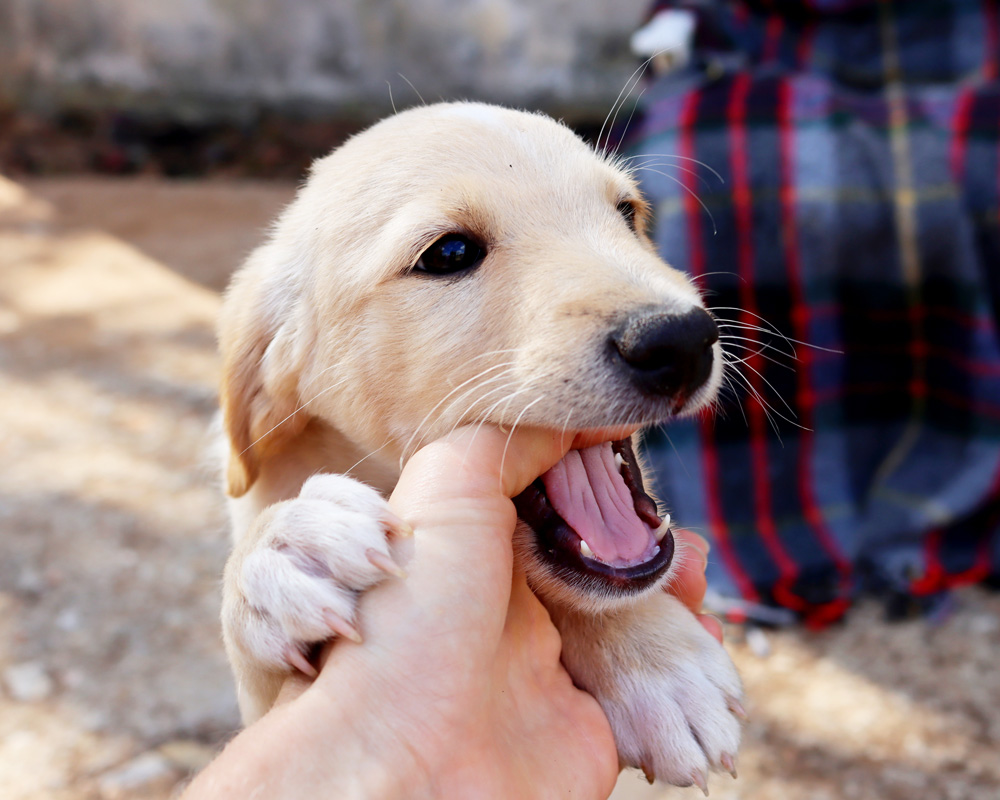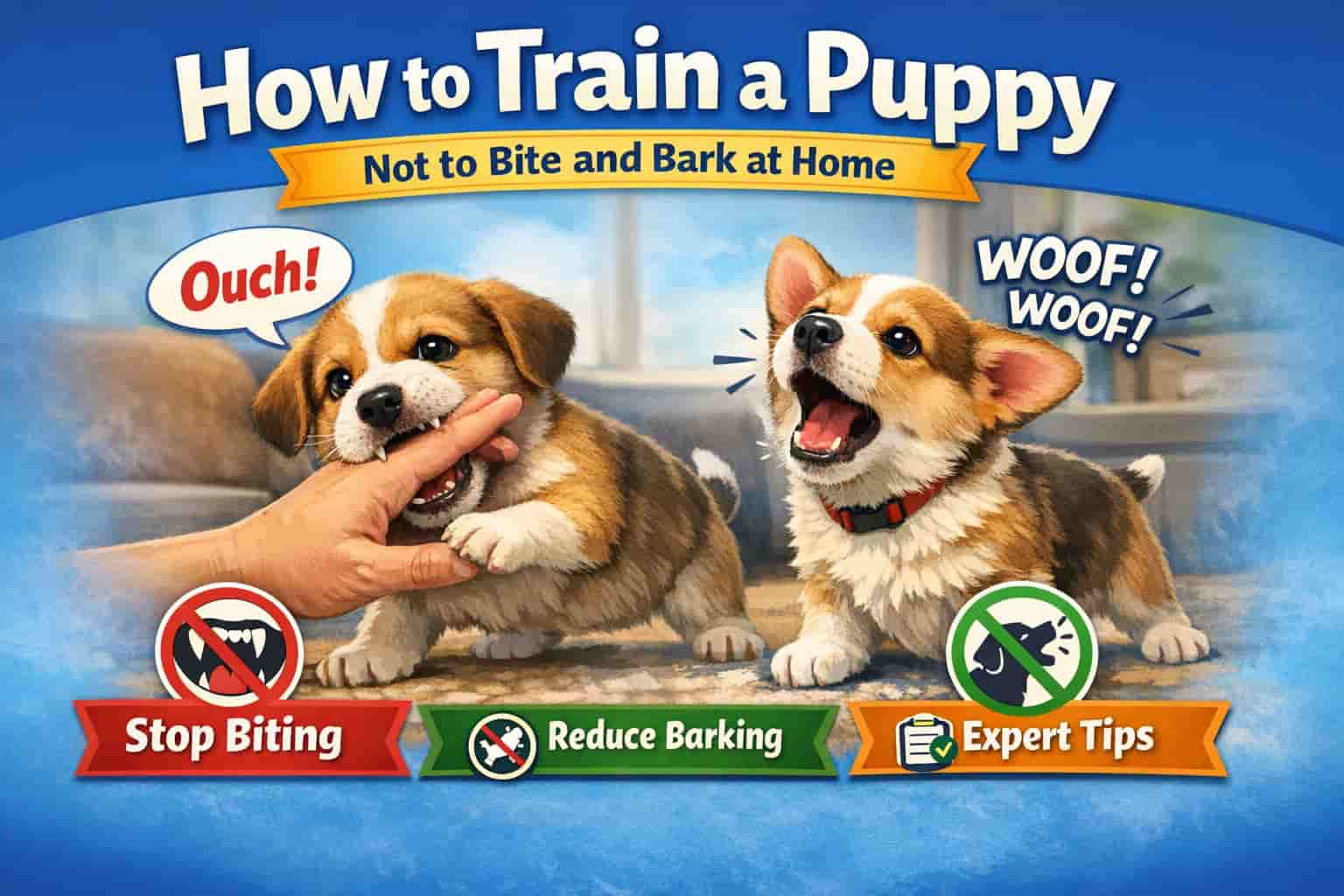
Understanding the timeline of how long does it take to train a puppy not to bite?
According to the American Society for the Prevention of Cruelty to Animals, canine mouthiness is a completely natural exploratory behavior that requires consistent guidance to redirect into acceptable habits. Bringing a new canine companion home brings boundless joy alongside needle-sharp teeth and endless playful nipping. Many households wonder about the precise duration required to curb this tendency, hoping for a simple timeline. In clinical practice, the journey from frantic landshark behavior to gentle manners rarely happens overnight. Canine development requires patience, repetition, and a deep understanding of developmental milestones.
💡 Pet Care Key Takeaways:
- Core Focus: Practical health, nutrition, and wellness guidelines for How Long Does It Take To Train A Puppy Not To Bite?.
- Target Scope: Pet owners, animal caregivers, and veterinary support staff.
- Best Recommendation: Maintain consistent daily routines and consult an accredited veterinarian before introducing major diet or medical changes.
Defining how long does it take to train a puppy not to bite? and the teething phase
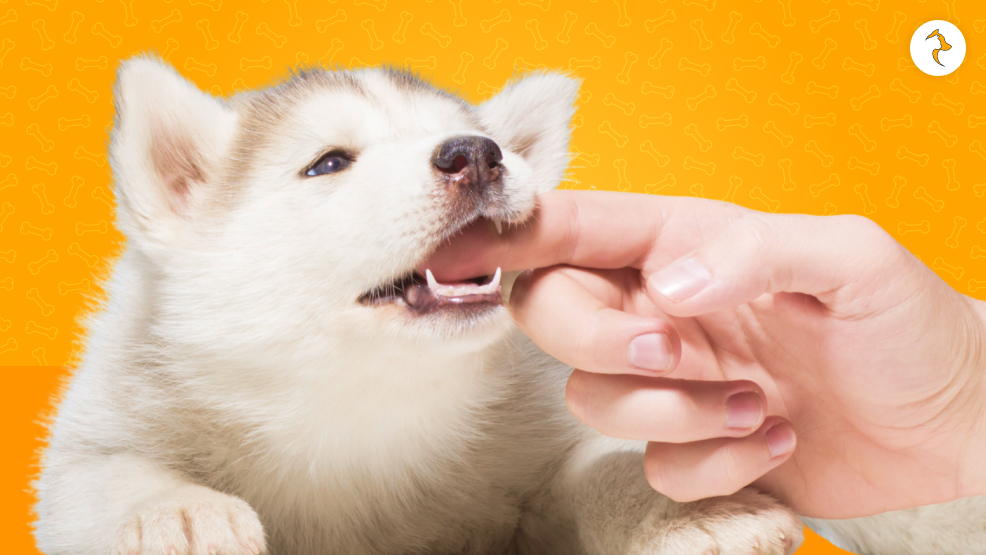
The timeline of how long does it take to train a puppy not to bite?” typically spans several weeks to a few months of deliberate, daily consistency. During early development, young dogs use their mouths to explore the textures, temperatures, and reactions of the world around them, much like human infants. This exploratory biting peaks sharply between twelve and twenty-four weeks of age while adult teeth push through delicate gums. Real-world veterinary observations show that discomfort during this dental transition often amplifies nipping intensity. Addressing this natural phase involves managing environmental triggers and teaching appropriate alternatives rather than expecting instant compliance. Related guide: Frozzys Frozen Yogurt For Dogs.
Behavioral and nutritional impacts on canine mouthiness
Nutritional balance and daily mental stimulation profoundly influence how long does it take to train a puppy not to bite?” in growing dogs. When a diet lacks sufficient caloric density or essential micronutrients, juvenile canines may experience restlessness that manifests as frantic chewing and mouthing. Furthermore, improper handling of diet-related items or accidental access to forbidden substances can alter behavioral stability. It is vital to remember that certain household items, such as rich human foods seasoned with onions or garlic, are toxic to dogs and can cause severe systemic distress that exacerbates behavioral volatility. Ensuring optimal nutrition keeps energy levels balanced, supporting smoother behavioral modification.
Puppies undergoing the primary teething phase require safe, durable chew items to soothe sore gums and naturally redirect compulsive mouthing behaviors. — American Kennel Club
Implementing effective strategies for how long does it take to train a puppy not to bite?
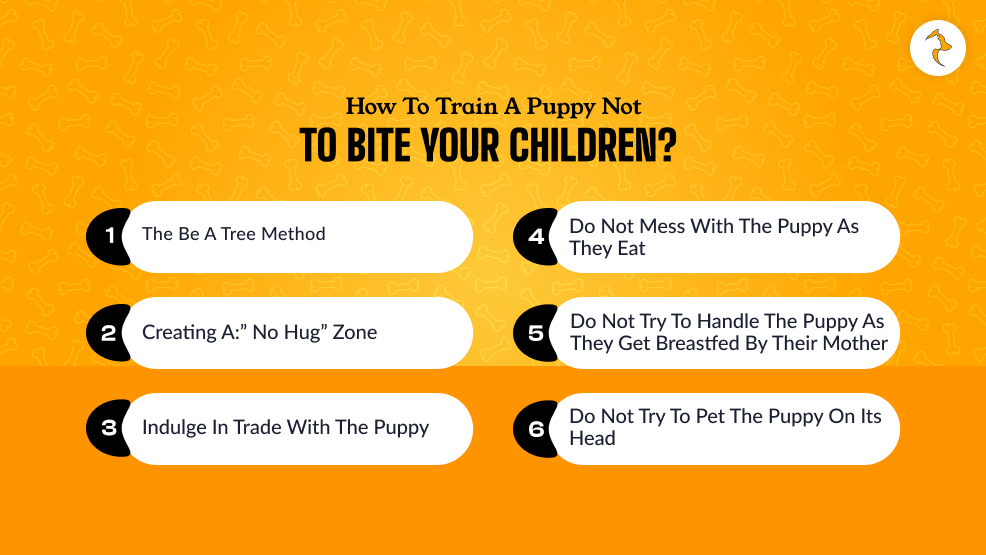
Mastering how long does it take to train a puppy not to bite?” relies on immediate, predictable consequences whenever teeth touch human skin. Veterinary technicians frequently recommend the strict “freeze and quiet” method, where humans immediately stop moving and avoid high-pitched vocalizations that mimic prey. This lack of reaction teaches the young dog that biting causes the fun to instantly stop. Additionally, keeping specialized chew toys in every room ensures that an acceptable item is always within arm’s reach for quick redirection during high-energy play sessions.
Common pitfalls and best practices during bite inhibition training
Avoiding rough wrestling games with bare hands is essential when evaluating how long does it take to train a puppy not to bite?” in a domestic setting. Using hands as toys inadvertently encourages the juvenile canine to view human skin as acceptable prey. Many owners make the mistake of yelling or physically punishing the animal, which often creates fear or triggers defensive aggression instead of teaching polite manners. Establishing clear boundaries across every household member ensures the puppy receives a unified message every single day.
Consistent, positive reinforcement-based redirection reduces the overall duration of severe mouthiness by establishing clear boundaries early in the socialization window. — American Veterinary Medical Association
Pet Care & Wellness Overview Table
| Life Stage | Daily Activity Level | Key Nutrition / Care Focus |
|---|---|---|
| Puppy / Kitten | High (frequent short bursts) | High-protein growth diet & early socialization |
| Adult Companion | Moderate (30–60 mins daily) | Balanced maintenance nutrition & dental hygiene |
| Senior Pets | Low to Gentle (mindful walks) | Joint support (Glucosamine) & routine vet checks |
Images References


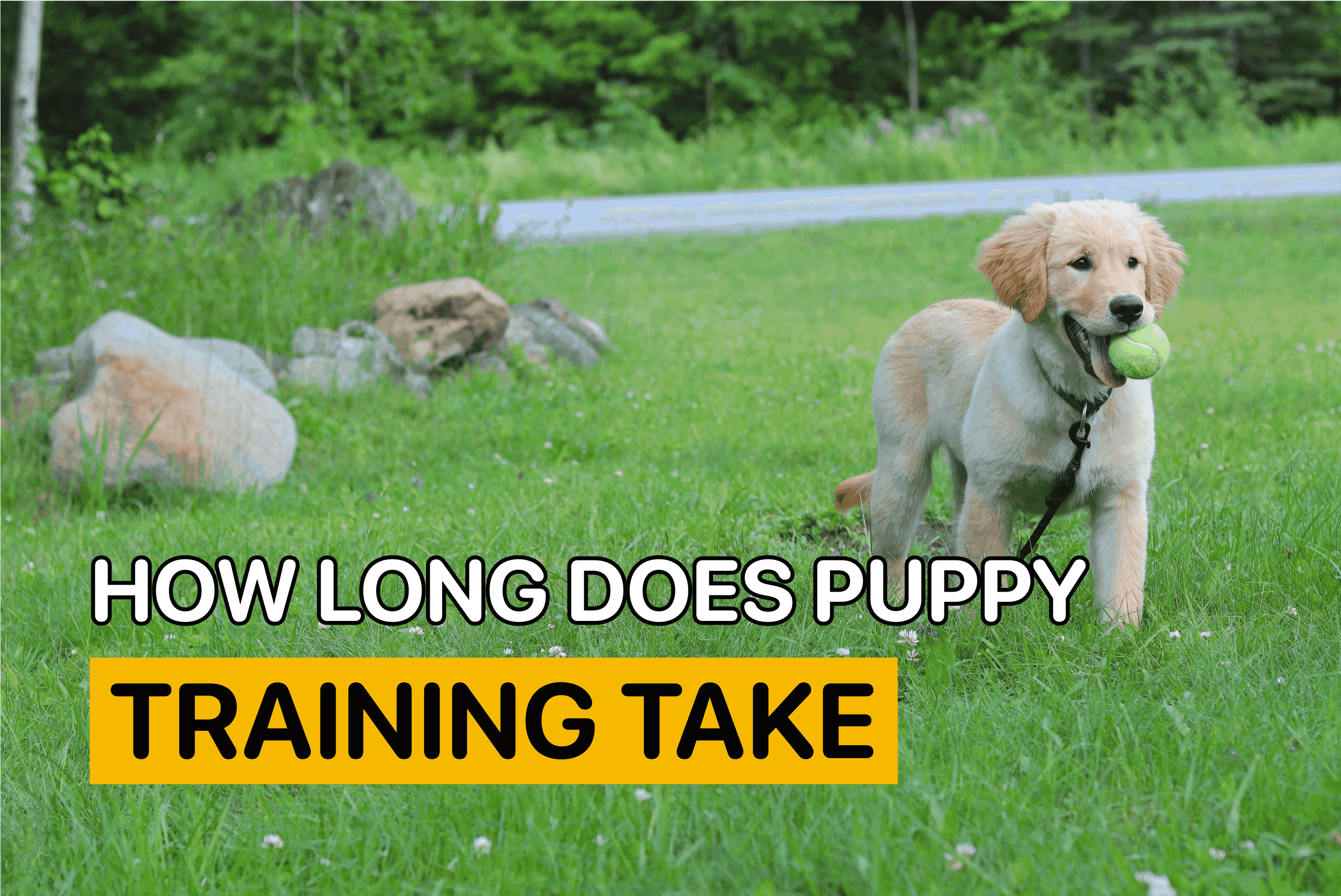


Breed, size, and developmental considerations for young canines
Individual genetic background heavily dictates how long does it take to train a puppy not to bite?” across diverse breeds and physical sizes. Working and herding breeds, originally bred to control livestock using physical pressure, often possess an intense genetic drive to nip at moving heels and ankles. Smaller companion breeds may complete their bite inhibition training much faster due to lower physical leverage, yet they require equal mental consistency. Recognizing these innate breed traits helps set realistic expectations for the entire household.
When to consult a veterinary professional about persistent nipping
Professional veterinary guidance becomes necessary when how long does it take to train a puppy not to bite?” extends beyond standard developmental windows without noticeable improvement. If a juvenile dog displays hard, unprovoked snapping, stiff body posture, or intense growling during normal interactions, medical evaluation is strongly recommended. Underlying medical conditions, chronic pain, or neurological issues can drastically alter temperament and lower bite thresholds. Always confirm any behavioral concerns or persistent aggression with a qualified veterinarian to rule out hidden physical discomfort.
Supporting lifelong canine wellness through Home2Pet resources
Navigating the challenges of canine growth requires a dedicated approach to daily care, balanced nutrition, and gentle behavioral guidance. Exploring curated topics within Dog Type and Health can provide deeper insights into keeping a growing companion thriving. For those selecting appropriate chews, reviewing guidance on Ingredients ensures safe options are always available. Discovering structured training plans through Method helps maintain consistency during every developmental stage. Celebrating milestones during festive occasions is easier by exploring Occasion, while everyday advice awaits in General & Others. Visit Home2Pet.com regularly for trusted, expert-backed resources designed to support every step of the journey.