Understanding the Nutritional Importance of Organ Meats in Canine Diets
Preparing meals in a domestic kitchen for a canine companion requires an intricate balance of proteins, fats, vitamins, and minerals. According to the American Kennel Club (AKC), formulating balanced rations at home demands meticulous attention to micronutrients that traditional muscle meats simply cannot supply alone. Many caregivers step into fresh feeding with enthusiasm, yet quickly overlook the foundational role that nutrient-dense glandular tissues play in preventing severe nutritional deficiencies. Without careful planning, bowls filled exclusively with chicken breast and sweet potatoes will inevitably fall short of physiological requirements. Related guide: Frozzys Frozen Yogurt For Dogs.
💡 Pet Care Key Takeaways:
- Core Focus: Practical health, nutrition, and wellness guidelines for Does Home Made Dog Food Need Liver Or Kidney.
- Target Scope: Pet owners, animal caregivers, and veterinary support staff.
- Best Recommendation: Maintain consistent daily routines and consult an accredited veterinarian before introducing major diet or medical changes.
In decades of hands-on clinical practice, practitioners frequently encounter rescue dogs and household pets presenting with subtle lethargy and dull coats, symptoms that often trace back to long-term reliance on incomplete homemade recipes. A canine body operates as a complex biochemical engine, requiring specific chemical cofactors derived directly from internal organs to maintain optimal metabolic pathways. Consequently, exploring whether does home made dog food need liver or kidney becomes an essential step for anyone committed to long-term canine wellness. Glandular components act as nature’s multivitamin, offering concentrated reservoirs of fat-soluble vitamins and trace minerals that are largely absent in standard cuts of steak or poultry.
Defining Organ Meats and Their Critical Role in Raw or Cooked Canine Rations
Organ meats, functionally categorized as secreting organs and muscle organs, provide distinct biochemical profiles that support systemic health. Secreting organs include tissues responsible for filtering toxins or producing vital hormones, whereas heart and gizzard technically function as hard-working muscle tissues despite their culinary classification. When evaluating the core question of does home made dog food need liver or kidney, nutritional science dictates that liver serves as an absolute cornerstone, while kidney acts as a highly beneficial secondary inclusion for specialized formulations.
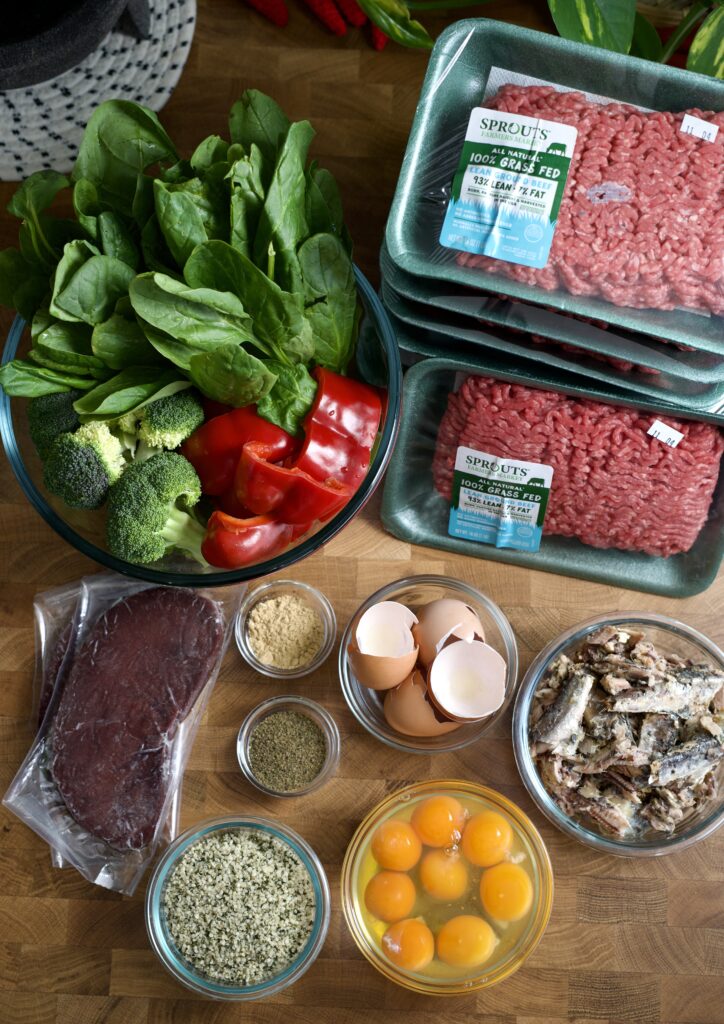
Liver functions as the body’s primary storage facility for vitamin A, iron, copper, and B-complex vitamins, making it utterly irreplaceable in unfortified canine nutrition. Meanwhile, kidney delivers substantial quantities of selenium, riboflavin, and iron, contributing to proper cellular respiration and antioxidant defense. Furthermore, incorporating these elements correctly bridges the gap between commercial Association of American Feed Control Officials (AAFCO) standards and the vibrant reality of whole-food preparation. Careful selection and proper handling of these specialized Ingredients ensure that pets receive bioavailable nutrients without unnecessary synthetic additives.
The Direct Impact of Glandular Nutrition on Vitality and Longevity
Systemic health, immune function, and reproductive vitality depend heavily on the continuous intake of preformed vitamins found exclusively in animal organs. When a dog consumes these tissues regularly, cellular repair accelerates and energy levels stabilize due to the steady supply of bioavailable B vitamins. Clinical observations in veterinary settings often reveal that dogs transitioned to properly balanced diets incorporating glandular elements exhibit shinier coats, stronger nail beds, and improved digestive efficiency within just a few weeks.
The Association of American Feed Control Officials emphasizes that unsupplemented homemade recipes frequently lack essential micronutrients such as copper, zinc, and vitamin D. — AAFCO Nutrient Profiles for Dogs
Beyond superficial appearance, omitting these vital components can lead to insidious health declines, including bone demineralization and neurological fatigue. The inclusion of liver and kidney directly supports hormone regulation and red blood cell production, shielding the animal from chronic fatigue syndromes. Navigating these complexities requires a solid grasp of proper Method to ensure safety and palatability for discerning eaters.
Practical Approaches to Integrating Organ Meats Safely Into Daily Bowls
Establishing a reliable routine for incorporating nutrient-dense organs requires precise measurements and adherence to established dietary frameworks. Typically, standard raw or cooked whole-prey models suggest that secreting organs should constitute a specific percentage of the total daily intake, though exact proportions vary widely based on individual metabolic demands. Caregivers must weigh, dice, and gently incorporate these potent ingredients to prevent sudden gastrointestinal upset or rejection by picky pets.
Avoiding Common Pitfalls and Sourcing High-Quality Glandular Tissues
Over-supplementation represents the single most dangerous mistake novice home preparers make when handling concentrated glandular tissues. Because liver stores massive amounts of vitamin A, feeding excessive quantities can lead to hypervitaminosis A, a painful condition characterized by bone spurs and joint stiffness. Additionally, sourcing organic, pasture-raised animal parts minimizes exposure to synthetic hormones and environmental toxins that accumulate in filtration organs. For deeper insights into managing specific health statuses or life stages, consulting Dog Type and Health resources provides invaluable guidance.
Hypervitaminosis A resulting from excessive liver consumption can cause severe skeletal abnormalities, emphasizing the critical need for strict portion control. — Merck Veterinary Manual
Pet Care & Wellness Overview Table
| Life Stage | Daily Activity Level | Key Nutrition / Care Focus |
|---|---|---|
| Puppy / Kitten | High (frequent short bursts) | High-protein growth diet & early socialization |
| Adult Companion | Moderate (30–60 mins daily) | Balanced maintenance nutrition & dental hygiene |
| Senior Pets | Low to Gentle (mindful walks) | Joint support (Glucosamine) & routine vet checks |
Images References




Freezing raw organ tissues for a minimum prescribed duration prior to serving also helps reduce parasitic risks, though lightly steaming remains a popular alternative for sensitive stomachs. Striking the right balance between nutritional density and digestive tolerance ensures that every meal serves as a building block for long-term vitality rather than a source of metabolic stress.
Tailoring Organ Content for Different Breeds, Sizes, and Life Stages
Physiological requirements shift dramatically across a canine’s lifespan, demanding customized adjustments to every aspect of the bowl. Miniature breeds processing high-calorie densities need microscopic adjustments of potent organs, whereas giant working breeds require larger, sustained macronutrient ratios to support heavy musculature. Senior dogs often experience diminished kidney function, making it crucial to monitor phosphorus and protein levels closely before introducing high-purine secreting organs.
Puppies experiencing rapid skeletal growth have heightened demands for copper and iron, yet an accidental overdose can severely disrupt developing bone matrices. Therefore, understanding individual metabolic baselines prevents well-intentioned caregivers from inadvertently harming developing systems. Whether preparing special meals for a celebratory Occasion or establishing a permanent lifestyle shift, personalization remains the cornerstone of safe domestic canine nutrition.
When to Consult a Veterinary Professional Regarding Home-Prepared Diets
Professional veterinary guidance is indispensable before committing any domestic animal to an unverified long-term dietary regimen. A board-certified veterinary nutritionist or knowledgeable clinician can run complete blood panels, assess current body condition scores, and formulate precise software-backed recipes tailored to unique genetic profiles. Self-formulated rations frequently harbor hidden nutritional gaps that only professional analysis can uncover and correct.
Furthermore, pets exhibiting pre-existing medical conditions—such as pancreatitis, renal disease, or hepatic lipidosis—require strict veterinary supervision to manage mineral intake safely. Attempting to navigate complex nutritional therapies without expert oversight risks accelerating disease progression or precipitating acute emergencies. Prioritizing open communication with a trusted medical team safeguards the health and happiness of the household pet at every stage of life.
Cultivating Lasting Wellness Through Informed Nutritional Choices
Embracing the responsibilities of domestic meal preparation deepens the bond between humans and their loyal canine companions. By recognizing the irreplaceable value of glandular tissues, caregivers transform ordinary kitchen scraps into biologically appropriate feasts that promote vibrant longevity. Exploring broader educational materials available across General & Others sections empowers owners to make confident, science-backed decisions. Visit Home2Pet.com regularly to continue expanding knowledge and fostering optimal health for every furry family member.