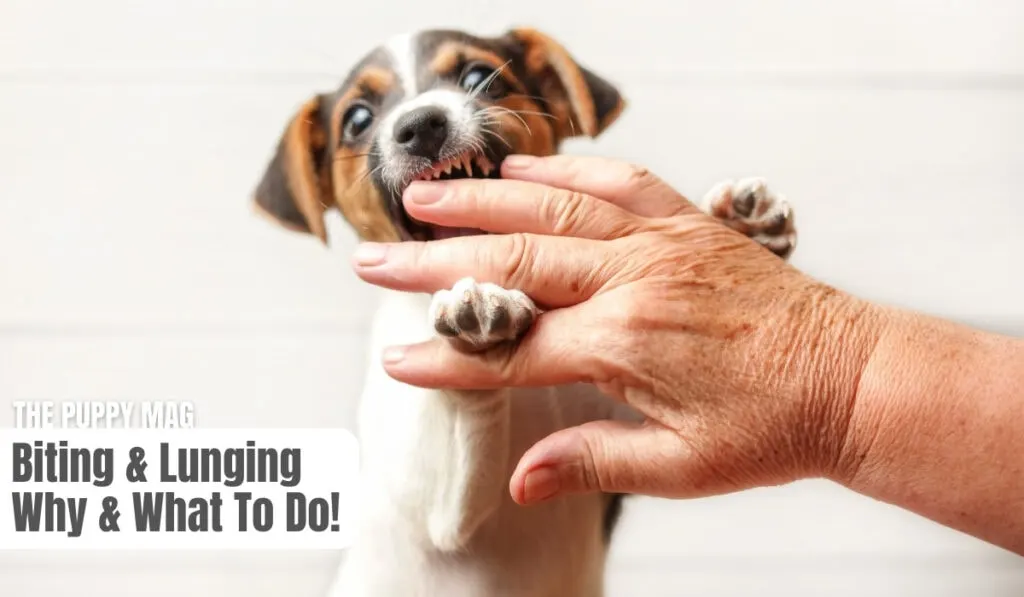
Understanding Why Young Canines Display Aggressive Play Behaviors
According to the American Society for Prevention of Cruelty to Animals (ASPCA), behavioral issues are one of the primary reasons young canines are relinquished to shelters, making early intervention vital. Bringing a new canine companion home brings boundless joy, yet sudden outbursts can quickly test anyone’s patience. Watching a tiny canine turn into a snapping, jumping whirlwind often triggers confusion and worry. In clinical practice, veterinary technicians frequently witness bewildered handlers pulling away from these sudden displays. Recognizing the underlying motivations behind these actions transforms a frustrating household challenge into an opportunity for guidance. Addressing canine behavior early prevents lifelong habits from forming. Related guide: Ceaser Dog Puppy Bite.
💡 Pet Care Key Takeaways:
- Core Focus: Practical health, nutrition, and wellness guidelines for My Puppy Is Biting And Lunging.
- Target Scope: Pet owners, animal caregivers, and veterinary support staff.
- Best Recommendation: Maintain consistent daily routines and consult an accredited veterinarian before introducing major diet or medical changes.
My puppy is biting and lunging represents normal developmental exploration combined with overstimulation.
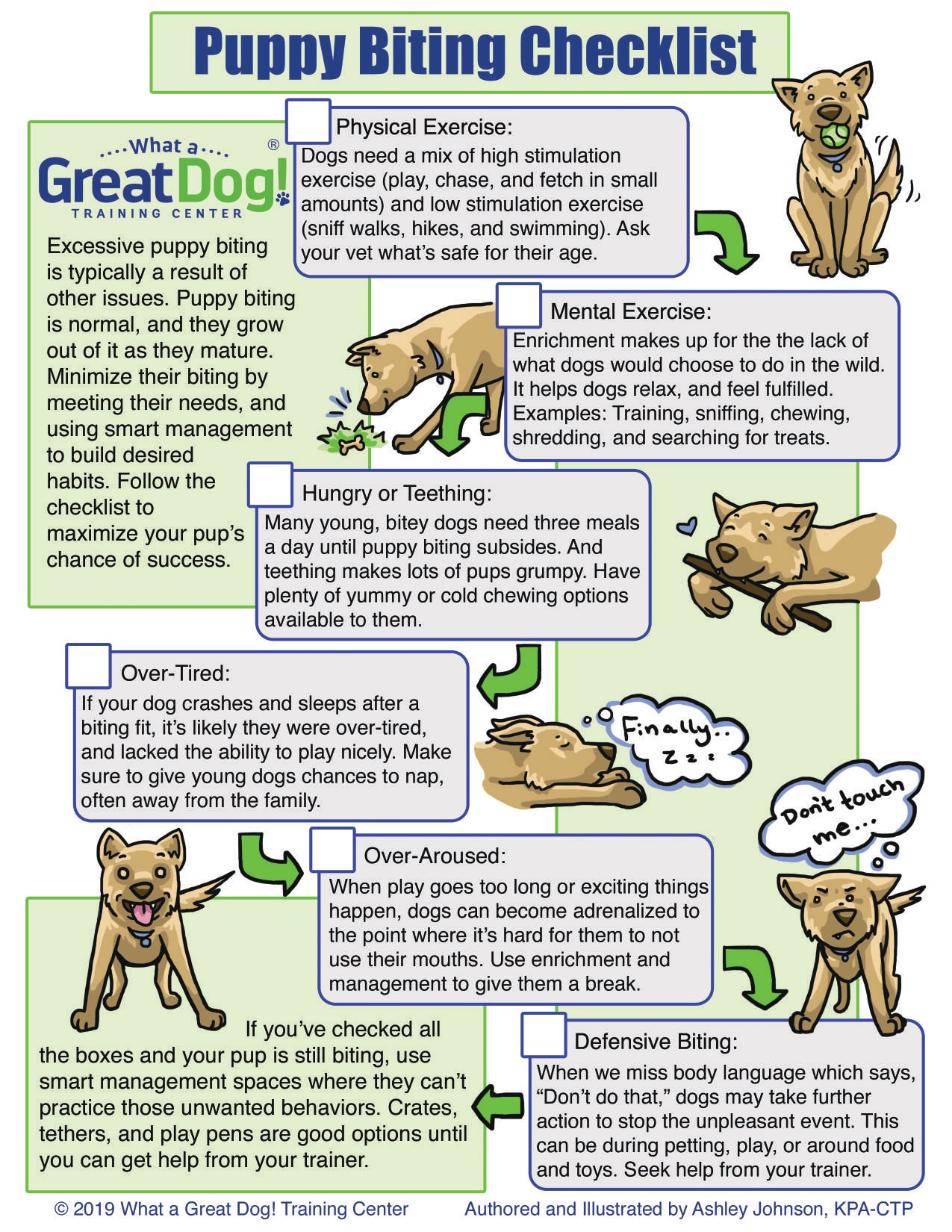
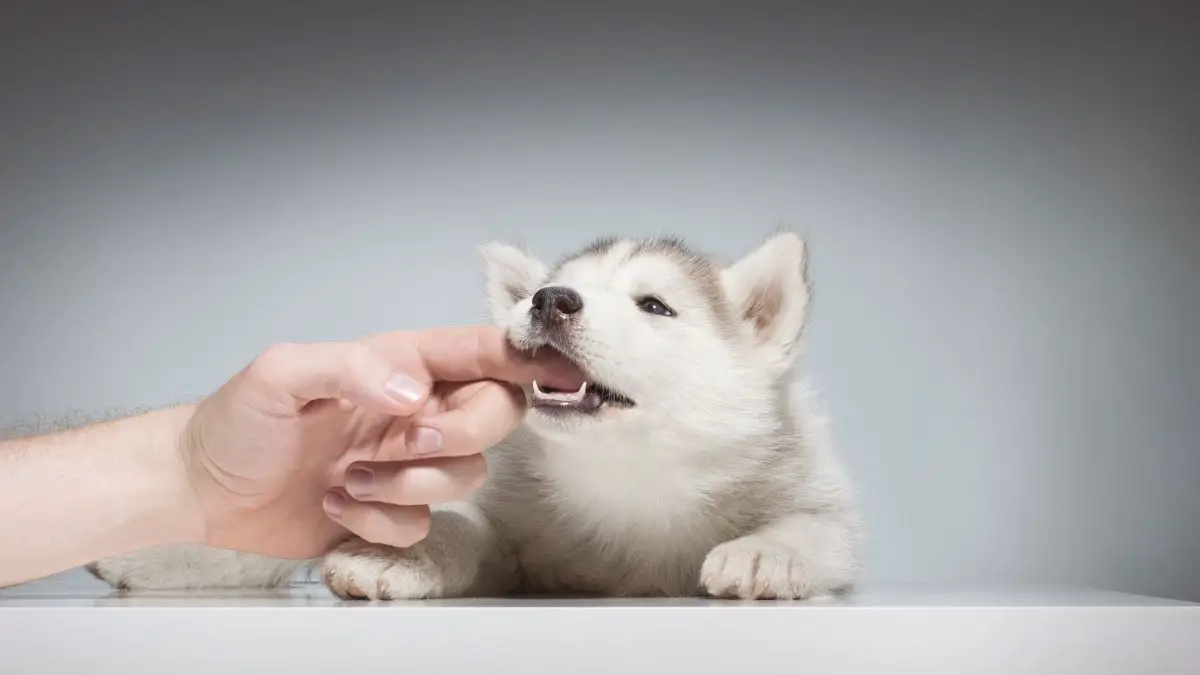
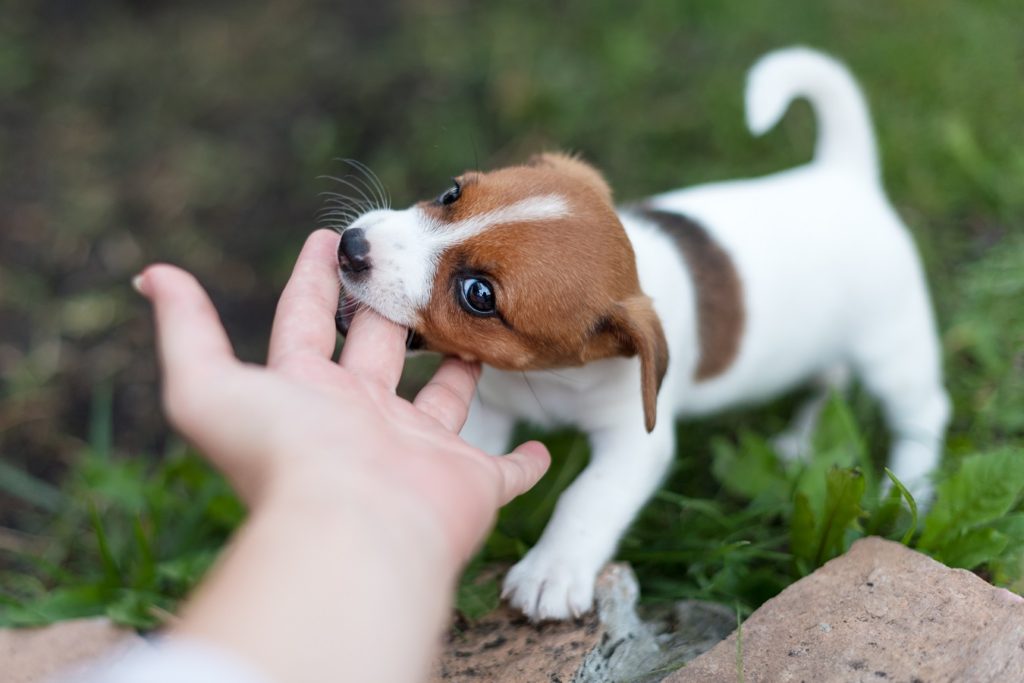
My puppy is biting and lunging is a common phase where juvenile canines use their mouths to interact with the world and release pent-up energy. Canines lack hands, so exploring environment textures, clothing, and human skin happens primarily through the mouth. When a juvenile rushes forward abruptly, it typically signals a rush of adrenaline or an inability to process environmental excitement. Working through this phase requires patience, consistency, and a clear understanding of canine communication. Overexcited play often mimics predatory sequences, which explains why moving feet and fluttering pant legs frequently trigger these sudden rushes.
Unmanaged behavioral outbursts can lead to long-term household stress and accidental injuries.
Unchecked mouthiness and sudden lunging habits negatively impact both human safety and canine emotional well-being. Left unaddressed, juvenile habits can escalate into dangerous adult responses, complicating family routines and socialization efforts. Furthermore, nutritional status and dietary balance play subtle roles in daily behavior. Deficiencies or sudden shifts in daily meals can influence overall energy levels, sometimes exacerbating hyperactivity. Ensuring balanced nutrition through properly selected meals supports steady development. Exploring options within Ingredients helps handlers choose appropriate dietary components for growing dogs.
Behavioral consultations and early training significantly reduce the incidence of severe aggression in adult dogs. — American Veterinary Medical Association (AVMA)
Implementing structured management strategies helps curb unwanted physical outbursts.
Consistent redirection and controlled environmental management successfully reduce my puppy is biting and lunging episodes over time. When a juvenile rushes forward or grabs clothing, the most effective immediate response involves standing completely still like a tree. Moving away quickly or squeaking mimics prey movement, which only encourages the behavior to continue. Offering an appropriate chew toy provides an instant alternative outlet for dental urges. Maintaining predictable daily routines helps regulate energy levels, minimizing unpredictable outbursts during quiet evening hours.
Avoiding common management mistakes prevents accidental reinforcement of unwanted habits.
Handlers must avoid shouting, physical reprimands, or rough wrestling games that inadvertently encourage defensive responses. Engaging in rough play teaches juveniles that human hands are acceptable targets for teeth. Instead, incorporating structured games found within Method teaches self-control and appropriate impulse regulation. Consistency across all household members remains paramount, as mixed signals create confusion for the developing animal. Rewarding calm behavior immediately reinforces desired choices.
Positive reinforcement training methods yield superior behavioral outcomes compared to traditional dominance-based techniques. — American Kennel Club (AKC)
Pet Care & Wellness Overview Table
| Life Stage | Daily Activity Level | Key Nutrition / Care Focus |
|---|---|---|
| Puppy / Kitten | High (frequent short bursts) | High-protein growth diet & early socialization |
| Adult Companion | Moderate (30–60 mins daily) | Balanced maintenance nutrition & dental hygiene |
| Senior Pets | Low to Gentle (mindful walks) | Joint support (Glucosamine) & routine vet checks |
Images References





Breed characteristics and individual health factors influence the intensity of juvenile outbursts.
High-energy herding and working breeds often display intense lunging tendencies due to hardwired genetic instincts. Recognizing specific breed traits helps handlers tailor daily exercise and mental stimulation to match individual needs. Teething discomfort also peaks around four to six months of age, driving increased mouthiness as sore gums seek relief. Providing chilled chew items or exploring guidance via Dog Type and Health offers tailored insights for specific developmental stages. Understanding these biological drivers prevents handlers from taking youthful exuberance personally.
Consulting a veterinary professional ensures underlying medical causes are not driving the behavior.
Sudden behavioral shifts, intense reactivity, or uncharacteristic snapping warrant a thorough physical examination by a licensed veterinarian. Pain, neurological conditions, or sensory deficits can cause a juvenile to lash out defensively when approached. Vets can rule out medical discomfort and recommend certified animal behaviorists if specialized intervention becomes necessary. Addressing health concerns early ensures that training protocols build upon a foundation of physical comfort. Handlers should always confirm safe supplement ranges or behavioral modification plans with their veterinary team.
Establishing a peaceful household environment supports long-term canine development.
Navigating the challenges of juvenile development requires dedication, empathy, and a commitment to positive reinforcement. By understanding the root causes behind sudden physical outbursts, households can build stronger, more trusting bonds with their growing canines. Celebrating small milestones encourages consistent progress throughout the training journey. Discover additional tips by visiting Occasion, browsing General & Others, or returning to the main hub at Home2Pet.com for comprehensive guidance.