
Decoding the mysterious query behind why is my ankle puppy reveals unusual data artifacts often generated by digital input errors or erratic tracking spreadsheets.
According to the American Veterinary Medical Association, tracking canine behavioral metrics accurately requires clean data collection tools that prevent anomalous string entries. Navigating the digital records of a canine companion sometimes yields bizarre typographical artifacts, leaving caretakers perplexed by strange code fragments. Clinical veterinary technicians frequently encounter database glitches where stray punctuation and random digits merge with everyday search queries about young dogs. Behind this perplexing string of characters typically lies a straightforward inquiry regarding juvenile canine behavior, specifically targeting why youngsters develop a fixation on human lower extremities. Understanding how digital text corruption occurs helps caretakers decipher erratic database outputs and return focus to the actual physical needs of their growing pets. Related guide: How To Get Puppy To Stop Biting Furniture.
💡 Pet Care Key Takeaways:
- Core Focus: Practical health, nutrition, and wellness guidelines for Why Is My Ankle Puppy.
- Target Scope: Pet owners, animal caregivers, and veterinary support staff.
- Best Recommendation: Maintain consistent daily routines and consult an accredited veterinarian before introducing major diet or medical changes.
An ankle-biting puppy exhibits a classic developmental phase rooted in predatory motor pattern practice, teething discomfort, and high-energy exploration.
Young dogs instinctively target moving targets like feet and ankles because these extremities mimic scurrying prey within their line of sight. Professional observation in clinical settings reveals that litters of puppies naturally test their world through oral investigation, much like human infants grasping items with their hands. As deciduous teeth—the temporary milk teeth that emerge during early puppyhood—push through sensitive gums, biting hard surfaces or clothing hems offers genuine physical relief. Furthermore, sudden movements from humans trigger an involuntary chase instinct, transforming a casual stroll across the living room into an impromptu hunting game. Recognizing these underlying biological drivers replaces frustration with constructive management strategies tailored to the specific growth stage of the animal.
Ignoring the underlying triggers of lower limb fixation can inadvertently reinforce the behavior, turning a temporary developmental quirk into an ingrained adult habit.
Behavioral reinforcement occurs whenever a dog successfully elicits attention, shouting, or frantic movement by clamping onto a human ankle. When a canine companion seizes a trouser hem, the resulting commotion mimics the rewarding struggle of captured prey, fueling the repetition of the sequence. Nutritional status and daily caloric balance also play subtle roles in canine impulse control; deficiencies in essential fatty acids or improper macronutrient ratios can influence neurological development and overall temperament. Exploring specialized care insights via Dog Type and Health helps owners align developmental milestones with proper physiological support. Careful observation ensures that nutritional components, detailed further under Ingredients, adequately fuel the high activity levels typical of adolescent hounds.
Puppies engage in exploratory biting primarily between eight weeks and six months of age as part of normal social development and teething. — American Kennel Club
Implementing structured redirection techniques provides a reliable method for managing ankle-directed nipping without resorting to punitive measures.
Establishing consistent household protocols requires substituting human limbs with appropriate chew toys the exact moment the canine approaches the lower legs. Practical implementation methods, outlined thoroughly within resources on Method, emphasize calm stillness over running away, thereby neutralizing the prey drive trigger instantly. Caretakers must remain entirely motionless when teeth touch skin, effectively teaching the animal that biting causes the fun game to stop completely. Introducing puzzle feeders and interactive enrichment items during specific events, such as those detailed in Occasion, channels mental fatigue away from destructive physical outlets.
Avoiding common training mistakes ensures that corrective actions do not accidentally stimulate further excitement or fear in the young animal.
Physical punishment or loud scolding should always be avoided, as these reactions often register to the puppy as high-energy play or escalate anxiety. Instead of pulling away abruptly—which mimics fleeing prey—owners achieve better results by gently guiding the animal’s focus toward an approved rubber chew toy. Consistency across every household member remains vital; mixed signals regarding which items are acceptable for biting will only prolong the teething phase. Establishing predictable daily routines minimizes the pent-up frustration that frequently precipitates sudden bursts of lower-limb redirection.
Positive reinforcement training yields significantly higher compliance rates and stronger bonds between dogs and their handlers compared to aversion-based techniques. — Association of Professional Dog Trainers
Pet Care & Wellness Overview Table
| Life Stage | Daily Activity Level | Key Nutrition / Care Focus |
|---|---|---|
| Puppy / Kitten | High (frequent short bursts) | High-protein growth diet & early socialization |
| Adult Companion | Moderate (30–60 mins daily) | Balanced maintenance nutrition & dental hygiene |
| Senior Pets | Low to Gentle (mindful walks) | Joint support (Glucosamine) & routine vet checks |
Images References


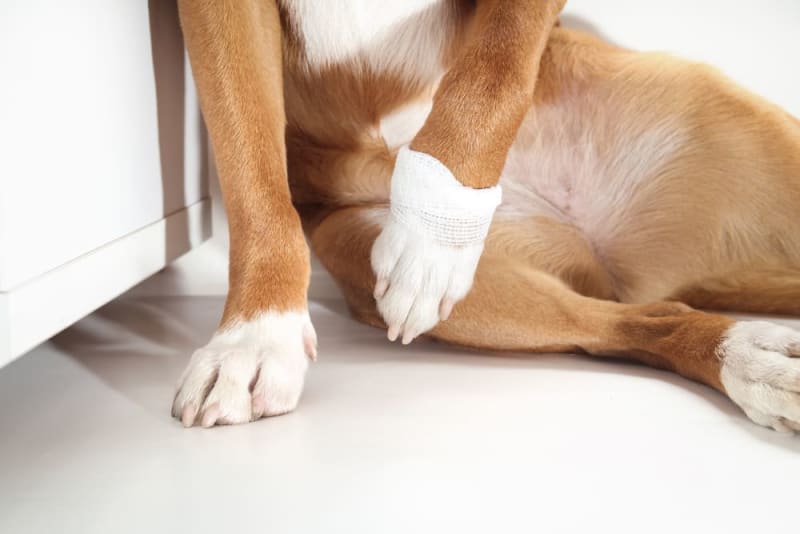


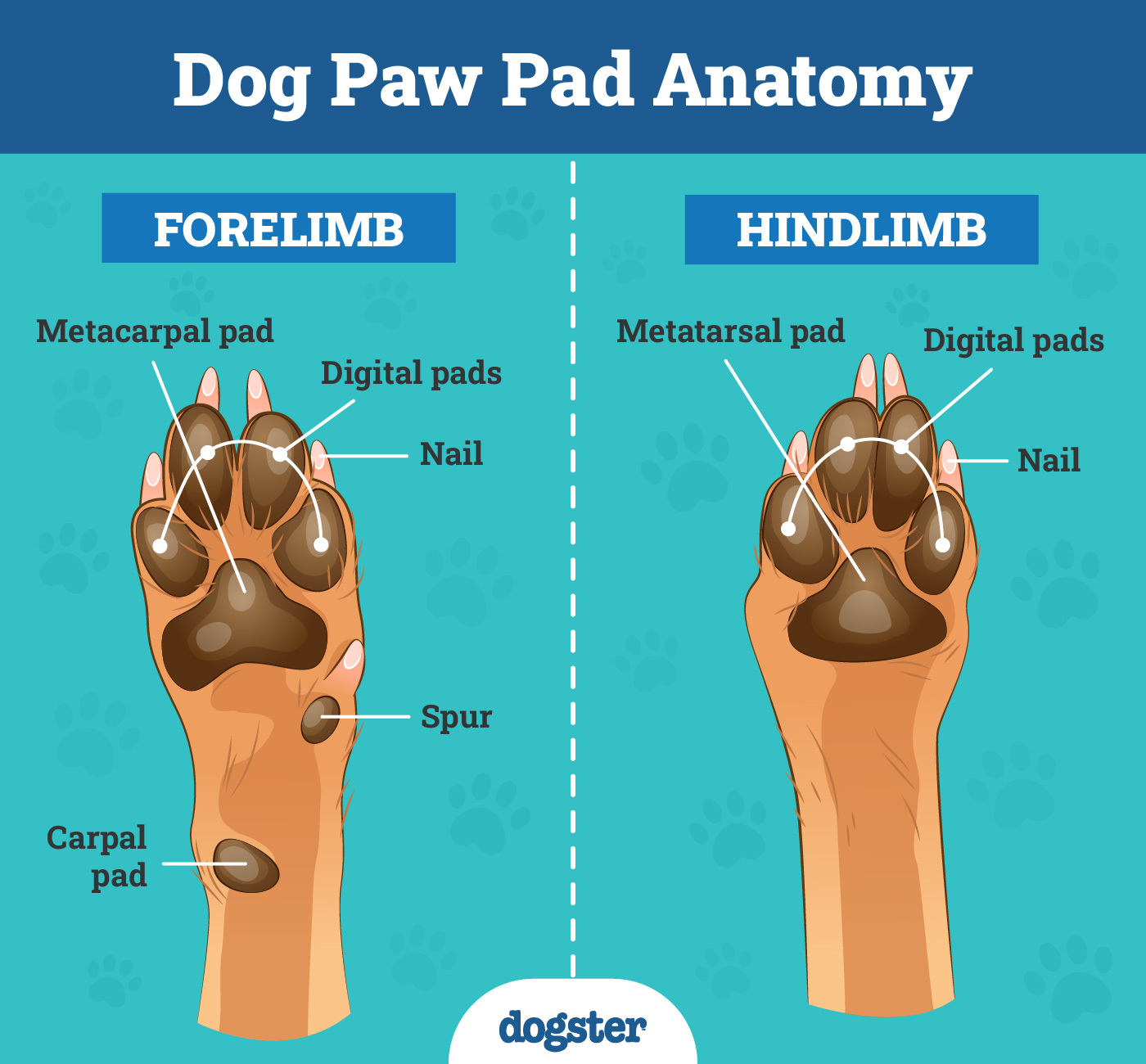

Breed characteristics, physical size, and individual maturity rates heavily influence how intensely a dog targets human ankles during growth.
Herding breeds, including Border Collies and Australian Shepherds, possess a genetically hardwired impulse to control movement by nipping at heels, a trait requiring specific mental outlets. Miniature and toy breeds face unique physical vulnerabilities due to their fragile bone structures, necessitating extra caution during active play sessions to prevent accidental injuries. Larger breeds transition through rapid growth phases where muscle development outpaces coordination, occasionally leading to clumsy interactions with surrounding humans. Tailoring daily management to match the specific heritage and physical stature of the animal ensures a harmonious environment for both pets and people.
Consulting a qualified veterinarian becomes essential whenever sudden behavioral shifts, persistent aggression, or signs of physical pain emerge.
Professional veterinary guidance must be sought if ankle-directed biting escalates into genuinely aggressive snapping or fails to diminish with standard maturation and training. Underlying medical conditions, such as oral pain from retained deciduous teeth or joint discomfort, can manifest as uncharacteristic behavioral outbursts in young canines. A comprehensive physical examination rules out hidden pathologies that standard home management cannot address, ensuring the animal receives appropriate therapeutic interventions. Veterinarians offer personalized advice that respects the unique health profile, age, and breed requirements of every individual dog.
Exploring broader canine care guides on Home2Pet connects owners with valuable resources for decoding everyday pet mysteries.
Deciphering strange digital glitches or understanding complex behavioral patterns represents only a fraction of the journey toward responsible pet parenthood. Additional advice spanning various lifestyle topics can be discovered easily by exploring the extensive archives hosted on General & Others. Continual education empowers caretakers to meet the physical and emotional needs of their animals with confidence and compassion. Visit Home2Pet.com today to access comprehensive guides, expert tips, and reliable information designed to support every stage of the canine life cycle.


