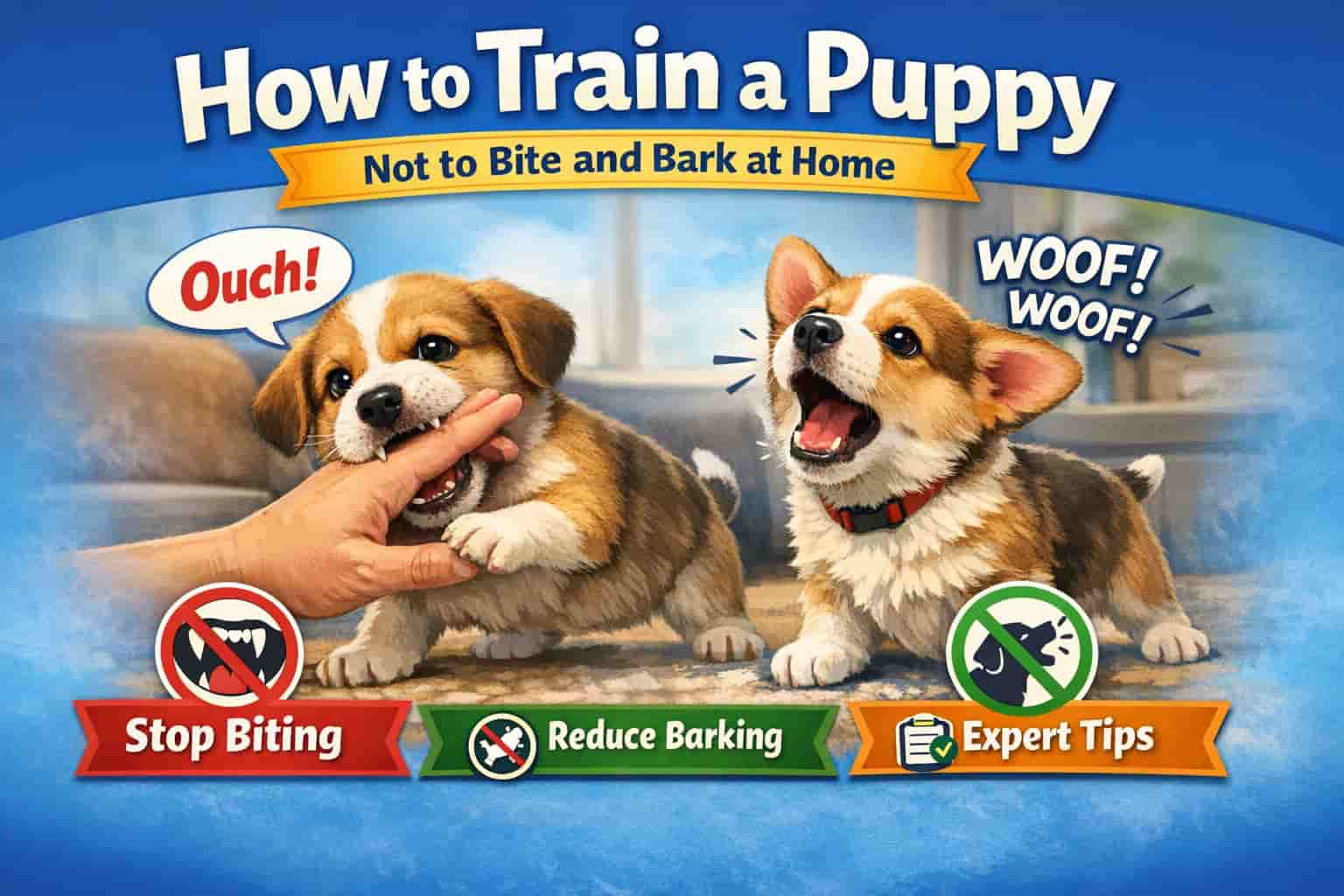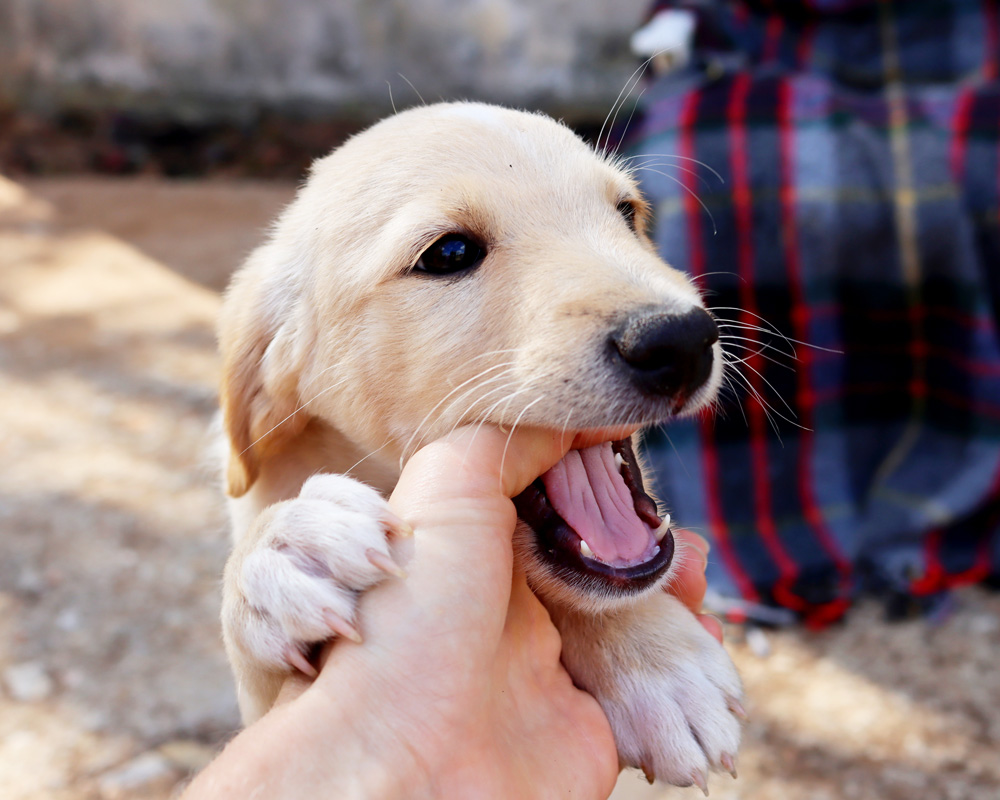
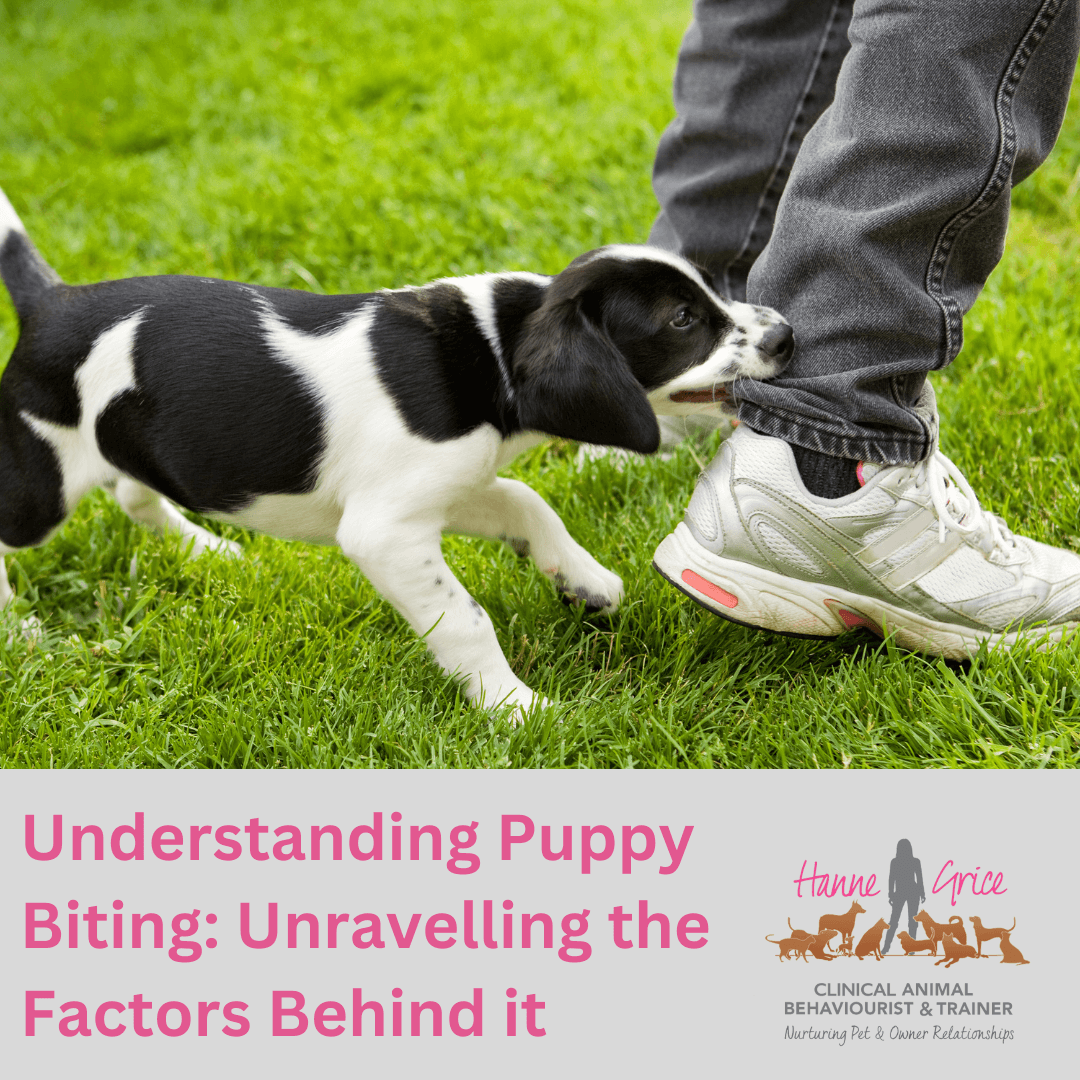
According to the American Society for the Prevention of Cruelty to Animals, behavioral issues remain one of the primary reasons adolescent canines are relinquished to shelters during their first year of life. When households welcome a rapidly growing canine into their daily routines, anticipation often meets the reality of unexpected behavioral regressions. Dealing with a 10 month old puppy biting” can test the patience of even the most dedicated pet guardians. Canine development at this stage resembles human adolescence, marked by hormonal shifts, boundary testing, and an overwhelming surge of physical energy. Understanding the root causes behind this persistent nipping transforms frustration into constructive guidance, paving the way for a harmonious household. Addressing these habits early ensures that temporary adolescent phases do not become permanent behavioral traits. Related guide: Frozzys Frozen Yogurt For Dogs.
💡 Pet Care Key Takeaways:
- Core Focus: Practical health, nutrition, and wellness guidelines for 10 Month Old Puppy Biting.
- Target Scope: Pet owners, animal caregivers, and veterinary support staff.
- Best Recommendation: Maintain consistent daily routines and consult an accredited veterinarian before introducing major diet or medical changes.
Understanding the Root Causes of Adolescent Nipping
Adolescent canine nipping at this specific age is typically driven by a combination of pent-up physical energy, delayed impulse control, and lingering sensory exploration. Working inside veterinary clinics over the years, veterinary technicians frequently observe adolescent dogs whose owners assume teething is still the sole culprit long after adult teeth have fully emerged. In reality, young dogs often resort to using their mouths when they become overstimulated by household commotion or when their daily physical exertion falls short of biological requirements. Environmental stressors, sudden changes in routine, and inadequate mental enrichment likewise contribute significantly to these sudden bursts of mouthy behavior. Recognizing these underlying triggers allows guardians to intercept the behavior before it escalates into aggressive biting or property destruction.
The Physiological and Behavioral Impact on Growing Dogs
Unchecked behavioral issues during the teenage months can severely strain the human-animal bond and negatively impact long-term social development. Canines experiencing high arousal states require structured outlets to channel their natural predatory drive safely away from human skin and clothing. Ignoring these developmental milestones often leads to chronic anxiety, fractured household relationships, and an inability for the young animal to self-soothe in high-stress environments. Furthermore, improper handling of adolescent mouthing can inadvertently reinforce the behavior by turning it into an exciting game of chase or tug-of-war. Implementing consistent redirection strategies protects both the physical well-being of family members and the emotional stability of the developing pet.
Behavioral issues like adolescent mouthing require consistent, positive redirection rather than physical punishment to ensure long-term emotional stability. — American Kennel Club
Implementing Effective Redirection and Management Strategies
Managing adolescent mouthing effectively involves redirecting the animal’s attention toward appropriate chew items immediately upon the initiation of unwanted contact. Establishing clear boundaries requires every member of the household to respond with a uniform reaction, such as freezing silently or withdrawing attention entirely when teeth touch human skin. Incorporating puzzle toys, interactive obedience sessions, and scent games into the daily routine satisfies the cognitive demands of a growing canine. When evaluating dietary influences on energy levels, consulting resources on Ingredients helps guardians ensure their pets receive balanced nutrition without excess simple carbohydrates that can fuel hyperactivity. Consistency remains the cornerstone of success, as mixed signals only prolong the developmental phase and confuse the learning animal.
Common Mistakes and Best Practices for Canine Socialization
A frequent error among pet owners involves using high-pitched vocalizations or rapid hand movements, which inadvertently mimic prey and stimulate the canine’s chasing instincts. Instead, maintaining a calm, neutral demeanor teaches the animal that teeth-on-skin contact results in the immediate cessation of all fun interaction. Introducing structured playdates with well-socialized adult dogs provides invaluable lessons in canine communication, as mature animals naturally correct inappropriate mouthing behavior. Exploring articles within Method offers additional training frameworks tailored to adolescent development stages. Practicing impulse control exercises, such as requiring a sit before doors open or food bowls are placed, reinforces polite behavior across all daily contexts.
Adolescent dogs require up to two hours of structured physical and mental exercise daily to mitigate destructive or mouthy behaviors. — American Veterinary Medical Association
Pet Care & Wellness Overview Table
| Life Stage | Daily Activity Level | Key Nutrition / Care Focus |
|---|---|---|
| Puppy / Kitten | High (frequent short bursts) | High-protein growth diet & early socialization |
| Adult Companion | Moderate (30–60 mins daily) | Balanced maintenance nutrition & dental hygiene |
| Senior Pets | Low to Gentle (mindful walks) | Joint support (Glucosamine) & routine vet checks |
Images References

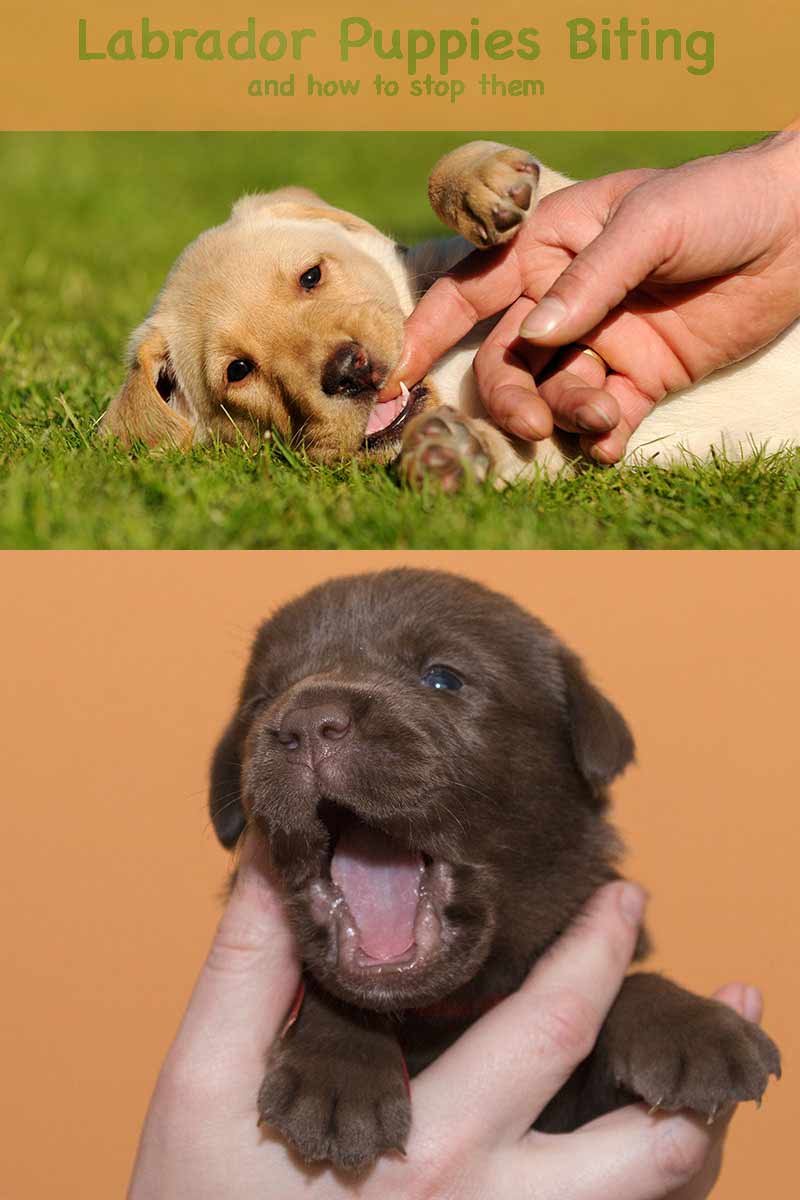
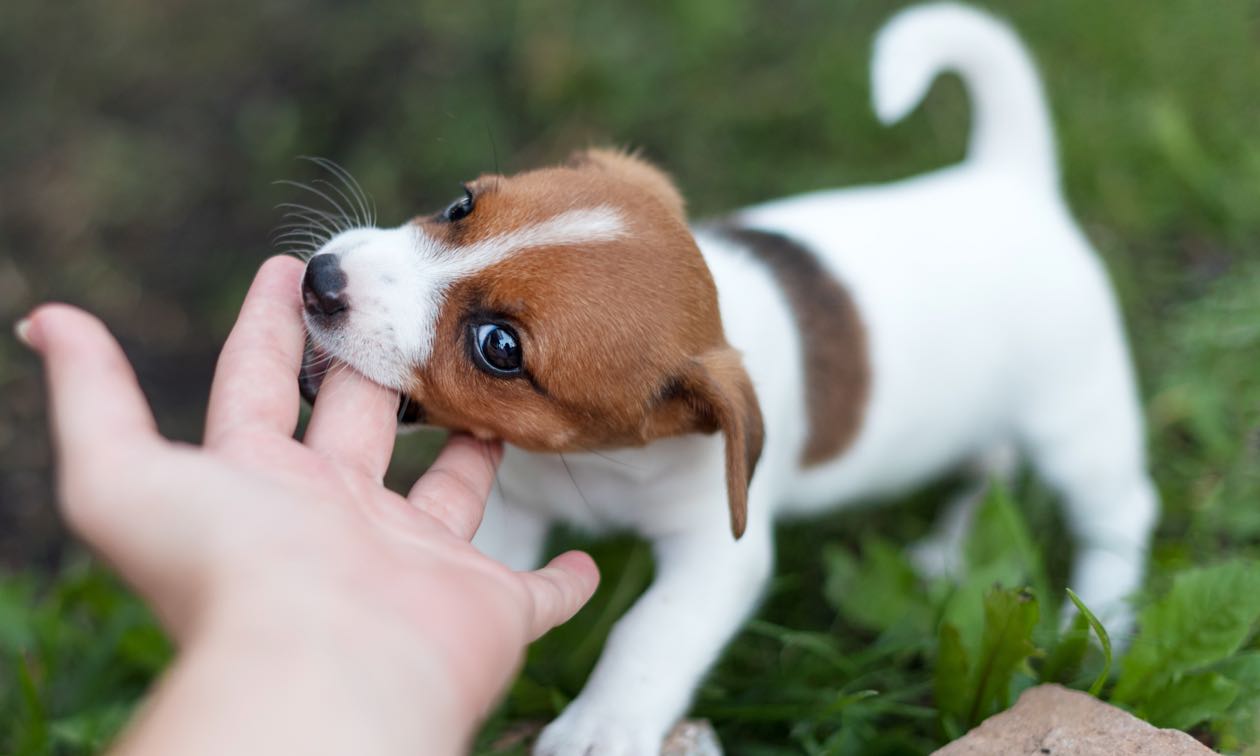




Breed, Size, and Health Considerations During Adolescence
Different breeds and individual body types navigate adolescence at vastly varying tempos, with larger working breeds often maturing mentally much later than smaller companion types. Giant breeds navigating a 10 month old puppy biting” phase present unique physical challenges due to their immense strength and rapid bone growth during this timeframe. Underlying health issues, such as juvenile joint discomfort or dental pain, can also manifest as sudden increases in irritability and mouthing. Guardians seeking guidance on physical well-being will find helpful insights in Dog Type and Health to support their pets through these formative months. Tailoring management approaches to suit the specific physical stature and temperament of the individual animal ensures a safer and more effective training experience.
When to Consult a Veterinary Professional for Behavioral Guidance
Professional veterinary intervention becomes necessary whenever adolescent mouthing escalates into hard, unprovoked biting, or if the animal displays signs of genuine aggression or resource guarding. Medical professionals must rule out underlying neurological conditions, painful musculoskeletal disorders, or hormonal imbalances that could be triggering sudden behavioral shifts. For specialized support regarding celebratory milestones or unique household setups, browsing Occasion and General & Others provides broader context on pet care management. A veterinarian can also provide referrals to certified veterinary behaviorists who utilize science-based, positive reinforcement methodologies to resolve complex adolescent challenges safely.