Preparing homemade meals for giant breed puppies requires precision, patience, and professional guidance.
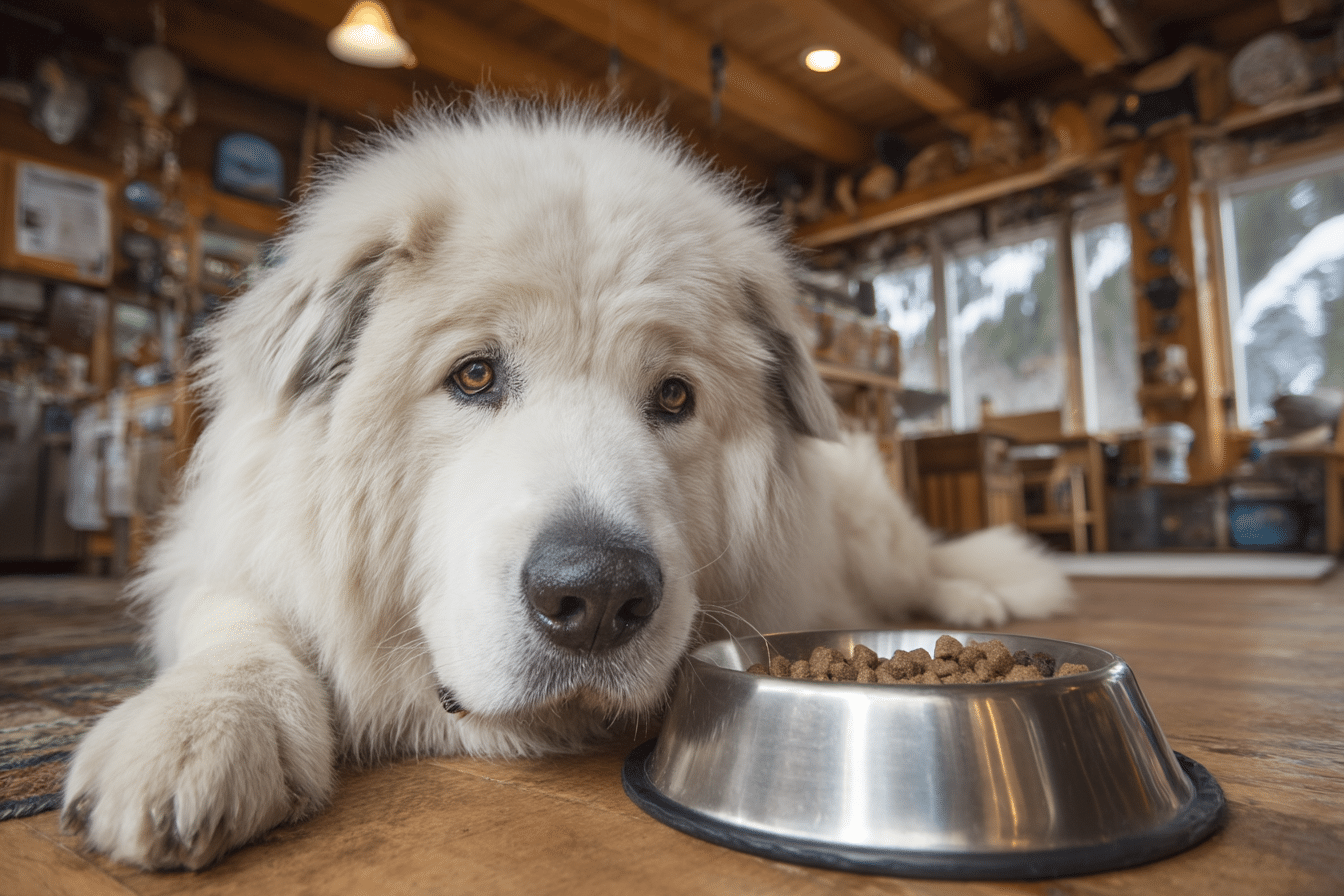
According to the American Kennel Club, giant dog breeds experience a rapid and prolonged growth phase that demands carefully controlled nutritional inputs. Raising a Great Pyrenees means watching a tiny, fluffy bundle transform into a powerful guardian weighing well over one hundred pounds in just a few short months. During this intense developmental window, the skeleton lengthens and thickens at an astonishing rate. When caregivers lean toward making diy pyrennes puppy food at home, understanding the sheer complexity of canine nutrition becomes paramount. In clinical practice, young giant breed dogs frequently arrive at veterinary clinics exhibiting skeletal abnormalities caused entirely by homemade diets lacking proper mineral ratios. Canine bodies do not process home-cooked ingredients the same way human bodies do, and guessing measurements can lead to irreversible bone deformities. Navigating the world of homemade dog food requires looking beyond simple kitchen recipes and examining the profound biological requirements of a growing giant. Related guide: Frozzys Frozen Yogurt For Dogs.
💡 Pet Care Key Takeaways:
- Core Focus: Practical health, nutrition, and wellness guidelines for Diy Pyrennes Puppy Food.
- Target Scope: Pet owners, animal caregivers, and veterinary support staff.
- Best Recommendation: Maintain consistent daily routines and consult an accredited veterinarian before introducing major diet or medical changes.
DIY pyrennes puppy food refers to formulating balanced, home-prepared raw or cooked diets tailored specifically to the unique growth needs of young Great Pyrenees dogs.
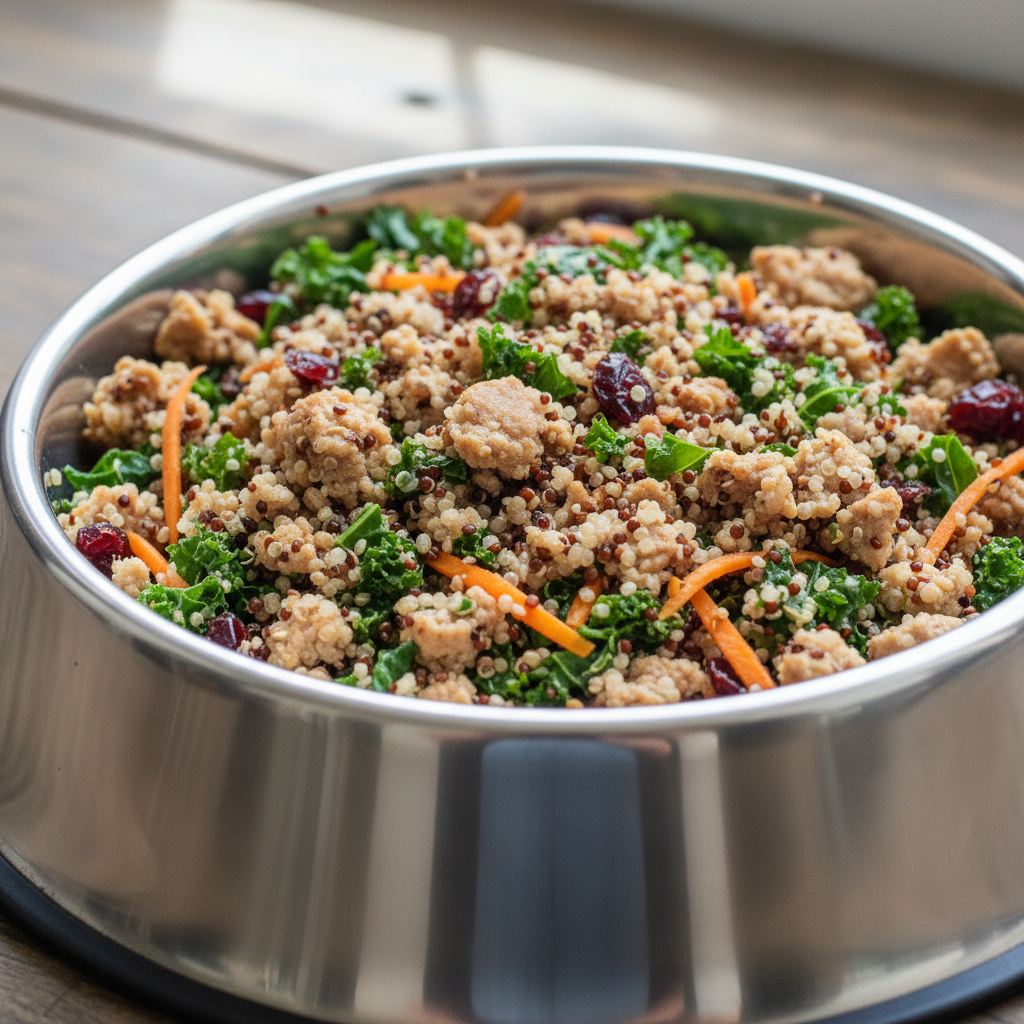
Creating customized meals at home involves sourcing proteins, carbohydrates, fats, and precise vitamin and mineral supplements to mimic or exceed commercial standards. Unlike adult maintenance diets, a puppy-specific meal plan must support sustained tissue growth without triggering excessive weight gain. Great Pyrenees dogs are classified as a giant breed, meaning they reach skeletal maturity much later than smaller dogs, often around eighteen to twenty-four months of age. Consequently, formulating diy pyrennes puppy food demands meticulous attention to nutrient density and bioavailability. Hand-mixing lean meats, organ tissue, and safe carbohydrates forms only the foundation of the bowl. True nutritional balance requires professional formulation software or recipes certified by veterinary nutritionists to ensure every single meal meets established standards for large-scale growth.
Rapid skeletal development in giant breeds makes precise nutrient ratios the single most critical factor in homemade puppy diets.
Balancing calcium and phosphorus ratios incorrectly in diy pyrennes puppy food can lead to severe developmental orthopedic diseases, such as hip dysplasia or hypertrophic osteodystrophy. Working hands-on with giant puppies reveals how eagerly they consume meals, often inhaling food without chewing, which makes consistency in texture and portioning vital for healthy digestion. Furthermore, excessive caloric intake during puppyhood causes bones to grow faster than the surrounding muscles and ligaments can stabilize, resulting in structural weakness. Essential fatty acids like omega-3s must be integrated carefully to support neurological development and joint lubrication. Every ingredient added to the bowl either contributes to structural integrity or introduces a potential imbalance. This delicate biochemical dance underscores why haphazardly tossing table scraps into a bowl fails to support proper canine development.
Improper calcium-to-phosphorus ratios in homemade giant breed diets are a primary contributor to preventable developmental bone disorders. — American College of Veterinary Nutrition
Preparing safe and nutritionally complete homemade meals involves strict adherence to veterinary-formulated recipes and kitchen sanitation standards.
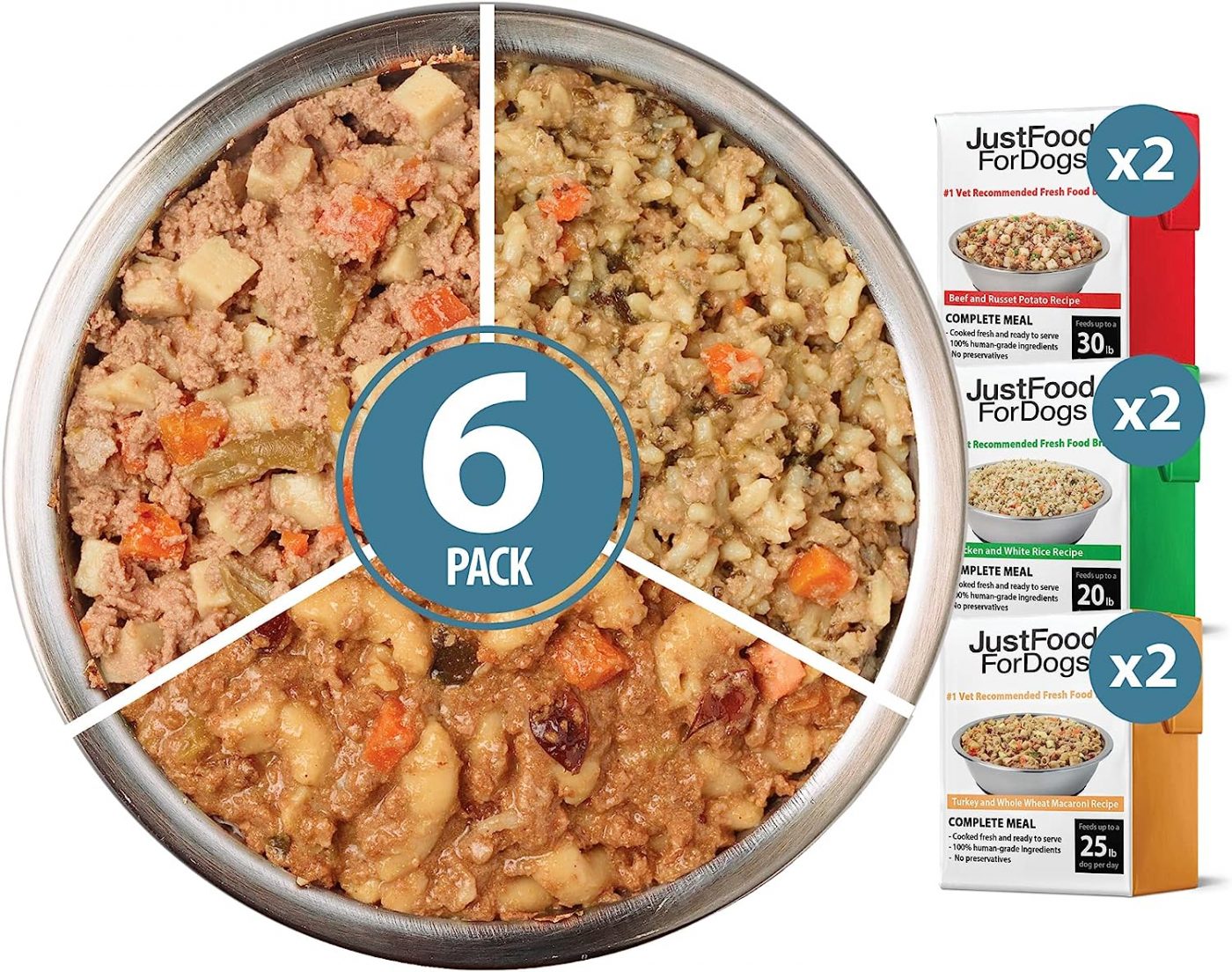
Executing diy pyrennes puppy food successfully means treating the home kitchen like a professional processing facility to prevent bacterial contamination from raw meats. Begin by selecting high-quality human-grade protein sources, such as lean turkey, beef, or chicken, paired with safe carbohydrate bases like cooked sweet potatoes or brown rice. Always avoid toxic ingredients like onions, garlic, grapes, and xylitol, which pose severe poisoning risks to canines. Once the base ingredients are cooked or prepared, specialized vitamin and mineral powder premixes must be added precisely according to professional recommendations. Never guess or eyeball these powdered supplements, as microminerals require exact gram weights. Storing prepared batches in airtight containers in the refrigerator or freezer ensures freshness and prevents spoilage throughout the week.
Essential best practices and common pitfalls to avoid when preparing fresh puppy meals at home.
Skipping essential organ meats or relying solely on muscle meat and calcium supplements creates severe nutritional deficiencies over time. Experience shows that well-meaning owners often substitute ingredients on a whim—swapping beef liver for chicken breast, for instance—unwittingly stripping the diet of vital vitamin A and copper. Another frequent misstep involves feeding cooked bones, which splinter easily and can cause life-threatening gastrointestinal obstructions or perforations. Transitioning a young dog to a new meal plan must be done gradually over ten to fourteen days to prevent acute digestive upset and severe diarrhea. Monitoring body condition score weekly helps catch unexpected weight fluctuations before they impact skeletal development. Patience and rigid consistency remain the best tools for any caregiver embarking on a home-cooking journey.
Raw meat diets prepared at home carry a significant risk of transmitting zoonotic pathogens like Salmonella and Listeria to both pets and human handlers. — Centers for Disease Control and Prevention
Pet Care & Wellness Overview Table
| Life Stage | Daily Activity Level | Key Nutrition / Care Focus |
|---|---|---|
| Puppy / Kitten | High (frequent short bursts) | High-protein growth diet & early socialization |
| Adult Companion | Moderate (30–60 mins daily) | Balanced maintenance nutrition & dental hygiene |
| Senior Pets | Low to Gentle (mindful walks) | Joint support (Glucosamine) & routine vet checks |
Images References




Age, activity level, and individual metabolic differences dictate how diy pyrennes puppy food must be adjusted over time.
Nutritional demands shift dramatically as a Great Pyrenees transitions from a roly-poly eight-week-old infant into a sprawling, active adolescent. Younger puppies require higher concentrations of dietary fat and protein to fuel brain development and rapid tissue expansion. As the puppy approaches six months of age, caloric density must be carefully monitored to prevent the accelerated growth spikes that stress developing joints. Working dogs or active farm guardians have entirely different energy requirements compared to companion dogs lounging indoors all day. Adjusting portion sizes based on regular body weight tracking ensures the puppy stays lean and well-proportioned. Consulting resources within Dog Type and Health helps caregivers understand these nuanced physiological shifts.
Professional veterinary oversight is non-negotiable when committing to a long-term home-prepared feeding regimen for giant puppies.
Consulting a licensed veterinarian or a board-certified veterinary nutritionist before starting diy pyrennes puppy food protects the animal from silent, progressive nutritional deficiencies. Routine blood panels and physical evaluations allow the veterinary team to track growth velocity and bone density in real time. If lethargy, dull coat, reluctance to walk, or abnormal gait appears, immediate veterinary intervention is required to correct potential nutritional imbalances. Exploring resources via Ingredients and Method provides further educational insight into safe meal preparation. Remember that internet recipes rarely account for an individual puppy’s specific metabolism, making professional medical oversight an absolute necessity for lifelong health.
Commitment to balanced nutrition lays the foundation for a long, healthy life for your gentle giant guardian.
Raising a magnificent Great Pyrenees is an intensely rewarding journey filled with loyalty, companionship, and plenty of grooming. By prioritizing scientifically backed nutritional plans, caregivers ensure their companion grows into a strong, sound, and vibrant adult. Continued education on canine dietary needs makes all the difference in preventing chronic health issues down the road. Discover more expert guides, nutrition tips, and care strategies by exploring Home2Pet.com alongside categories like Occasion and General & Others for comprehensive pet wellness support.