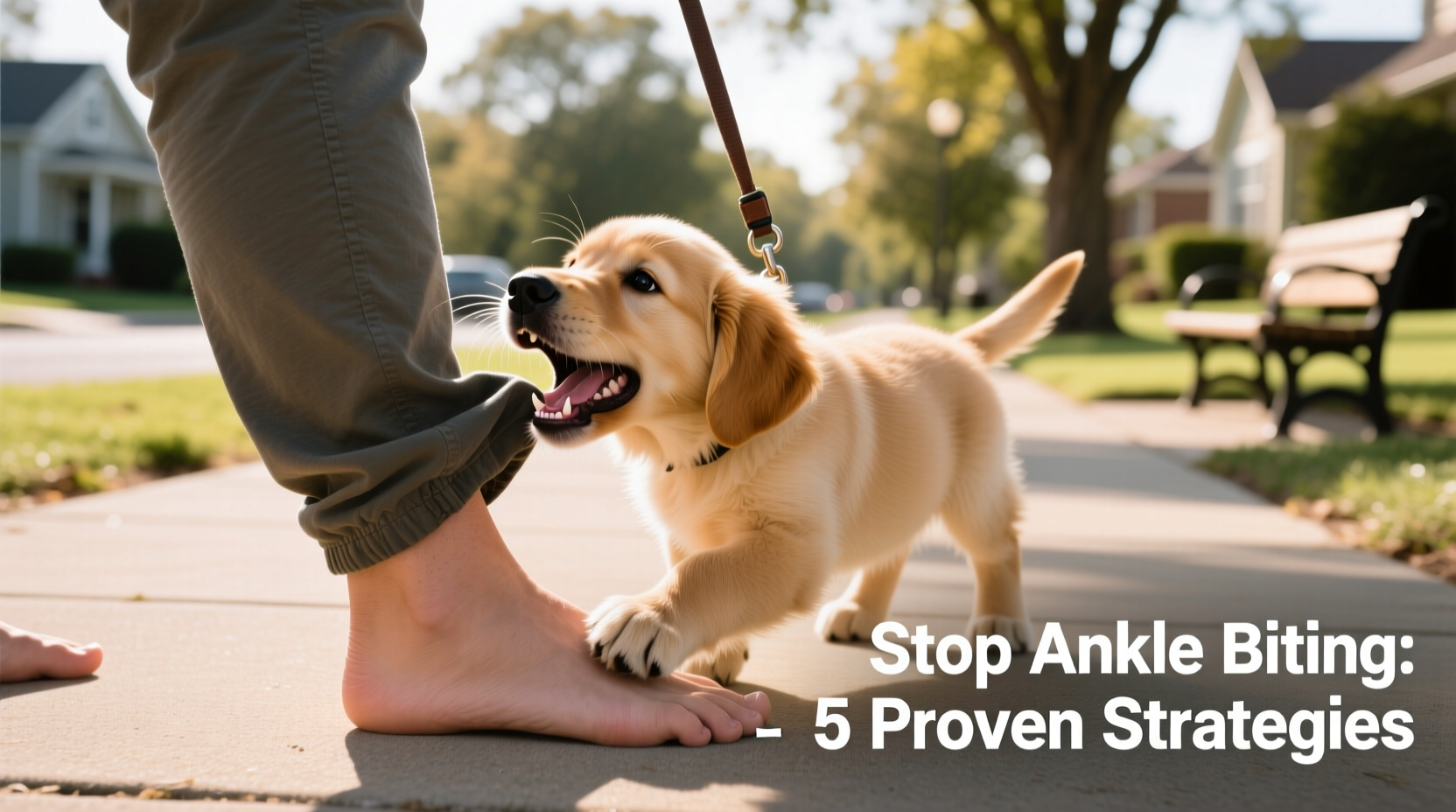
Understanding the root causes of canine mouthiness requires looking at how dogs naturally communicate with their environment during early development.
According to the American Society for the Prevention of Cruelty to Animals, young canines naturally explore the world using their mouths just as human infants use their hands. Bringing a new canine companion home often brings unexpected challenges, particularly when needle-sharp teeth repeatedly connect with human skin. Many households struggle with this behavior, searching for reliable frameworks such as the popular principles taught by renowned behavioral experts. Examining cesar millan how to stop your puppy from biting you reveals a philosophy rooted in calm, assertive energy and clear communication. In clinical practice, working daily with young canines demonstrates that mouthing is rarely born from genuine aggression; instead, it usually stems from over-excitement, teething discomfort, or improper play boundaries. Recognizing this distinction allows families to respond with patience rather than frustration, transforming a stressful household challenge into an opportunity for constructive bonding. Related guide: Frozzys Frozen Yogurt For Dogs.
💡 Pet Care Key Takeaways:
- Core Focus: Practical health, nutrition, and wellness guidelines for Cesar Millan How To Stop Your Puppy From Biting You.
- Target Scope: Pet owners, animal caregivers, and veterinary support staff.
- Best Recommendation: Maintain consistent daily routines and consult an accredited veterinarian before introducing major diet or medical changes.
Cesar millan how to stop your puppy from biting you centers on establishing calm energy, setting firm boundaries, and redirecting unwanted behaviors before they escalate.
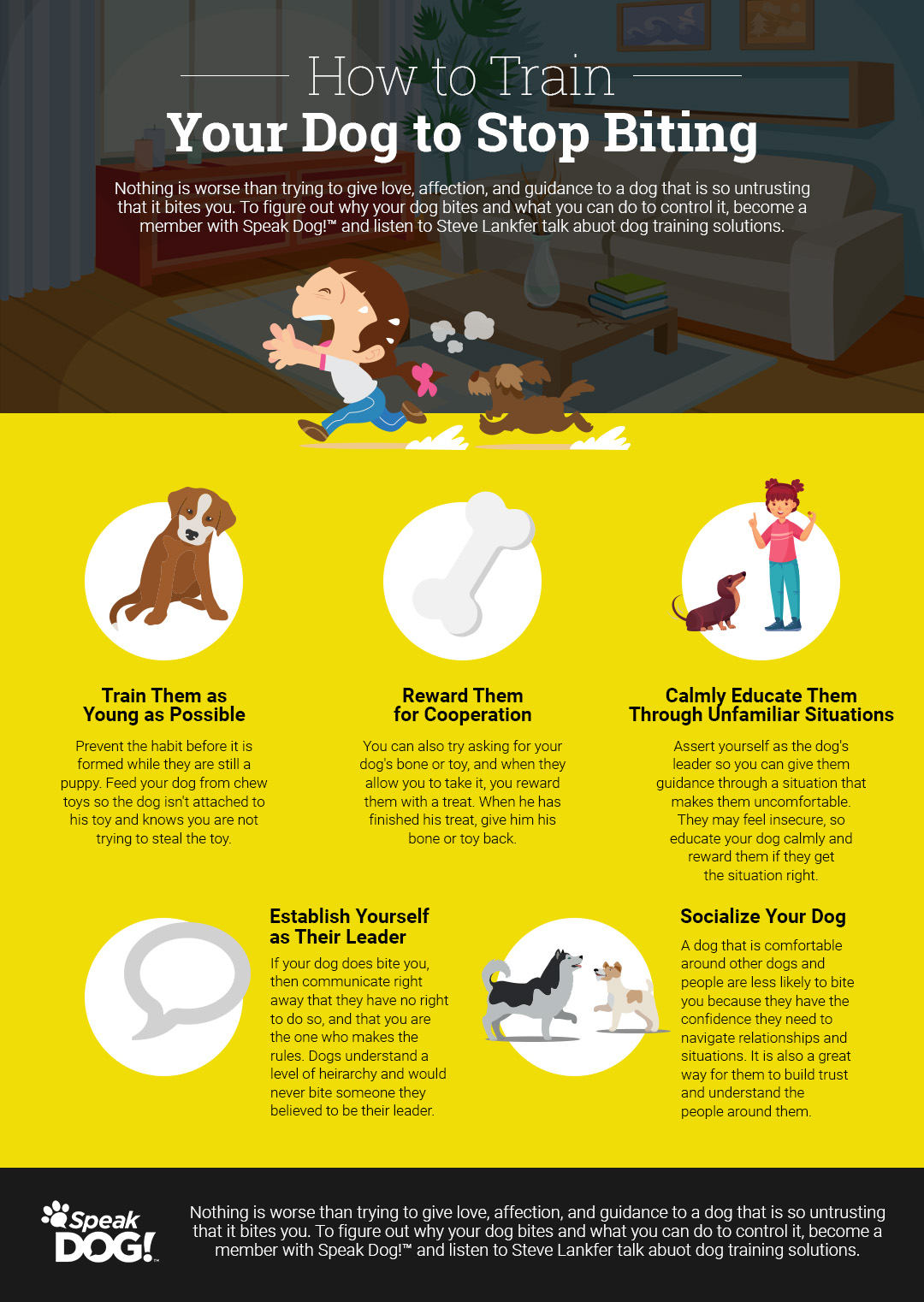
Implementing cesar millan how to stop your puppy from biting you involves adopting a leadership mindset that communicates structure without resorting to harsh physical corrections. When an excited animal begins nipping at ankles or hands, the recommended approach advises against high-pitched squealing or chaotic running, which often mimics prey movement and mistakenly encourages the chase. Instead, handlers are encouraged to remain completely still, becoming as uninteresting as a tree until the animal calms down. This technique leverages natural canine psychology, teaching youngsters that rough mouthiness causes all fun and attention to instantly stop. Furthermore, pairing this stillness with immediate redirection toward an appropriate chew toy ensures the growing animal understands what items are acceptable to clamp down on.
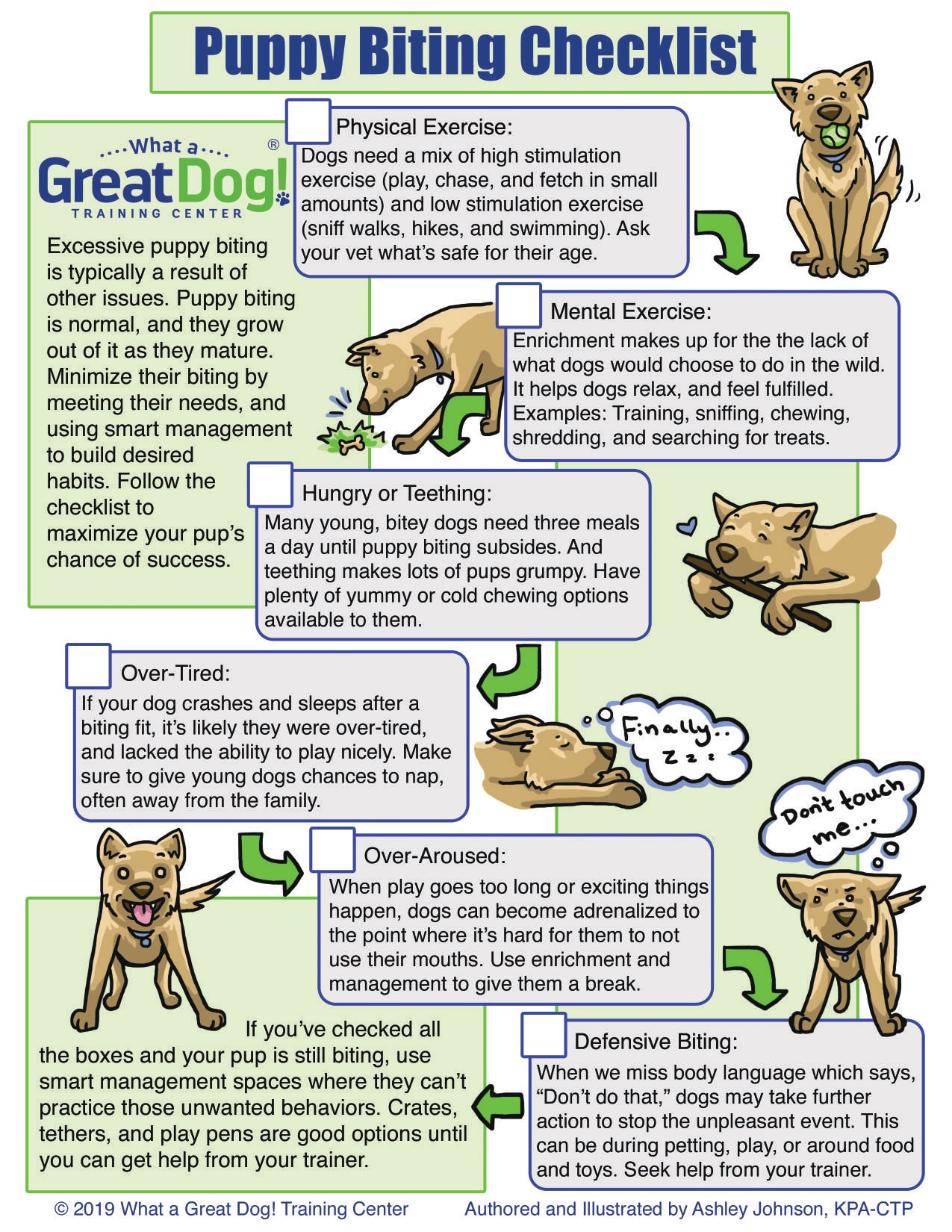
Allowing excessive nipping to persist unchecked during the formative months creates significant behavioral risks that extend well into adulthood. During examination tables in clinical settings, observing animals that missed early bite-inhibition training highlights how quickly playful nipping can morph into defensive aggression when the dog reaches full size. Additionally, nutritional factors and physical discomfort, such as the pain of adult teeth pushing through inflamed gums, can exacerbate aggressive mouthing episodes. Caregivers must ensure that any items provided for chewing are safe, non-toxic, and appropriate for the animal’s current developmental stage, avoiding splintering woods or toxic household items found in discussions on Ingredients.
Early socialization and proper bite inhibition training significantly reduce the incidence of severe behavioral problems and relinquishment rates in young dogs — American Kennel Club
Applying these behavioral principles requires absolute consistency, timing, and patience during every single interaction throughout the day.
Successful execution of cesar millan how to stop your puppy from biting you depends heavily on timing the intervention the exact second teeth touch human skin. Every member of the household must respond in the exact same manner to avoid confusing the growing animal with mixed signals. Establishing structured daily routines for exercise, mental stimulation, and rest prevents the frenzied overtired states that frequently trigger wild nipping sessions. Exploring broader advice on Method can further assist households in refining their daily training schedules for optimal results.
Avoiding common mistakes like inconsistent rules, emotional yelling, and accidental reinforcement during training sessions ensures faster progress.
One frequent pitfall occurs when family members laugh or push the animal away playfully, which the dog interprets as a rewarding game of tug-of-war with human hands. Maintaining emotional neutrality is vital; raising voices or swatting at the animal introduces erratic energy that frequently triggers defensive counter-attacks or fearful responses. Consistency must extend to every visitor entering the home, ensuring guests also freeze and redirect when greeted by sharp teeth. Reviewing insights on Dog Type and Health helps owners tailor their expectations based on specific breed traits and developmental timelines.
Puppies experience intense teething discomfort between twelve and twenty-four weeks of age, requiring appropriate outlets to satisfy their natural urge to chew — American Veterinary Medical Association
Pet Care & Wellness Overview Table
| Life Stage | Daily Activity Level | Key Nutrition / Care Focus |
|---|---|---|
| Puppy / Kitten | High (frequent short bursts) | High-protein growth diet & early socialization |
| Adult Companion | Moderate (30–60 mins daily) | Balanced maintenance nutrition & dental hygiene |
| Senior Pets | Low to Gentle (mindful walks) | Joint support (Glucosamine) & routine vet checks |
Images References




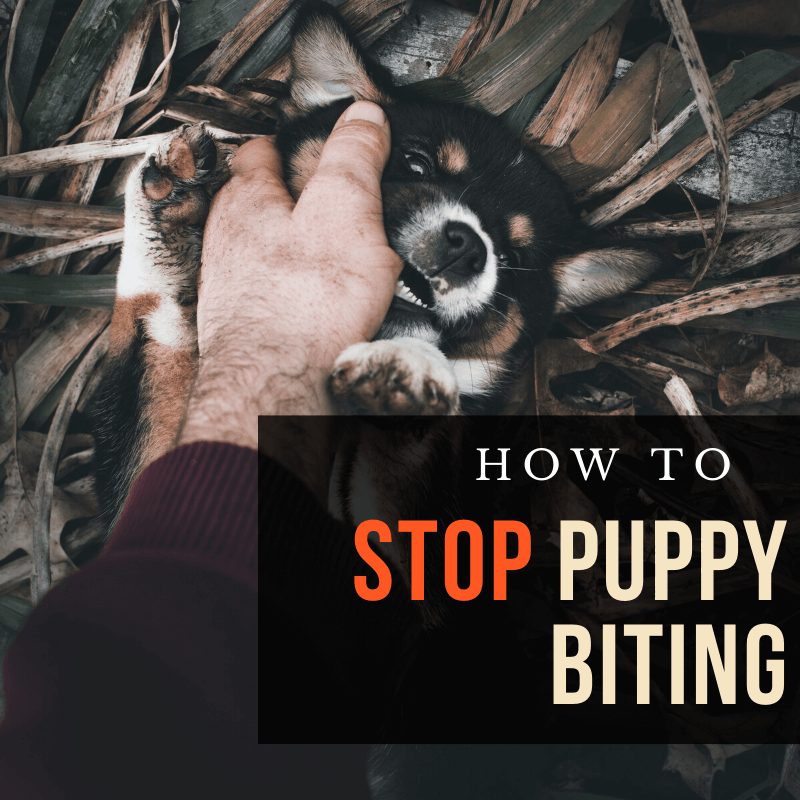
Breed temperament, individual size, and physiological maturity dictate how intensely and rapidly a young dog responds to behavioral correction techniques.
Working-herding breeds often possess an intense genetic predisposition to heel and nip at moving feet, requiring significantly more structured redirection than companion breeds. High-energy sporting dogs demand rigorous physical outlets to burn off the restless stamina that frequently fuels excessive mouthing behaviors. Conversely, smaller toy breeds might require extra gentleness during training to avoid accidental injury while still enforcing firm household boundaries. Recognizing these inherent biological differences ensures that training expectations remain realistic and tailored specifically to the individual animal resting on the living room rug.
Professional veterinary consultation becomes mandatory whenever sudden, unprovoked aggression emerges or if mouthing is accompanied by signs of severe physical pain.
While normal developmental mouthing responds well to consistent home training, any sudden change in temperament or persistent aggressive biting warrants a thorough veterinary examination. Underlying medical conditions, neurological issues, or severe dental pain can cause otherwise gentle animals to lash out defensively when touched. Caregivers must never hesitate to consult a qualified veterinarian or a certified animal behaviorist to rule out hidden health concerns before modifying a training program. For seasonal advice and event-specific tips, check resources under Occasion to keep training on track year-round.
Mastering early behavioral guidance builds a lifelong foundation of mutual trust and respect between your household and your growing companion animal.
Embracing structured, calm leadership transforms the chaotic puppy phase into a harmonious journey of mutual understanding and lasting companionship. By maintaining clear boundaries, understanding developmental milestones, and responding with steady patience, households can effectively resolve unwanted nipping habits. Exploring general guidance across General & Others provides continuous inspiration for lifelong animal care. Discover more expert tips and comprehensive guides by visiting Home2Pet.com to support every step of your wonderful journey together.