Managing canine skin conditions effectively often begins with understanding why localized yeast and fungal flare-ups cause such persistent discomfort for companion animals.
According to the American Kennel Club, canine skin issues—including yeast infections and ringworm—are among the most frequent reasons pet parents seek veterinary guidance. In daily practice, watching a dog incessantly chew at itchy paws or scratch inflamed skin reveals just how distressing fungal imbalances can become. These microscopic invaders thrive in warm, humid folds of skin, turning a simple afternoon nap into an endless cycle of misery. Addressing these microbial disturbances requires targeted hygiene strategies that soothe the outer barrier without stripping natural oils. For more insights on keeping coats balanced, explore Dog Type and Health resources.
💡 Pet Care Key Takeaways:
- Core Focus: Practical health, nutrition, and wellness guidelines for Homemade Antifungal Shampoo For Dogs Recipe.
- Target Scope: Pet owners, animal caregivers, and veterinary support staff.
- Best Recommendation: Maintain consistent daily routines and consult an accredited veterinarian before introducing major diet or medical changes.
A homemade antifungal shampoo for dogs recipe utilizes natural antimicrobial agents like diluted apple cider vinegar or specific botanical extracts to disrupt yeast and fungal growth on the skin.
Formulating an at-home wash means selecting ingredients carefully to target pathogens while respecting the canine acid mantle—a protective film on the skin surface. Unlike human skin, which is relatively acidic, canine skin sits closer to a neutral pH, making commercial human soaps entirely unsuitable. Natural remedies often incorporate antimicrobial essential oils or soothing bases, yet every component must be rigorously evaluated for safety. In clinical settings, paws stained reddish-brown from constant licking point directly to Malassezia yeast overgrowth, which requires precise topical intervention. Understanding how to source pure components safely starts by reviewing expert guidance found under Ingredients.
Implementing targeted topical treatments directly influences cutaneous microbiome health by reducing opportunistic pathogens that cause chronic irritation and odor.
When fungal populations multiply unchecked, they release metabolic byproducts that trigger intense inflammation, localized hair loss, and a characteristic musty smell. Regular cleansing with a customized antimicrobial wash helps restore microbial equilibrium, giving the skin barrier a chance to repair itself. During physical examinations, lifting a heavy, wrinkled skin fold on a Bulldog often reveals raw, moist dermatitis that benefits immensely from proper antiseptic cleansing routines. Furthermore, mastering the correct preparation steps ensures that the active agents remain stable and gentle enough for regular application. Discover step-by-step formulation workflows by visiting Method.
Dermatological conditions account for a substantial percentage of all veterinary clinic visits, with yeast dermatitis representing a primary driver of chronic canine discomfort. — American Kennel Club. Related guide: Frozzys Frozen Yogurt For Dogs.
Preparing and applying any homemade antifungal shampoo for dogs recipe safely demands strict adherence to dilution guidelines and thorough rinsing protocols.
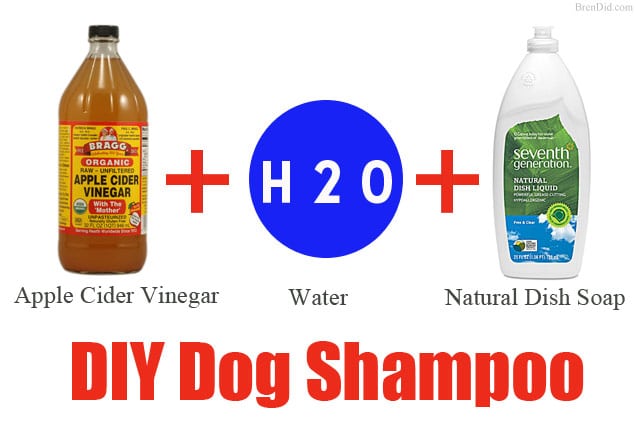
Creating a safe wash involves combining a gentle, unscented castile soap base with measured amounts of antimicrobial additions, ensuring no harsh detergents enter the eyes or ears. Before applying any mixture across the entire body, practice dictates performing a small patch test on a localized area of skin to monitor for adverse reactions. Massage the lather gently into affected zones, allowing the therapeutic agents to sit undisturbed for approximately ten minutes before rinsing thoroughly with lukewarm water. Leaving residual soap on the skin can trap moisture, inadvertently worsening the exact fungal proliferation you aim to resolve.
Avoiding common formulation and application mistakes guarantees that home remedies soothe rather than aggravate sensitive canine skin.
One frequent error involves using essential oils like tea tree oil in excessive concentrations, which can lead to severe toxicity and neurological distress in canines. It is vital to remember that certain kitchen staples, such as garlic or certain citrus extracts, pose severe systemic poisoning risks if ingested during grooming. Always verify ingredient safety ranges with a licensed veterinarian before mixing any batch for sensitive companions. Special occasions or seasonal humidity shifts often demand tailored grooming adjustments, which can be reviewed further via Occasion.
Tea tree oil and certain concentrated botanical extracts can induce severe toxicosis, weakness, and central nervous system depression if applied incorrectly to dogs. — American Society for the Prevention of Cruelty to Animals
Pet Care & Wellness Overview Table
| Life Stage | Daily Activity Level | Key Nutrition / Care Focus |
|---|---|---|
| Puppy / Kitten | High (frequent short bursts) | High-protein growth diet & early socialization |
| Adult Companion | Moderate (30–60 mins daily) | Balanced maintenance nutrition & dental hygiene |
| Senior Pets | Low to Gentle (mindful walks) | Joint support (Glucosamine) & routine vet checks |
Images References




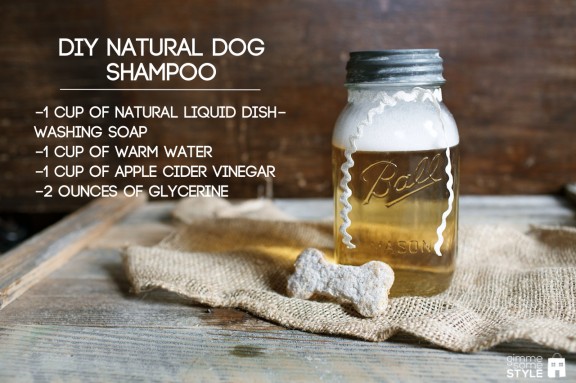
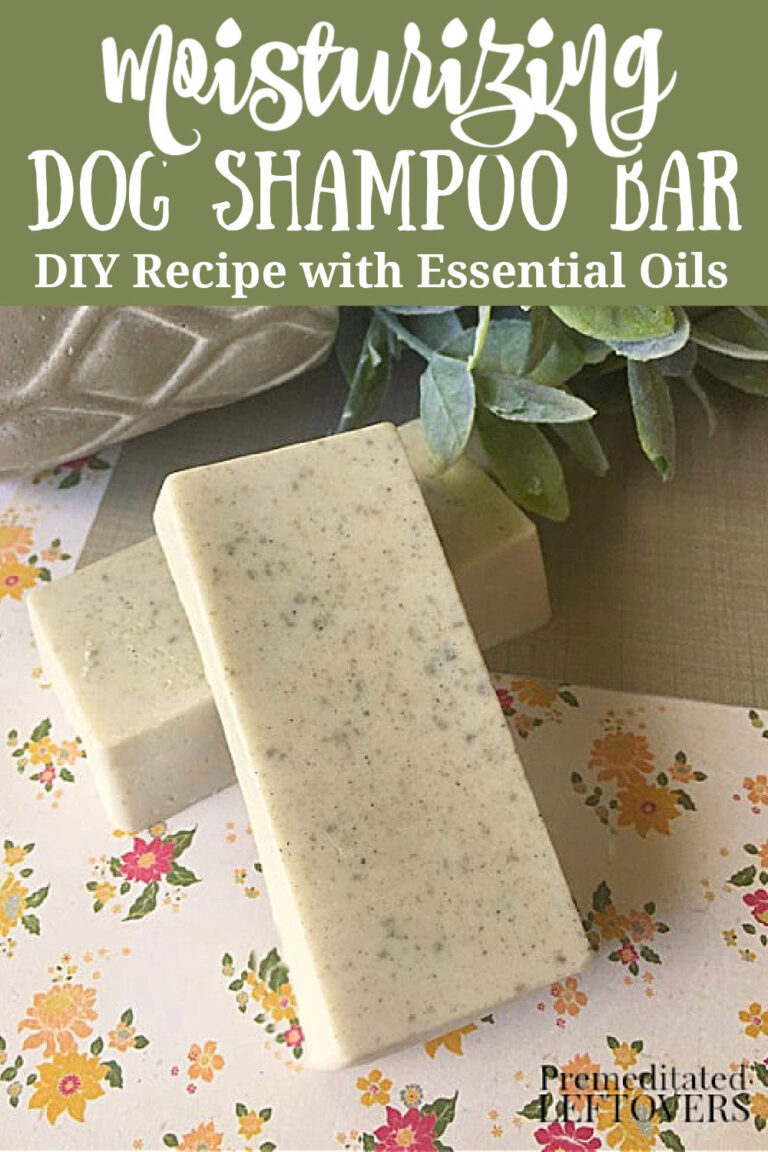
Breed predispositions, age, and underlying systemic illnesses significantly alter how a dog’s skin reacts to topical home remedies and environmental allergens.
Brachycephalic breeds—dogs with short muzzles and prominent skin folds like Pugs and Boxers—trap moisture easily, creating prime breeding grounds for fungi. Senior dogs or those battling endocrine disorders like hypothyroidism often possess compromised immune systems that struggle to fend off opportunistic cutaneous infections naturally. Consequently, a formula that works wonders for a robust adult German Shepherd might prove far too harsh for a fragile senior Poodle. Recognizing these physiological differences ensures that home care remains supportive rather than overwhelming to a delicate constitution.
Professional veterinary diagnosis remains irreplaceable because persistent fungal infections frequently signal deeper underlying systemic health issues requiring prescription care.
Attempting to treat stubborn skin lesions solely with homemade washes can mask symptoms of severe allergies, mange, or bacterial pyoderma without resolving the root cause. If skin redness worsens, if open sores develop, or if the dog exhibits lethargy and persistent discomfort, professional veterinary evaluation is mandatory. A veterinarian can perform skin scrapings or cytologic evaluations to accurately identify the specific pathogen involved. For additional educational resources on managing overall pet wellness, browse through General & Others.
Supporting your dog’s dermatological wellness requires patience, careful observation, and a commitment to safe, professional-backed home care routines.
Navigating canine skin health safely ensures that every bath contributes positively to your companion’s overall vitality and comfort. By combining thoughtful home grooming practices with regular veterinary oversight, you can keep your pet happy, healthy, and itch-free. Explore more expert-backed care guides and resources by visiting Home2Pet.com today to discover everything needed for your dog’s wellness journey.