Crafting a Natural Shield Against Parasites in the Backyard
According to the American Kennel Club, routine parasite control is essential for maintaining canine well-being and preventing vector-borne diseases. Finding a sudden pest crawling through a canine companion’s coat can instantly cause panic for anyone sharing a household with animals. Over the years spent working inside veterinary clinics, witnessing countless owners scramble for immediate solutions when ticks attach themselves to beloved pets has become a common occurrence. These external parasites are more than mere nuisances; they carry pathogens that can severely compromise an animal’s vitality. Exploring a dog tick treatment home remedy shampoo offers a proactive, chemical-conscious approach to managing these unwanted hitchhikers during peak outdoor seasons.
💡 Pet Care Key Takeaways:
- Core Focus: Practical health, nutrition, and wellness guidelines for Dog Tick Treatment Home Remedy Shampoo.
- Target Scope: Pet owners, animal caregivers, and veterinary support staff.
- Best Recommendation: Maintain consistent daily routines and consult an accredited veterinarian before introducing major diet or medical changes.
Natural washing solutions utilize botanical extracts and gentle soaps to deter and immobilize external parasites.
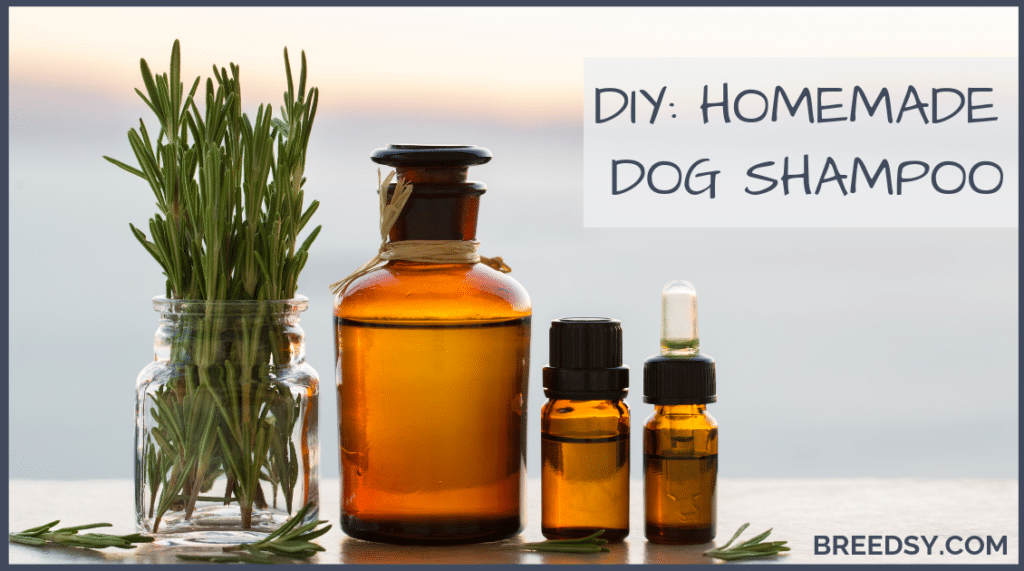
A dog tick treatment home remedy shampoo typically consists of mild, castile-based soaps combined with specific essential oils or organic infusions known for their pest-repelling properties. Unlike conventional chemical dips, these homemade washes focus on smothering existing arachnids while creating an unfavorable scent profile that discourages new ones from latching on. Experienced veterinary technicians often observe that dogs with sensitive skin tolerate mild plant-based washes much better than harsh synthetic pesticides. By blending soothing ingredients like colloidal oatmeal with targeted deterrents, caregivers can cleanse the skin and address pests simultaneously without stripping the natural oils of the canine coat. Related guide: How To Get Puppy To Stop Biting Furniture.
Botanical washes impact skin health and systemic comfort by reducing harsh chemical exposure while managing pest loads.
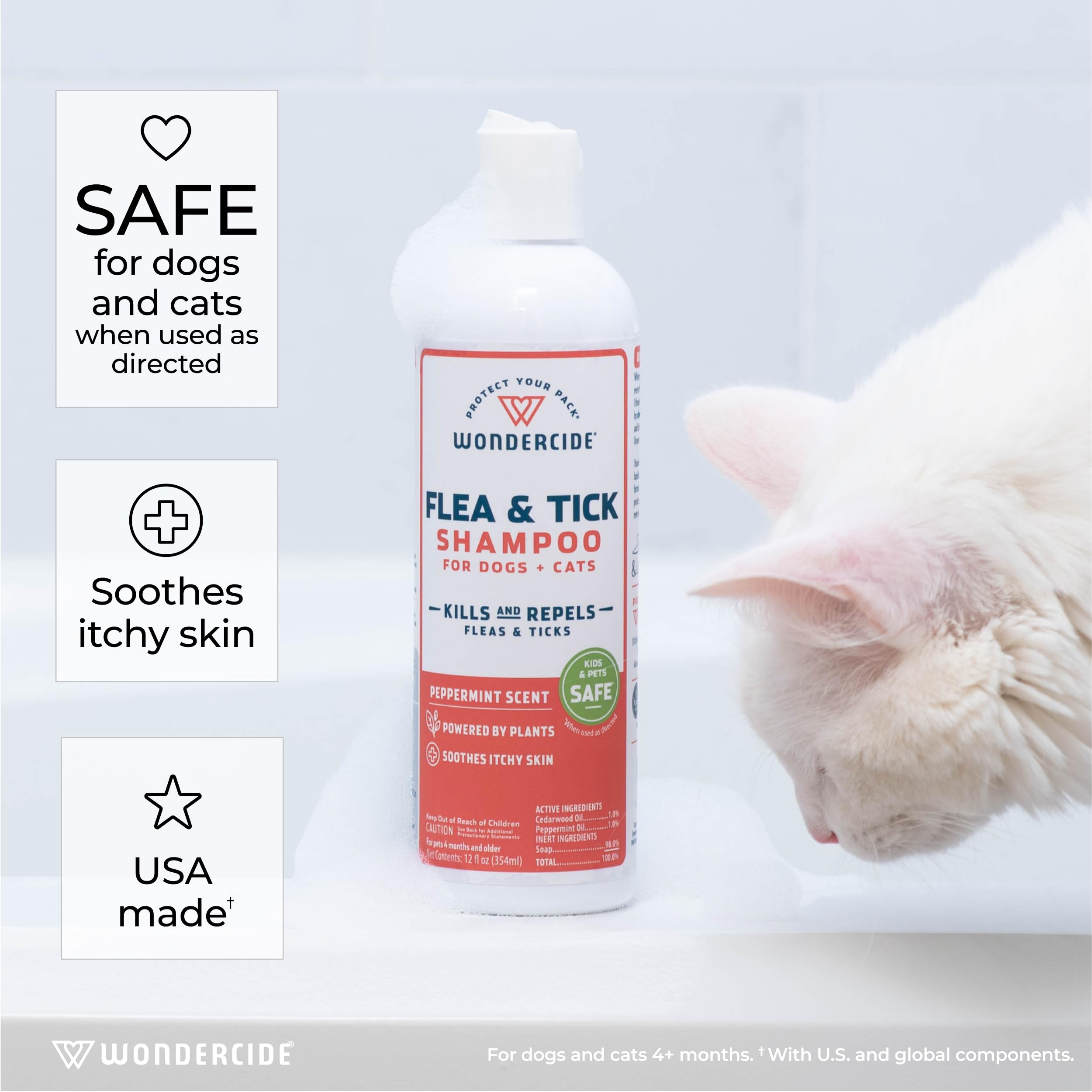
Transitioning to a natural bathing routine minimizes the animal’s exposure to potent synthetic neurotoxins frequently found in commercial spot-on treatments. However, caution remains paramount because certain natural ingredients, particularly specific essential oils such as pennyroyal or tea tree, can exhibit extreme toxicity if formulated incorrectly or absorbed in excessive quantities. In clinical practice, accidental oil poisoning occasionally brings pets through clinic doors due to improperly diluted mixtures applied directly to the skin. Ensuring proper formulation safeguards the delicate dermal barrier while effectively neutralizing pests.
Essential oils like tea tree, pennyroyal, and eucalyptus can cause severe neurological toxicity, tremors, and liver damage in canines if concentrated or ingested. — American Society for the Prevention of Cruelty to Animals
Preparing and applying a botanical wash requires careful dilution, thorough lathering, and strict adherence to safety margins.
Implementing a dog tick treatment home remedy shampoo effectively demands patience during the bath and meticulous attention to contact time. Caregivers must prepare a gentle base using unscented castile soap combined with vet-approved hydrosols or heavily diluted, pet-safe plant extracts rather than raw, potent oils. During the washing process, working the lather systematically from the neck down prevents distressed parasites from migrating toward the vulnerable facial zones, eyes, and ears. Allowing the lather to sit undisturbed for a short window helps immobilize the pests before rinsing thoroughly with lukewarm water, followed by a careful manual inspection using a fine-toothed comb.
Avoiding common formulation pitfalls ensures the washing process remains safe and genuinely beneficial.
One frequent error involves guessing dilution ratios rather than relying on precise, professional guidelines established for canine physiology. Furthermore, skipping the patch test can lead to unexpected allergic reactions, skin redness, or severe dermatitis across sensitive breeds. Always confirm appropriate ingredient concentrations with a veterinarian before applying any homemade concoction, as individual sensitivities vary drastically. Additionally, failing to rinse the coat completely can leave soap residue that attracts dirt and irritates the hair follicles long after the bath concludes.
Thorough rinsing after any medicated or herbal bath prevents dermal irritation, pruritus, and secondary skin infections caused by residual soap accumulation. — American Veterinary Medical Association
Pet Care & Wellness Overview Table
| Life Stage | Daily Activity Level | Key Nutrition / Care Focus |
|---|---|---|
| Puppy / Kitten | High (frequent short bursts) | High-protein growth diet & early socialization |
| Adult Companion | Moderate (30–60 mins daily) | Balanced maintenance nutrition & dental hygiene |
| Senior Pets | Low to Gentle (mindful walks) | Joint support (Glucosamine) & routine vet checks |
Images References



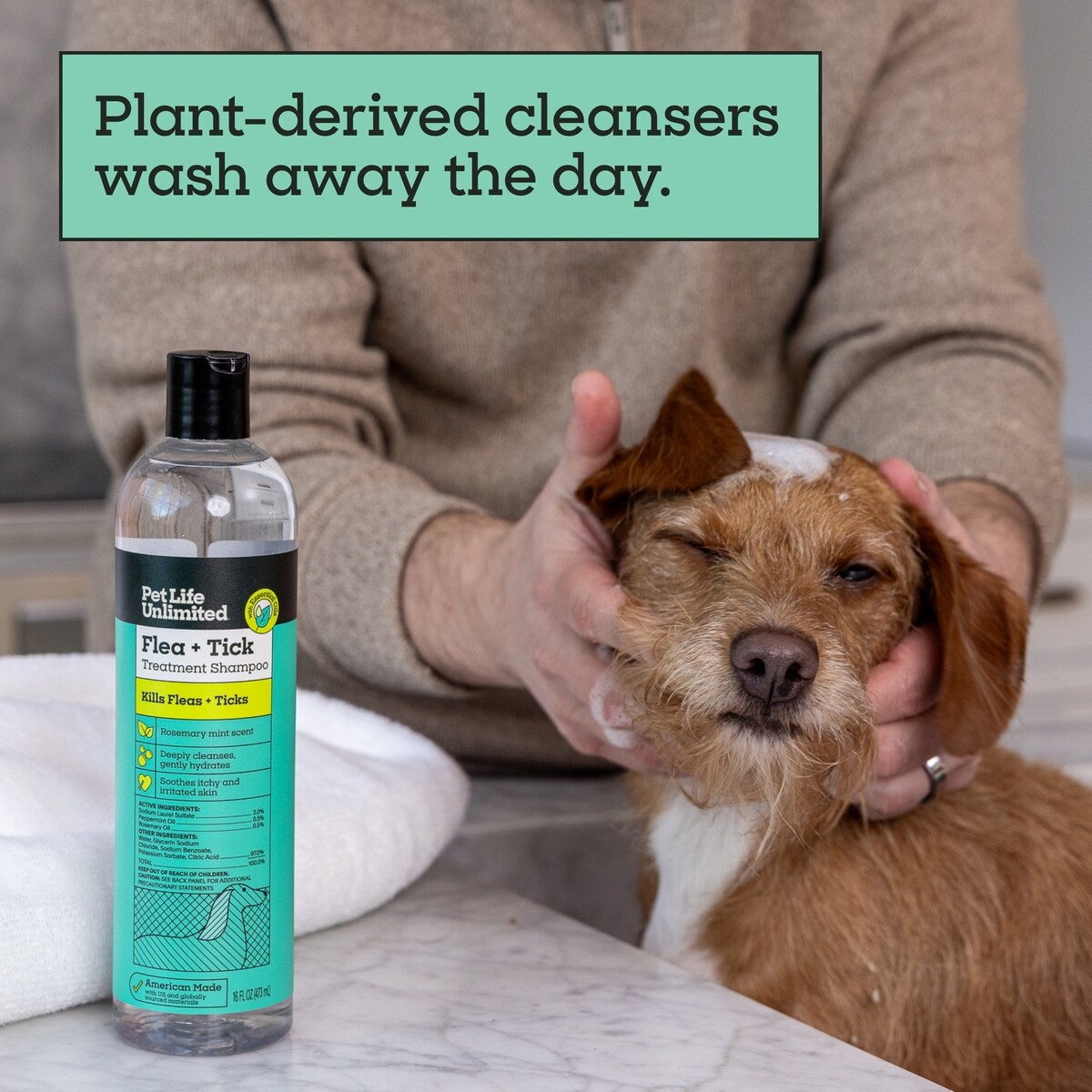
Physiological variables like age, breed predisposition, coat thickness, and underlying health dictate individual formulation limits.
Puppies, senior dogs, and pregnant females possess drastically lowered metabolic capacities, making them exceptionally vulnerable to botanical compounds that adult animals might process safely. Breeds with double coats, such as Siberian Huskies or Golden Retrievers, require specialized rinsing techniques to ensure washes reach the skin surface where pests hide. Furthermore, canines suffering from compromised immune systems or chronic skin conditions require veterinary clearance before introducing any novel topical substance. Tailoring the approach to the specific dog type and health status prevents accidental toxicity and promotes optimal recovery.
Professional veterinary consultation remains irreplaceable when managing severe infestations or unexpected adverse reactions.
External parasite management should always complement, rather than completely replace, comprehensive veterinary oversight and preventative medicine. If a dog displays lethargy, loss of appetite, joint stiffness, or unexplained fever following a tick bite, immediate professional evaluation is required to test for vector-borne illnesses like Lyme disease or anaplasmosis. Veterinarians can diagnose underlying systemic issues and prescribe targeted pharmaceutical interventions when home management proves insufficient. Partnering with a licensed veterinary professional guarantees the highest standard of health and safety for every four-legged family member.
Comprehensive wellness resources empower caregivers to maintain optimal canine health year-round.
Navigating the complexities of canine care becomes significantly easier when relying on trustworthy guidance and expert-backed protocols. Exploring comprehensive guides on Dog Type and Health helps owners understand specific breed vulnerabilities and wellness benchmarks. Selecting safe, high-grade components is thoroughly detailed within the Ingredients database, while step-by-step instructions are outlined in the Method archive. For seasonal pest management tips suited to every special event, visit Occasion, and discover broader welfare advice under General & Others. Visit Home2Pet.com today for more trusted insights designed to keep pets thriving.