Understanding the natural teething journey requires evaluating safe chew options for young dogs.
According to the American Kennel Club, puppies begin exploring their environment heavily with their mouths during the teething phase, making appropriate outlet items essential for healthy development. Clinical practice often reveals that young canines experience considerable gum inflammation and intense chewing urges between three and six months of age. Without proper redirection, this biological drive frequently targets household furniture, shoes, and baseboards. Fortunately, offering biologically appropriate chew items satisfies this instinctual need while supporting overall oral hygiene. Veterinary technicians frequently observe that puppies provided with correct tactile outlets display significantly lower rates of destructive chewing behaviors indoors. Related guide: Best Dog Supplement For Homemade Dog Food.
💡 Pet Care Key Takeaways:
- Core Focus: Practical health, nutrition, and wellness guidelines for Natural Chews For Best Puppies.
- Target Scope: Pet owners, animal caregivers, and veterinary support staff.
- Best Recommendation: Maintain consistent daily routines and consult an accredited veterinarian before introducing major diet or medical changes.
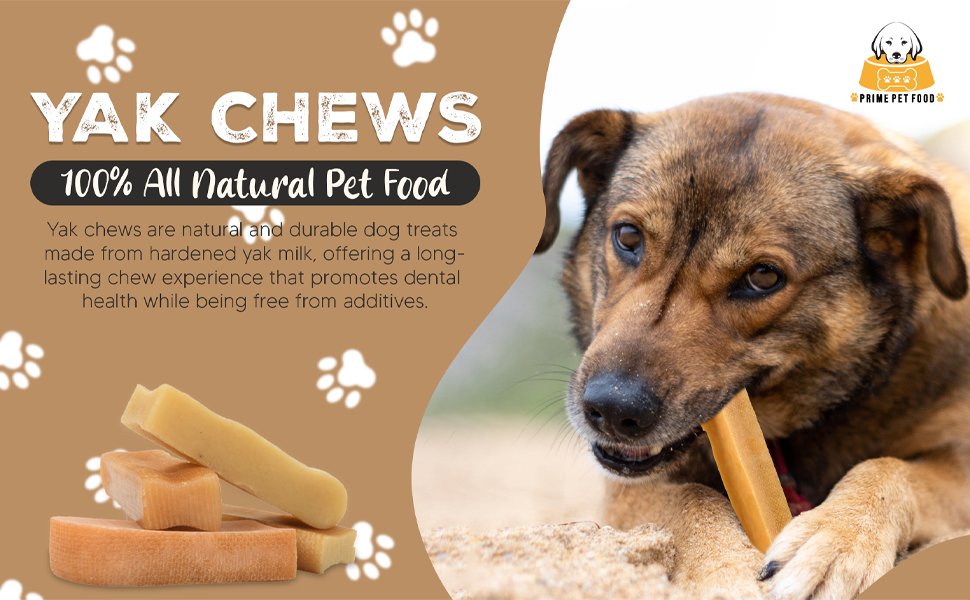
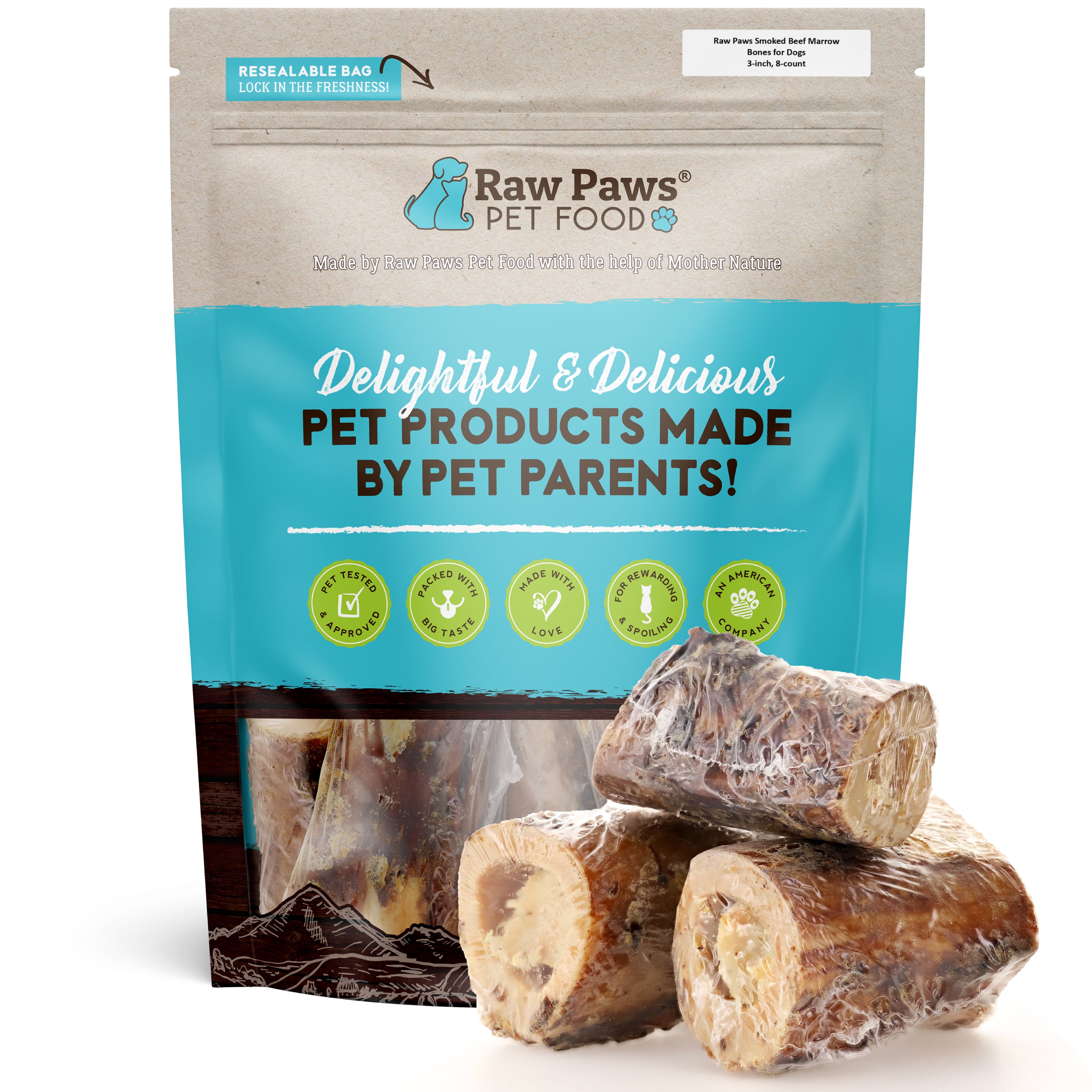
Natural chews for best puppies refer to minimally processed, single-ingredient animal parts or plant-based items that offer safe, digestible stimulation for developing teeth.
These items undergo little to no chemical alteration, distinguishing them sharply from heavily bleached rawhide or artificial rubber toys. Typical examples include dried beef bully sticks, dehydrated rabbit ears, and frozen root vegetables designed specifically for young pets. Selecting these items ensures that growing canines ingest recognizable, wholesome substances rather than synthetic polymers or artificial flavorings. Furthermore, single-ingredient options minimize the likelihood of adverse gastrointestinal reactions, which is crucial for immature digestive tracts.
Providing appropriate chewing materials offers profound physical and psychological benefits during a canine’s formative months.
Chewing stimulates saliva production, which naturally helps wash away food debris and plaque precursors from newly erupted milk teeth. Beyond dental health, the rhythmic motion of gnawing triggers the release of calming endorphins, effectively soothing anxious or overstimulated young dogs. Hands-on clinical observations show that a puppy actively engaged in a satisfying chew settles down much faster afterward, displaying improved focus during training sessions. Nevertheless, supervision remains paramount, as enthusiastic chewers can detach pieces that pose choking hazards.
Mechanical abrasion from appropriate chewing items significantly reduces early soft tartar accumulation in juvenile canines — American Veterinary Medical Association
Selecting and introducing natural chews for best puppies requires careful consideration of texture, hardness, and supervision protocols.
A reliable rule of thumb for hardness involves the fingernail test: if an item cannot be slightly indented by a human thumbnail, it risks fracturing fragile deciduous teeth. Introducing these items should happen gradually, beginning with short, supervised sessions lasting no more than ten minutes to monitor digestive tolerance. Additionally, transitioning through different Method approaches helps owners find what best suits individual chewing styles. Discarding small remnants prevents accidental swallowing and subsequent gastrointestinal obstructions.
Avoiding common pitfalls ensures that chew-time remains a safe and enriching experience for growing dogs.
Cooked bones must always be avoided, as thermal processing causes them to splinter into sharp shards capable of perforating the stomach lining. Similarly, excessively hard objects like antlers or dense nylon synthetic bones should be reserved for adult dogs with mature, fully calcified jaw structures. Rotating available items keeps the novelty high, preventing boredom and discouraging the ingestion of non-food objects. Incorporating guidance from Ingredients resources helps owners scrutinize labels even on seemingly simple natural treats.
Splintered cooked bones represent one of the leading causes of emergency gastrointestinal surgery in juvenile domestic pets — American Society for the Prevention of Cruelty to Animals
Pet Care & Wellness Overview Table
| Life Stage | Daily Activity Level | Key Nutrition / Care Focus |
|---|---|---|
| Puppy / Kitten | High (frequent short bursts) | High-protein growth diet & early socialization |
| Adult Companion | Moderate (30–60 mins daily) | Balanced maintenance nutrition & dental hygiene |
| Senior Pets | Low to Gentle (mindful walks) | Joint support (Glucosamine) & routine vet checks |
Images References







Breed characteristics, body size, and individual health status dictate which items are suitable for a specific young dog.
Toy breeds like Chihuahuas require small, pliable textures that fit comfortably in miniature jaws, whereas large-breed puppies need thicker, more robust options to match their stronger bite force. Food sensitivities or underlying medical conditions, such as exocrine pancreatic insufficiency, demand strict adherence to hypoallergenic selections. Consulting a veterinarian ensures that chosen items align with specific nutritional requirements and developmental milestones. Exploring Dog Type and Health categories provides further tailored insights for unique canine profiles.
Consulting a veterinary professional is essential before introducing new dietary items or recreational chews to a puppy.
Individual health status, existing parasite preventatives, and breed-specific predispositions mean that generic recommendations cannot replace professional medical advice. A veterinarian can evaluate dental occlusion, oral cavity health, and nutritional status to recommend the safest items for a specific pet. Furthermore, prompt professional guidance is necessary if a puppy exhibits signs of gastrointestinal distress, lethargy, or persistent vomiting after chewing. Maintaining open communication with a veterinary clinic guarantees optimal care throughout the animal’s growth stages.
Selecting optimal chewing options empowers pet parents to support canine development safely and effectively.
Providing safe outlets satisfies fundamental instincts while protecting household belongings and promoting dental wellness. Discover more expert guidance by exploring Occasion advice or browsing General & Others articles on Home2Pet.com. Every small adjustment in daily routine contributes to a happier, healthier life for a growing companion.