The Midnight Surprise Every Pet Parent Dreads Facing
According to the American Society for the Prevention of Cruelty to Animals, unexpected wildlife encounters—particularly with striped nocturnal mammals—are among the most distressing sensory emergencies reported by households sharing living spaces with canines. Every seasoned veterinary technician recognizes that distinctive, pungent sulfur odor instantly upon a canine patient walking through clinic doors. Dogs naturally possess an inquisitive hunting drive, often investigating shuffling sounds in the brush without realizing the defensive capabilities of local wildlife. Consequently, nocturnal garden patrols frequently end with a distressed animal and an overwhelming cloud of thiols, the volatile chemical compounds responsible for the notorious stench. Acting quickly with the right remedy makes all the difference in neutralizing the residue before it binds permanently to the animal’s oily coat. Related guide: Frozzys Frozen Yogurt For Dogs.
💡 Pet Care Key Takeaways:
- Core Focus: Practical health, nutrition, and wellness guidelines for Home Made Skunk Shampoo.
- Target Scope: Pet owners, animal caregivers, and veterinary support staff.
- Best Recommendation: Maintain consistent daily routines and consult an accredited veterinarian before introducing major diet or medical changes.
Home made skunk shampoo is a classic chemical-neutralizing mixture designed to break down stubborn thiol bonds on canine fur rather than merely masking the pungent odor with heavy perfumes.
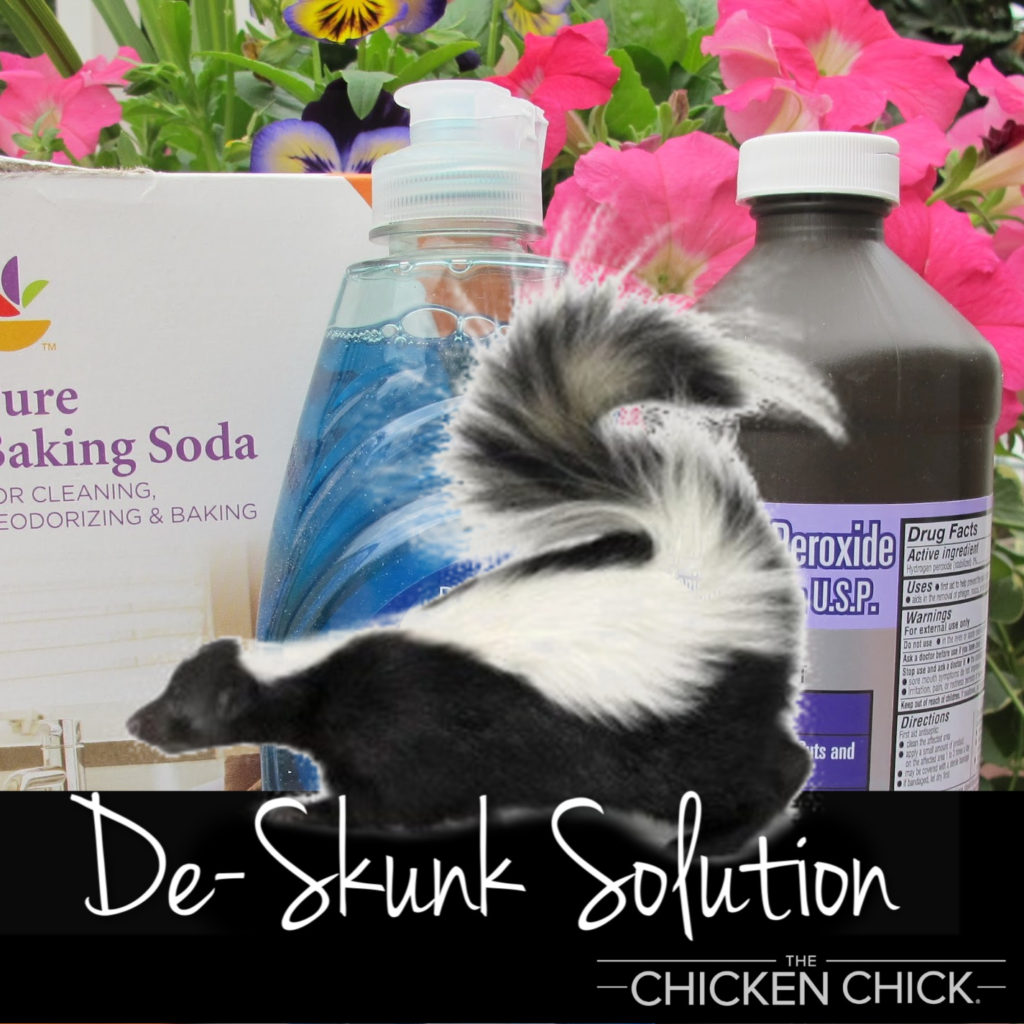
Traditional commercial pet cleansers often fail miserably against wildlife spray because they lack the specific oxidative properties needed to alter organic sulfur molecules. Instead, a proper DIY de-skunking wash relies on a precise chemical reaction involving household staples like hydrogen peroxide, baking soda, and liquid dish soap. When combined correctly under safe, veterinarian-approved guidelines, these elements alter the chemical structure of the spray’s noxious oils, rendering them water-soluble and easy to rinse away. Experienced handlers understand that timing remains crucial during this process, as letting the oils dry on the skin complicates removal significantly. Preparing the mixture immediately before application ensures maximum bubbling action, which lifts the foul-smelling residue away from the hair follicles effectively.
The physiological and behavioral impact of a wildlife encounter extends far beyond an unpleasant smell, frequently causing acute stress and skin irritation for the affected animal.
Wildlife defensive spray contains potent oils that can cause severe temporary irritation to sensitive mucous membranes, particularly the eyes, nose, and mouth. When dogs are sprayed directly in the face, they often experience excessive tearing, frantic pawing, and temporary disorientation, requiring gentle, calming reassurance from their human caregivers. Furthermore, the persistent chemical odor can induce behavioral changes, such as hiding, lethargy, or frantic self-grooming that ingestion of the toxic oils might exacerbate. Veterinary professionals frequently examine canines with secondary contact dermatitis, an inflammatory skin condition marked by redness and itching triggered by harsh wildlife secretions. Addressing these concerns properly requires consulting resources found within Dog Type and Health to ensure the animal recovers comfortably without prolonged distress.
Wildlife defensive secretions contain high concentrations of sulfur-containing thiols and thioacetates, which bond rapidly to the lipid layer of canine fur. — American Veterinary Medical Foundation
Applying a home made skunk shampoo safely requires careful preparation, protective eyewear, and a methodical washing technique to ensure complete coverage without causing additional panic.
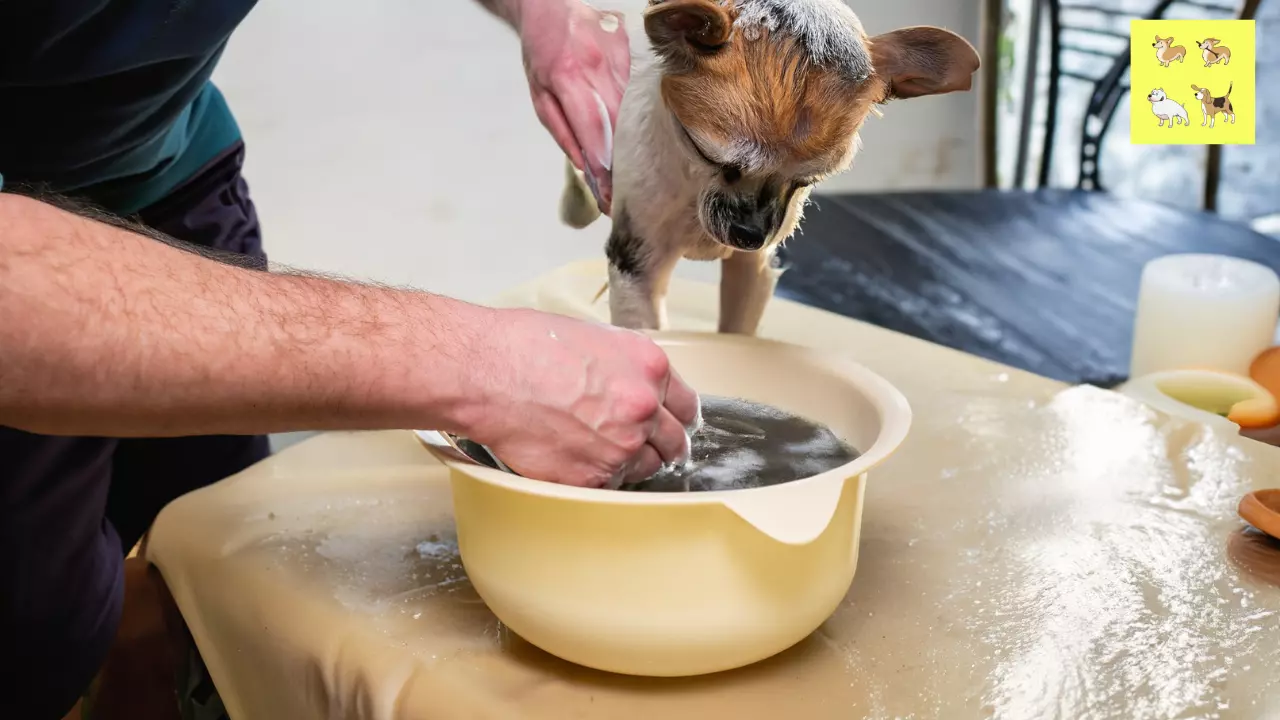
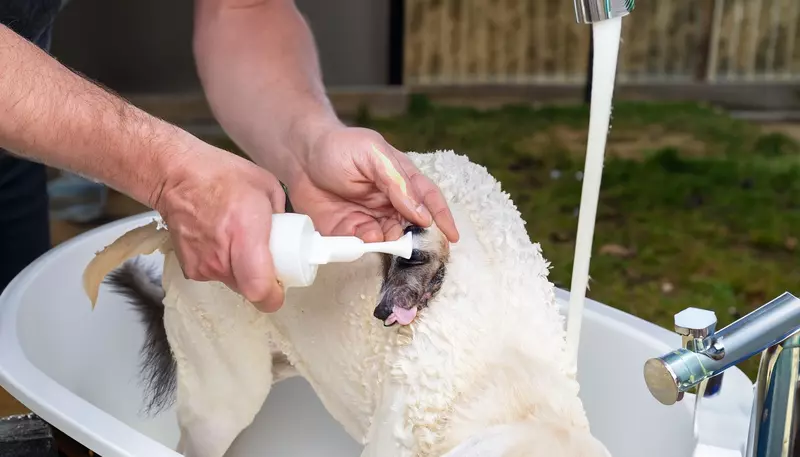
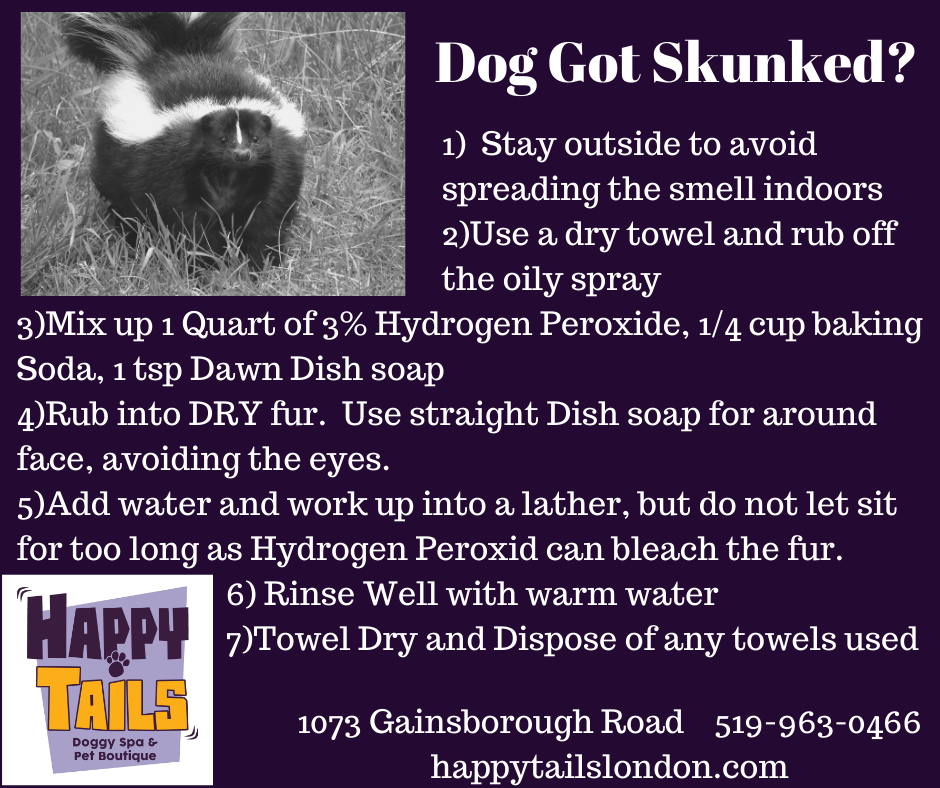
Creating the neutralizing blend involves mixing standard household ingredients in appropriate proportions while keeping the solution away from the sensitive eye and ear areas. A typical formula combines one quart of three percent hydrogen peroxide, a quarter cup of baking soda, and a teaspoon of liquid dish soap, though exact amounts should always be confirmed with a veterinary professional based on the animal’s size. Before beginning the bath, brushing out any tangles helps the mixture penetrate the coat evenly, especially for breeds with dense undercoats. Gently massaging the foaming solution into dry fur allows the chemical reaction to break down the oils before rinsing thoroughly with lukewarm water. Exploring guides within Method offers additional step-by-step instructions for managing difficult grooming scenarios safely at home.
Avoiding common pitfalls during the de-skunking process ensures the treatment remains safe for the animal’s skin and coat integrity.
One major mistake involves letting the peroxide-based mixture sit on the fur for too long, which can inadvertently bleach dark coat colors or dry out the underlying skin. Pet owners must also resist the urge to use human hair products or high-concentration chemicals, as these disrupt the natural pH balance of canine skin. Additionally, introducing water to the coat before applying the neutralizing paste can dilute the active ingredients, rendering the home remedy far less effective against stubborn odors. Selecting appropriate supplies from resources detailed in Ingredients helps caregivers gather safe, skin-friendly components before an emergency strikes. Patience during the rinsing phase remains essential, as leftover baking soda residue can cause itching if not washed away completely.
Hydrogen peroxide solutions exceeding standard household concentrations can cause chemical burns and severe irritation to canine skin and ocular tissues. — American Kennel Club
Pet Care & Wellness Overview Table
| Life Stage | Daily Activity Level | Key Nutrition / Care Focus |
|---|---|---|
| Puppy / Kitten | High (frequent short bursts) | High-protein growth diet & early socialization |
| Adult Companion | Moderate (30–60 mins daily) | Balanced maintenance nutrition & dental hygiene |
| Senior Pets | Low to Gentle (mindful walks) | Joint support (Glucosamine) & routine vet checks |
Images References





Breed, coat type, and existing health conditions dictate how aggressively and frequently a canine can tolerate de-skunking treatments without experiencing skin damage.
Double-coated breeds, such as Siberian Huskies or German Shepherds, trap wildlife oils deep within their thick undercoats, often necessitating multiple washing sessions over several days. Conversely, hairless breeds or senior dogs with compromised skin barriers require exceptionally gentle handling and diluted solutions to prevent moisture loss and irritation. Puppies possess developing immune systems and highly sensitive skin, making professional veterinary guidance mandatory before applying any strong homemade chemical mixtures. Handlers must also account for any pre-existing dermatological conditions, as harsh oxidative agents can exacerbate chronic dry skin or allergic flare-ups. Reviewing seasonal grooming tips via Occasion helps pet parents prepare for wildlife encounters specific to particular times of the year.
Consulting a veterinarian immediately is crucial if the wildlife spray entered the animal’s eyes, caused respiratory distress, or if skin irritation persists after bathing.
Direct hits to the facial region can lead to chemical conjunctivitis, an inflammation of the eye tissues that requires prescription ophthalmic ointments rather than home remedies. If a dog displays persistent vomiting, excessive drooling, or signs of systemic toxicity after investigating nocturnal wildlife, professional medical intervention is non-negotiable. Veterinarians possess specialized flush solutions designed to safely clear sensitive mucous membranes without causing further chemical trauma. Delaying professional care when neurological or respiratory symptoms appear can lead to prolonged suffering and complicated recovery timelines. Establishing a trusted relationship with a local veterinary clinic ensures prompt assistance during unexpected wildlife emergencies.
Restoring freshness and peace of mind after a wildlife encounter becomes much simpler when relying on trusted, expert-backed care strategies and community resources.
Navigating unexpected grooming challenges requires patience, preparation, and a commitment to keeping animal safety paramount at all times. Utilizing educational materials found across General & Others empowers dedicated caregivers to handle household pet care with absolute confidence. Visiting Home2Pet.com regularly ensures access to reliable, veterinary-aligned advice designed to support lifelong canine wellness and happiness. Every successful wildlife cleanup strengthens the bond between humans and their four-legged companions through thoughtful, prepared guardianship.