
Understanding the Importance of Oral Hygiene and Natural Treats
According to the American Veterinary Medical Association, periodontal disease is one of the most frequently diagnosed health conditions in adult dogs. Maintaining a clean mouth goes far beyond keeping morning breath at bay; it protects internal organs from harmful bacteria that enter the bloodstream through inflamed gums. Years of clinical observation reveal that dogs with untreated dental buildup frequently exhibit reluctance to eat hard kibble, often masking chronic oral pain until professional intervention becomes necessary. Canine dental health requires daily attention, yet brushing a dog’s teeth daily proves challenging for many pet parents. Consequently, functional snacks designed to reduce plaque accumulation serve as an accessible bridge between professional veterinary cleanings. Selecting the right product involves looking past flashy marketing to examine ingredient transparency and third-party certifications. Choosing chemical-free, natural treats supports overall systemic wellness while mechanical chewing action scrapes away soft debris before it hardens into stubborn tartar. Related guide: How To Get Puppy To Stop Biting Furniture.
💡 Pet Care Key Takeaways:
- Core Focus: Practical health, nutrition, and wellness guidelines for Best Organic Dog Dental Chews.
- Target Scope: Pet owners, animal caregivers, and veterinary support staff.
- Best Recommendation: Maintain consistent daily routines and consult an accredited veterinarian before introducing major diet or medical changes.
What Best Organic Dog Dental Chews Actually Mean for Pets
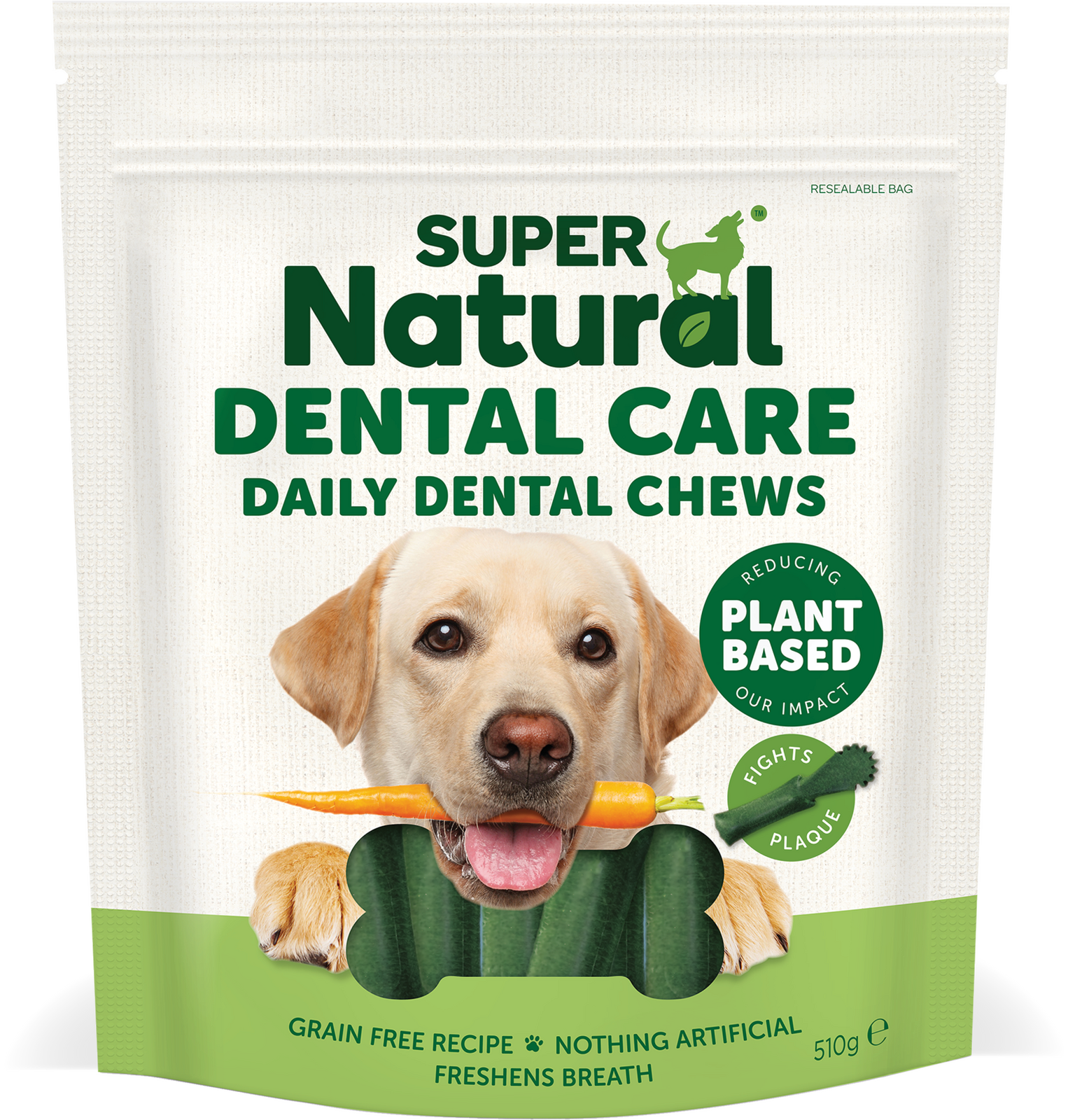
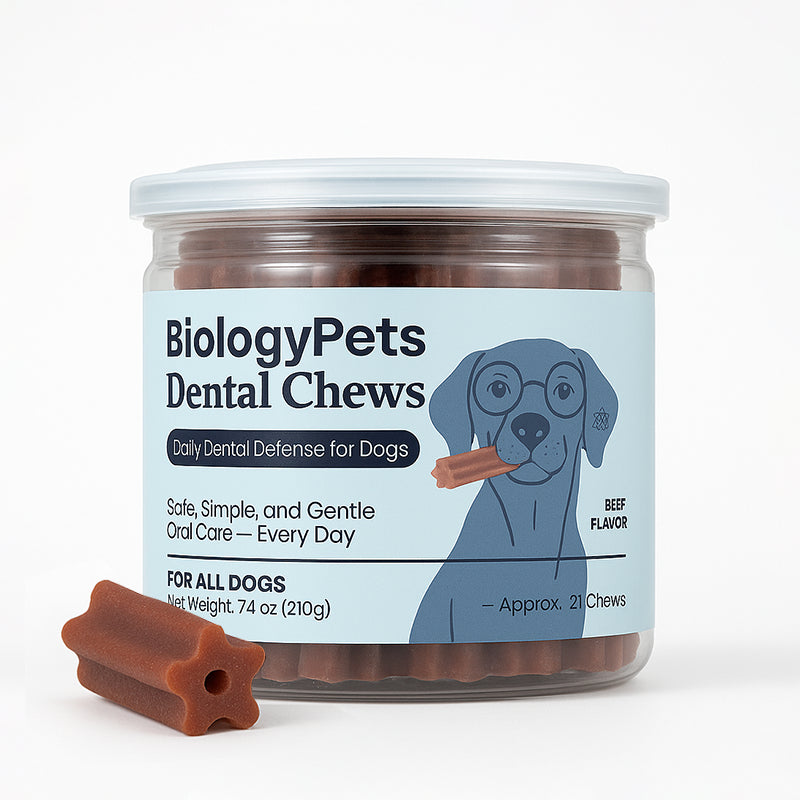
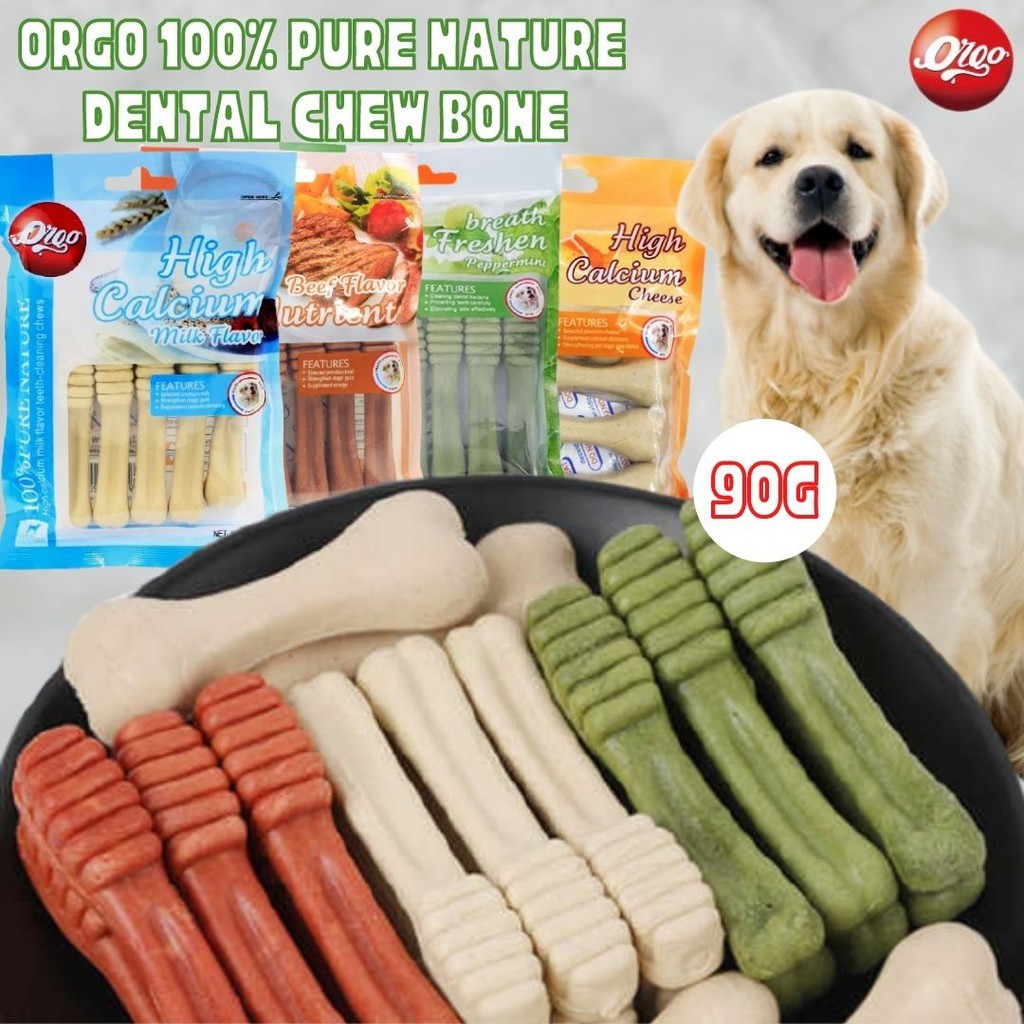
Best organic dog dental chews refer to plant-based or animal-sourced gnawing treats cultivated and processed without synthetic pesticides, chemical fertilizers, or artificial preservatives. Organic certification guarantees that the agricultural components meet strict government standards, reducing the animal’s exposure to potentially toxic chemical residues over a lifetime of consumption. Unlike conventional synthetic treats loaded with artificial dyes and chemical humectants, genuine organic alternatives rely on wholesome ingredients like brown rice flour, sweet potato, coconut oil, and natural kelp extracts. These formulations often harness the abrasive texture of fibrous plant matter to scrub tooth surfaces while the animal gnaws. Furthermore, natural breath fresheners such as parsley, dill, or peppermint oil replace synthetic masking agents, addressing the root cause of halitosis rather than simply covering up foul odors.
The Direct Impact of Natural Dental Care on Canine Wellness
Incorporating quality chew products into a daily routine significantly reduces plaque and tartar accumulation while promoting healthy saliva production. Saliva contains natural enzymes that neutralize harmful acids and wash away food particles trapped between teeth. Clinical practice frequently demonstrates that dogs who regularly engage in constructive chewing show noticeably healthier pink gums and significantly less gingival bleeding during routine veterinary exams. Beyond dental benefits, the act of chewing triggers the release of endorphins in the canine brain, alleviating boredom, stress, and anxiety. However, caretakers must remain vigilant about potential hazards, as certain rigid chews can fracture delicate carnassial teeth or cause dangerous gastrointestinal obstructions if swallowed in large chunks.
Periodontal disease affects the majority of dogs by age three, making preventative daily care essential for long-term systemic health. — American Veterinary Medical Association
How to Select and Administer Organic Dental Treats Safely
Choosing the appropriate product requires evaluating the chew’s hardness, solubility, and ingredient profile against the individual animal’s chewing style and jaw strength. To test a chew’s safety, apply the thumbnail test; if the treat cannot be slightly indented by a fingernail, it may be too hard and risks fracturing teeth. Introduce any new treat gradually, monitoring the animal closely during the initial chewing sessions to ensure they do not attempt to swallow large fragments whole. Pairing these snacks with appropriate nutritional guidance ensures the animal receives a balanced diet without excessive daily caloric intake from treats. For guidance on dietary adjustments, consult resources on Ingredients to better understand what goes into your pet’s body.
Best Practices and Common Mistakes to Avoid
Avoid letting aggressive chewers consume entire treats in a matter of seconds, as rapid ingestion defeats the mechanical cleaning action and increases choking risks. Supervision remains paramount, especially when introducing novel textures or harder plant-based matrices that swell upon contact with saliva. Many well-meaning owners mistakenly treat dental snacks as a complete replacement for manual brushing or professional veterinary cleanings. Instead, view these items as a valuable component of a comprehensive home care routine that includes regular brushing and veterinary oversight. Additionally, always review the product label to ensure no hidden allergens, such as common grains or specific proteins, conflict with the animal’s established nutritional plan. Exploring structured routines on Method can further refine your approach to home pet care.
Proper monitoring during chewing sessions prevents life-threatening choking incidents and severe intestinal blockages in dogs of all sizes. — American Society for the Prevention of Cruelty to Animals
Pet Care & Wellness Overview Table
| Life Stage | Daily Activity Level | Key Nutrition / Care Focus |
|---|---|---|
| Puppy / Kitten | High (frequent short bursts) | High-protein growth diet & early socialization |
| Adult Companion | Moderate (30–60 mins daily) | Balanced maintenance nutrition & dental hygiene |
| Senior Pets | Low to Gentle (mindful walks) | Joint support (Glucosamine) & routine vet checks |
Images References




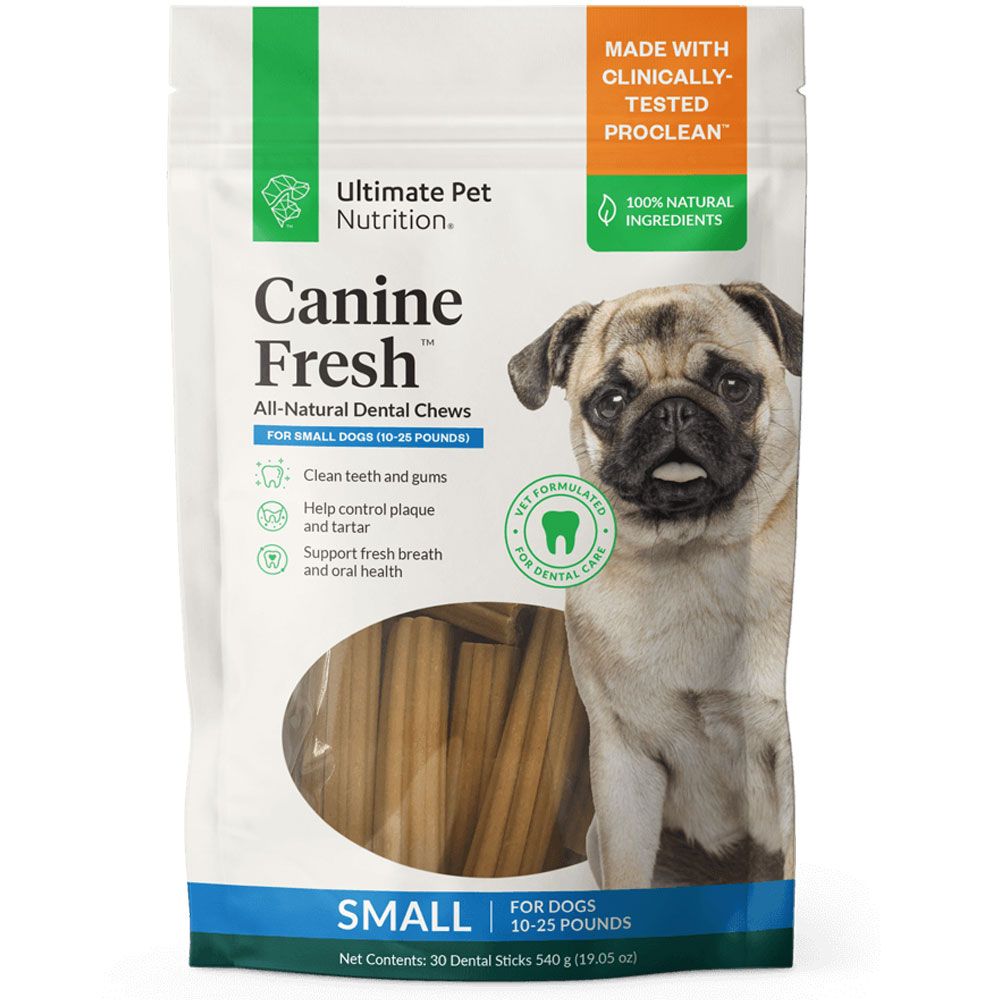
Tailoring Dental Care for Different Breeds, Sizes, and Life Stages
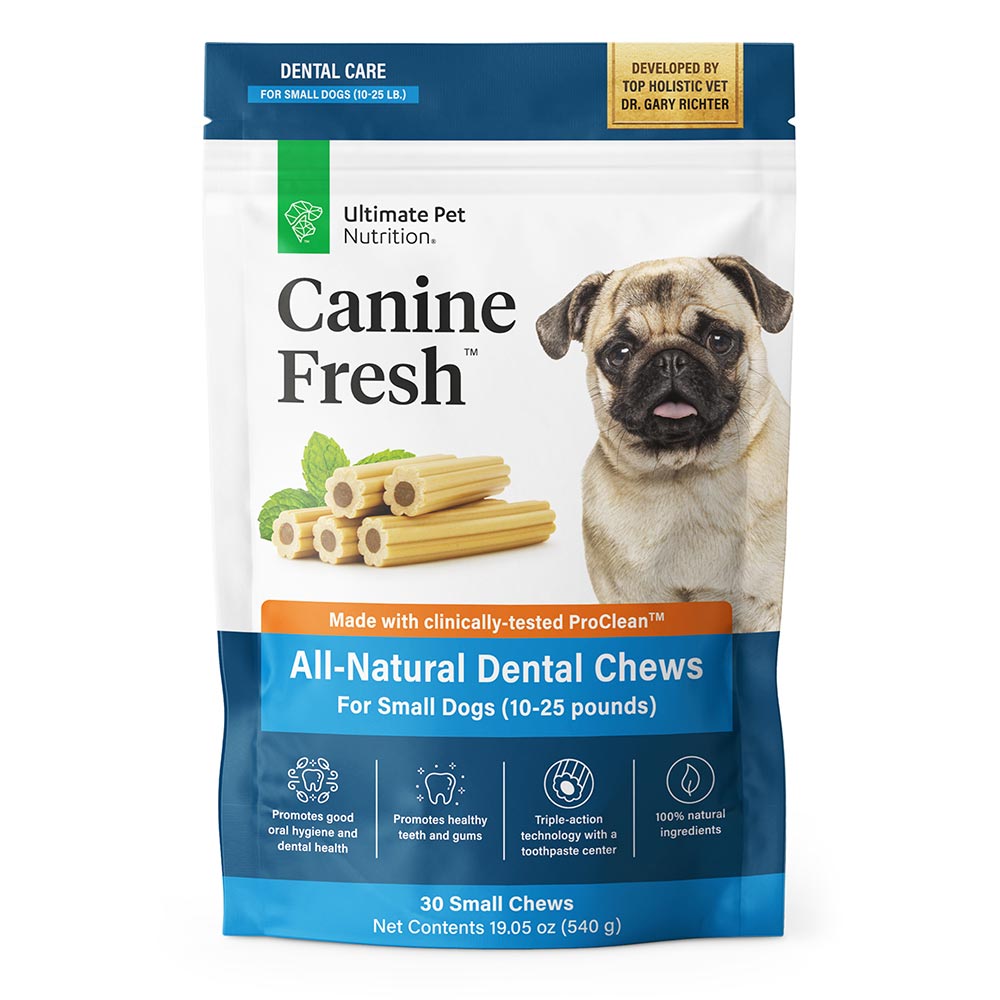
Toy breeds like Chihuahuas and Yorkshire Terriers possess crowded dental arcades that trap food easily, requiring smaller, more pliable organic chews that fit comfortably in tiny mouths. Conversely, large working breeds like German Shepherds and Labrador Retrievers need dense, long-lasting textures that withstand powerful jaw pressure without disintegrating instantly. Senior dogs often experience worn enamel or tooth loss, making softer, highly digestible plant-based chews a safer choice than rigid bones or antlers. Puppies undergoing the teething phase benefit greatly from gentle, cooling textures that soothe inflamed gums without damaging developing adult teeth. Matching the physical dimensions and texture of the treat to the specific life stage and conformation of the dog ensures both safety and maximum mechanical effectiveness.
When to Consult a Veterinary Professional About Oral Health
Professional veterinary consultation is necessary whenever a dog exhibits persistent bad breath, excessive drooling, dropped food, or visible reluctance to chew on favorite toys. These signs frequently indicate advanced periodontal disease, fractured teeth, or painful oral masses that organic chews cannot resolve and might actually aggravate. A licensed veterinarian must perform a thorough oral examination, often under anesthesia, to evaluate subgingival plaque and determine if professional scaling and polishing are required. Never attempt to treat severe dental infections or fractured teeth at home with commercial treats or human remedies. Maintaining an open dialogue with veterinary staff ensures that home dental routines safely complement professional medical interventions throughout the animal’s life.
Supporting Your Companion’s Lifelong Wellness Journey
Prioritizing canine oral hygiene through mindful product selection and consistent home care paves the way for a vibrant, pain-free life alongside your furry friend. Every small adjustment to their daily regimen contributes to a healthier smile and improved overall vitality. To discover more ways to enrich your pet’s life, explore expert articles and guides across Dog Type and Health, Occasion, and General & Others. Visit Home2Pet.com regularly for trusted, veterinarian-backed advice designed to help you provide the absolute best care for your cherished companion.


