Nurturing miniature companion dogs through plant-forward canine nutrition requires mindful culinary preparation.
According to the American Kennel Club, an increasing number of companion animal guardians are exploring alternative dietary patterns to support the longevity and vitality of their household dogs. Transitioning a beloved pet toward a meat-free bowl involves careful thought, especially when catering to specific mixed breeds. A well-designed homemade recipe made for cavoodle that is reallt heathy and vegitarian bridges the gap between culinary passion and canine physiology. Cavoodles—a popular cross between a Poodle and a Cavalier King Charles Spaniel—often possess sensitive digestive tracts and unique energy requirements. Preparing meals in a home kitchen allows pet caregivers to control every single item that goes into the bowl, eliminating hidden chemical preservatives and low-quality fillers frequently found in mass-produced kibble. Veterinary technicians frequently observe that dogs transitioned to fresh, whole-food diets exhibit shinier coats, brighter eyes, and more stable daily energy levels. Crafting a balanced vegetarian meal plan, however, demands more than simply tossing leftover garden vegetables into a dog bowl. Meeting all essential amino acid profiles and micronutrient requirements takes precision, patience, and a solid understanding of what makes a canine thrive on a meat-free regimen. Related guide: Frozzys Frozen Yogurt For Dogs.
💡 Pet Care Key Takeaways:
- Core Focus: Practical health, nutrition, and wellness guidelines for Homemade Recipe Made For Cavoodle That Is Reallt Heathy And Vegitarian.
- Target Scope: Pet owners, animal caregivers, and veterinary support staff.
- Best Recommendation: Maintain consistent daily routines and consult an accredited veterinarian before introducing major diet or medical changes.
A balanced vegetarian meal plan formulated for a Cavoodle focuses entirely on complete proteins and essential micronutrients.
A nutritionally complete homemade recipe made for cavoodle that is reallt heathy and vegitarian is a meticulously calculated combination of plant-based proteins, complex carbohydrates, healthy fats, and targeted supplements designed to meet official nutritional standards. Unlike strict herbivores, dogs are biologically classified as facultative carnivores, meaning they can utilize nutrients from non-meat sources provided those nutrients are bioavailable and properly balanced. For small-breed dogs prone to luxating patellas—a condition where the kneecap dislocates—maintaining an ideal body condition score is paramount. Plant-forward diets can naturally assist with weight management because of their high fiber content and lower caloric density per bite. Furthermore, integrating wholesome Ingredients ensures that every meal delivers sustained fuel without causing rapid blood sugar spikes. Incorporating cooked lentils, quinoa, mashed sweet potatoes, and finely minced leafy greens creates a textured, palatable dish that appeals to the notoriously selective palates of many small companion dogs. Every single component serves a distinct biological purpose, ensuring the animal receives adequate vitamins A, B-complex, D, and E alongside vital minerals like calcium and zinc.
Properly formulated vegetarian nutrition can profoundly impact digestive health and coat radiance in small companion dogs.
Incorporating fresh vegetarian meals into a daily routine supports optimal gastrointestinal flora and reduces systemic inflammation in small canine companions. Clinical experience in veterinary hospitals frequently reveals that dogs struggling with chronic skin sensitivities or idiopathic scratching find relief when common commercial protein allergens are eliminated from their daily intake. Plant-based diets rich in antioxidants and healthy fatty acids promote robust cellular repair and optimal immune function.
Studies show that incorporating fiber-rich plant foods can significantly enhance digestive motility and support beneficial gut microbiome diversity in canine patients. — American Veterinary Medical Association
Beyond internal health, guardians often notice a remarkable transformation in breath odor and stool consistency once processed commercial treats and synthetic additives are removed from the menu. Navigating the nuances of canine nutrition requires understanding how different food groups interact within a small digestive tract. Exploring broader topics in Dog Type and Health helps caregivers tailor their culinary efforts to suit breed-specific predispositions, such as the mitral valve heart concerns often seen in Cavalier lines. Ensuring that every nutrient is present in the correct ratio prevents long-term deficiencies that could otherwise compromise vitality and structural integrity.
Executing a successful plant-based cooking routine involves precise preparation, gentle cooking methods, and proper portion control.
Preparing a homemade recipe made for cavoodle that is reallt heathy and vegitarian requires steaming or boiling ingredients thoroughly to break down tough plant cell walls that canine digestive systems cannot easily process on their own. Raw legumes and hard root vegetables present severe choking hazards and can cause acute gastrointestinal distress, making thorough mashing or pureeing an essential step. Small dogs require nutrient-dense meals divided into manageable portions throughout the day to support their fast metabolic rates without overloading their small stomachs. Reviewing reliable cooking techniques through resources focused on Method ensures that vital heat-sensitive vitamins are preserved during the preparation process. Grains like brown rice or quinoa must be cooked entirely plain, completely devoid of garlic, onions, chives, and excess sodium—all of which are severely toxic to canines and can trigger life-threatening Heinz body anemia. Additionally, introducing any new food item must be done gradually over the course of two weeks to monitor for potential food sensitivities, soft stools, or allergic reactions.
Avoiding common nutritional pitfalls and culinary mistakes safeguards long-term canine wellness.
One of the most critical errors in home-prepared vegetarian diets is the omission of essential nutrients like taurine, L-carnitine, vitamin B12, and calcium, which are naturally abundant in animal tissues. Relying solely on vegetables without incorporating a veterinarian-approved nutritional balancer inevitably leads to severe nutritional deficiencies over time. Furthermore, guardians must exercise extreme caution regarding portion sizes; small-breed dogs gain excess weight rapidly even from minor caloric overages.
The Association of American Feed Control Officials mandates that all homemade and commercial diets meet strict minimum standards for essential amino acids and trace minerals to prevent deficiency diseases. — AAFCO
Pet Care & Wellness Overview Table
| Life Stage | Daily Activity Level | Key Nutrition / Care Focus |
|---|---|---|
| Puppy / Kitten | High (frequent short bursts) | High-protein growth diet & early socialization |
| Adult Companion | Moderate (30–60 mins daily) | Balanced maintenance nutrition & dental hygiene |
| Senior Pets | Low to Gentle (mindful walks) | Joint support (Glucosamine) & routine vet checks |
Images References


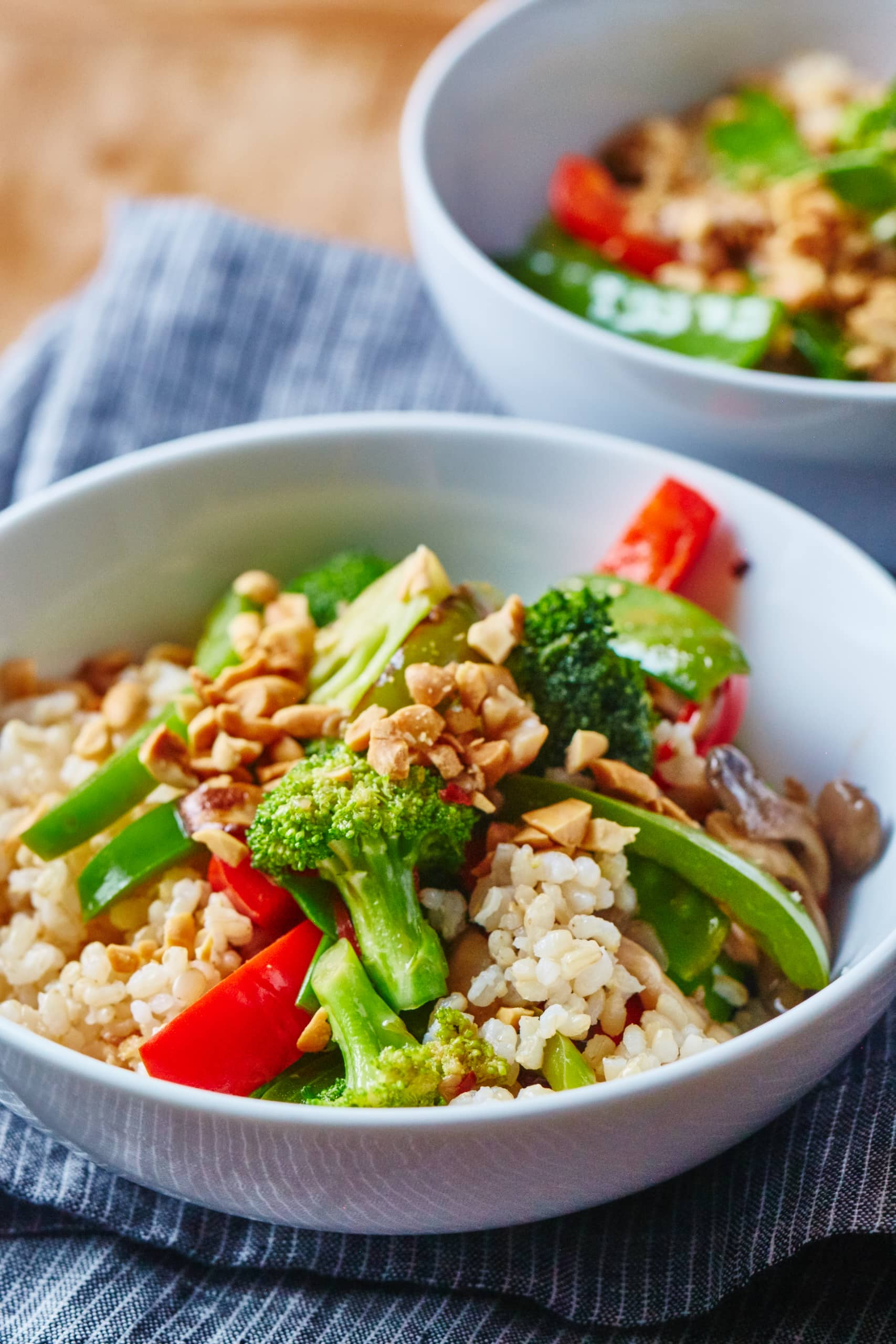
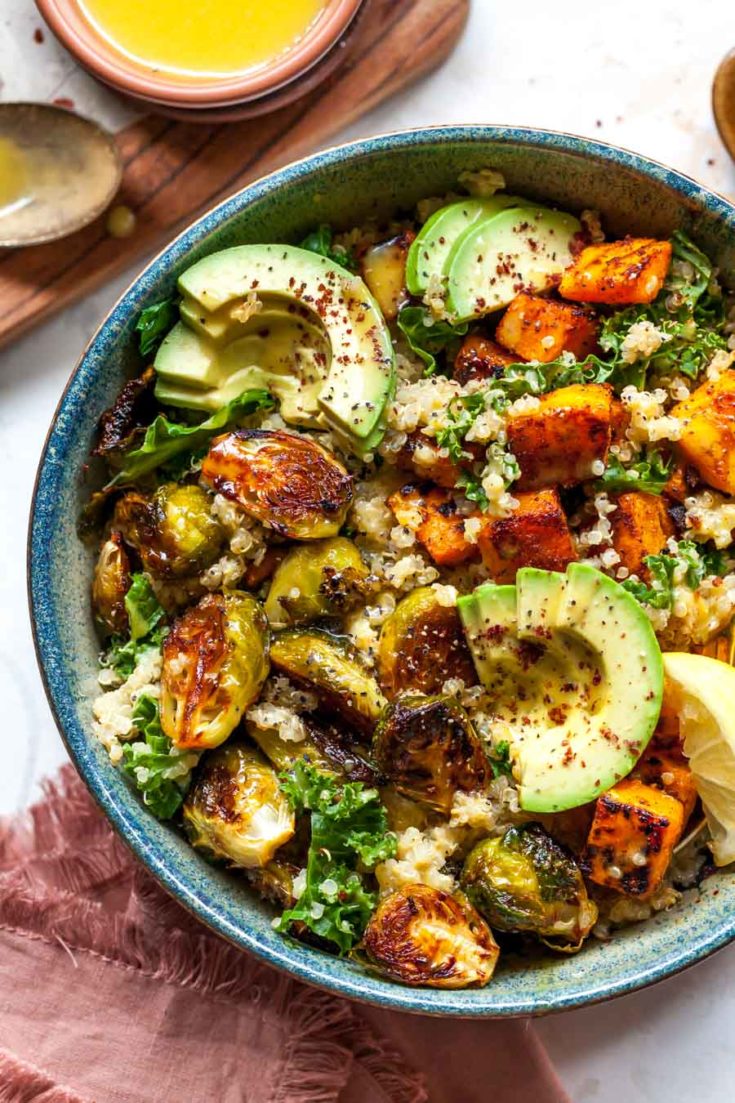
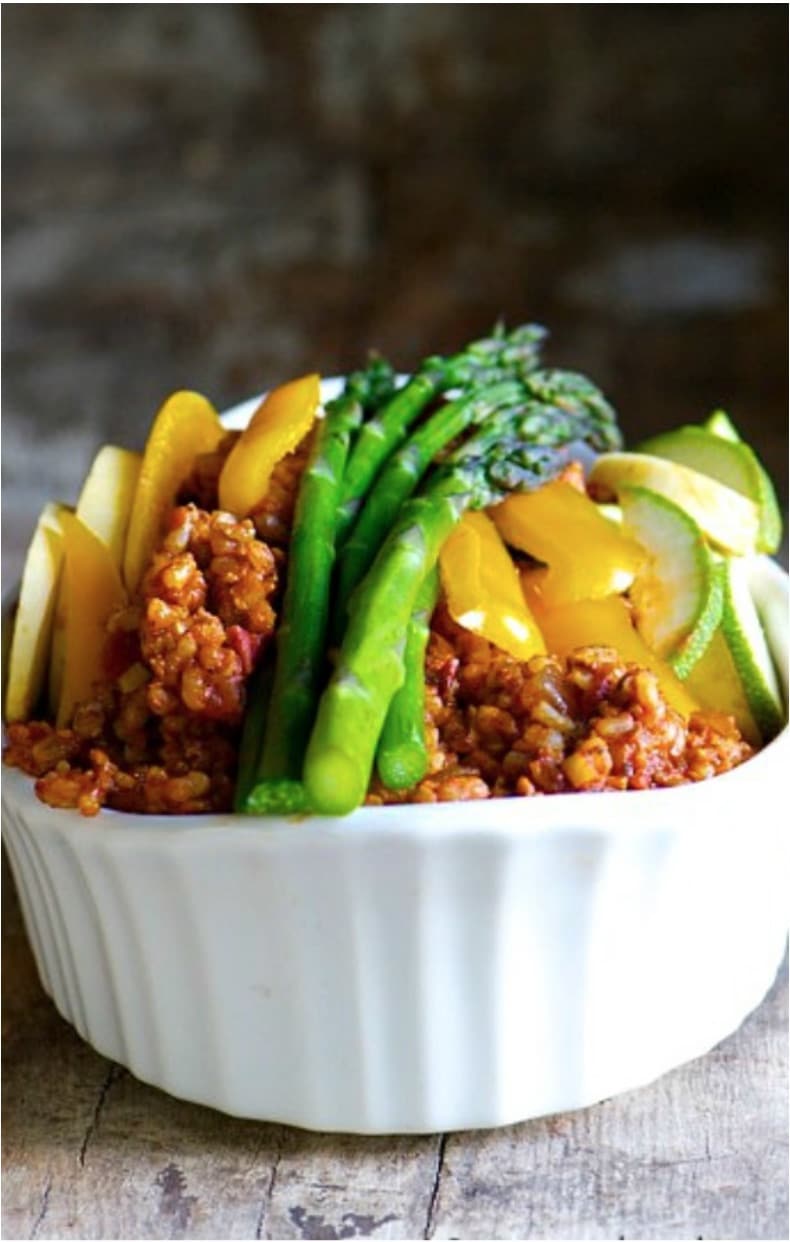


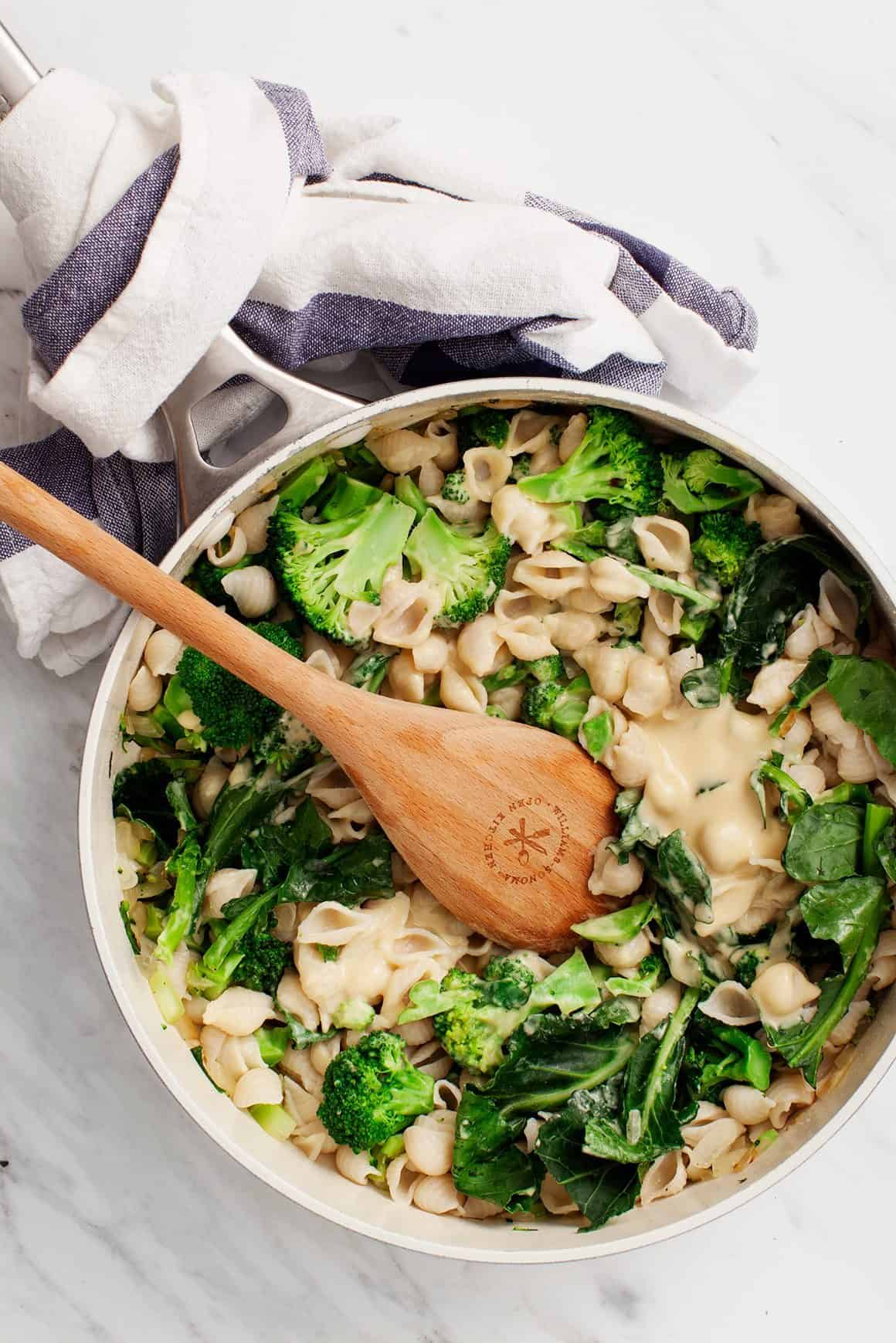

Another frequent misstep is offering cooked bones from plant-based mock meats or giving access to unpeeled raw produce that can cause intestinal blockages. Maintaining strict kitchen hygiene prevents accidental cross-contamination and keeps harmful seasonings away from the pet bowl. Careful planning transforms home cooking into a deeply rewarding practice that enhances the bond between human and animal.
Specific breed characteristics, life stages, and metabolic needs dictate exact dietary adjustments for miniature companions.
Because Cavoodles combine the high energy of Poodles with the gentle demeanor of spaniels, their caloric needs fluctuate based on age, daily activity level, and spay or neuter status. Senior dogs require fewer calories but increased joint-supporting nutrients, whereas growing puppies demand higher protein and mineral concentrations to support skeletal development. For special celebrations or seasonal gatherings, finding appropriate ways to include the pet safely can be explored through guides on Occasion. Ensuring that the chosen meal plan aligns precisely with the animal’s life stage prevents both developmental stunting in youth and obesity in older age. Every adjustment must account for the dog’s individual metabolic rate, physical conformation, and any underlying health conditions that might restrict certain ingredients.
Professional veterinary guidance remains non-negotiable when formulating unconventional or specialized canine diets.
Consulting a qualified veterinarian or a board-certified veterinary nutritionist is an absolute necessity before committing a dog to a long-term vegetarian regimen. Blood work, physical examinations, and precise body condition evaluations help determine whether a plant-forward diet is truly appropriate for an individual animal. Professionals can analyze home recipes using specialized nutritional software to verify that every single vitamin and mineral meets optimal parameters. Discussing dietary shifts with a trusted medical professional ensures that potential health risks are identified and mitigated long before they manifest as clinical symptoms.
Prioritizing evidence-based nutrition empowers caregivers to make confident, health-conscious decisions for their household companions.
Embracing fresh, wholesome meal preparation opens up a wonderful world of health benefits when approached with care, education, and professional oversight. For more expert advice, detailed care guides, and holistic tips, visit Home2Pet.com. Discover additional insights across General & Others to ensure every aspect of your companion’s lifestyle is optimized for happiness and longevity.