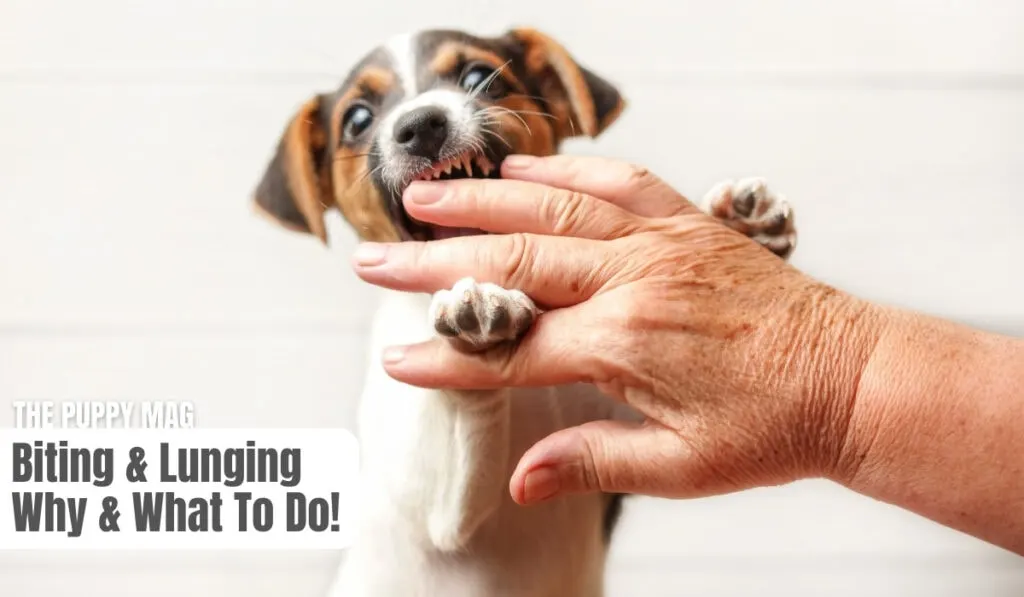
Understanding the Frustration Behind Dog Biting Clothes and Laundry Habits
According to the American Society for the Prevention of Cruelty to Animals, destructive chewing and fabric tearing rank among the top behavioral concerns reported by households with canine companions. Stepping onto the bedroom floor only to find a favorite sweater reduced to ragged threads brings a heavy wave of annoyance mixed with genuine worry. Working closely in veterinary clinics reveals that this behavior rarely stems from pure spite; rather, it serves as an outward signal of unmet physical or emotional needs. Witnessing a golden retriever gently gather dirty socks into a pile before systematically destroying them highlights an instinctive drive that goes far beyond simple mischief. Untangling these complex canine motivations requires patience, observation, and a willingness to look beneath the surface of everyday household disruptions.
💡 Pet Care Key Takeaways:
- Core Focus: Practical health, nutrition, and wellness guidelines for Dog Biting Clothes.
- Target Scope: Pet owners, animal caregivers, and veterinary support staff.
- Best Recommendation: Maintain consistent daily routines and consult an accredited veterinarian before introducing major diet or medical changes.
Defining the Behavior Known as Canine Fabric Destruction
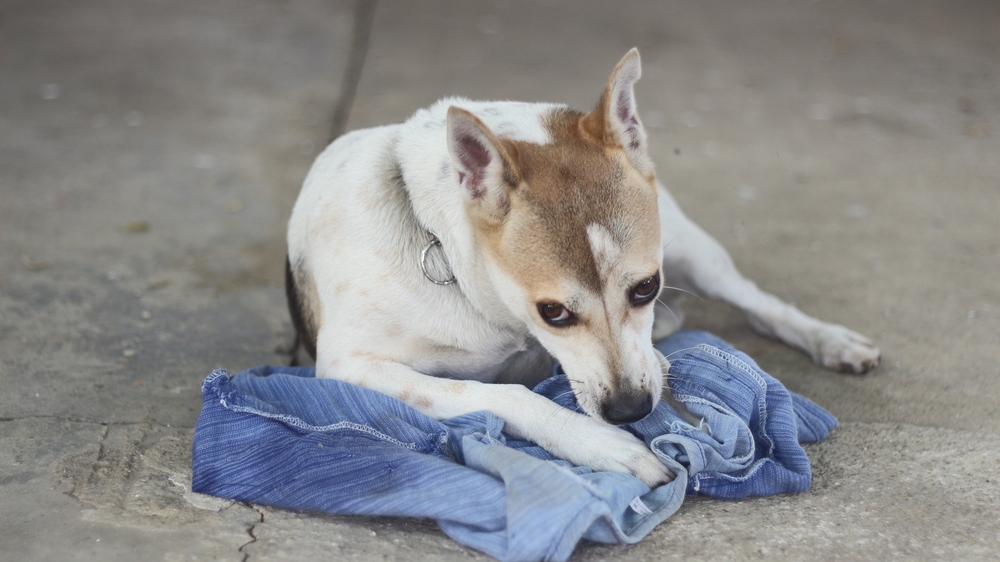
Dog biting clothes is an instinctive behavioral issue where a domestic canine chews, shreds, or mouths garments, blankets, or linens. When examining this phenomenon from a clinical perspective, veterinary technicians often note that textiles carry powerful scent profiles belonging to trusted humans. These garments act as comforting security blankets, offering a concentrated dose of familiar pheromones that soothe an anxious animal. At the same time, the varying textures of wool, cotton, and synthetic blends provide tactile stimulation that satisfies a natural urge to manipulate objects with the jaw. Recognizing this duality helps transform an exasperated reaction into a structured approach for redirection. Related guide: Frozzys Frozen Yogurt For Dogs.
Uncovering Nutritional Deficiencies and Psychological Stressors
Nutritional imbalances, underlying medical discomfort, and chronic anxiety frequently trigger destructive fabric consumption in domestic dogs. Clinical experience frequently demonstrates that a lack of balanced micronutrients or severe fiber deficiencies can drive animals toward strange chewing habits, a condition formally known as pica (the persistent eating of non-nutritious items). Beyond dietary concerns, chronic boredom or separation anxiety can manifest through repetitive chewing on soft household items. Consequently, owners must evaluate whether the daily diet meets all essential biological requirements or if environmental enrichment needs significant improvement.
Pica in dogs involves persistent ingestion of non-food items and frequently requires comprehensive nutritional evaluation by a veterinary professional — American Kennel Club
Implementing Effective Management Strategies to Protect Household Textiles
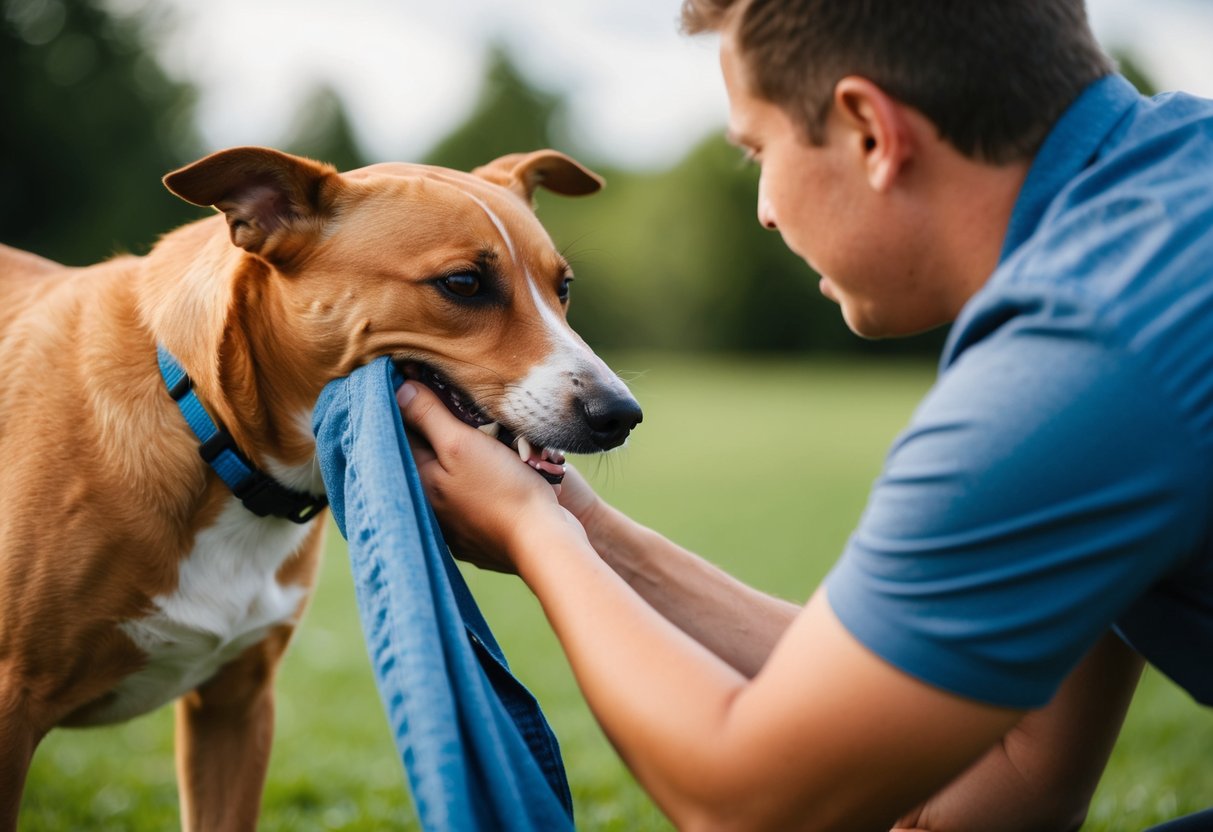
Effective management of canine garment destruction relies heavily on proactive environmental control and consistent positive redirection. Establishing secure laundry routines, such as placing all worn garments directly into lidded hampers, instantly removes temptation from curious paws. Simultaneously, introducing durable rubber chew toys stuffed with appropriate, vet-approved fillings provides a safe outlet for oral fixation. Transitioning the animal toward acceptable outlets requires daily dedication and vigilance from every member of the household.
Avoiding Common Pitfalls While Redirecting Destructive Oral Habits
Punishing a dog long after a garment has been ruined creates confusion rather than lasting behavioral modification. Canines lack the cognitive capacity to connect retrospective scolding with an act committed hours earlier, which ultimately damages the trusting bond between pet and owner. Additionally, leaving discarded shoes or sweaters within easy reach while expecting self-control sets the animal up for inevitable failure. Maintaining realistic expectations ensures a smoother journey toward long-term behavioral stability.
Delayed punishment fails to modify canine behavior because dogs cannot associate reprimands with actions performed in the past — American Veterinary Medical Association
Pet Care & Wellness Overview Table
| Life Stage | Daily Activity Level | Key Nutrition / Care Focus |
|---|---|---|
| Puppy / Kitten | High (frequent short bursts) | High-protein growth diet & early socialization |
| Adult Companion | Moderate (30–60 mins daily) | Balanced maintenance nutrition & dental hygiene |
| Senior Pets | Low to Gentle (mindful walks) | Joint support (Glucosamine) & routine vet checks |
Images References




Tailoring Approaches for Different Breeds, Life Stages, and Health Statuses
Teething puppies navigate intense oral exploration as adult teeth erupt, making them uniquely prone to chewing on available soft furnishings. Working breeds, such as border collies or labor-intensive terriers, possess high mental energy that easily shifts toward destructive habits if mental stimulation falls short. Conversely, senior dogs experiencing cognitive decline may chew garments due to disorientation or sensory changes. Adjusting intervention strategies to match the specific age, breed predispositions, and health status of the individual animal ensures a far higher rate of success.
Recognizing When to Consult a Veterinary Professional
Persistent garment destruction that involves swallowing fabric pieces warrants an immediate evaluation by a licensed veterinarian. Ingestion of clothing items poses a severe risk of gastrointestinal obstruction, a life-threatening emergency requiring prompt medical or surgical intervention. Veterinary teams can run comprehensive blood panels to rule out metabolic disorders, nutritional gaps, or systemic illnesses that might be driving abnormal chewing urges. Professional guidance remains irreplaceable whenever behavioral modification alone fails to resolve the underlying issue.
Fostering Harmonious Living Spaces Through Dedicated Care
Navigating the challenges of a garment-chewing canine companion demands both empathetic understanding and structured environmental management. By combining proper nutritional oversight, engaging mental enrichment, and consistent boundaries, households can successfully safeguard their wardrobes while nurturing their pets. Exploring additional resources available across Home2Pet.com can further empower owners to provide exceptional care. For deeper insights into daily wellness, consult the dedicated guides on Dog Type and Health, safe dietary choices found within Ingredients, practical training protocols detailed in Method, special lifestyle adjustments outlined under Occasion, and broader companion animal topics via General & Others.