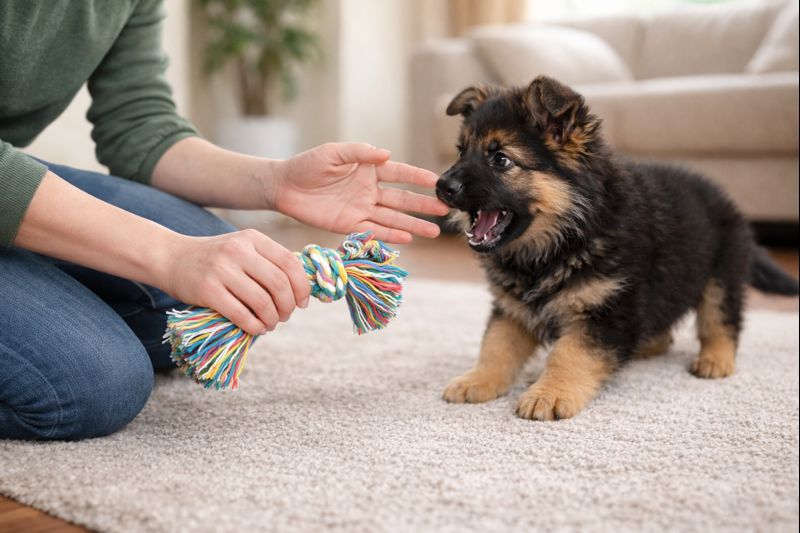
Why an Enthusastic Young Dog Targeting Ankles Requires Patience
According to the American Society for the Prevention of Cruelty to Animals (ASPCA), normal canine development heavily involves exploring the world through the mouth, which frequently leads to mouthing on human extremities. Walking across a living room can quickly turn into a defensive maneuver when a small canine decides that moving ankles are the most interesting targets in the house. In clinical practice, watching a young dog latch onto a pant leg or shoe reveals an instinctual drive at play rather than pure aggression. Navigating this common hurdle demands a blend of consistency, redirection, and a deep understanding of canine communication. By addressing puppy biting feet early, households can establish boundaries that protect both human skin and growing teeth.
💡 Pet Care Key Takeaways:
- Core Focus: Practical health, nutrition, and wellness guidelines for Puppy Biting Feet.
- Target Scope: Pet owners, animal caregivers, and veterinary support staff.
- Best Recommendation: Maintain consistent daily routines and consult an accredited veterinarian before introducing major diet or medical changes.
What Puppy Biting Feet Signifies in Developing Canines
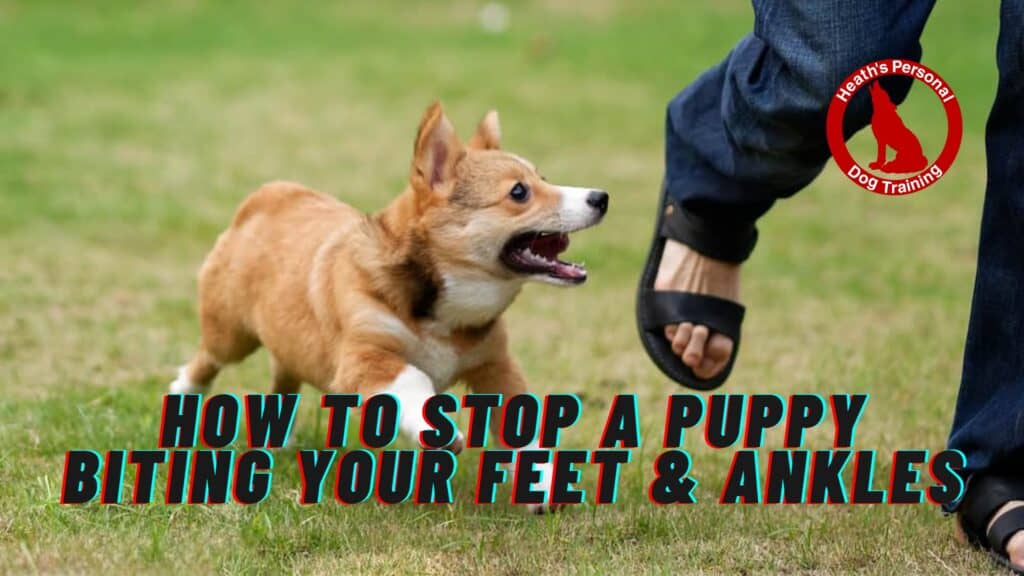
Puppy biting feet is an exploratory behavior driven by teething, predatory play drives, and an instinct to chase moving objects. During veterinary examinations, young animals are frequently observed using their mouths to test the texture of the environment much like a human infant uses hands. Moving feet create a visual trigger that mimics fleeing prey, instantly activating chase instincts in breeds with strong working herding backgrounds. Recognizing that this habit stems from natural developmental stages rather than malice helps caregivers respond constructively. Instead of viewing the behavior as a discipline issue, recognizing it as a communication signal allows for more effective training strategies. Related guide: How To Get Puppy To Stop Biting Furniture.
The Behavioral and Nutritional Impacts of Ankle Targeting
Addressing puppy biting feet requires looking at overall daily energy expenditure, appropriate mental stimulation, and nutritional balance to prevent over-arousal. When a growing animal lacks structured outlets for natural chewing instincts, everyday items like shoes and moving toes become primary targets. Furthermore, dietary deficiencies or improper nutrient ratios can sometimes contribute to restless behavior and excessive chewing phases. Veterinary technicians often evaluate diet quality when addressing compulsive oral habits in young dogs, ensuring that essential fatty acids and minerals support healthy cognitive development. Working closely with a qualified veterinarian ensures that any nutritional adjustments align properly with the specific growth stage and breed requirements of the animal.
Proper nutritional balance and appropriate chew items significantly reduce redirected destructive oral behaviors in young canines. — Association of American Feed Control Officials (AAFCO)
Effective Management Strategies for Stopping Ankle Mouthing
Managing puppy biting feet effectively relies on immediate redirection toward appropriate toys and consistent positive reinforcement for calm interactions. Whenever a young dog begins targeting shoes, instantly freezing in place removes the fun element of the moving game, preventing the reinforcement of the behavior. Introducing interactive puzzle toys or durable rubber chew items satisfies the intense urge to gnaw without involving human skin. Consistency across all household members ensures the growing animal receives clear, predictable signals regarding acceptable play boundaries.
Best Practices and Common Pitfalls When Curbing Foot Targeting
Avoiding high-pitched squealing and frantic hand movements is essential because these reactions often mimic wounded prey, inadvertently intensifying the excitement. Running away from a determined young dog triggers an immediate chase response, making the ankles look even more enticing to catch. Instead, calmly walking away or stepping behind a baby gate teaches the valuable lesson that biting causes immediate access to attention to vanish. Patience remains the most critical tool during this phase, as neurological pathways mature slowly and require hundreds of repetitions to establish reliable impulse control.
Consistent redirection combined with time-out protocols yields the highest success rate in eliminating unwanted mouthing habits. — American Kennel Club (AKC)
Pet Care & Wellness Overview Table
| Life Stage | Daily Activity Level | Key Nutrition / Care Focus |
|---|---|---|
| Puppy / Kitten | High (frequent short bursts) | High-protein growth diet & early socialization |
| Adult Companion | Moderate (30–60 mins daily) | Balanced maintenance nutrition & dental hygiene |
| Senior Pets | Low to Gentle (mindful walks) | Joint support (Glucosamine) & routine vet checks |
Images References





Breed, Size, and Age Considerations for Oral Exploration
Herding breeds, such as Border Collies and Australian Shepherds, possess an intense genetic inclination to nip at heels and guide moving objects. These specific traits mean that puppy biting feet may persist longer or present with greater intensity compared to companion-focused toy breeds. Larger breeds also experience rapid bone growth phases that can make aching joints sensitive, sometimes leading to irritable biting when overtired. Tailoring management techniques to match the specific physical maturity level and heritage of the dog ensures fair expectations throughout the training process.
When to Consult a Veterinary Professional Regarding Nipping Habits
Consulting a veterinarian or a certified animal behaviorist is necessary if puppy biting feet escalates into aggressive growling, guarding, or unbroken skin incidents. Persistent oral fixation that fails to improve with standard redirection might indicate underlying pain, neurological issues, or severe anxiety requiring professional intervention. Individual health assessments help rule out medical discomfort that could cause a young animal to lash out defensively during handling. Always confirm any behavioral modification plans or supplement adjustments with a licensed veterinary professional to ensure safety.
Building a Harmonious Routine for You and Your Companion
Embracing the challenges of early canine development lays the foundation for a deeply rewarding lifelong companionship built on trust and mutual respect. Exploring comprehensive care guides on Home2Pet.com can help navigate every unique stage of growth with confidence. Additional insights are available through resources covering Dog Type and Health, safe Ingredients, and effective training Method guides. Visit Occasion and General & Others for more expert tips designed to support a happy, healthy household environment.