Understanding the Intense Mouthing Instinct in Young Herding Canines
According to the American Kennel Club, herding breeds possess an innate genetic predisposition to use their mouths for controlling movement, which often manifests as persistent puppy nipping during early development. Bringing home a baby German Shepherd introduces a whirlwind of intelligence, energy, and needle-sharp teeth into the household. Daily interactions frequently involve enthusiastic nips on ankles, hands, and pant legs. In clinical practice, this behavior is rarely malicious aggression. Rather, it represents normal exploratory and instinctual behavior channeled through a developing mouth. Recognizing the root cause of this mouthing helps caregivers respond with patience rather than frustration. Addressing the issue early prevents minor puppy play from escalating into a dangerous adult habit. Related guide: Frozzys Frozen Yogurt For Dogs.
💡 Pet Care Key Takeaways:
- Core Focus: Practical health, nutrition, and wellness guidelines for How To Stop A.German Shepard Puppy From.Bitting.
- Target Scope: Pet owners, animal caregivers, and veterinary support staff.
- Best Recommendation: Maintain consistent daily routines and consult an accredited veterinarian before introducing major diet or medical changes.
Addressing how to stop a.german shepard puppy from.bitting requires a consistent approach rooted in positive reinforcement and clear boundaries. Puppies learn how hard is too hard by interacting with their littermates. When a puppy bites too fiercely during play, the littermate typically yelps and walks away, instantly halting the fun. Replicating this social feedback teaches the young dog that teeth contact causes immediate social isolation. Establishing these rules consistently transforms chaotic interactions into structured learning opportunities. Ultimately, patience remains the most powerful tool in shaping a balanced, gentle canine companion.
Defining the Natural Drive Behind Puppy Nipping and Hand Mouthing
Understanding how to stop a.german shepard puppy from.bitting begins with recognizing that the dog is simply interacting with the world using jaws instead of hands. Canine dentition undergoes a painful transition as milk teeth give way to adult teeth around four to six months of age. Chewing provides physical relief for inflamed gums, making redirection an absolute necessity during this sensitive developmental window. Furthermore, high-drive working dogs possess an intense need for mental stimulation and tactile engagement. Without proper outlets, that boundless energy naturally targets human clothing and skin.
Observing these young dogs in professional settings reveals that ignoring unwanted attention often yields faster results than physical corrections. When a puppy latches onto a sleeve, pulling away mimics prey movement and triggers an even more intense grip. Instead, freezing completely and becoming as uninteresting as a statue removes the reward of the game. Once the puppy releases pressure, calm behavior receives immediate praise and a high-value reward. This method teaches the dog that gentle interactions unlock good things, while teeth contact makes human playmates instantly vanish.
Balancing Behavioral Guidance and Proper Canine Nutritional Needs
Physical discomfort from teething directly correlates with increased behavioral volatility, highlighting the vital link between diet, development, and biting tendencies. Providing appropriate chew items satisfies the biological urge to gnaw without damaging household items or human skin. When selecting safe chews, caregivers must consult professionals to ensure products align with the dog’s specific life stage and health status. Furthermore, maintaining a balanced diet supports steady structural growth without causing erratic energy spikes that worsen hyperactivity. Exploring resources on Dog Type and Health helps owners tailor their care routines effectively.
Proper nutritional support during the rapid growth phase of large breeds helps stabilize energy levels and reduces excessive behavioral reactivity — Association of American Feed Control Officials
In addition to structural chews, managing dietary ingredients plays a subtle role in daily calmness. Feeding times offer excellent opportunities for impulse control exercises, transforming routine meals into structured training sessions. When evaluating what goes into the bowl, reviewing resources on Ingredients ensures the chosen diet promotes optimal cognitive development. Avoiding heavily processed commercial treats loaded with artificial additives prevents unnecessary behavioral surges that might otherwise translate into frenzied biting episodes.
Implementing Effective Training Techniques for Lasting Behavioral Change
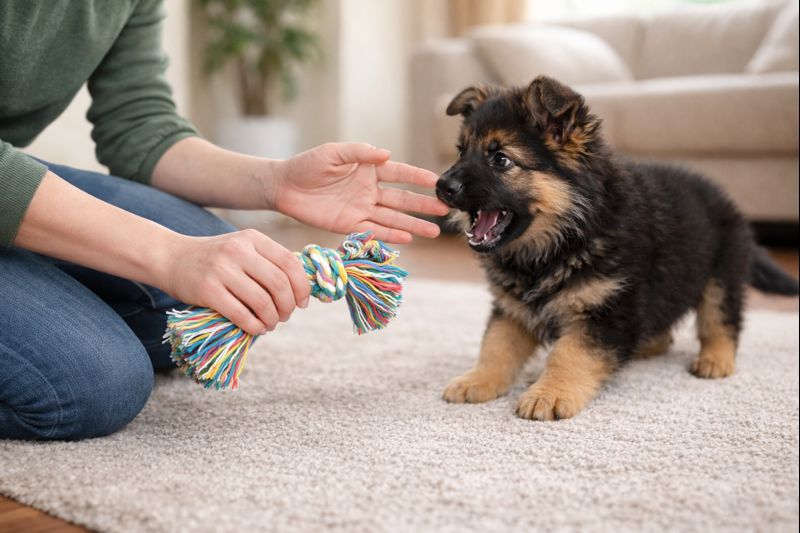
Mastering how to stop a.german shepard puppy from.bitting relies heavily on proactive redirection rather than reactive punishment. Keeping a durable toy within arm’s reach at all times allows caregivers to intercept teeth before they ever touch human skin. When the puppy approaches with open jaws, instantly substitute the hand or ankle with an approved chew item. This redirection strategy teaches the dog an acceptable alternative behavior while fulfilling the underlying urge to bite. Consistency across all household members ensures the puppy receives a uniform message every single day.
Structured protocols require clear planning and absolute consistency from every member of the family unit. Reviewing established guides within Method provides step-by-step frameworks for teaching impulse control and basic obedience commands like “leave it.” Integrating these lessons into daily routines burns mental energy, which tires out a high-drive puppy much faster than physical exercise alone. A mentally exhausted puppy naturally exhibits far fewer destructive biting behaviors around the home.
Avoiding Common Pitfalls and Ensuring Positive Reinforcement Consistency
Making mistakes during early training can inadvertently reward the very behavior caregivers are trying desperately to eliminate. Shouting, physical reprimands, or waving hands around wildly often excites the puppy, turning biting into an engaging game of high-stakes chase. Similarly, inconsistent rules where one family member allows gentle mouthing while another forbids it will only confuse the developing dog. Maintaining a united front prevents mixed signals and accelerates the learning process significantly.
Positive reinforcement training methods build stronger human-canine bonds and yield significantly lower rates of fear-based aggression compared to traditional dominance-based corrections — American Veterinary Medical Association
Pet Care & Wellness Overview Table
| Life Stage | Daily Activity Level | Key Nutrition / Care Focus |
|---|---|---|
| Puppy / Kitten | High (frequent short bursts) | High-protein growth diet & early socialization |
| Adult Companion | Moderate (30–60 mins daily) | Balanced maintenance nutrition & dental hygiene |
| Senior Pets | Low to Gentle (mindful walks) | Joint support (Glucosamine) & routine vet checks |
Images References



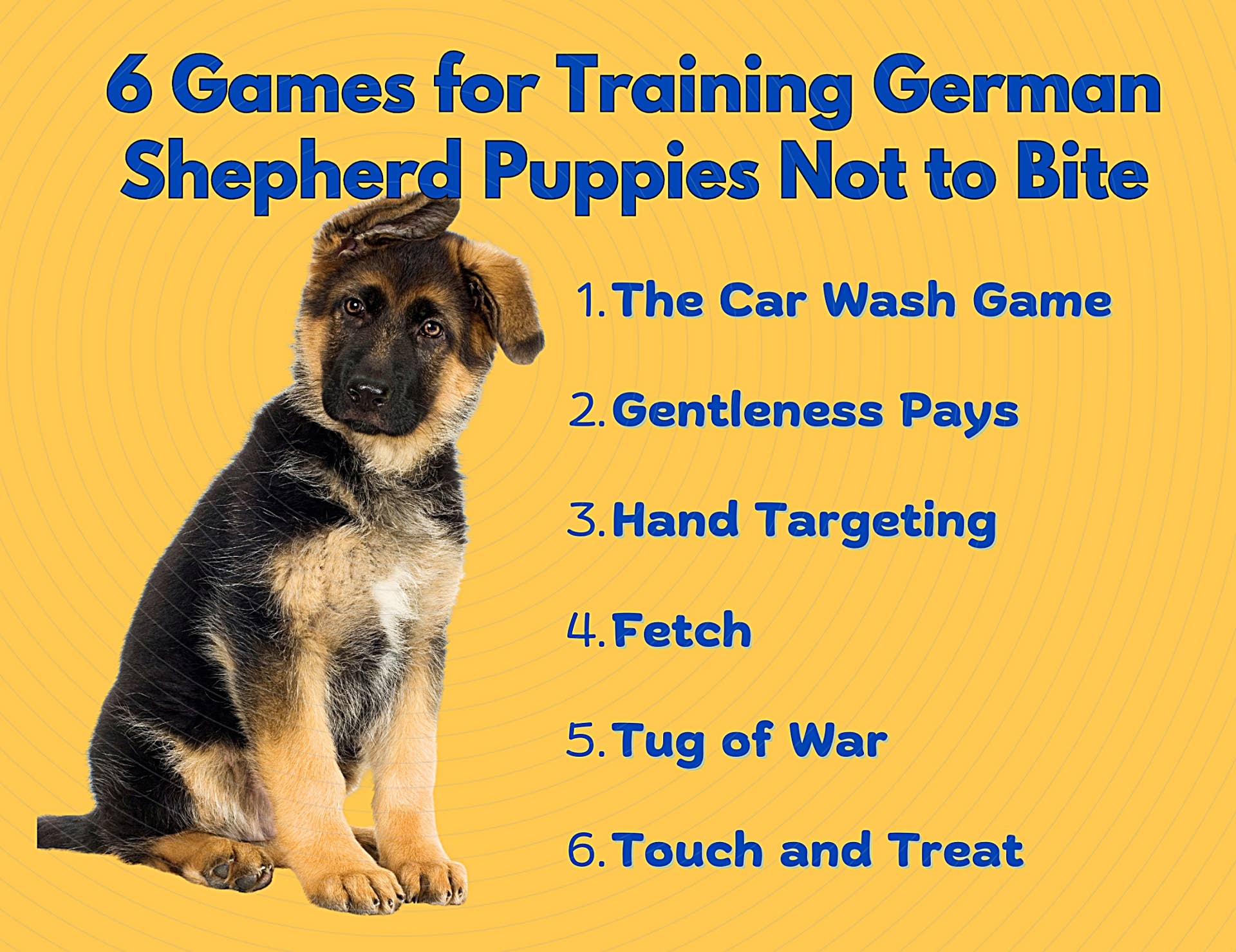
Special occasions and holidays can disrupt normal training schedules, leading to regression in puppy manners. Implementing strategies found in Occasion helps maintain structure even when household routines get hectic with visitors or travel. Keeping sessions short, engaging, and rewarding ensures the young dog remains focused and eager to please throughout various environmental changes.
Tailoring Behavior Modification to Specific Age and Breed Characteristics
German Shepherd puppies grow at an exponential rate, transitioning from fluffy handfuls into powerful young adults in a remarkably short span. This rapid physical development means that habits formed at twelve weeks old become deeply entrenched by six months of age. Handlers must adjust their physical boundaries as the dog grows larger, ensuring that playful jumps and nips do not become dangerous habits. Tailoring training intensity to match the individual dog’s temperament prevents frustration and fosters mutual trust.
Every canine develops at a slightly different pace, requiring individualized patience and observation from caregivers. General guidance provides a solid foundation, but tuning into the specific nuances of the individual puppy ensures long-term success. Exploring broader advice available under General & Others offers additional perspectives on managing multi-faceted canine developmental milestones safely and effectively.
Recognizing When Professional Veterinary Intervention Becomes Necessary
Consulting a qualified veterinarian or veterinary behaviorist is essential if biting behavior escalates beyond normal puppy exploration into genuine, stiff-bodied aggression. Persistent growling, snapping accompanied by hard eye contact, or a complete failure to respond to positive redirection warrants professional evaluation. Medical issues such as hidden dental pain, ear infections, or gastrointestinal discomfort can cause sudden behavioral changes and increased irritability in young dogs. Ruling out underlying health conditions ensures the puppy receives appropriate medical care alongside behavioral support.
Working alongside a veterinary professional provides peace of mind and ensures that underlying medical causes for behavioral distress are properly addressed. Never attempt to diagnose complex aggression issues independently without expert guidance. A professional can design a customized behavior modification plan tailored to the specific needs of the dog and household.
Building a Harmonious Future Through Consistent Care and Guidance
Guiding an intelligent herding puppy through the challenging teething phase requires immense dedication, structure, and unwavering consistency. By combining proper nutritional support, effective redirection methods, and clear boundary-setting, caregivers lay the groundwork for a well-adjusted adult dog. Exploring the comprehensive resources available at Home2Pet.com empowers owners with the knowledge needed to navigate every stage of canine development with confidence and warmth.