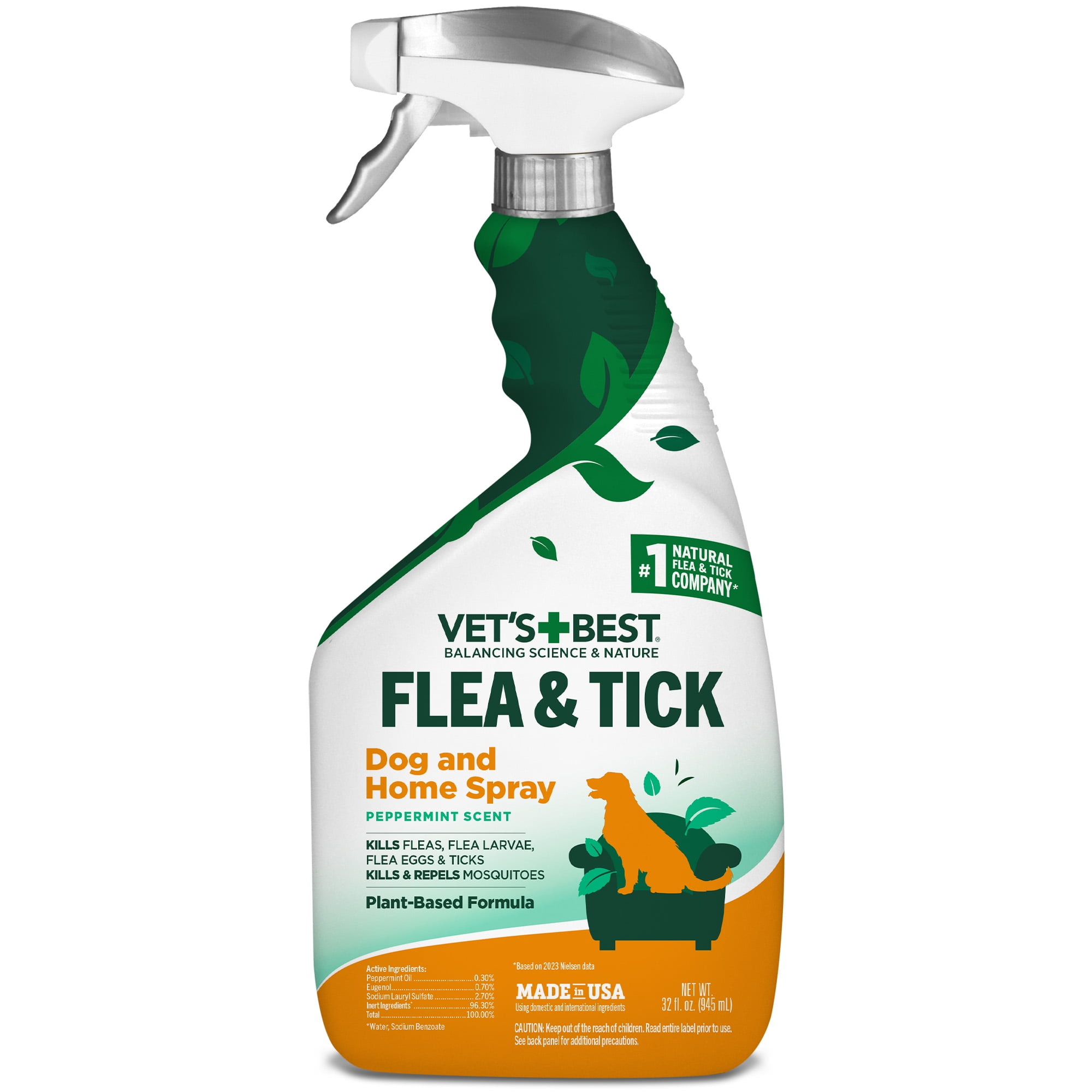
Flea and Tick Natural Remedies
Fleas and ticks are more than just a nuisance; they pose a real threat to your dog’s health and well-being. These pesky parasites can transmit diseases like Lyme disease and Rocky Mountain spotted fever, cause skin irritation and allergic reactions, and even lead to anemia in severe infestations. While conventional treatments are available, many pet owners are increasingly seeking out flea and tick natural remedies to minimize their dog’s exposure to harsh chemicals. This is especially true for dogs with sensitivities or those who live in environments where constant chemical application isn’t ideal. Choosing the right approach to flea and tick control is vital to ensuring your dog is healthy and happy. Understanding the available natural options and their efficacy will empower you to make the best decision for your furry friend. Many effective natural remedies for flea and tick control are available, including options using essential oils and natural compounds that repel these pests. Remember to always consult with your veterinarian before starting any new treatment. It is also important to consider that some home remedies may not be effective for all dogs or all geographic areas.
💡 Pet Care Key Takeaways:
- Core Focus: Practical health, nutrition, and wellness guidelines for Flea And Tick Natural Remedies.
- Target Scope: Pet owners, animal caregivers, and veterinary support staff.
- Best Recommendation: Maintain consistent daily routines and consult an accredited veterinarian before introducing major diet or medical changes.
Exploring flea and tick natural remedies offers several benefits for both your dog and your peace of mind. Many natural options utilize essential oils like cedarwood, lavender, and peppermint, which are known for their repellent properties. These oils can be diluted and applied topically or used in homemade sprays. Another popular remedy involves diatomaceous earth (DE), a naturally occurring powder made from fossilized algae. DE is non-toxic and works by dehydrating fleas and ticks upon contact. Feeding your dog a diet rich in garlic or apple cider vinegar is often cited as a potential preventative measure. However, it’s important to note that the effectiveness of these methods can vary, and some may have potential side effects depending on your dog’s sensitivity. Key considerations when choosing flea and tick natural remedies include the severity of the infestation, your dog’s individual health and allergies, and the specific environment where you live. Some natural solutions might be more effective in certain climates or against specific types of fleas and ticks. Always monitor your dog closely for any adverse reactions and consult with your veterinarian before making significant changes to their routine. It’s also important to combine natural remedies with regular grooming and a clean environment to maximize their effectiveness. Related guide: How To Get Puppy To Stop Biting Furniture.
For dog owners looking to incorporate flea and tick natural remedies, consistent application and a multi-faceted approach are essential. Start by regularly grooming your dog to check for fleas and ticks. Vacuuming your home frequently, especially carpets and upholstery, can help eliminate these pests in the environment. Consider using a natural flea and tick shampoo during bath time to provide immediate relief. Remember that flea and tick natural remedies often require more frequent application than conventional treatments. It is vital to reapply essential oil blends or DE after bathing or swimming. Be cautious when using essential oils around cats, as some can be toxic to them. It is crucial to create a safe and effective flea and tick management plan. Moreover, be prepared to adjust your approach as needed. If you notice a severe infestation or suspect your dog has contracted a tick-borne disease, consult with your veterinarian promptly. It is important to remember that fleas and ticks breed in areas with high grass. Keep your grass cut short to minimize the risk of ticks invading your property.
Youtube Video:

Pet Care & Wellness Overview Table
| Life Stage | Daily Activity Level | Key Nutrition / Care Focus |
|---|---|---|
| Puppy / Kitten | High (frequent short bursts) | High-protein growth diet & early socialization |
| Adult Companion | Moderate (30–60 mins daily) | Balanced maintenance nutrition & dental hygiene |
| Senior Pets | Low to Gentle (mindful walks) | Joint support (Glucosamine) & routine vet checks |
Images References :
For more expert pet care tips and advice, check out our dedicated Dog Type and Health guides to keep your companions healthy and happy.