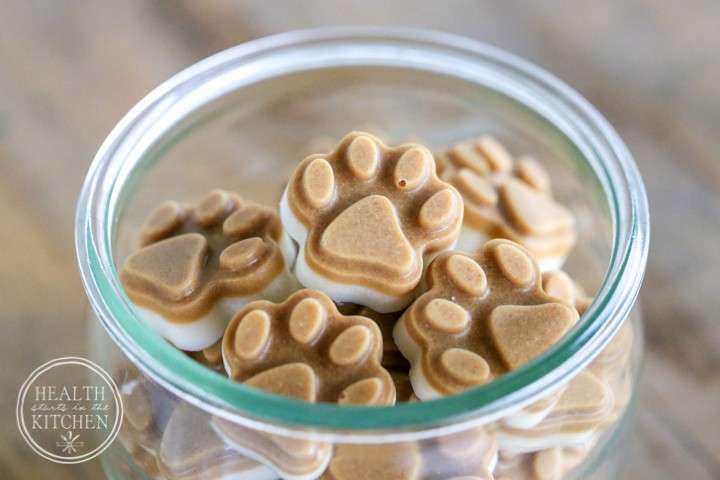
Natural Flea Prevention Through the Kitchen
According to the American Veterinary Medical Association, seasonal pest management remains one of the most frequently discussed preventive care topics among pet owners seeking holistic household routines. Warm months often invite unwanted external parasites into living spaces, prompting a surge in demand for natural deterrent strategies. Traditional chemical preventatives work wonders, yet many families prefer supplementing their approach with dietary adjustments. Exploring homemade dog treats for flea control at home ingredients provides a comforting avenue for caregivers who want complete visibility over what goes into their animals. Crafting snacks from scratch removes mysterious preservatives while introducing functional elements that support overall wellness. Related guide: Frozzys Frozen Yogurt For Dogs.
💡 Pet Care Key Takeaways:
- Core Focus: Practical health, nutrition, and wellness guidelines for Homemade Dog Treats For Flea Control At Home Ingredients.
- Target Scope: Pet owners, animal caregivers, and veterinary support staff.
- Best Recommendation: Maintain consistent daily routines and consult an accredited veterinarian before introducing major diet or medical changes.
In clinical practice, observing a canine patient with a gleaming coat and calm skin often traces back to consistent internal nutrition rather than topical sprays alone. Dogs with robust immune systems naturally resist minor pest invasions more effectively than stressed counterparts. Furthermore, integrating wholesome foods builds a strong foundation for long-term vitality. Understanding the mechanics behind dietary pest deterrence helps caretakers make informed, sensible choices for their four-legged companions.
Defining Functional Snacks for External Parasite Deterrence
Functional snacks designed to deter external parasites utilize specific culinary components that alter a canine’s natural scent or skin chemistry, making them less palatable to blood-feeding insects. These recipes often feature aromatic herbs, healthy fats, and vitamin-rich whole foods that work synergistically within the body. While no edible snack replaces a veterinary-prescribed medical preventative, certain culinary additions create an internal environment that pests simply prefer to avoid. Every single element chosen for these kitchen-baked goodies serves a distinct nutritional purpose, ranging from skin barrier reinforcement to gentle systemic cleansing.
Delving into homemade dog treats for flea control at home ingredients requires a careful look at pantry staples like nutritional yeast, coconut oil, and specific fresh herbs. Nutritional yeast, defined as an inactivated yeast rich in B-complex vitamins, frequently forms the backbone of these recipes due to its distinct aroma and skin-nourishing properties. As caregivers mix these components, they transform ordinary baking sessions into targeted wellness routines. Balancing palatability with functional efficacy ensures that pets happily consume their preventive snacks without hesitation.
Nutritional and Systemic Impacts on Canine Wellness
Incorporating targeted culinary items into a daily routine positively influences skin health, coat luster, and overall immune function. When a canine consumes healthy fats such as unrefined coconut oil, which contains medium-chain triglycerides, the skin’s natural lipid barrier strengthens significantly. This reinforced barrier reduces micro-abrasions that often attract opportunistic parasites. Additionally, introducing vitamin-dense vegetables and select herbs supports optimal digestion, ensuring that vital nutrients efficiently reach the epidermis. A well-nourished skin tissue naturally creates a less hospitable habitat for biting pests.
Dietary omega fatty acids and specific B-complex vitamins play a documented role in maintaining normal epidermal barrier function and skin health in canines — American Kennel Club
Conversely, pet parents must remain vigilant regarding culinary safety, as certain popular human ingredients pose severe toxicity risks to dogs. For instance, garlic and onions belong to the Allium family and contain disulfides and thiosulfates, which can damage red blood cells and lead to Heinz body anemia. Safety guidelines emphasize that any inclusion of aromatic herbs must be strictly vetted and kept well below hazardous thresholds. Consulting comprehensive resources via Ingredients ensures that every component added to the mixing bowl remains entirely safe for canine consumption.
Executing Safe Preparation and Baking Methods
Creating effective functional snacks involves precise measurement, gentle baking temperatures, and proper storage to preserve delicate nutritional compounds. Caregivers should begin by selecting organic, high-grade base flours such as oat or brown rice, ensuring gluten sensitivities are avoided. Incorporating small, measured amounts of approved functional elements into a smooth dough guarantees even distribution throughout every baked biscuit. Following standardized baking guidelines prevents the degradation of heat-sensitive vitamins while achieving a satisfying, shelf-stable crunch that dogs adore.
Daily handling in veterinary settings reveals that even the most enthusiastic eaters can reject snacks if texture or aroma changes too abruptly. Introducing new functional recipes gradually allows the digestive tract time to adjust without adverse upset. Exploring structured techniques found through Method helps home bakers refine their culinary execution, ensuring consistent results batch after batch. Proper dehydration or refrigeration further extends the shelf life of preservative-free baked goods.
Best Practices and Common Pitfalls to Avoid
Avoiding common preparation mistakes ensures that homemade snacks remain both safe and beneficial for everyday canine diets. One major error involves guessing quantities rather than utilizing precise kitchen scales, which can lead to accidental over-supplementation of active botanical elements. Another oversight is failing to store baked goods in airtight containers, inviting mold growth in humid environments. Maintaining strict kitchen hygiene and checking expiration dates on all pantry items protects sensitive digestive systems from unwanted pathogens.
Proper storage in airtight, moisture-free containers prevents mycotoxin contamination in homemade grain-based pet snacks — Association of American Feed Control Officials
Pet Care & Wellness Overview Table
| Life Stage | Daily Activity Level | Key Nutrition / Care Focus |
|---|---|---|
| Puppy / Kitten | High (frequent short bursts) | High-protein growth diet & early socialization |
| Adult Companion | Moderate (30–60 mins daily) | Balanced maintenance nutrition & dental hygiene |
| Senior Pets | Low to Gentle (mindful walks) | Joint support (Glucosamine) & routine vet checks |
Images References


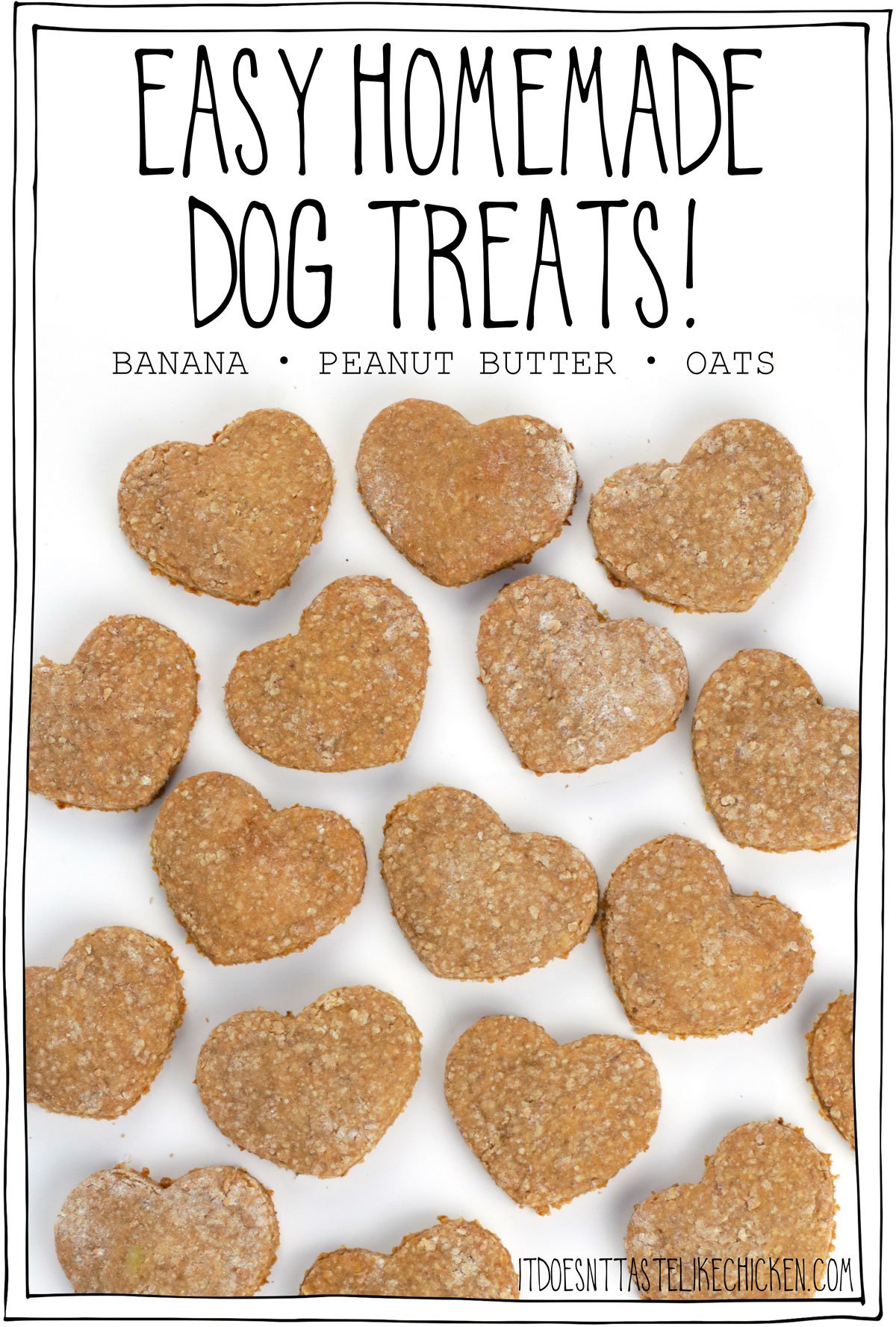
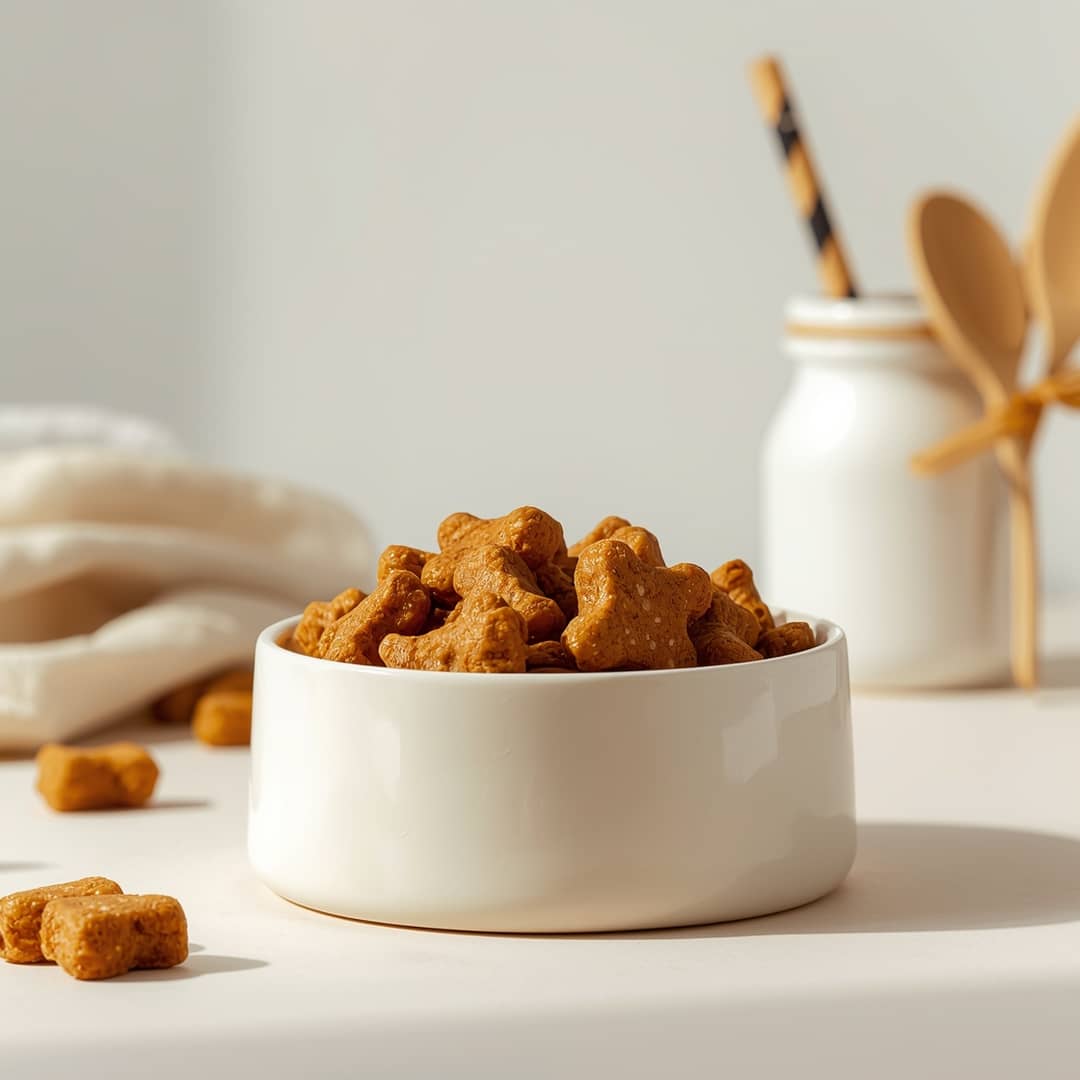


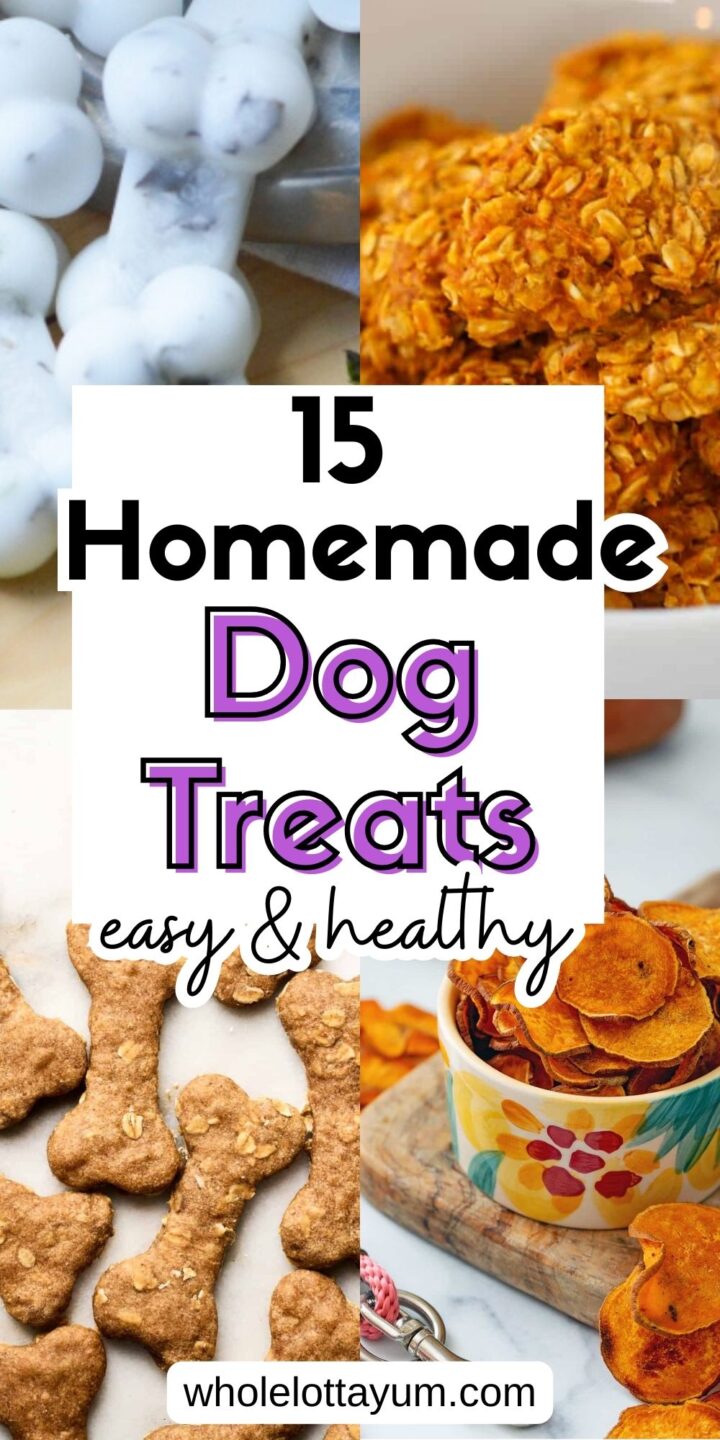

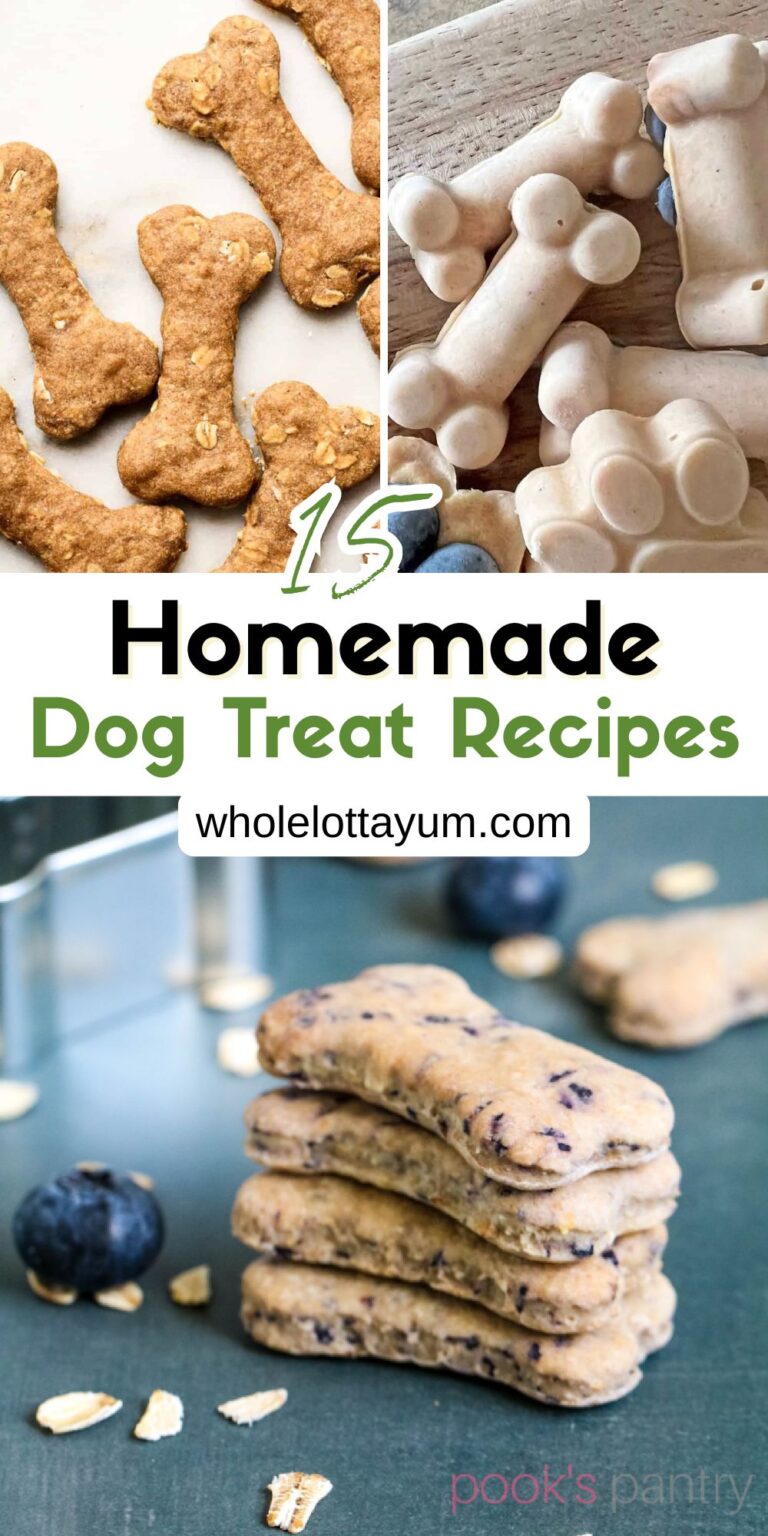
Observation during hands-on kitchen testing shows that dogs respond best when new flavors are masked inside familiar, highly appealing bases like pumpkin puree or sweet potato. Caregivers must resist the urge to add salt, sugar, or artificial sweeteners like xylitol, which is exceptionally toxic to animals. Adhering strictly to natural, dog-safe binders guarantees that each snack remains a wholesome reward rather than a hidden health hazard.
Tailoring Recipes for Specific Canine Demographics
Customizing functional treats to match a dog’s specific life stage, body weight, and underlying health profile is essential for safe, effective administration. Senior canines experiencing sluggish metabolism require lower-fat bases, whereas active working breeds benefit from nutrient-dense caloric profiles that support high energy expenditures. Miniature breeds possess significantly smaller stomachs, meaning ingredient concentrations must be adjusted downward to prevent gastrointestinal overload. Reviewing insights via Dog Type and Health assists owners in tailoring dietary strategies to unique physiological requirements.
Puppies under rapid developmental phases require strict dietary calcium-to-phosphorus ratios, making adult-targeted flea deterrent snacks inappropriate for their growing skeletons. Similarly, dogs managing chronic conditions such as pancreatitis or kidney disease need strict veterinary clearance before introducing any novel culinary supplements. Accounting for breed-specific sensitivities ensures that holistic care enhances well-being rather than introducing unforeseen complications.
Professional Guidance and Veterinary Consultation
Professional veterinary oversight remains an indispensable component of any comprehensive parasite control and dietary supplementation strategy. A licensed veterinarian possesses the diagnostic tools necessary to evaluate a patient’s existing parasite load, skin condition, and overall metabolic fitness. Relying exclusively on kitchen-made remedies without professional assessment can allow mild infestations to escalate into severe dermatological infections or vector-borne illnesses. Collaborative dialogue with a trusted clinician ensures that homemade snacks complement, rather than conflict with, prescribed medical treatments.
Establishing a routine wellness schedule that includes regular veterinary check-ups protects animals from preventable health risks. When introducing new functional foods, keeping a detailed log of the dog’s skin condition, coat texture, and digestive output provides invaluable data for clinical evaluations. Partnering closely with veterinary professionals guarantees a balanced, highly effective approach to keeping canine companions comfortable and pest-free throughout every season.
Integrating Natural Care into Everyday Routines
Blending holistic culinary practices into an existing pet care regimen fosters a deeper bond between owners and their cherished animals. Celebrating special milestones with thoughtfully prepared snacks brings joy to both parties, proving that wellness routines can be both practical and delicious. Discovering seasonal baking ideas via Occasion allows families to celebrate holidays while maintaining strict dietary standards. For further inspiration on general wellness routines, explore resources available at General & Others and visit Home2Pet.com to continue optimizing your furry family member’s daily care.