Soothing sore gums naturally during the intense canine teething phase requires safe, cooling interventions.
According to the American Kennel Club, puppies begin losing their needle-sharp baby teeth around twelve weeks of age, prompting an intense urge to chew on anything available. During clinical practice in veterinary hospitals, young dogs presenting with inflamed gums and restless behavior frequently benefit from simple dietary management. Owners often search for reliable frozen puppy treats for teething recipes to redirect this chewing instinct away from expensive furniture and electrical cords. Cool temperatures provide immediate relief by temporarily numbing sensitive oral tissues while keeping curious minds occupied. Furthermore, utilizing wholesome ingredients transforms standard kitchen staples into therapeutic snacks that support overall development during a crucial life stage. Related guide: Homemade Puppy Milk Recipe.
💡 Pet Care Key Takeaways:
- Core Focus: Practical health, nutrition, and wellness guidelines for Frozen Puppy Treats For Teething Recipes.
- Target Scope: Pet owners, animal caregivers, and veterinary support staff.
- Best Recommendation: Maintain consistent daily routines and consult an accredited veterinarian before introducing major diet or medical changes.
Frozen puppy treats for teething recipes involve chilled, highly digestible homemade snacks designed to cool inflamed canine gums safely.
Creating these refreshing snacks at home gives handlers total control over what enters the developing body, aligning closely with guidelines published by the Association of American Feed Control Officials regarding safe nutrient profiles. Instead of relying on commercially processed items packed with artificial preservatives, simple culinary techniques allow for nutrient-dense creations using plain yogurt, pumpkin puree, or low-sodium bone broth. When crafting treats via a reliable Method guide, patience ensures that harmful additives are completely avoided. Every canine appreciates a delicious reward, especially when that snack actively relieves the deep-seated irritation associated with erupting adult teeth.
Chilled homemade snacks significantly reduce oral discomfort while providing mental stimulation during early canine development.
Targeted cold therapy restricts localized blood flow to inflamed gum tissue, directly lowering swelling and easing the throbbing sensation common in juvenile dogs. Veterinary technicians frequently observe that active chewing releases calming endorphins, which helps curb destructive chewing habits in high-energy breeds. Exploring options tailored for specific life stages through Dog Type and Health resources ensures that the chosen snack matches physical maturity. However, selecting wholesome components requires careful scrutiny, as certain human foods present hidden biological hazards. Incorporating nutrient-rich selections from trusted Ingredients categories safeguards against accidental toxic ingestion.
Cold therapy effectively reduces localized gum inflammation and numbs oral pain in teething puppies — American Veterinary Medical Association
Preparing these cooling snacks at home involves blending safe, dog-friendly foods and freezing them in appropriate silicone molds.
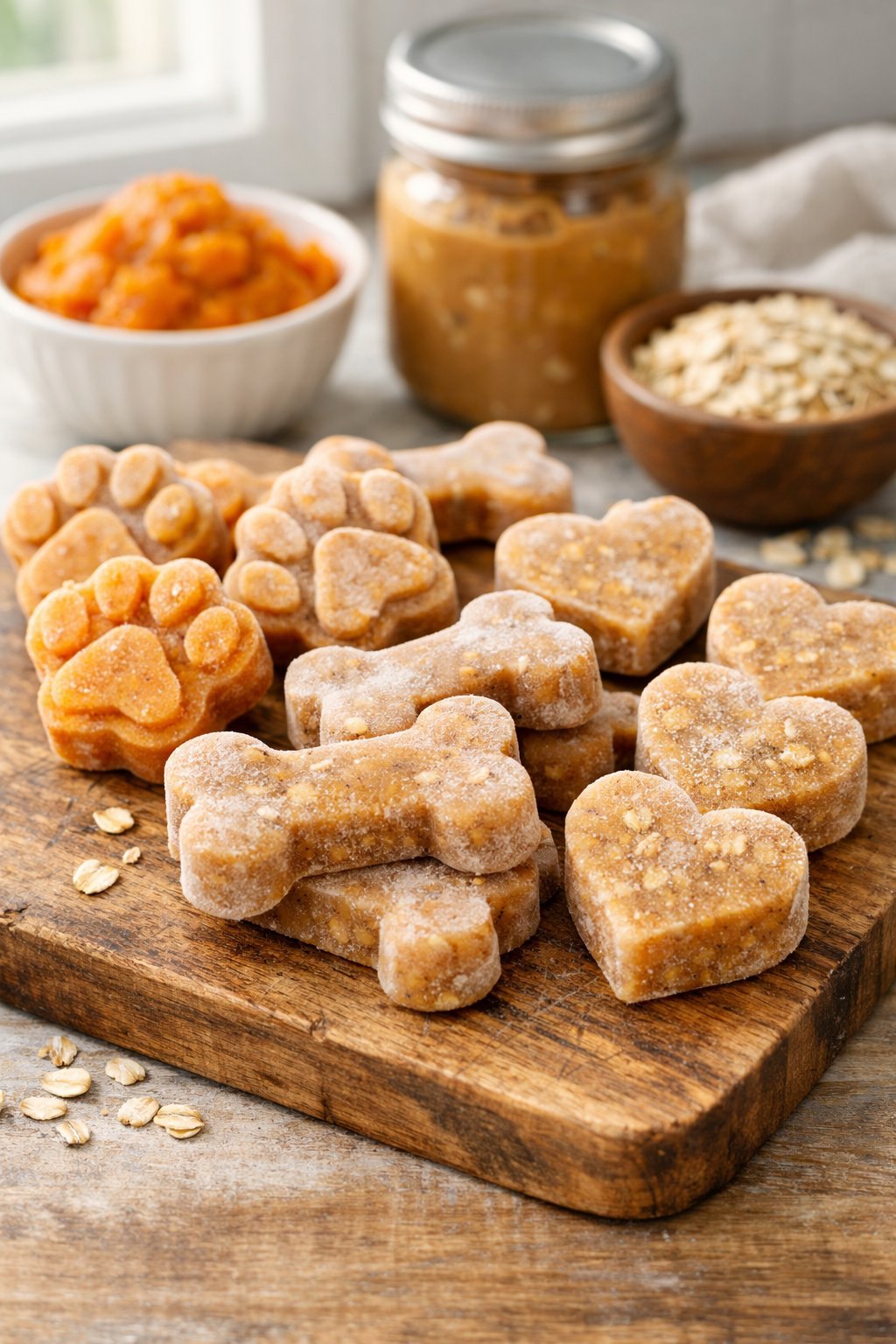
Selecting proper base items remains the most critical step when designing these soothing creations for a young canine. Plain, xylitol-free Greek yogurt serves as an excellent probiotic-rich foundation, while pureed pumpkin aids gastrointestinal regularity. Once the mixture is thoroughly combined, pouring it into flexible silicone trays makes extraction effortless once solid. Handlers frequently celebrate seasonal milestones by preparing themed snacks for a special Occasion, turning routine dental care into a festive bonding experience. Always check individual food tolerances before introducing novel components to a sensitive juvenile stomach.
Avoiding common kitchen pitfalls ensures that chilled snacks remain entirely safe for developing digestive systems.
Strictly avoiding toxic additives like xylitol, artificial sweeteners, chocolate, grapes, and excessive sodium is non-negotiable for canine safety. Many well-meaning individuals make the mistake of offering ice cubes that are far too hard, which can easily fracture fragile deciduous tooth enamel. Instead, softer frozen purees melt gradually, protecting vulnerable dental structures from sudden impact trauma. Introducing unfamiliar foods slowly prevents sudden dietary upsets that could otherwise disrupt fragile juvenile digestive tracts. Consulting a veterinarian about specific portion ranges ensures that treats complement rather than unbalance a complete commercial diet.
Xylitol is a highly toxic artificial sweetener that causes rapid hypoglycemia and liver failure in dogs — American Society for the Prevention of Cruelty to Animals
Pet Care & Wellness Overview Table
| Life Stage | Daily Activity Level | Key Nutrition / Care Focus |
|---|---|---|
| Puppy / Kitten | High (frequent short bursts) | High-protein growth diet & early socialization |
| Adult Companion | Moderate (30–60 mins daily) | Balanced maintenance nutrition & dental hygiene |
| Senior Pets | Low to Gentle (mindful walks) | Joint support (Glucosamine) & routine vet checks |
Images References


Adapting recipes to accommodate specific breed sizes, physical ages, and unique health profiles is essential for safety.
Miniature breeds like Chihuahuas require tiny, bite-sized portions to prevent choking hazards, whereas larger breeds like German Shepherds need substantially larger items to avoid ingestion risks. Age-appropriate adjustments ensure that very young puppies receive easily lickable purees rather than dense, rock-hard frozen blocks. Furthermore, dogs diagnosed with sensitive stomachs or food intolerances require tailored modifications to avoid triggering allergic responses. Reviewing general advisory articles found under General & Others provides broader context on maintaining lifelong canine wellness. Tailoring every physical variable guarantees a positive, safe experience for the growing animal.
Professional veterinary guidance should always be sought before introducing new dietary items or managing severe dental pain.
While homemade cooling snacks offer wonderful supplementary relief, they should never replace a comprehensive examination by a licensed veterinary professional. Persistent bleeding gums, refusal to eat, or extreme lethargy may indicate underlying medical conditions requiring therapeutic intervention rather than simple home remedies. A qualified veterinarian can accurately assess dental occlusion, evaluate overall nutritional status, and recommend safe parameters tailored to an individual dog. Maintaining open communication with a clinical team ensures that any emerging health concerns are addressed swiftly and effectively.
Embracing thoughtful nutritional care empowers owners to support their canine companions through every developmental milestone.
Navigating the puppy teething phase demands patience, creativity, and a steadfast commitment to canine wellness. By utilizing safe cooling strategies and wholesome ingredients, handlers can successfully ease physical discomfort while fostering strong, lifelong bonds. Exploring the comprehensive resources available across Home2Pet.com equips every dedicated owner with the knowledge needed to nurture a happy, healthy animal from puppyhood into senior years. Every small effort invested today pays off in vibrant health, radiant joy, and countless tail wags tomorrow.