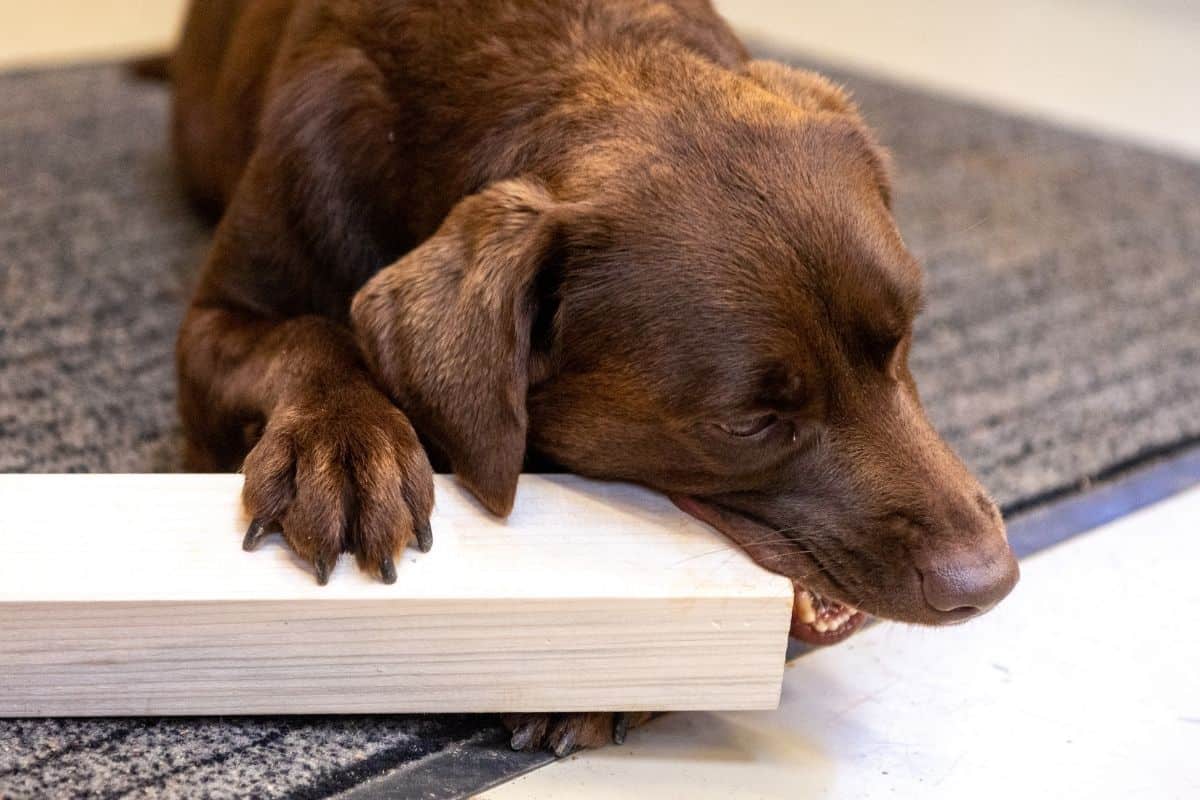
Understanding the root of puppy mouthing requires looking closely at Arctic heritage and natural canine development.
According to the American Kennel Club, Siberian Huskies are an energetic and intelligent working breed with an independent streak that influences how they interact with their human families. Managing puppy teeth can test the patience of even the most dedicated household, especially when sharp little milk teeth make contact with human skin. In veterinary practice, observing young northern dogs reveals that mouthing is rarely fueled by genuine aggression; rather, it stems from sheer exuberance, boredom, and a strong drive to explore textures. Addressing this behavior early ensures that playful nipping does not escalate into a lifelong habit. Guidance found within Dog Type and Health provides further context for high-energy breeds. Navigating these formative months successfully requires consistency, clear communication, and an understanding of what drives the puppy mind.
💡 Technical Key Takeaways:
- Core Focus: Diagnostic schematic and terminal connection layout for How To Teach A Husky Not To Nip.
- Target Scope: Field technicians, automotive DIYers, and residential/commercial electricians.
- Safety Rule: Always disconnect the primary power source/battery terminal and verify zero voltage with a multimeter before touching wires.
Learning how to teach a husky not to nip means redirecting boundless energy into appropriate outlets.
Teaching a young sled dog self-control involves showing them that teeth should never touch human hands, clothing, or bare feet. In clinical settings, working closely with growing puppies demonstrates that physical withdrawal is far more effective than shouting or physical corrections. When sharp teeth make contact with skin, instantly freezing and going completely limp removes the exciting feedback the puppy craves. Furthermore, offering an appropriate chew toy immediately afterward helps bridge the gap between what is forbidden and what is permitted. This balanced approach relies heavily on positive reinforcement and clear boundaries established over time. Related guide: Frozzys Frozen Yogurt For Dogs.
Unchecked mouthing habits can create lasting behavioral challenges and accidental household injuries.
Leaving puppy mouthing unaddressed often leads to overly rough adult behavior that poses safety risks to visitors and family members alike. Beyond physical scratches, dogs that learn to use their mouths during play may struggle to regulate their jaw pressure later in life. Nutritional imbalances or sudden dietary deficiencies can sometimes manifest as increased chewing behavior, making proper diet essential for overall calmness. Exploring resources under Ingredients can help caretakers understand how nutrition supports nervous system regulation. Every dog responds differently, so maintaining steady routines is vital for long-term behavioral success.
Puppy socialization and bite inhibition training are most effective when started before the fourth month of life, helping prevent resource guarding and aggression. — American Veterinary Medical Association
Implementing structured training techniques helps curb unwanted nipping during daily interactions.
Establishing predictable daily routines is the cornerstone of successful canine education for high-endurance arctic dogs. When excitement levels spike, implementing designated quiet time or brief timeouts in a safe, unstimulating environment teaches the puppy to settle down. Hands-on experience shows that carrying a durable toy in one’s pocket makes redirection seamless the moment the puppy approaches with open jaws. Consistency among all household members prevents confusion and accelerates the learning process significantly. Reviewing strategies available in Method offers additional framework for daily training schedules.
Avoiding common mistakes ensures training progresses smoothly without creating fear or confusion.
Pitches of high-pitched squealing can sometimes backfire, acting as a squeaky toy sound that triggers even higher predatory excitement in northern breeds. Instead of dramatic vocalizations, a calm, low-energy rejection teaches the puppy that rough play brings absolute boredom. Avoid swatting or pushing the puppy away with bare hands, as this movement mimics the wrestling play they enjoy with littermates. Patience remains the most valuable tool during this developmental phase, as rapid changes rarely happen overnight. Thoughtful planning for special occasions, as outlined in Occasion, can help keep routines stable during busy times.
Positive reinforcement training methods build stronger bonds of trust between dogs and their owners while significantly reducing stress-related behavioral issues. — Association of Professional Dog Trainers
Quick Wiring Specifications & Terminal Guide
| Component / Circuit | Standard Wire Gauge | Recommended Protection |
|---|---|---|
| Control & Trigger Signals | 18 – 20 AWG | 5A – 7.5A Inline Fuse |
| Standard Auxiliary Load | 14 – 16 AWG | 15A – 20A Circuit Breaker |
| Main Power Feed / Supply | 10 – 12 AWG | 30A – 40A Heavy-Duty Relay |
Images References



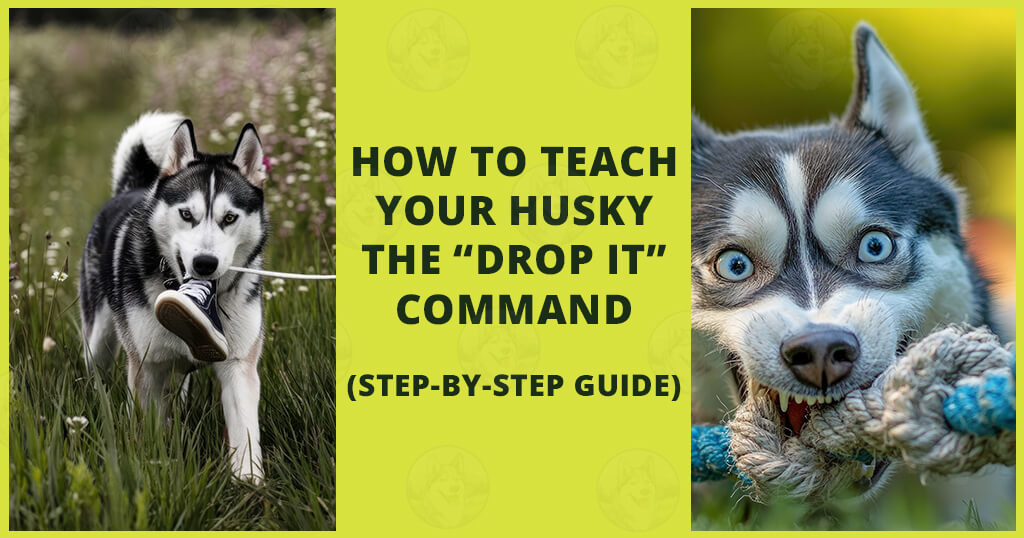

Breed-specific traits and developmental milestones dictate how quickly training takes hold.
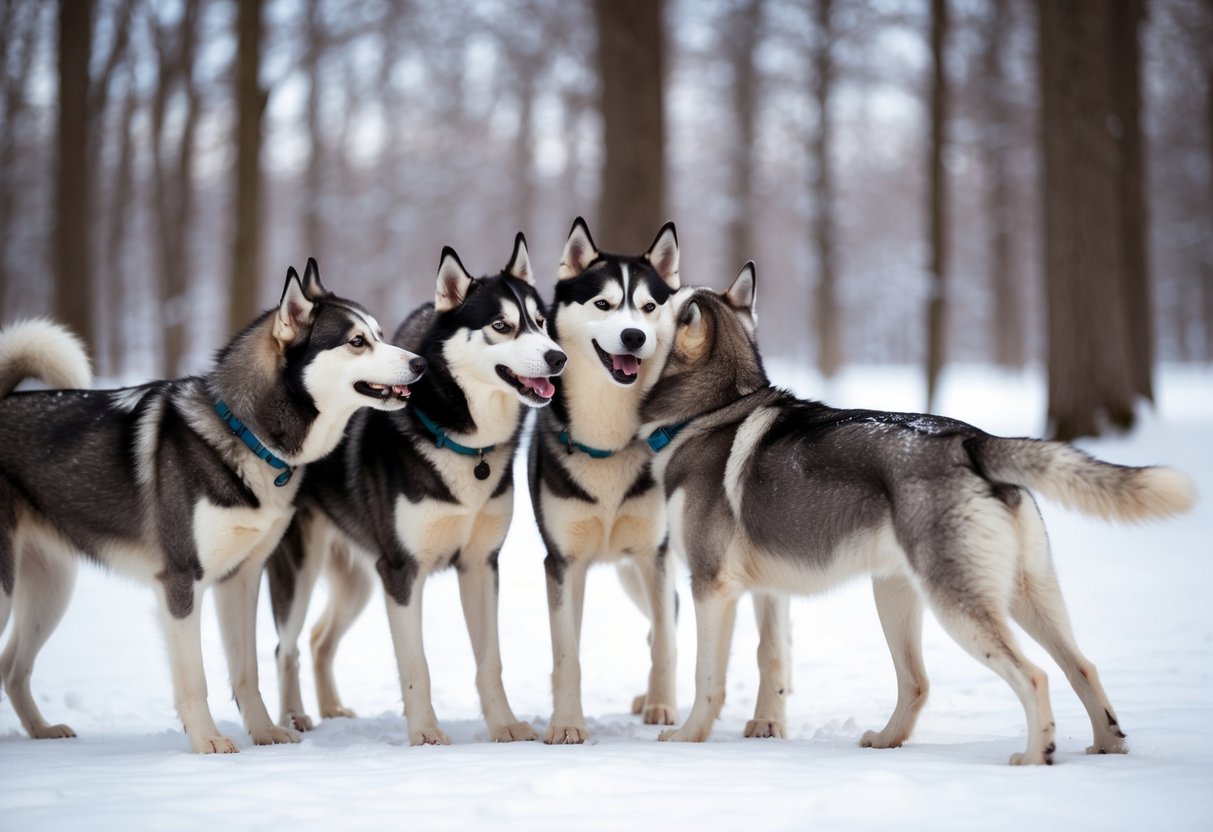
Huskies retain puppy-like exuberance longer than many other breeds, often acting like overgrown adolescents well past their first year. Their thick coats can also make them less sensitive to physical touch, meaning rough handling or gentle taps are easily misinterpreted as invitations to wrestle. Teething pain, typically peaking between four and six months of age, requires an abundance of safe, cold chew items to soothe inflamed gums. Recognizing these natural milestones helps owners tailor their expectations and maintain steady training momentum through every growth spurt.
Professional veterinary guidance becomes essential when nipping persists despite consistent home training efforts.
Consulting a licensed veterinarian or a certified animal behaviorist is crucial if aggressive growling, stiff body posture, or lunging accompanies the mouthing behavior. Medical conditions such as dental pain, neurological discomfort, or sensory issues can cause uncharacteristic snapping that requires professional diagnosis rather than standard training adjustments. General education should never replace a thorough physical examination by a qualified professional who can rule out underlying health concerns. Ensuring a clean bill of health lays a stable foundation for any behavioral modification plan.
Consistent boundaries and mental enrichment transform an exuberant puppy into a well-mannered companion.
Mastering the art of guiding a northern breed through the teething phase requires dedication, patience, and a deep understanding of canine communication. By replacing unwanted habits with structured redirection, households can enjoy a harmonious relationship built on mutual trust and respect. Exploring additional guides on General & Others across Home2Pet.com ensures caretakers remain well-equipped for every stage of their canine companion’s life journey.