Why fresh canine nutrition holds profound importance for toy breed vitality
According to the American Kennel Club (AKC), providing optimal nutrition during the first year of life lays the permanent foundation for skeletal, dental, and metabolic health in small dogs. Puppies belonging to delicate toy categories possess accelerated metabolic rates and exceptionally tiny stomachs, meaning every single morsel offered must deliver maximal biological value. In clinical practice, preparing fresh meals at home allows caregivers to eliminate mystery additives while tailoring each bowl to a delicate frame. Transitioning away from heavily processed kibble toward a thoughtfully curated home made food list for young maltese requires both precision and genuine dedication. Watching a tiny white pup eagerly approach a bowl filled with vibrant, wholesome ingredients remains one of the most rewarding experiences in modern pet parenthood. Beyond mere sustenance, wholesome cooking fosters a deeper bond between human and animal while simultaneously promoting bright eyes, silky coats, and boundless puppy energy. Related guide: Frozzys Frozen Yogurt For Dogs.
💡 Pet Care Key Takeaways:
- Core Focus: Practical health, nutrition, and wellness guidelines for Home Made Food List For Young Maltese.
- Target Scope: Pet owners, animal caregivers, and veterinary support staff.
- Best Recommendation: Maintain consistent daily routines and consult an accredited veterinarian before introducing major diet or medical changes.
Defining a proper nutritional inventory for a growing toy companion
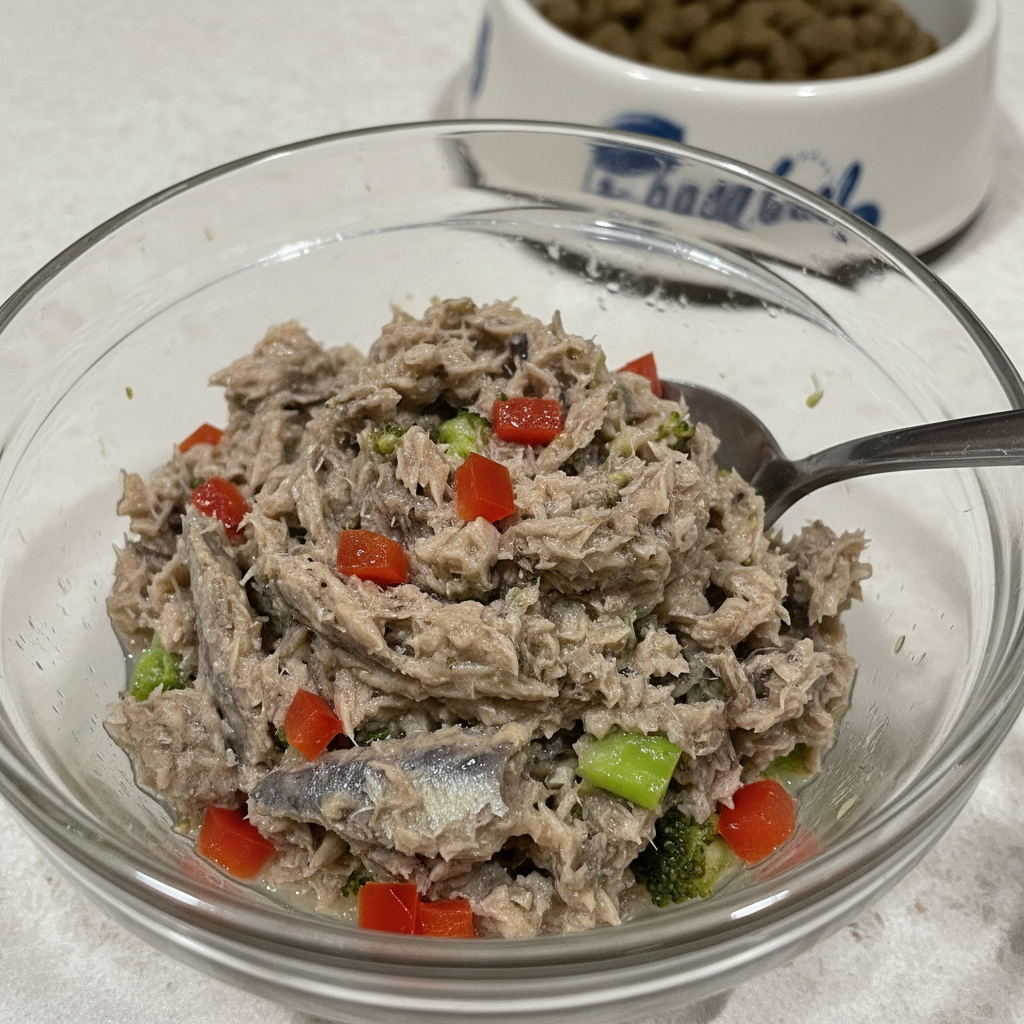
A comprehensive home made food list for young maltese consists of precisely balanced portions of lean proteins, digestible carbohydrates, healthy fats, and essential micronutrients. Lean animal proteins such as skinless chicken breast, lean turkey, and occasionally white fish form the structural building blocks for developing muscles and tissues. Meanwhile, complex carbohydrates like sweet potato, brown rice, or pumpkin provide steady, non-spike energy suitable for a tiny body that burns calories rapidly. Incorporating safe culinary additions from trusted Ingredients guides ensures that variety does not compromise digestive stability. However, balancing these raw components requires strict adherence to canine nutritional science rather than guesswork. Every meal must account for the calcium-to-phosphorus ratio to support proper bone mineralization during those crucial early growth months.
Understanding the profound developmental impact of wholesome fresh meals
Providing balanced fresh nutrition directly influences immunological resilience, cognitive development, and the prevention of early-onset joint or dental issues. Young toy dogs experience rapid skeletal maturation, making precise nutrient intake vital for avoiding developmental orthopedic abnormalities. When a fresh diet is properly formulated, owners often notice remarkably compact, firm stools, which serves as a practical, hands-on indicator of superior nutrient absorption in daily practice. Furthermore, fresh whole foods lack the heavy synthetic preservatives and heat-induced byproducts occasionally found in commercial manufacturing. This gentle approach to canine wellness nurtures a sensitive gastrointestinal tract, keeping tummy upsets to a absolute minimum.
The Association of American Feed Control Officials (AAFCO) establishes rigorous nutrient profiles that serve as the scientific benchmark for formulating complete and balanced diets for growing dogs. — AAFCO Official Publication
Implementing safe kitchen practices for crafting daily puppy meals
Executing a balanced home made food list for young maltese involves gentle cooking methods, meticulous portioning, and strict adherence to food safety protocols. All proteins must be thoroughly cooked through without the addition of harmful spices, onions, garlic, or excessive cooking oils that might trigger severe pancreatitis. Consulting structured Method resources helps caregivers master batch cooking, safe freezing, and proper daily thawing techniques. When serving meals to a diminutive companion, mincing or finely chopping every ingredient prevents accidental choking hazards. Introducing new components gradually over several days prevents sudden dietary indiscretion and allows delicate digestive systems to adapt seamlessly.
Crucial culinary mistakes and preparation hazards to avoid entirely
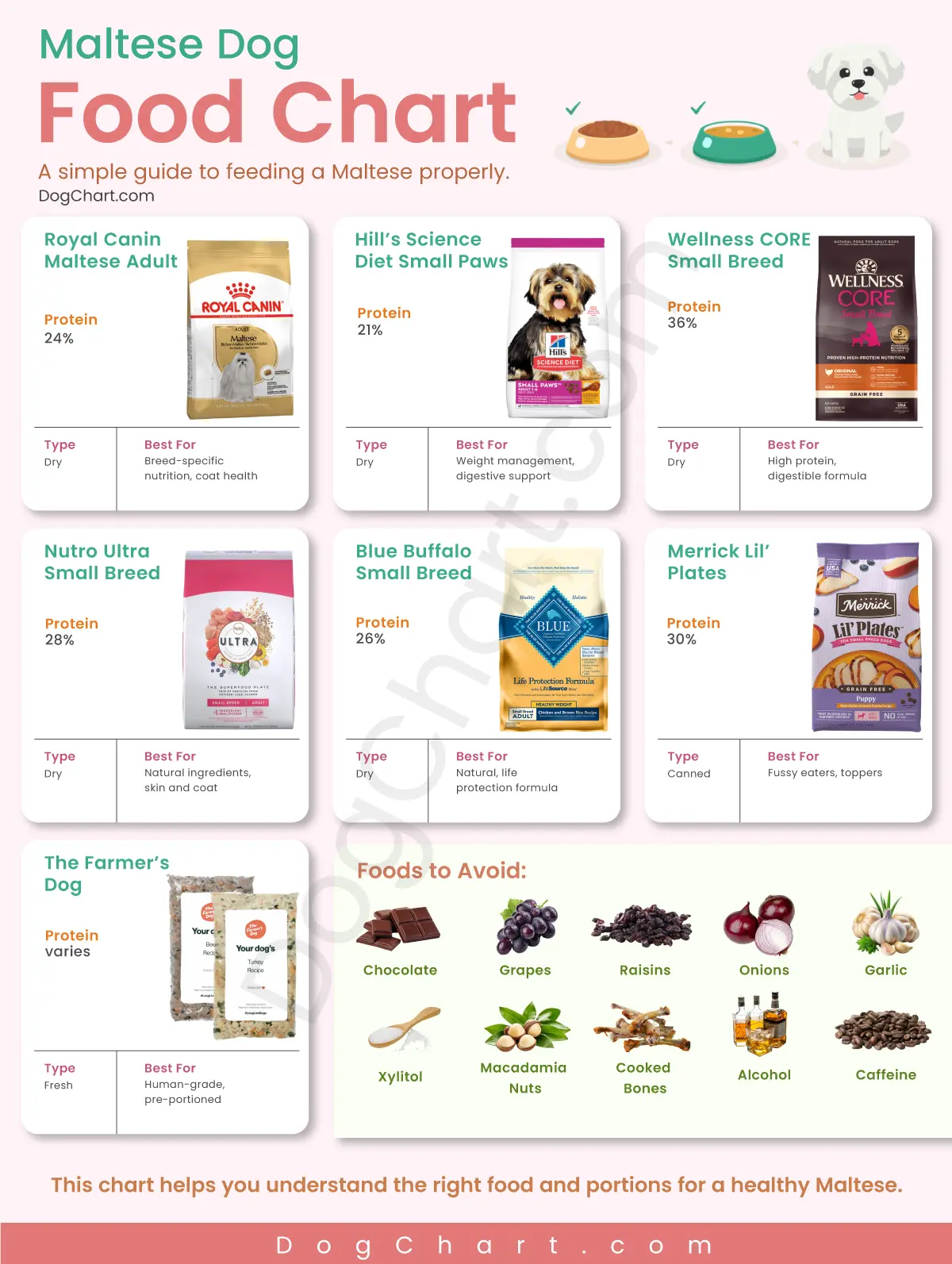
Cooking for a miniature puppy leaves zero margin for error when it comes to toxic ingredients, accidental bone splinters, or severe nutritional imbalances. Well-meaning caregivers frequently commit the error of feeding unsupplemented meat-only diets, which rapidly leads to severe calcium deficiencies and metabolic bone disease. Additionally, common human foods like grapes, raisins, chocolate, macadamia nuts, and xylitol-sweetened products must be kept entirely out of reach because they pose fatal toxicity risks to dogs. Experience shows that relying on general human recipes rather than canine-specific formulations ultimately deprives a developing puppy of necessary trace minerals and vitamins. Establishing strict kitchen boundaries ensures that curiosity never leads to an accidental poisoning emergency.
According to the American Society for the Prevention of Cruelty to Animals (ASPCA) Animal Poison Control Center, ingestion of common kitchen staples like onions, garlic, and grapes remains a leading cause of emergency veterinary visits for small dogs. — ASPCA APCC Annual Data
Pet Care & Wellness Overview Table
| Life Stage | Daily Activity Level | Key Nutrition / Care Focus |
|---|---|---|
| Puppy / Kitten | High (frequent short bursts) | High-protein growth diet & early socialization |
| Adult Companion | Moderate (30–60 mins daily) | Balanced maintenance nutrition & dental hygiene |
| Senior Pets | Low to Gentle (mindful walks) | Joint support (Glucosamine) & routine vet checks |
Images References




Tailoring nutritional strategies for distinct breed and life stage nuances
The unique anatomical traits of toy breeds, such as a predisposition for hypoglycemia and delicate tracheas, demand specialized dietary considerations. Because young toy dogs maintain very small hepatic glycogen reserves, dividing their daily fresh food allotment into multiple frequent meals prevents dangerous drops in blood sugar. Exploring specific insights via Dog Type and Health documentation helps owners navigate breed-specific challenges like tear staining and dental crowding. Small jaws also benefit from food textures that encourage proper chewing without placing undue stress on fragile deciduous teeth. As the puppy matures into an active adolescent, adjusting caloric density prevents unwanted weight gain while sustaining high daily vitality.
Partnering with veterinary professionals to validate homemade puppy diets
Consulting a qualified veterinarian or a board-certified veterinary nutritionist is an absolute prerequisite before committing exclusively to any home-prepared feeding regimen. Because individual metabolic needs vary wildly based on precise weight, activity level, and underlying genetics, professional guidance ensures absolute safety. Periodic blood work and physical examinations help track developmental milestones, confirming that the chosen diet supports optimal growth without inducing deficiencies. For special occasions or holiday treats, referencing curated Occasion ideas guarantees that extra snacks remain entirely safe and appropriate. Professional oversight transforms homemade feeding from a hopeful experiment into a scientifically sound, health-promoting lifestyle.
Embracing lifelong wellness through mindful canine husbandry
Emarking on the journey of fresh home cooking represents a profound commitment to the health, happiness, and longevity of a cherished canine companion. By combining proper culinary education with steadfast veterinary guidance, caregivers can provide an exceptional standard of living from puppyhood well into the golden years. Exploring broader educational resources on General & Others further empowers owners to make confident, informed decisions at every stage of development. Welcome to a vibrant community dedicated to optimal pet wellness at Home2Pet.com, where every small dog receives the specialized care they truly deserve.