Cooking Raw Dog Food
The concept of cooking raw dog food might seem contradictory, but it’s becoming increasingly popular among conscientious pet owners. While the traditional raw dog food diet involves serving uncooked ingredients, lightly cooking certain components can offer a beneficial compromise. This is particularly important for dogs with sensitive stomachs or weakened immune systems. Cooking can reduce the risk of bacterial contamination, making the diet safer without necessarily eliminating all the nutritional advantages. Exploring the nuances of cooking raw dog food allows owners to tailor their dog’s diet to specific needs, ensuring optimal health and well-being. A carefully planned approach ensures that the benefits of raw feeding, such as improved digestion and a shinier coat, are retained while mitigating potential health risks. Its a balancing act between providing natural, wholesome nutrition and safeguarding your furry friend’s health.
💡 Pet Care Key Takeaways:
- Core Focus: Practical health, nutrition, and wellness guidelines for Cooking Raw Dog Food.
- Target Scope: Pet owners, animal caregivers, and veterinary support staff.
- Best Recommendation: Maintain consistent daily routines and consult an accredited veterinarian before introducing major diet or medical changes.
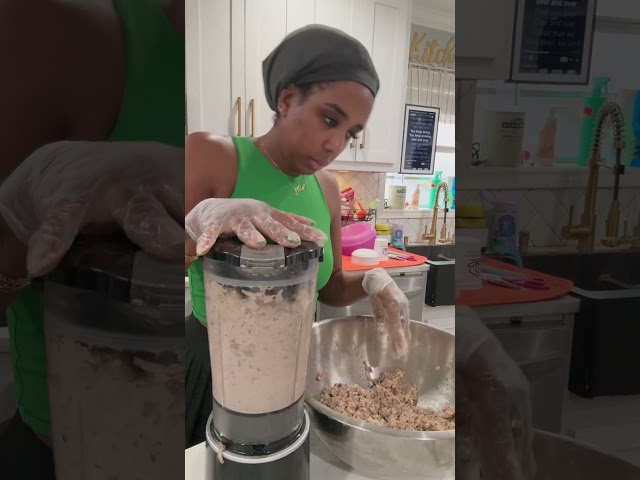
The health benefits of cooking raw dog food stem from the ability to control ingredients and preparation methods. Cooking allows for targeted nutrient delivery and eliminates harmful pathogens. Key considerations include choosing high-quality ingredients, such as organic meats and fresh vegetables. Its vital to lightly cook ingredients to preserve essential nutrients; overcooking can destroy vitamins and minerals. Gentle cooking, such as poaching or steaming, helps to break down tough fibers, making nutrients more accessible for digestion. Another important factor is portion control, ensuring your dog receives the right balance of protein, fats, and carbohydrates. When transitioning your dog to a cooked raw diet, introduce new foods gradually to avoid digestive upset. Consulting with a veterinary nutritionist is advisable to create a balanced and safe meal plan tailored to your dog’s specific needs, breed, and age. Remember, the goal is to create a diet that is both nutritious and palatable for your beloved companion. Related guide: Frozzys Frozen Yogurt For Dogs.
For dog owners venturing into cooking raw dog food, several tips can ensure a successful transition. Always prioritize food safety by thoroughly washing all produce and maintaining a clean preparation area. Choose lean protein sources like chicken, turkey, or fish, and incorporate a variety of vegetables, such as carrots, sweet potatoes, and spinach. Limit the use of grains and focus on nutrient-dense alternatives like quinoa or brown rice. Consider supplementing the diet with essential fatty acids, such as fish oil or flaxseed oil, for optimal skin and coat health. Remember that variety is key. Rotating different protein sources and vegetables will provide a wide range of nutrients. Finally, always observe your dog’s reaction to the new diet and adjust as needed. Pay attention to their stool consistency, energy levels, and overall health to ensure the diet is meeting their needs. If you have any concerns, seek guidance from a veterinary nutritionist.
Youtube Video:
Pet Care & Wellness Overview Table
| Life Stage | Daily Activity Level | Key Nutrition / Care Focus |
|---|---|---|
| Puppy / Kitten | High (frequent short bursts) | High-protein growth diet & early socialization |
| Adult Companion | Moderate (30–60 mins daily) | Balanced maintenance nutrition & dental hygiene |
| Senior Pets | Low to Gentle (mindful walks) | Joint support (Glucosamine) & routine vet checks |
Images References :
For more expert pet care tips and advice, check out our dedicated Dog Type and Health guides to keep your companions healthy and happy.