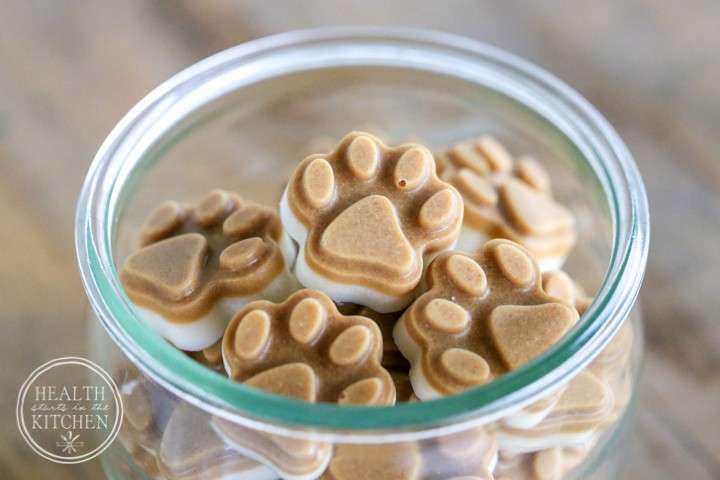
Understanding adolescent canine mouthing requires recognizing that young canines explore their environment primarily through their jaws.
According to the American Society for the Prevention of Cruelty to Animals, behavioral issues remain one of the leading reasons young dogs are relinquished to shelters, making early intervention vital. Bringing a canine companion through the adolescent stage brings unique challenges, particularly when needle-sharp teeth persistently latch onto clothing, furniture, and human hands. At six months of age, animals are deeply entrenched in a developmental phase comparable to human teenagehood, where physical growth often outpaces emotional maturity. Veterinary technicians frequently observe that households struggle most during this window because juvenile canines possess adult jaw strength paired with persistent puppy impulsivity. Recognizing the biological drivers behind this behavior helps caregivers respond with patience rather than frustration, transforming a stressful household challenge into a valuable training opportunity. Related guide: How To Get Puppy To Stop Biting Furniture.
💡 Pet Care Key Takeaways:
- Core Focus: Practical health, nutrition, and wellness guidelines for How To Get A 6 Month Old Puupy To Stop Biting.
- Target Scope: Pet owners, animal caregivers, and veterinary support staff.
- Best Recommendation: Maintain consistent daily routines and consult an accredited veterinarian before introducing major diet or medical changes.
Addressing how to get a 6 month old puupy to stop biting involves establishing clear communication boundaries between the human household and the growing animal.
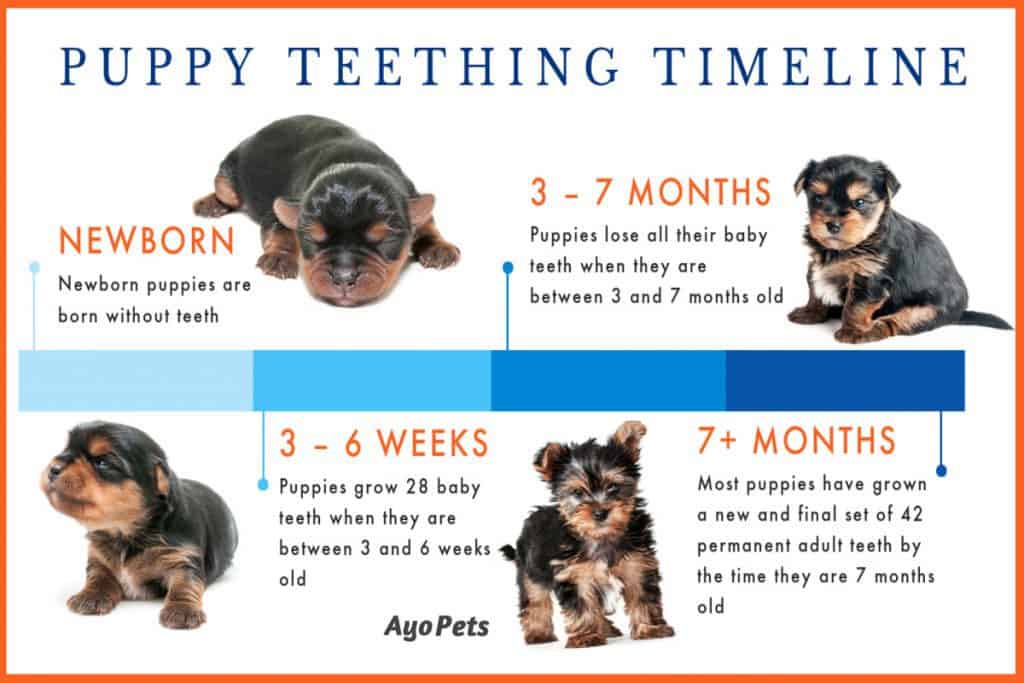
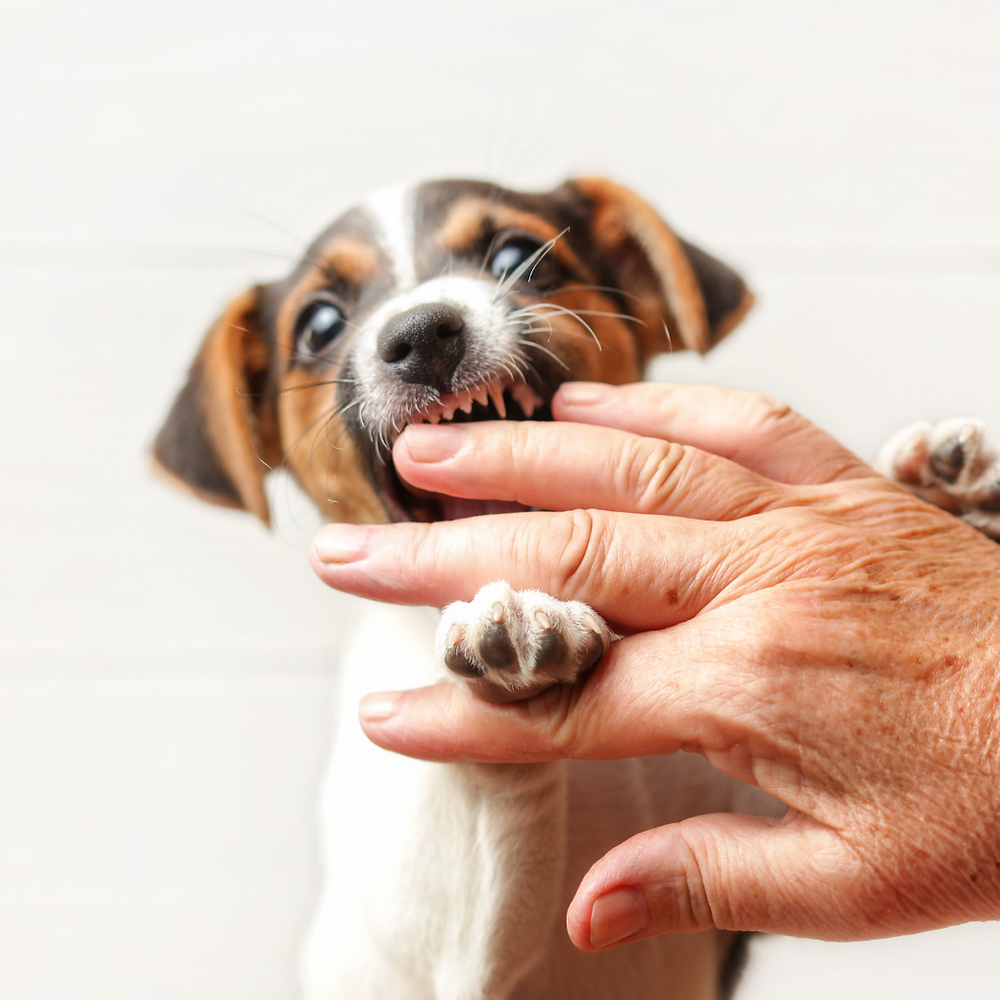
This developmental stage marks a critical window for canine education, specifically regarding bite inhibition, which refers to an animal’s ability to control the force of its jaw pressure. When a juvenile canine clamps down during play, understanding how to get a 6 month old puupy to stop biting relies entirely on immediate, consistent feedback rather than harsh physical corrections. In veterinary practice, professionals note that young dogs often bite hardest when they are overtired, overstimulated, or entering their permanent teething phase. Canine dental development at this age involves adult premolars and molars shifting into place, causing genuine gum discomfort that naturally triggers chewing urges. Consequently, management strategies must balance behavioral redirection with appropriate physical outlets for jaw tension, ensuring the animal learns acceptable alternatives for its pent-up energy.
Ignoring the biological and psychological triggers behind adolescent mouthing can lead to entrenched aggression patterns that become difficult to reverse in adulthood.
Unchecked mouthing habits during the adolescent window frequently escalate into destructive chewing or defensive biting if proper socialization protocols are neglected. Furthermore, improper management of a canine’s diet and nutritional profile can exacerbate hyperactivity, indirectly fueling intense biting episodes throughout the day. For instance, commercial diets that lack balanced essential fatty acids or adequate protein quality may influence neurological development and overall temperament. Clinical observations in veterinary settings reveal that dogs allowed to rehearse biting behaviors repeatedly forge strong neural pathways that associate human interaction with oral contact. Breaking this cycle demands a multifaceted approach encompassing mental enrichment, physical exercise, and strict consistency across all family members interacting with the pet.
Canine behavioral challenges, including adolescent mouthing and destructive chewing, are among the primary reasons owners seek professional guidance during the first year of life — American Kennel Club
Implementing structured redirection techniques provides a reliable pathway for teaching adolescents appropriate impulse control.
Mastering how to get a 6 month old puupy to stop biting requires keeping suitable chew toys accessible in every room of the home to intercept teeth before they connect with skin. When unwanted mouthing occurs, caregivers should immediately withdraw attention, fold their arms, and remain entirely still to remove the reward of social engagement. Alternatively, offering an approved interactive toy or durable rubber chew filled with nutrient-dense foods directs that intense oral fixation away from human limbs. Professional trainers often emphasize the importance of teaching a reliable “leave it” cue, which encourages the animal to voluntarily disengage from forbidden items in exchange for high-value rewards found within Ingredients guides. Consistency across every household member ensures the canine receives clear, unambiguous feedback regarding what is acceptable to bite.
Avoiding common training pitfalls ensures that adolescent modification techniques yield lasting, positive results without inducing fear or anxiety.
A frequent mistake among pet owners is using high-pitched squeaking sounds or rapid hand movements, which inadvertently mimic fleeing prey and trigger the canine’s predatory chase instincts. Similarly, physical punishments such as alpha rolling, holding muzzles shut, or tapping noses should be strictly avoided because these methods damage trust and can provoke defensive aggression. Instead, maintaining a calm, predictable demeanor reinforces emotional stability in the maturing animal. Careful attention must also be paid to what goes into the food bowl; exploring resources on Dog Type and Health helps ensure that nutritional deficiencies are not driving restless, hyperactive behaviors. Establishing predictable daily routines for rest, meals, and structured play naturally reduces the frequency of overexcited biting outbursts.
Early socialization and positive reinforcement training during the first six months of life significantly reduce the incidence of severe behavioral problems in adult canines — American Veterinary Medical Association
Pet Care & Wellness Overview Table
| Life Stage | Daily Activity Level | Key Nutrition / Care Focus |
|---|---|---|
| Puppy / Kitten | High (frequent short bursts) | High-protein growth diet & early socialization |
| Adult Companion | Moderate (30–60 mins daily) | Balanced maintenance nutrition & dental hygiene |
| Senior Pets | Low to Gentle (mindful walks) | Joint support (Glucosamine) & routine vet checks |
Images References


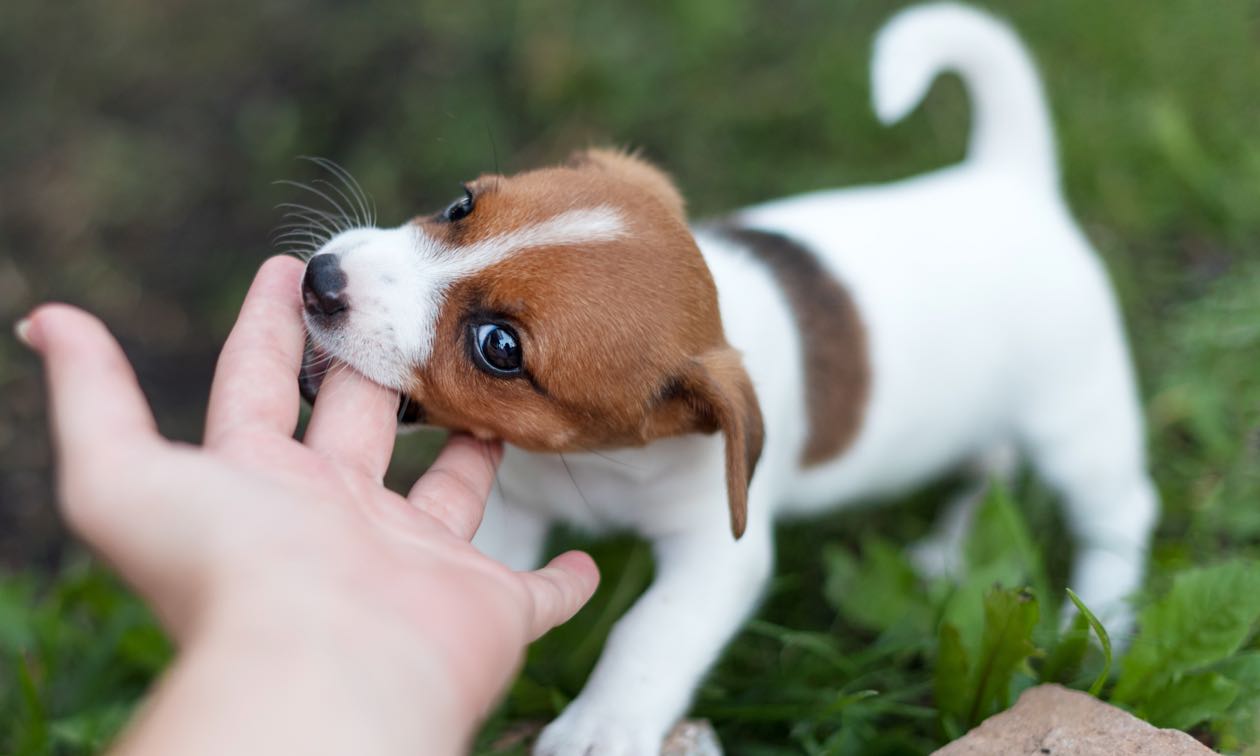

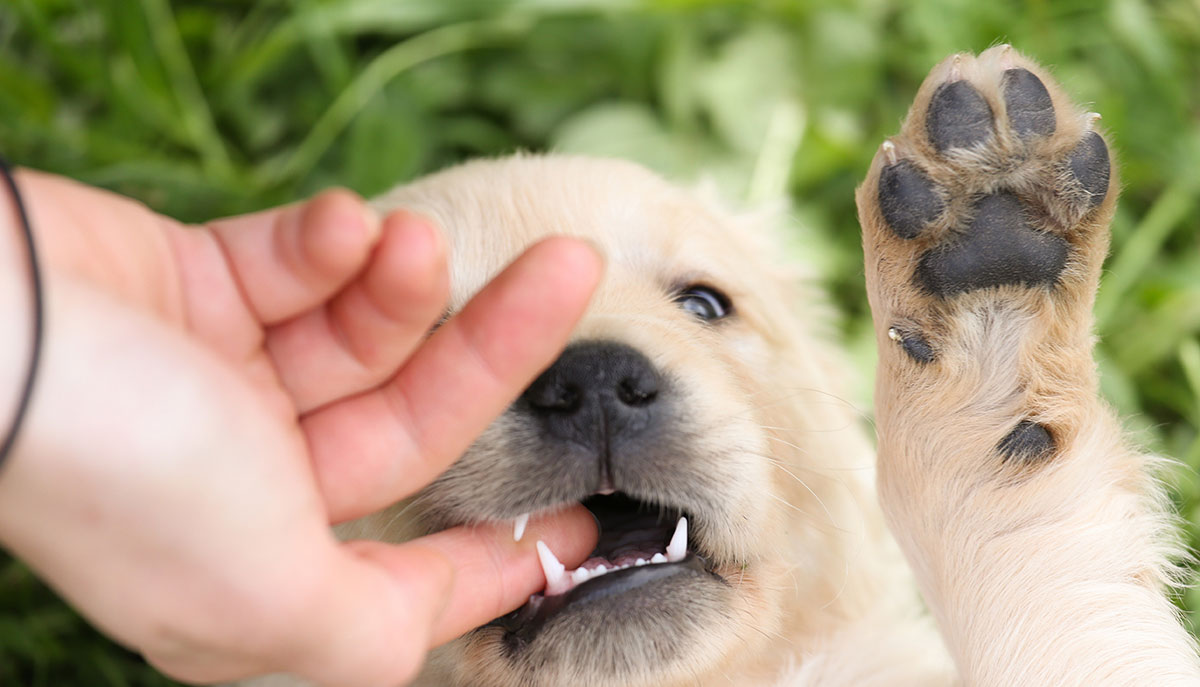

Breed-specific traits and individual health factors heavily influence the intensity and duration of adolescent mouthing phases.
Working and herding breeds, such as Border Collies or German Shepherds, possess an intense genetic predisposition to grip and control movement with their jaws, requiring significantly more mental stimulation than companion breeds. Additionally, larger breeds mature at a slower physiological rate, meaning their puppy-like exuberance and awkward coordination can persist well past the six-month mark. Health conditions, particularly hidden dental pain, ear infections, or gastrointestinal discomfort, frequently manifest as sudden increases in nipping and irritability as the animal attempts to communicate its distress. Caregivers navigating these nuances will find practical insights within Method articles, which detail step-by-step troubleshooting for complex behavioral hurdles during critical developmental milestones.
Knowing when to consult a veterinary professional is essential for ruling out underlying medical causes of persistent adolescent aggression.
While normal puppy mouthing responds well to consistent redirection and training, sudden escalations in biting intensity warrant an immediate professional evaluation to check for underlying pain or neurological abnormalities. Veterinarians can thoroughly examine the oral cavity for retained deciduous teeth, fractured enamel, or inflamed gums that might be driving the animal’s frantic need to chew. Furthermore, if behavioral modifications fail to yield progress after several weeks of dedicated application, certified veterinary behaviorists can design customized intervention plans tailored to the specific household dynamic. Never hesitate to reach out to a licensed practitioner whenever biting behavior feels dangerous, unpredictable, or accompanied by growling and stiffening of the body.
Maintaining a patient, structured approach fosters a lifelong bond of trust between the household and the growing canine companion.
Navigating the adolescent chewing phase demands immense dedication, yet the rewards of a well-adjusted, gentle adult dog make every training session worthwhile. By combining compassionate redirection with proper health management and appropriate outlets found across Occasion and General & Others collections, owners set the foundation for harmonious living. Visit Home2Pet.com regularly to discover expert-backed advice designed to support every single stage of your beloved animal’s journey.