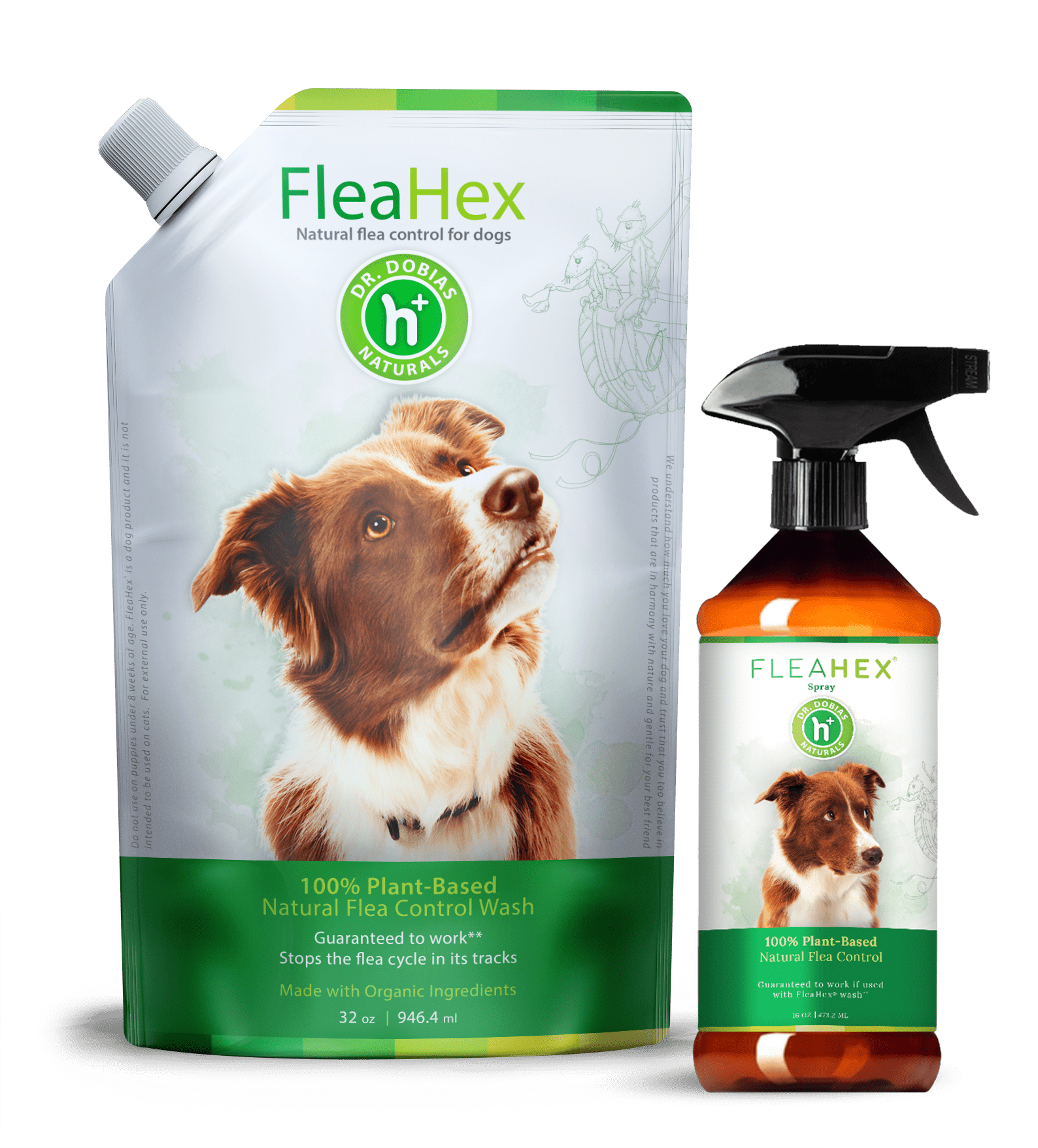
Non-Toxic Flea Treatment for Dogs
Fleas are a common nuisance for dog owners, causing discomfort and potential health issues for our furry friends. The constant itching and scratching can lead to skin irritation, hair loss, and even secondary infections. While many conventional flea treatments are available, they often contain harsh chemicals that can be harmful to dogs, especially those with sensitivities or underlying health conditions. That’s where the importance of finding a non-toxic flea treatment for dogs comes in. Choosing natural and safe alternatives allows you to protect your beloved pet from fleas without exposing them to potentially dangerous chemicals. This is particularly important for puppies, senior dogs, and pregnant or nursing mothers who are more vulnerable to the side effects of conventional treatments. Exploring options like diatomaceous earth, essential oils, and herbal remedies can provide effective flea control while prioritizing your dog’s overall health and well-being. Remember, a healthy and happy dog starts with a safe and effective approach to flea prevention and treatment, and opting for a non-toxic route ensures you’re doing everything possible to safeguard your pet’s health.
💡 Pet Care Key Takeaways:
- Core Focus: Practical health, nutrition, and wellness guidelines for Non Toxic Flea Treatment For Dogs.
- Target Scope: Pet owners, animal caregivers, and veterinary support staff.
- Best Recommendation: Maintain consistent daily routines and consult an accredited veterinarian before introducing major diet or medical changes.
The health benefits of using a non-toxic flea treatment for dogs extend beyond simply eliminating fleas. By avoiding harsh chemicals, you reduce the risk of allergic reactions, skin irritation, and neurological issues that can sometimes be associated with conventional treatments. Key considerations when choosing a non-toxic option include understanding the ingredients, application methods, and potential effectiveness. Some popular choices include diatomaceous earth, a natural powder made from fossilized algae that dehydrates fleas; essential oils like lavender, cedarwood, and peppermint, which repel fleas; and herbal remedies containing ingredients like neem and pyrethrum. It’s crucial to research each option thoroughly and consult with your veterinarian to determine the best and safest approach for your dog’s specific needs and health condition. Consider factors such as your dog’s age, breed, and any pre-existing health issues. Always perform a patch test before applying any new treatment to your dog’s entire body to check for any adverse reactions. Remember, consistency is key when using non-toxic flea treatments, as they may require more frequent applications than conventional methods. A proactive approach to flea prevention, combined with a safe and effective treatment plan, will help keep your dog comfortable and flea-free. Related guide: How To Get Puppy To Stop Biting Furniture.
When using a non-toxic flea treatment for dogs, remember a few essential tips. First, always read and follow the product instructions carefully. Proper application is key to ensuring effectiveness and preventing any potential irritation. Regularly groom your dog, using a flea comb to remove fleas and their eggs. This not only helps to eliminate existing fleas but also allows you to monitor for any new infestations. Secondly, treat your home environment as well as your dog. Fleas can live and breed in carpets, furniture, and bedding, so it’s essential to thoroughly clean and vacuum these areas regularly. Consider using diatomaceous earth or essential oil sprays in your home to kill fleas and prevent them from returning. Finally, be patient and consistent with your chosen treatment method. Non-toxic flea treatments may take longer to work than conventional methods, but the benefits to your dog’s health and well-being are well worth the effort. Consult your vet if you see signs of an allergic reaction or the infestation persists.
Youtube Video:

Pet Care & Wellness Overview Table
| Life Stage | Daily Activity Level | Key Nutrition / Care Focus |
|---|---|---|
| Puppy / Kitten | High (frequent short bursts) | High-protein growth diet & early socialization |
| Adult Companion | Moderate (30–60 mins daily) | Balanced maintenance nutrition & dental hygiene |
| Senior Pets | Low to Gentle (mindful walks) | Joint support (Glucosamine) & routine vet checks |
Images References




For more expert pet care tips and advice, check out our dedicated Dog Type and Health guides to keep your companions healthy and happy.