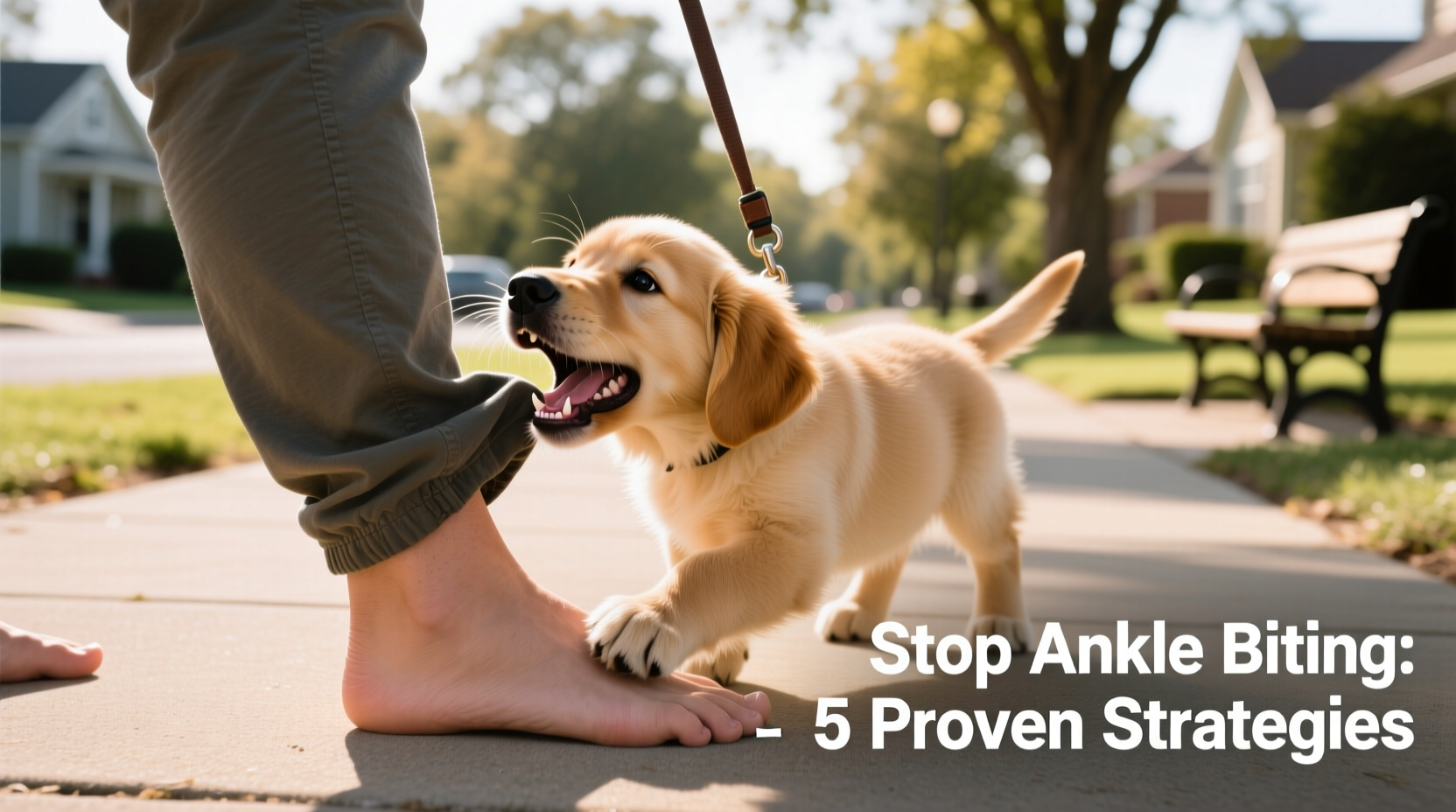
According to the American Kennel Club, exploration through mouthing is a normal developmental stage for young canines that peaks during early teething. Dealing with razor-sharp teeth sinking into bare ankles causes many exhausted caregivers to search for creative deterrents online. Out of desperation, frantic searches often lead people to traditional medicine cabinets and unconventional folk remedies. One recurring question across parenting forums asks whether topical mentholated ointments serve as an effective physical barrier against sharp canine teeth. Understanding canine sensory perception helps clarify why traditional quick fixes rarely address root behavioral triggers effectively. Establishing trust and clear communication during these developmental milestones ultimately creates a much stronger bond than relying on aversive tastes. Related guide: How To Get Puppy To Stop Biting Furniture.
💡 Pet Care Key Takeaways:
- Core Focus: Practical health, nutrition, and wellness guidelines for Can You Put Vicks On Your Ankles To Stop A Puppy Biting.
- Target Scope: Pet owners, animal caregivers, and veterinary support staff.
- Best Recommendation: Maintain consistent daily routines and consult an accredited veterinarian before introducing major diet or medical changes.
Can you put vicks on your ankles to stop a puppy biting involves applying a strong-smelling commercial chest rub to lower extremities to deter chewing through sensory aversion.
This practice relies on the pungent aroma of camphor, menthol, and eucalyptus oil to overwhelm sensitive canine noses. Proponents of this household hack assume that the intense olfactory and cooling sensation will instantly repel curious teeth. However, relying on strong chemical odors bypasses the necessary positive reinforcement needed to teach appropriate mouthing limits. Many caregivers fail to realize that what smells mildly strong to human noses is overwhelmingly intense to a dog. Furthermore, masking skin with pungent compounds does nothing to redirect the underlying instinct driving the mouthing behavior in the first place. Addressing the motivation behind the action yields far better long-term results than simply making the target taste unpleasant.
Chemical toxicity and respiratory irritation represent significant hazards when applying potent human remedies to human skin near pets.
Camphor and eucalyptus oil are toxic to dogs when ingested, and a persistent puppy will often lick the application site regardless of the strong smell. Ingestion of these active ingredients can lead to clinical signs of toxicity such as vomiting, excessive drooling, lethargy, and potential central nervous system depression. Working hands-on in clinical settings reveals that pets frequently persist through unpleasant tastes if the underlying drive to chew or seek attention is high enough. Beyond ingestion risks, the concentrated vapors can irritate sensitive canine nasal passages and mucous membranes, causing respiratory distress. Careful evaluation of household substances ensures that physical interventions do not inadvertently compromise overall animal well-being during daily management.
Topical camphor and essential oils found in common chest rubs present substantial toxicity risks if ingested by domestic pets — ASPCA Animal Poison Control Center
Safe alternative training methods and commercial bitter sprays provide a much more controlled approach to discouraging ankle nipping.
Applying commercially formulated bitter deterrents explicitly tested for canine safety offers a reliable alternative for discouraging mouthing habits. These specialized sprays use food-grade bittering agents that are non-toxic and specifically engineered to deter chewing without causing systemic health concerns. Transitioning away from human remedies protects household animals while keeping training protocols safe and humane. Consistency in response, such as standing completely still or redirecting the pet toward an approved chew toy, reinforces appropriate boundaries much faster. Setting up the environment properly prevents accidental rehearsal of unwanted behaviors while alternative habits take root.
Avoiding common missteps during behavioral redirection safeguards both human skin and animal health.
Panicking, pulling away abruptly, or making high-pitched squeals often misinterprets as exciting prey drive, which unfortunately escalates the behavior further. Consistency across all household members remains vital, as mixed signals prolong the teething phase and create confusion. Careful monitoring of environmental stressors helps determine whether nipping stems from overtiredness rather than pure playfulness. Experience in behavior modification shows that overtired juveniles bite impulsively, requiring quiet crate rest instead of additional stimulation or deterrents. Consulting resources on Method guides caregivers through structured, positive reinforcement techniques that build reliable impulse control over time.
Positive reinforcement training methods focused on redirection build lasting impulse control far more effectively than aversive deterrents — American Veterinary Medical Association
Pet Care & Wellness Overview Table
| Life Stage | Daily Activity Level | Key Nutrition / Care Focus |
|---|---|---|
| Puppy / Kitten | High (frequent short bursts) | High-protein growth diet & early socialization |
| Adult Companion | Moderate (30–60 mins daily) | Balanced maintenance nutrition & dental hygiene |
| Senior Pets | Low to Gentle (mindful walks) | Joint support (Glucosamine) & routine vet checks |
Images References


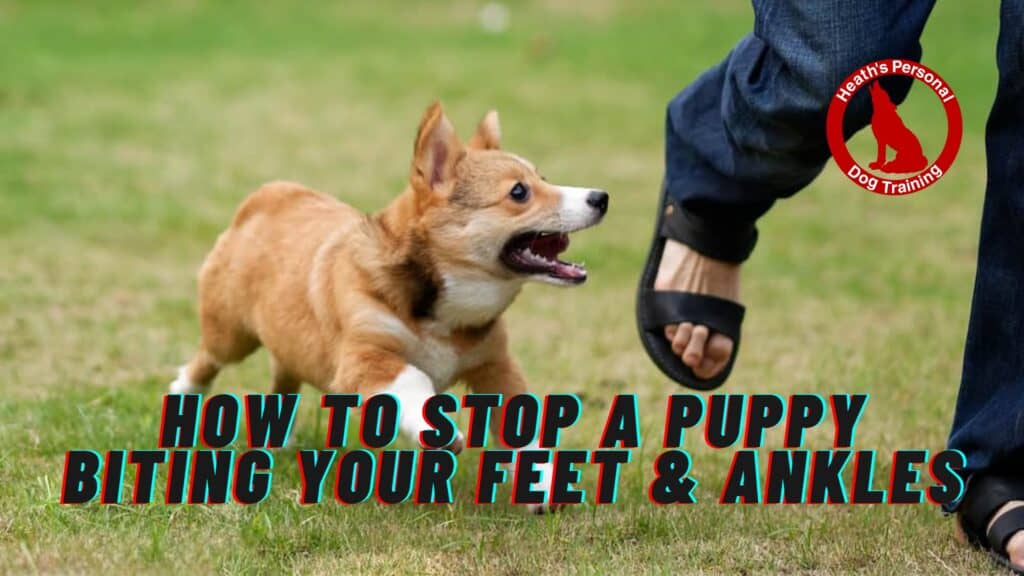

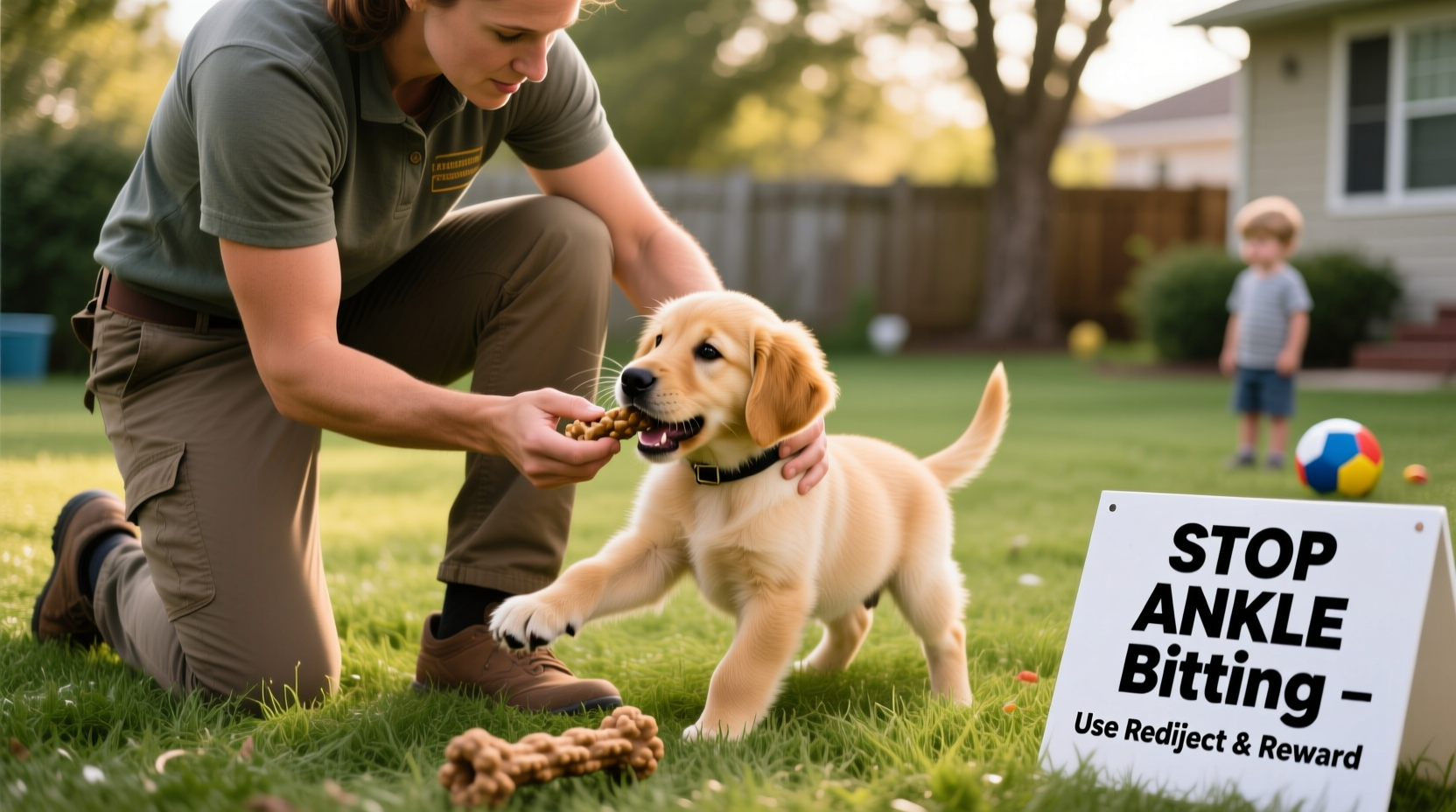

Individual age, breed predispositions, and pre-existing respiratory sensitivities dictate how a domestic pet reacts to strong household odors and training methods.
Brachycephalic breeds, referring to dogs with short muzzles and flat faces such as Pugs and Bulldogs, possess compromised respiratory tracts that react badly to strong menthol fumes. Miniature or toy breeds absorb chemical substances through their skin much faster due to their high surface-area-to-weight ratio. Younger animals have developing organ systems that process toxins less efficiently than mature adults, elevating the danger profile of household chemicals. Reviewing broader topics via Dog Type and Health ensures that management strategies align precisely with specific physiological needs. Tailoring every intervention to the individual animal prevents unexpected adverse reactions during routine household management.
Professional veterinary guidance becomes essential whenever persistent behavioral issues or accidental toxic exposures occur within the home.
Scheduling a professional consultation helps rule out underlying medical discomforts that might be causing sudden, aggressive mouthing or agitation. Veterinarians can recommend certified behaviorists who specialize in positive, fear-free modification plans tailored to challenging developmental phases. Promptly contacting a professional or animal poison control center is necessary if accidental ingestion of potent household ointments occurs. Exploring topics on Ingredients keeps households informed about hidden dangers lurking in everyday products. Professional oversight guarantees that safety and wellness remain the top priorities throughout every stage of pet parenthood.
Building a harmonious household environment requires patience, safe deterrents, and consistent positive reinforcement for growing companions.
Navigating the sharp-toothed developmental chapter successfully lays the foundation for a well-mannered adult companion who respects personal boundaries. Combining thoughtful management with expert-backed guidance protects human skin and animal health simultaneously without relying on risky folk remedies. Discovering reliable advice through Occasion and General & Others equips caregivers for every milestone ahead. Returning to Home2Pet.com provides ongoing inspiration for nurturing a healthy, happy lifestyle alongside beloved animal family members.