Nurturing a canine companion through advanced hepatic conditions requires a delicate, highly informed approach to daily nutrition.
According to the American Veterinary Medical Association, liver disorders and related metabolic complications require precise dietary management to support remaining organ function and improve overall quality of life. Watching a beloved dog struggle with failing health brings deep emotional weight to any household. In clinical practice, working alongside families navigating these diagnoses reveals how much comfort a carefully tailored homemade meal can provide. When the body struggles to process everyday nutrients, food transitions from a source of simple daily fuel into a primary tool for medical support. Preparing meals at home puts control directly into the hands of caregivers, ensuring that only pure, easily digestible components enter the bowl. This responsibility, however, demands meticulous attention to detail, as well as a firm understanding of canine metabolic science. Navigating this path successfully means balancing nutritional science with genuine care, ensuring every meal aids healing rather than adding stress to a compromised system.
💡 Pet Care Key Takeaways:
- Core Focus: Practical health, nutrition, and wellness guidelines for Natural Recipe For Dog With Liver Disease And Hepatic Enchelpopthy.
- Target Scope: Pet owners, animal caregivers, and veterinary support staff.
- Best Recommendation: Maintain consistent daily routines and consult an accredited veterinarian before introducing major diet or medical changes.
A natural recipe for dog with liver disease and hepatic encephalopathy is a specialized, home-cooked meal plan designed to minimize toxin buildup while supporting vital metabolic functions.
Hepatic encephalopathy is a complex neurological syndrome caused by severe liver dysfunction, wherein the organ fails to properly filter toxins like ammonia from the bloodstream. As these toxins cross the blood-brain barrier, dogs often exhibit confusion, lethargy, or altered mental states. Consequently, formulating a therapeutic homemade diet involves strictly managing protein sources to reduce ammonia production in the gut. High-quality, highly digestible proteins—such as specific dairy items or egg whites—are typically chosen over red meats, paired with easily processed carbohydrates like white rice or sweet potatoes. Furthermore, incorporating functional ingredients such as antioxidants or specific amino acid balances helps protect hepatic tissue from further cellular damage. Every component serves a specific purpose, working synergistically to reduce the workload on the liver while maintaining proper caloric intake and muscle mass. Related guide: How To Get Puppy To Stop Biting Furniture.
Dietary adjustments directly influence neurological stability, energy levels, and long-term metabolic health in affected animals.
Managing macronutrient ratios carefully can dramatically alter the daily life of a canine patient, reducing neurological episodes and stabilizing mood. When protein levels are appropriately restricted and balanced, the gut produces significantly less circulating ammonia, directly alleviating cognitive fog. In the clinic, observing a lethargic dog regain alertness simply by transitioning to an optimized, low-toxin meal plan highlights the profound impact of canine nutrition. Additionally, avoiding synthetic additives and heavy processing reduces the detoxification burden on the hepatic tissue. Careful hydration management and electrolyte balance further support circulatory health, ensuring that nutrients reach tissues efficiently. Beyond immediate symptom relief, proper dietary support promotes cellular repair mechanisms within the organ, potentially extending comfortable longevity.
Therapeutic homemade diets for liver disorders must be carefully formulated to provide adequate calories while restricting copper and managing protein quality to prevent neurological decline. — American Kennel Club
Crafting therapeutic meals at home begins with selecting high-grade, wholesome components that meet strict veterinary standards for purity and digestibility. Cooking methods should remain gentle, prioritizing boiling, baking, or steaming over frying to prevent the creation of harmful advanced glycation end-products. Carbohydrates must be cooked thoroughly so that canine digestive tracts can break them down with minimal metabolic effort. Mixing in prescribed veterinary supplements—such as specific vitamins or SAM-e—requires precise timing to ensure optimal absorption without irritating the gastrointestinal tract. Pet owners should prepare meals in clean environments to prevent bacterial contamination, which can introduce dangerous endotoxins that further tax a compromised system. Properly portioning the finished food into daily servings helps maintain consistency, preventing sudden dietary shifts that might upset metabolic stability.
Avoiding common formulation mistakes ensures that homemade therapeutic diets remain safe and nutritionally complete.
One of the most frequent pitfalls in home-cooking for chronic illness is guessing nutrient quantities instead of following exact veterinary calculations. Guesswork often leads to dangerous deficiencies in essential vitamins, minerals, or amino acids, which can accelerate organ decline. Another critical error involves accidentally including toxic items like onions, garlic, or certain mushrooms while trying to add flavor to bland ingredients. It is vital to remember that ingredients like onions and garlic cause severe oxidative damage to canine red blood cells, which the compromised liver cannot safely process. Furthermore, abruptly changing recipes without veterinary supervision can trigger digestive distress or sudden metabolic imbalances. Adhering strictly to a verified feeding protocol safeguards the animal against these entirely preventable complications.
Certain culinary items commonly used in human cooking, such as onions, garlic, and macadamia nuts, are highly toxic to dogs and must be strictly excluded from all homemade formulations. — ASPCA Animal Poison Control Center
Pet Care & Wellness Overview Table
| Life Stage | Daily Activity Level | Key Nutrition / Care Focus |
|---|---|---|
| Puppy / Kitten | High (frequent short bursts) | High-protein growth diet & early socialization |
| Adult Companion | Moderate (30–60 mins daily) | Balanced maintenance nutrition & dental hygiene |
| Senior Pets | Low to Gentle (mindful walks) | Joint support (Glucosamine) & routine vet checks |
Images References

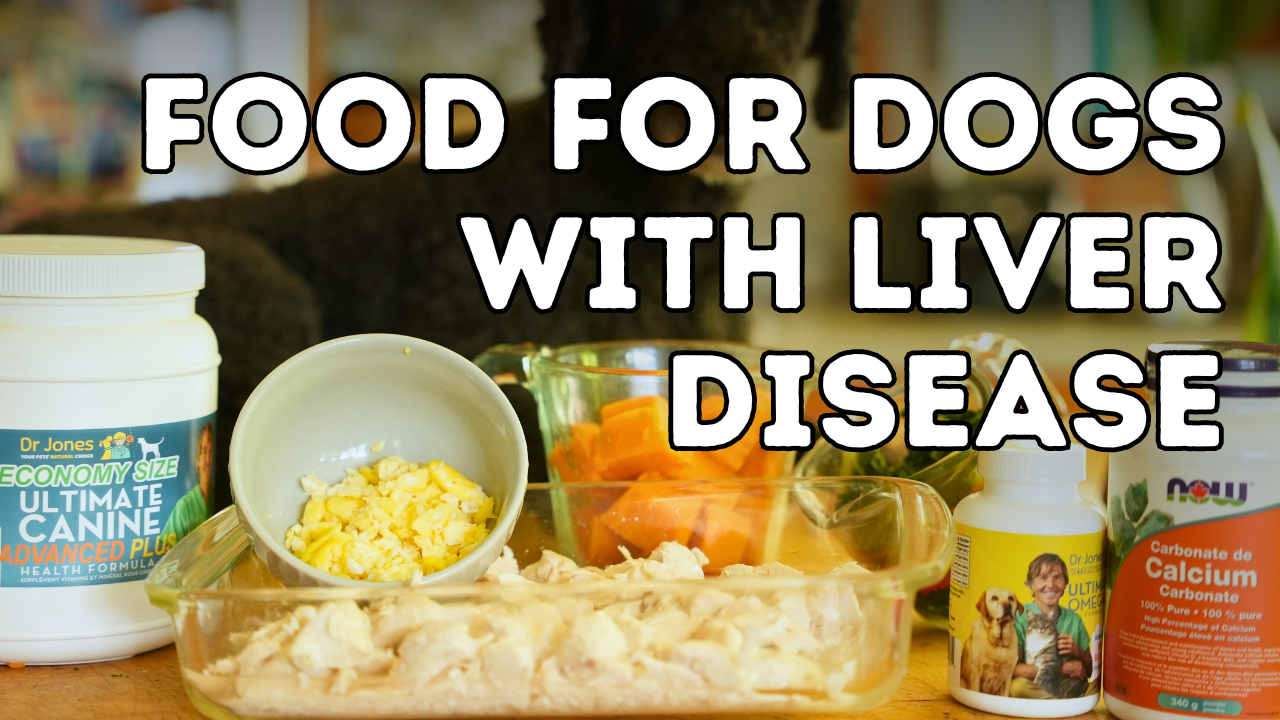



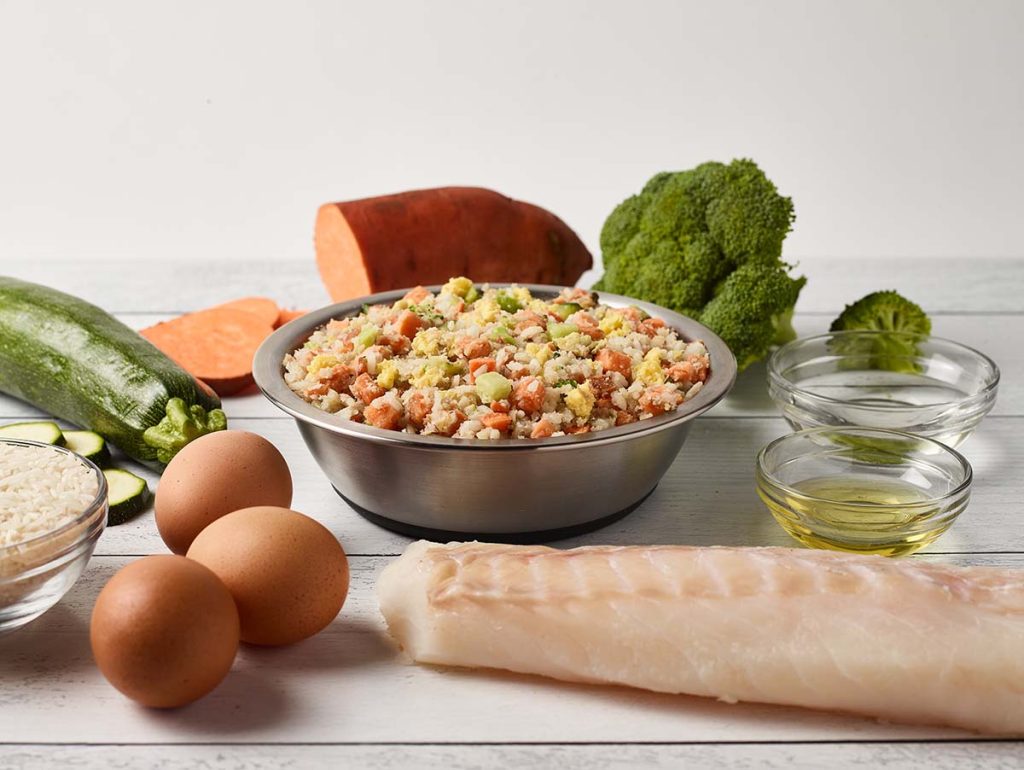
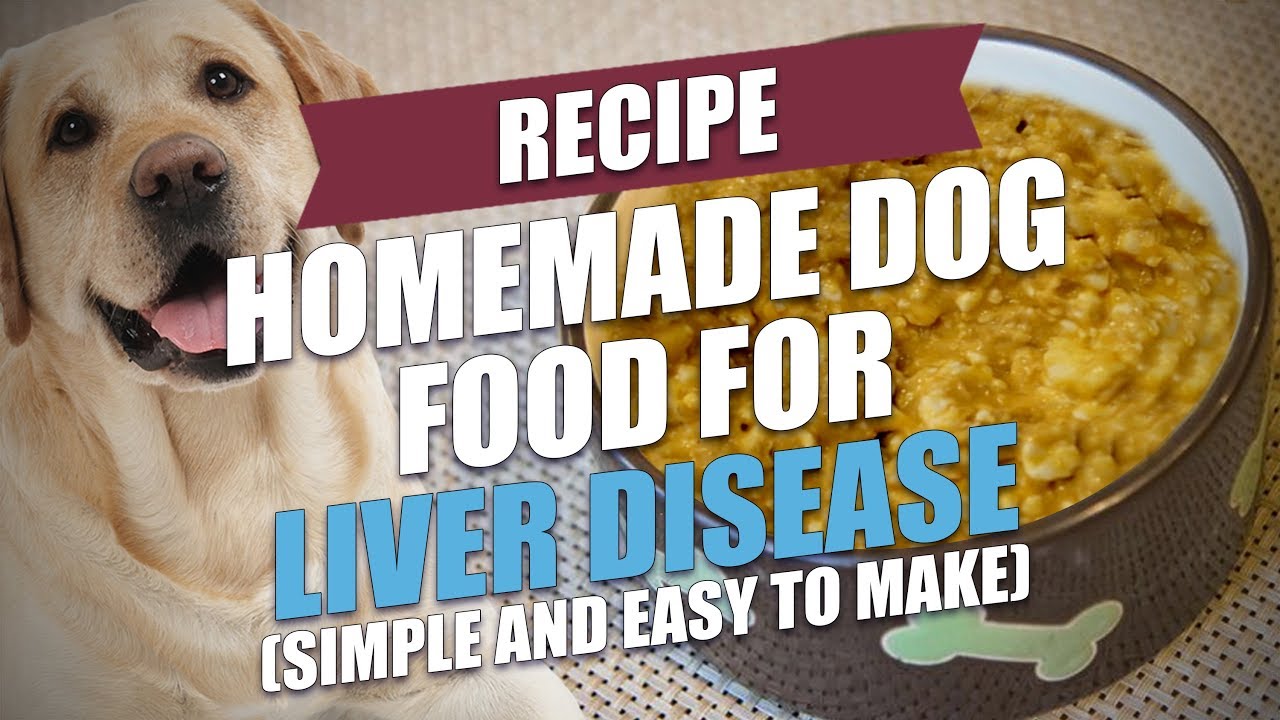


Breed predispositions, individual age, and concurrent health conditions dictate necessary modifications to any home-prepared therapeutic diet.
Certain breeds, such as Doberman Pinschers, Labrador Retrievers, and Bedlington Terriers, carry genetic predispositions to specific hepatic disorders like copper storage disease. For these animals, standard meal plans must be strictly altered to avoid copper-rich foods such as organ meats, shellfish, and certain legumes. Age also plays a decisive role, as senior dogs require adjusted caloric densities to prevent unintended weight loss while still protecting delicate organ pathways. Furthermore, if a canine companion suffers from concurrent conditions like pancreatitis or kidney disease, the nutritional boundaries narrow even further. Tailoring the core recipe to accommodate these overlapping health needs prevents one therapy from inadvertently worsening another bodily system.
Professional veterinary oversight remains mandatory when designing and maintaining any long-term home-cooked nutrition plan.
No online recipe or general guideline can replace the individualized diagnostic insights provided by a licensed veterinarian or veterinary nutritionist. Regular blood panels, bile acid tests, and imaging studies are essential to monitor how the liver responds to dietary modifications over time. If a dog exhibits sudden behavioral changes, worsening lethargy, or loss of appetite, immediate professional evaluation is required to adjust the medical and nutritional strategy. Working hand-in-hand with a veterinary team ensures that nutritional therapies evolve alongside the animal’s changing health status. This collaborative approach provides the safest, most effective framework for managing complex chronic conditions at home.
Supporting a canine companion through chronic illness is a journey made easier with reliable guidance and community resources.
Navigating the complexities of canine liver health takes dedication, patience, and access to trustworthy educational material every step of the way. Caregivers are encouraged to explore additional insights regarding Dog Type and Health to better understand specialized care requirements. Discovering safe components in the Ingredients section helps build confidence when shopping for wholesome meals. Reviewing various preparation approaches within the Method category ensures every dish is crafted safely. Finding suitable ideas for special dietary occasions is simple through the Occasion section. Finally, broaden your understanding of overall wellness by visiting General & Others on Home2Pet.com, where dedicated resources support every pet parent on their wellness journey.