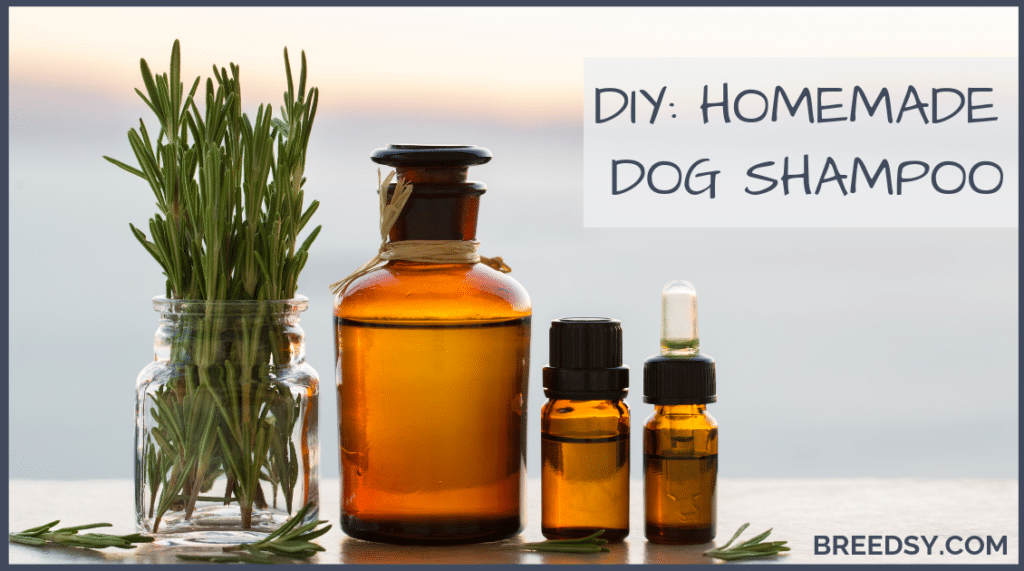
Exploring natural pest management options for canines remains a priority for many households seeking chemical-free alternatives.
According to the American Society for Prevention of Cruelty to Animals, holistic and botanical approaches to pet wellness are increasingly sought by guardians looking to minimize synthetic pesticide exposure in domestic environments. Working in clinical veterinary settings often reveals a common scenario: concerned owners walking through the doors carrying a bottle of kitchen herbs, hoping to shield their animal companions from biting pests without relying on conventional topical medications or oral chewables. Navigating this landscape requires a careful balance between historical folklore and modern clinical toxicology, particularly when considering kitchen staples like *Allium sativum*, commonly known as garlic. Fleas are resilient parasites that can rapidly infest carpets, bedding, and fur, prompting caregivers to explore every available remedy in the pantry. Consequently, understanding the intersection of herbal home remedies and canine physiology is essential for anyone striving to protect a furry companion safely. Related guide: Puppy Play Biting Four Months Advice Avoid Punishment.
💡 Pet Care Key Takeaways:
- Core Focus: Practical health, nutrition, and wellness guidelines for Homemade Flea Treatment For Dogs With Garlic.
- Target Scope: Pet owners, animal caregivers, and veterinary support staff.
- Best Recommendation: Maintain consistent daily routines and consult an accredited veterinarian before introducing major diet or medical changes.
Homemade flea treatment for dogs with garlic involves utilizing culinary bulbs to deter external parasites through systemic ingestion or topical rinses.
This traditional home remedy typically centers on mincing, crushing, or steeping raw or cooked bulbs to extract aromatic compounds intended to make the host’s blood unappealing to fleas. In holistic circles, proponents suggest that the metabolic breakdown of sulfur compounds within the animal’s body creates an odor profile or subtle taste shift that repels ectoparasites, which are wingless insects that feed on the blood of mammals and birds. While commercial preventative treatments utilize advanced pharmacology to interrupt the life cycle of these pests, DIY culinary approaches rely entirely on dietary inclusion or homemade herbal sprays. However, bridging the gap between kitchen folklore and evidence-based veterinary medicine demands extreme caution regarding the active components found in these bulbous plants.
Evaluating the physiological impact of allium species requires understanding canine metabolic vulnerabilities and potential toxicity risks.
Garlic belongs to the *Allium* genus, which also includes onions, leeks, and chives, all of which contain organosulfur compounds capable of causing oxidative damage to red blood cells in dogs. When a canine consumes these plants, the digestive tract breaks down the compounds into reactive oxidants that overwhelm the protective antioxidant mechanisms within red blood cells, leading to the formation of Heinz bodies—precipitated hemoglobin aggregates that cause cells to rupture, resulting in hemolytic anemia. Working hands-on in veterinary clinics highlights how quickly a seemingly harmless kitchen addition can trigger lethargy, pale mucous membranes, and dark urine if ingested beyond safe physiological thresholds. In practice, seasoned veterinary technicians frequently treat cases of dietary indiscretion where well-meaning caregivers inadvertently introduced toxic substances into a pet’s food bowl under the guise of natural wellness.
Oxidative damage to red blood cells from Allium species can lead to Heinz body anemia in canines — American Society for Prevention of Cruelty to Animals
Preparing and administering any botanical deterrent safely necessitates strict adherence to veterinary guidance and individualized formulation.
Safe incorporation of any home remedy into a canine care routine demands precise consultation with a licensed veterinarian who understands the animal’s specific weight, age, and existing health status. When exploring natural options, professionals often direct guardians toward established resources found in Ingredients or specialized care protocols to ensure proper handling. If a veterinarian approves a carefully calculated, minimal amount of fresh, minced bulb for an individual dog, it must be thoroughly integrated into a balanced meal rather than given in concentrated or powdered forms, which carry significantly higher potency. Furthermore, topical applications should avoid broken skin or sensitive areas around the eyes and ears to prevent secondary irritation, ensuring the chosen method does not compromise the skin barrier.
Avoiding common administration mistakes helps safeguard canine health during natural pest control trials.
One of the most frequent errors observed in home care routines is the assumption that natural automatically equates to entirely safe under any circumstance. Caregivers must never use commercial garlic powders, seasoned salts, or dehydrated flakes intended for human cooking, as these often contain concentrated extracts or harmful additives like onion powder and sodium. Additionally, relying solely on unproven kitchen remedies during a severe infestation can leave the animal vulnerable to flea allergy dermatitis, an inflammatory skin condition caused by hypersensitivity to flea saliva. Consulting comprehensive guides on Method can provide structured frameworks for evaluating alternative wellness strategies without abandoning proven veterinary standards of care.
Concentrated garlic powders and seasonings present a significantly higher toxicity risk than fresh culinary cloves due to variable potency — Merck Veterinary Manual
Pet Care & Wellness Overview Table
| Life Stage | Daily Activity Level | Key Nutrition / Care Focus |
|---|---|---|
| Puppy / Kitten | High (frequent short bursts) | High-protein growth diet & early socialization |
| Adult Companion | Moderate (30–60 mins daily) | Balanced maintenance nutrition & dental hygiene |
| Senior Pets | Low to Gentle (mindful walks) | Joint support (Glucosamine) & routine vet checks |
Images References


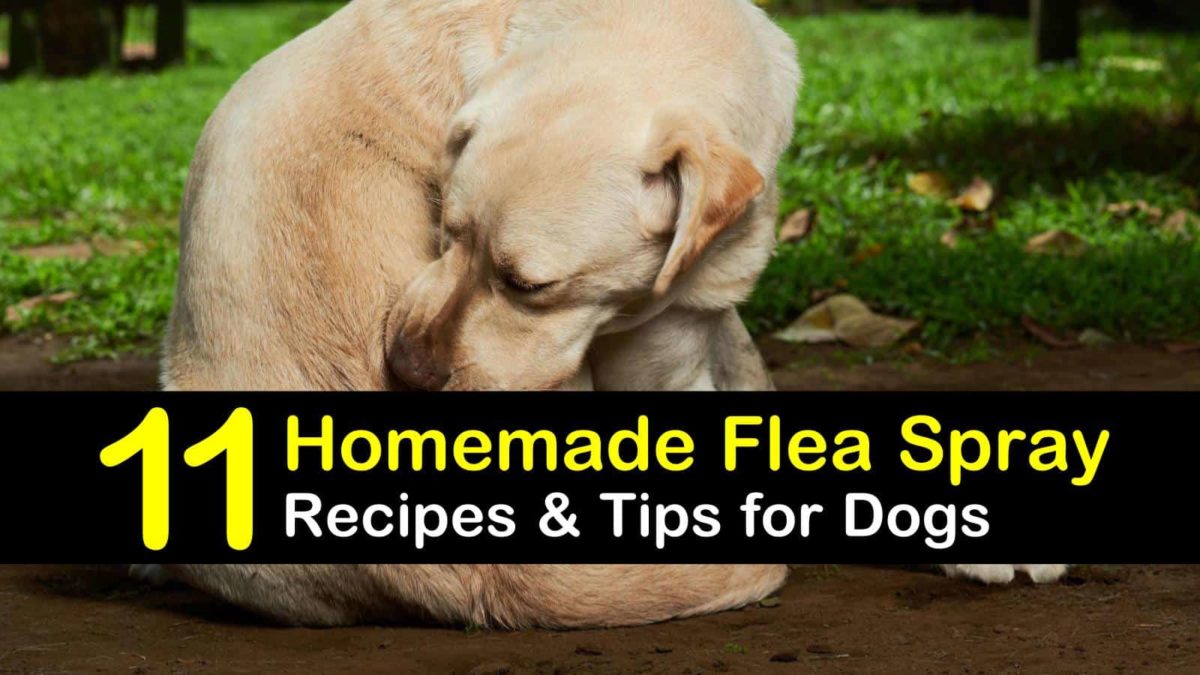
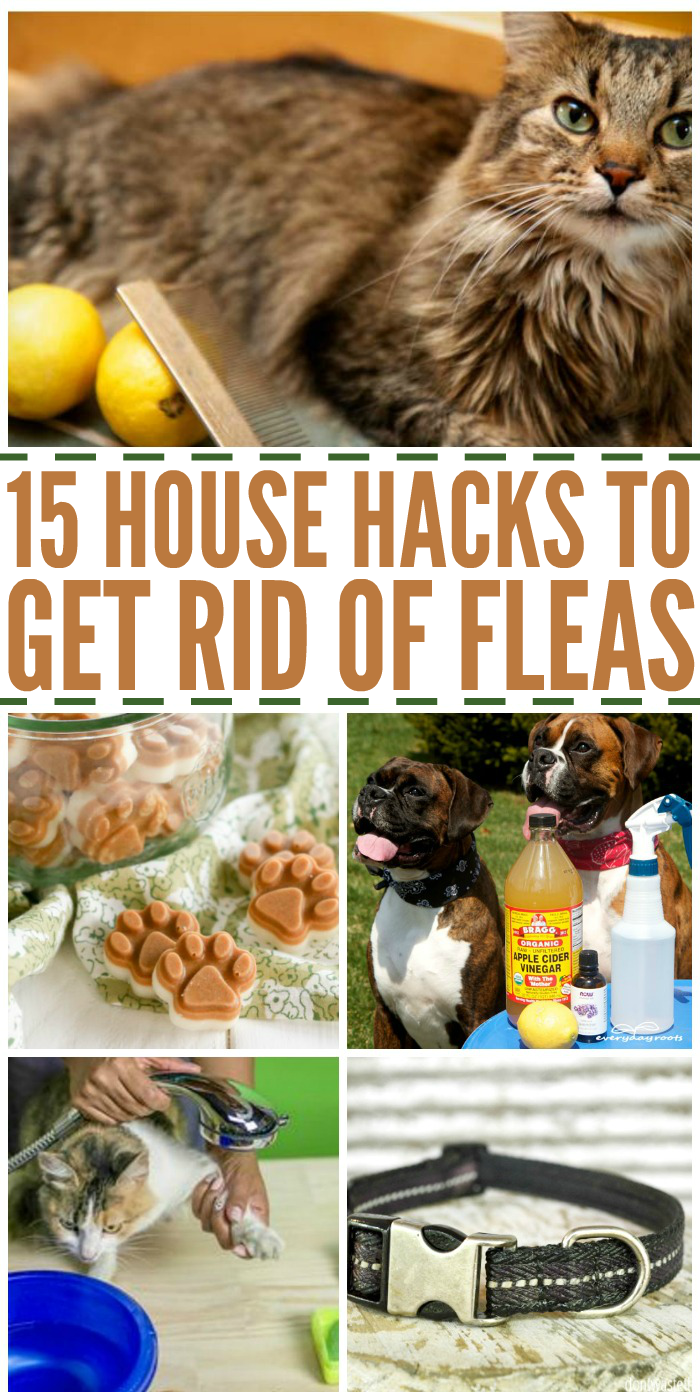
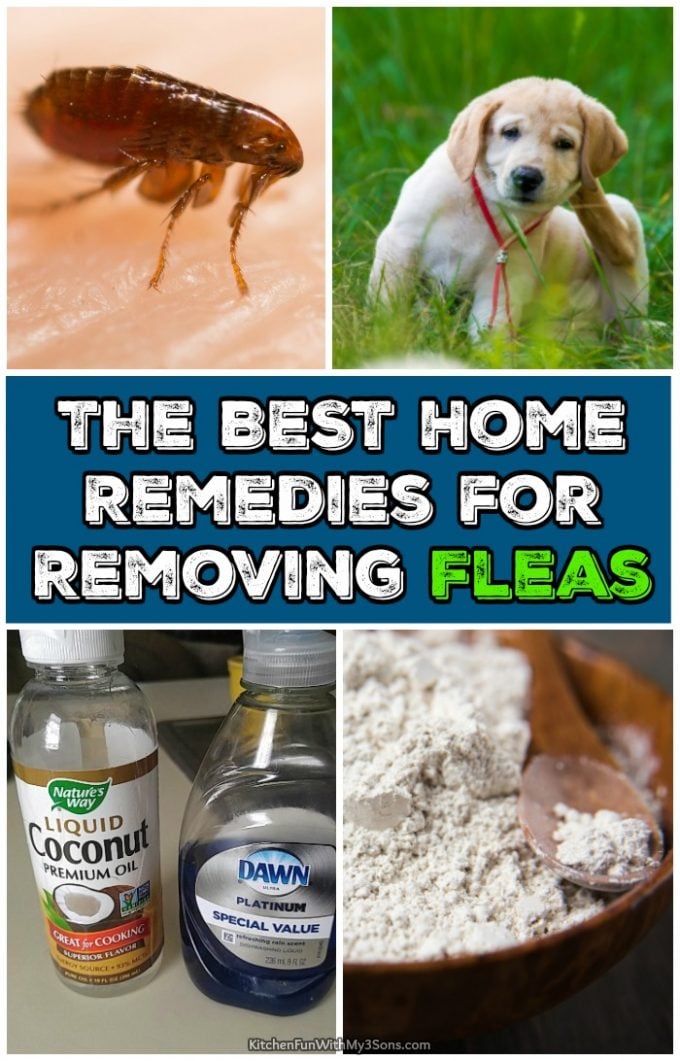

Breed predispositions and specific life stages dramatically influence how a dog metabolizes botanical compounds and handles external parasites.
Certain heritage breeds, particularly those of Japanese lineage such as Akitas and Shiba Inus, possess a genetic predisposition to erythrocyte enzyme variations that render them exceptionally sensitive to the oxidative stressors found in *Allium* species. Puppies, senior dogs, and animals with pre-existing hepatic or renal compromise also lack the robust metabolic reserve required to safely process unfamiliar botanical constituents, making individualized risk assessment paramount. When evaluating overall domestic management, reviewing general health insights via Dog Type and Health helps owners tailor their approach to match their specific companion’s biological profile. Age and physiological maturity dictate how efficiently an animal processes dietary additions, reinforcing the need for customized care rather than a one-size-fits-all household remedy.
Professional veterinary oversight remains essential before introducing any home remedy or dietary modification to an animal’s daily routine.
Establishing a collaborative partnership with a veterinary professional ensures that parasite prevention protocols remain both effective and entirely safe for the individual patient. Whether preparing for seasonal changes explored in Occasion or addressing daily wellness questions found within General & Others, expert guidance protects animals from preventable toxicities. If any signs of adverse reaction, gastrointestinal upset, or lethargy appear following the introduction of a new substance, immediate discontinuation and veterinary evaluation are critical. Prioritizing evidence-based medicine alongside gentle home care guarantees a long, vibrant life for every canine companion.
Discover more expert-backed canine care tips and natural wellness guides for your beloved animal household.
Navigating the complexities of canine nutrition and preventative care is a continuous journey that benefits from reliable, trusted resources. Visit Home2Pet.com today to explore our comprehensive library dedicated to keeping your four-legged family members healthy, safe, and thriving through every stage of life.